
The Grand Canal — History & Facts
What secret hides in the quiet of the canvas? The stillness of Amédée Rosier's The Grand Canal beckons us to delve beneath its serene surface, revealing an undercurrent of loss that lingers in the air like an unspoken farewell. Focus your gaze on the tranquil water that stretches across the composition, reflecting the faded buildings lining the canal. Notice how the soft hues of blue and gray intermingle with hints of ochre, capturing the fleeting light of dusk. The gentle brushwork suggests a moment suspended in time, inviting you to explore the subtle play of shadows and light, as if whispering stories of those who once tread this path. Yet, amid the calm, a sense of absence pervades the scene.
The deserted gondola, adrift on the water, symbolizes solitude, evoking memories of voices that once filled the air but now echo only in the silence. The muted colors further enhance this emotional weight, hinting at nostalgia for what has been lost, whether it be a memory or a connection to the vibrant life that once animated this landscape. Created during an era steeped in personal and artistic transition, Rosier painted this work while navigating the complexities of his own journey. Though the precise date remains unknown, it reflects a time when artists began to embrace impressionistic techniques, capturing fleeting moments of beauty and emotion that resonate with audiences even today.
More Artworks by Amédée Rosier
Browse all →
The Golden Horn With The Süleymaniye Mosque
Amédée Rosier
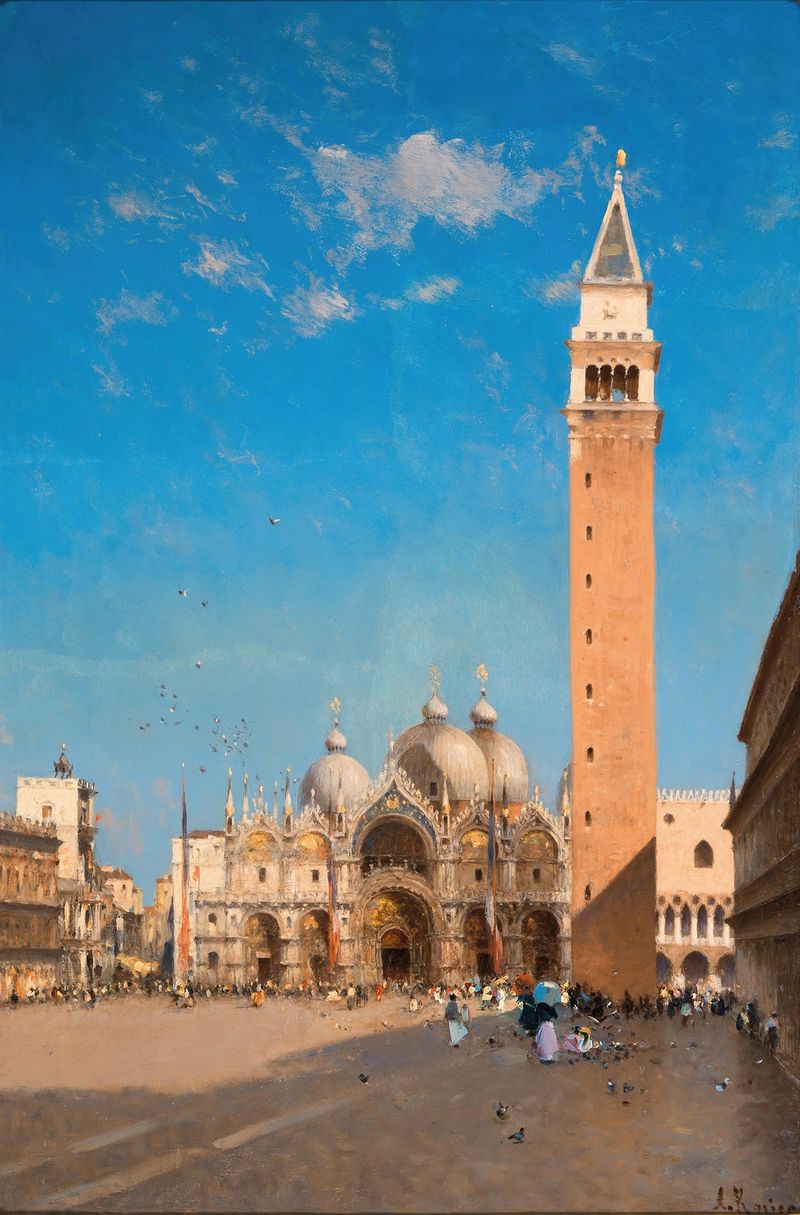
Venice, St Mark’s Square
Amédée Rosier
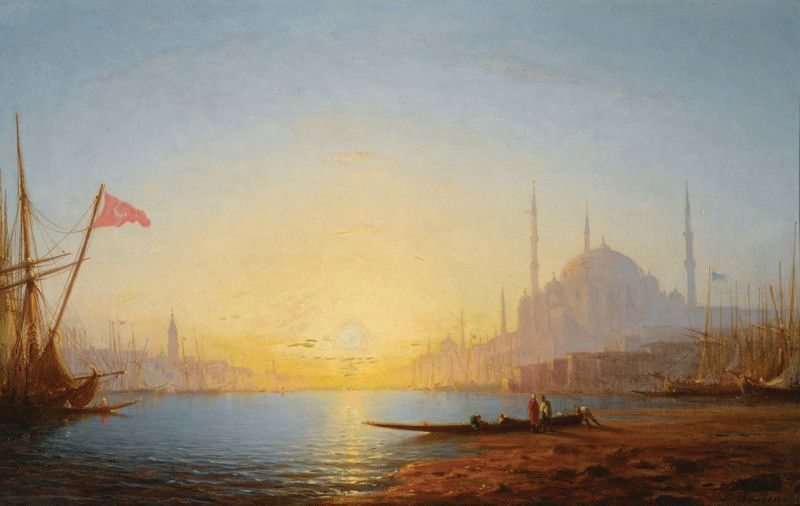
View Of Constantinople
Amédée Rosier
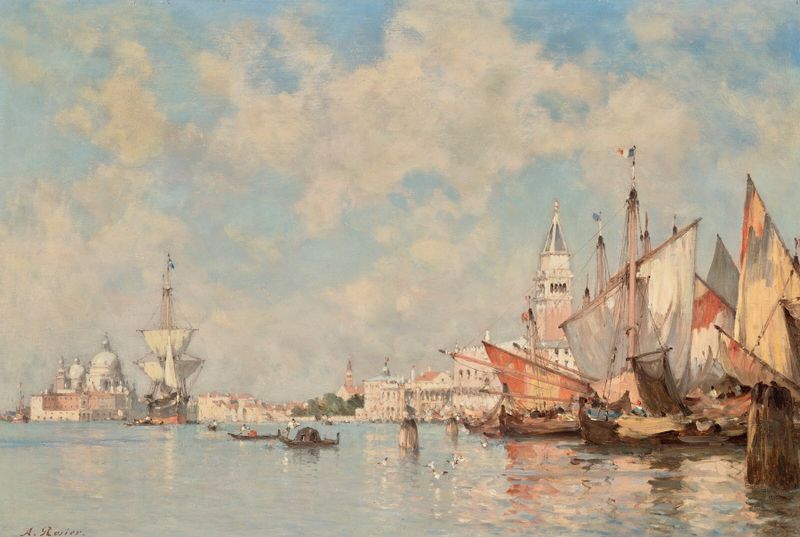
Boats in front of St. Mark’s Square, St Maria della Salute beyond
Amédée Rosier

Venice
Amédée Rosier
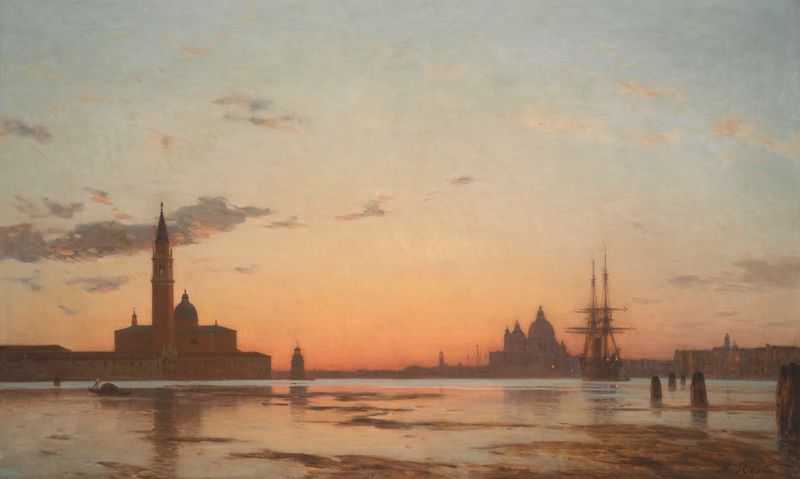
Le Canal San Marco, Au Crépuscule, Venise
Amédée Rosier

Esclavon banks, Venice
Amédée Rosier





