
The great Buddha (Daibutsu) in Kamakura, Japan — History & Facts
Did the painter know this moment would outlive them? The essence of tranquility captured in a silent behemoth resonates through time, evoking an age of innocence that feels both ancient and timeless. Look to the center of the canvas where the monumental figure of the Buddha sits, each curve and contour meticulously crafted. The artist employs a palette of deep greens and earth tones, accentuating the statue’s grandeur against the soft hues of the surrounding landscape. Notice how the light dances around the figure, illuminating the gentle smile that invites contemplation.
The placement of the statue within the frame draws the viewer's gaze upward, as if urging one to ascend into a realm of spiritual reflection. Hidden within the serene presence lies a contrast between permanence and the ephemeral nature of life. The lush foliage enveloping the statue offers a sense of renewal, yet the immovable figure of the Buddha stands as a testament to endurance amid the flux of time. The interplay between light and shadow creates a dialogue about the innocence of human suffering and the quest for enlightenment, suggesting that peace can emerge from chaos. In 1928, Erich Kips created this evocative work while living in Japan, a time when cultural change was sweeping through the nation.
The historical backdrop of the country was marked by the tension between tradition and modernization, leading Kips to explore themes of spiritual legacy and historical reverence in his art. This period in his life, as he embraced local artistic influences, shaped his portrayal of this monumental Buddha, resonating with the ongoing dialogue about identity and permanence.
More Artworks by Erich Kips
Browse all →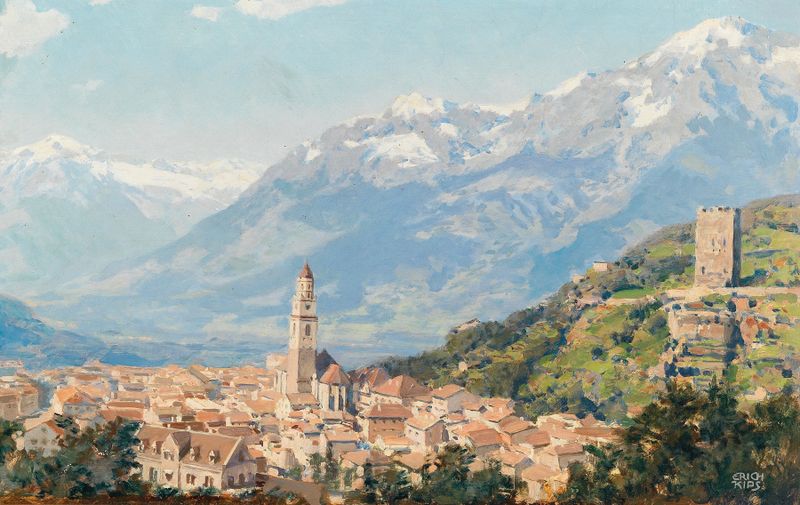
South Tyrol, View of Meran
Erich Kips

Belebte Pekinger Straßenszene vor dem Quianmen Tor
Erich Kips
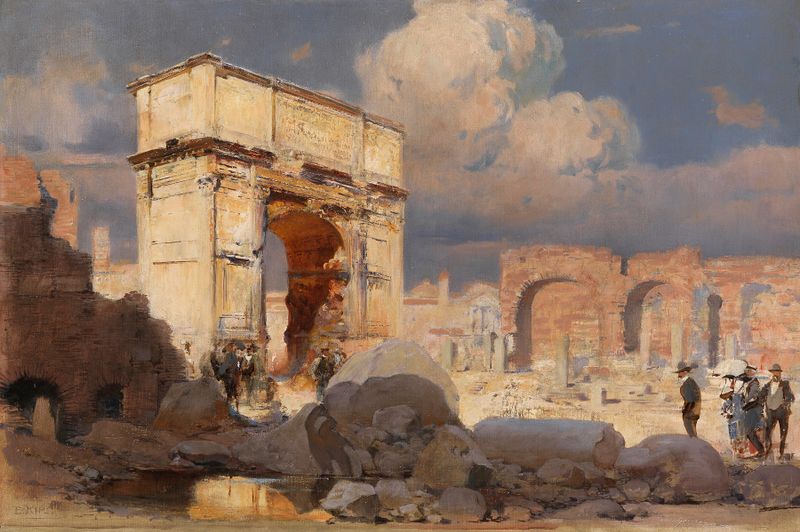
Am Titusbogen in Rom
Erich Kips
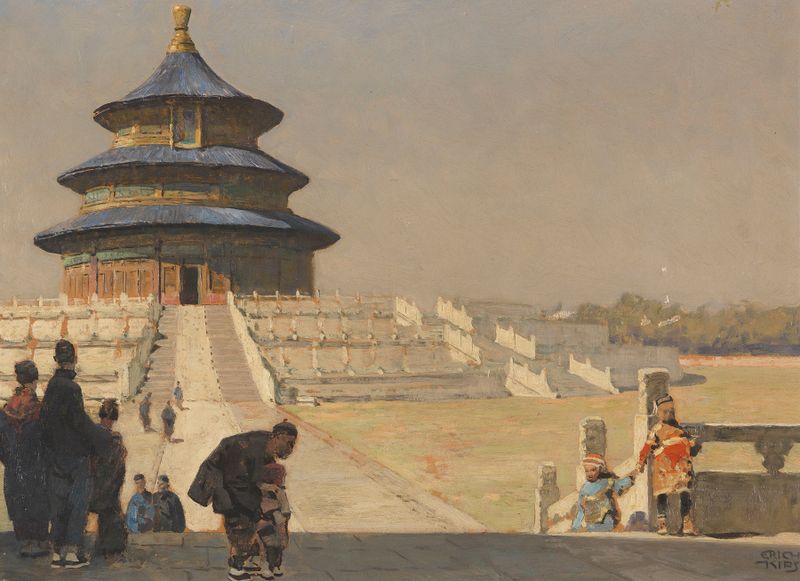
The Temple of Heaven in Beijing
Erich Kips

Munshi Ghat in Varanasi on the Ganges, India
Erich Kips

In the Forbidden City in Beijing
Erich Kips

The Deshengmen City Gate in Beijing
Erich Kips
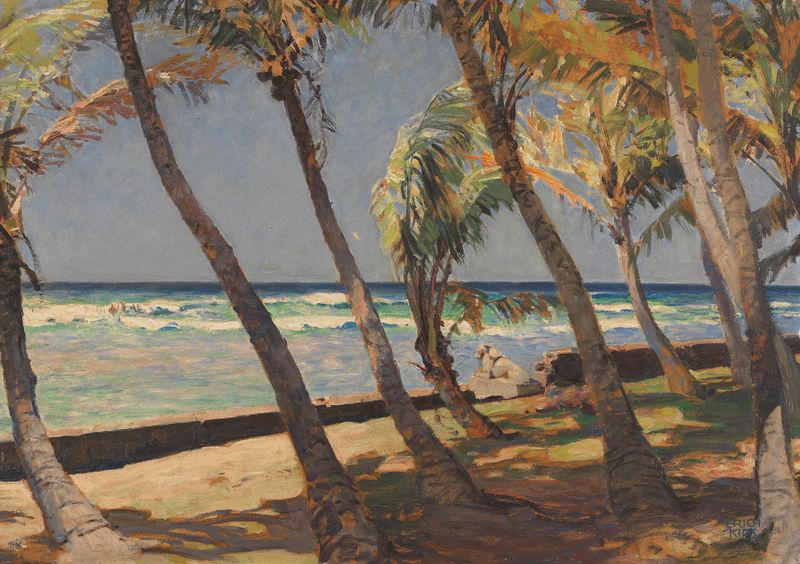
Waikiki Beach
Erich Kips

Ships in Hamburg
Erich Kips
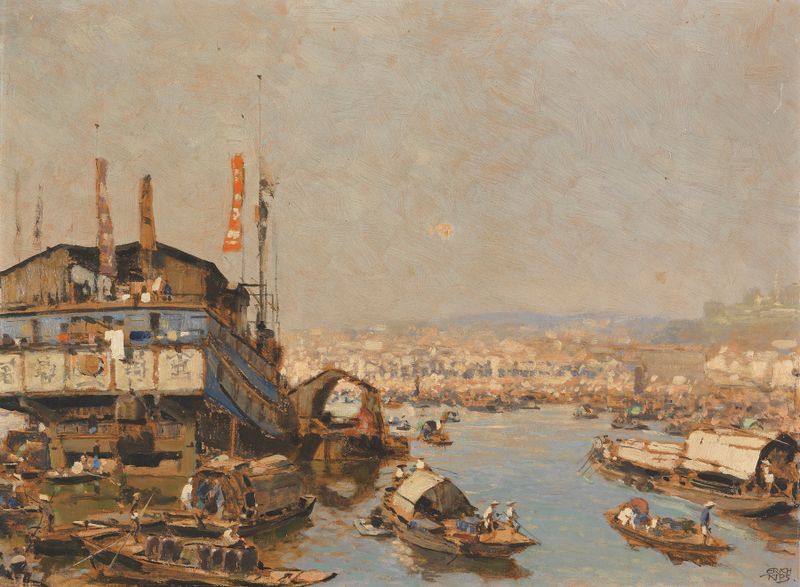
Singapore Harbor
Erich Kips
More Religious Art
Browse all →
The Return of the Prodigal Son
Rembrandt van Rijn

The Garden of Earthly Delights
El Bosco

Count Orgaz’ funeral
El Greco

The Hundred Guilder Print: the central piece with Christ preaching, the plate arched
Rembrandt van Rijn

The Descent from the Cross
Rogier van der Weyden

The return of the prodigal son
Rembrandt van Rijn