
Munshi Ghat in Varanasi on the Ganges, India — History & Facts
In the stillness that envelops Munshi Ghat, beauty unfolds in layers, whispering stories of devotion and reflection along the sacred Ganges. Look closely at the soft hues of blue and gold that meld seamlessly at the horizon, where the river meets the sky. The delicate brushwork captures the gentle ripples of water, inviting your gaze to explore the intricate reflections of the ghat's ancient steps. Notice how the light dances across the surface, illuminating the figures that dot the banks, engrossed in their quiet rituals, their presence both ephemeral and eternal. The artist masterfully contrasts the vibrancy of life against the muted stillness of the water.
Each figure, from devotees to passersby, embodies a different narrative, yet they share a collective expression of reverence. The interplay of shadow and light creates an emotional tension between solitude and community—an invitation to reflect on one's place within the tapestry of existence. It is in these details that the essence of beauty resides, evoking a sense of peace amidst the chaos of life. In 1928, the artist found himself in Varanasi, a city steeped in centuries of tradition and spirituality.
At this time, Kips was exploring themes of culture and identity against a backdrop of change, as modernity began to subtly influence ancient practices. His brush strokes captured not only the physical beauty of the ghat but also the profound connections formed in this sacred space, marking a pivotal moment in his artistic journey.
More Artworks by Erich Kips
Browse all →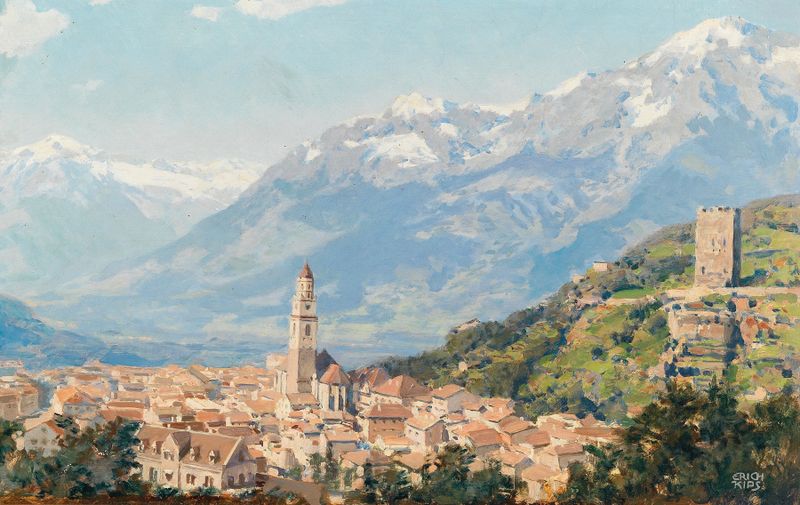
South Tyrol, View of Meran
Erich Kips

Belebte Pekinger Straßenszene vor dem Quianmen Tor
Erich Kips
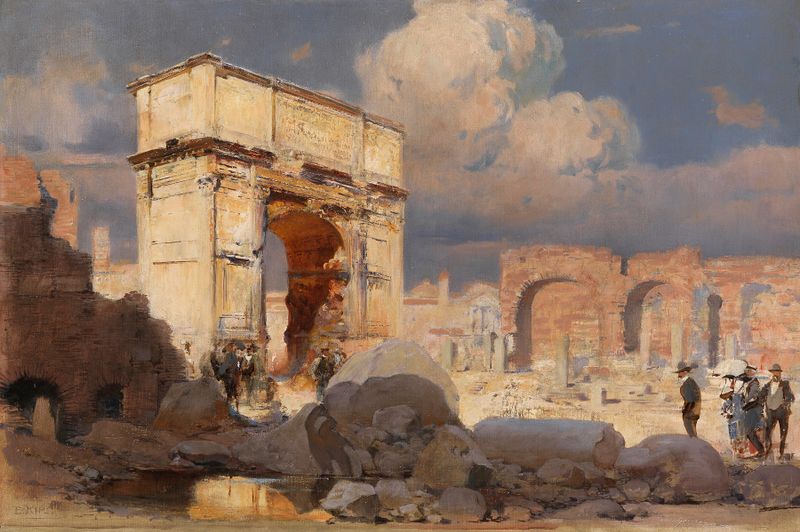
Am Titusbogen in Rom
Erich Kips
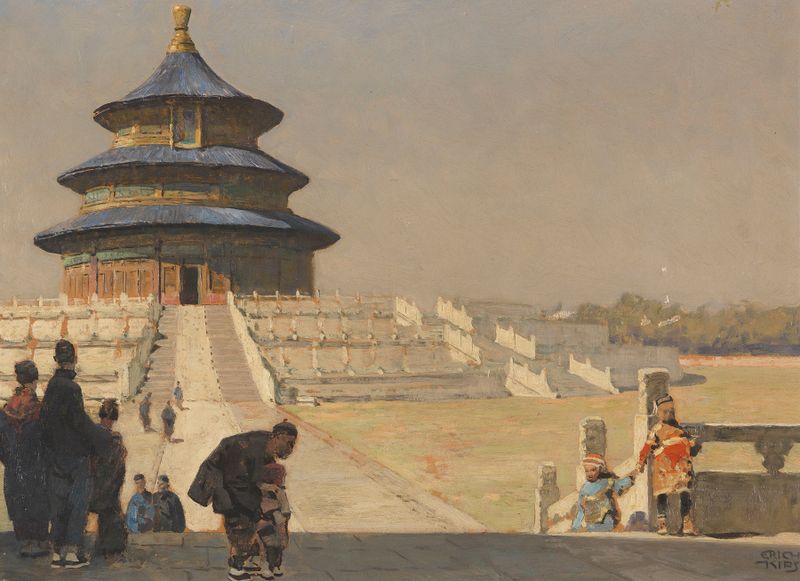
The Temple of Heaven in Beijing
Erich Kips

In the Forbidden City in Beijing
Erich Kips

The Deshengmen City Gate in Beijing
Erich Kips
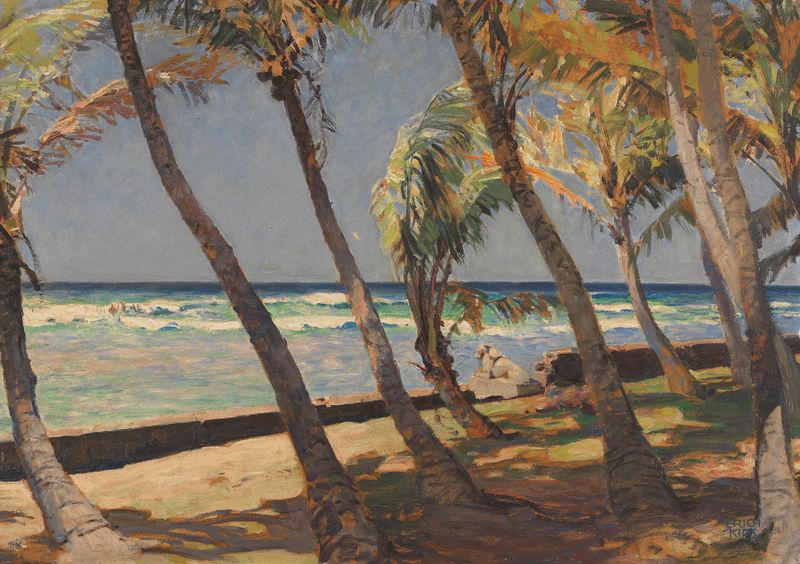
Waikiki Beach
Erich Kips

Ships in Hamburg
Erich Kips
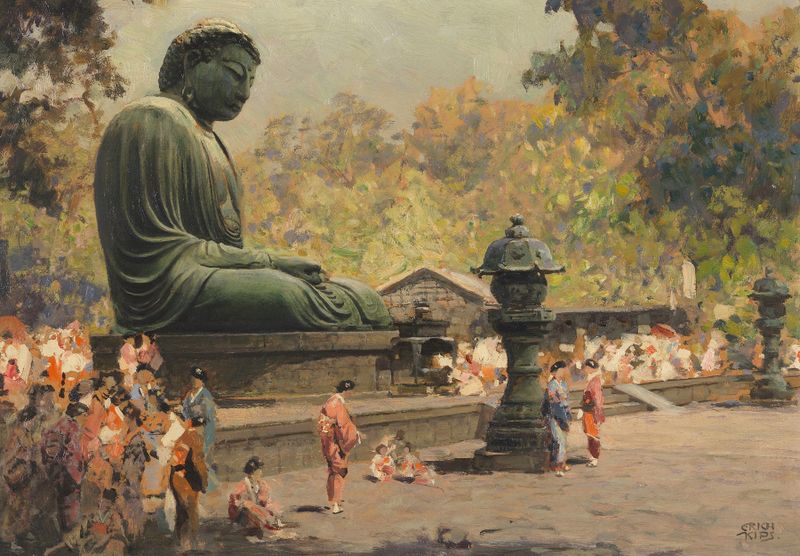
The great Buddha (Daibutsu) in Kamakura, Japan
Erich Kips
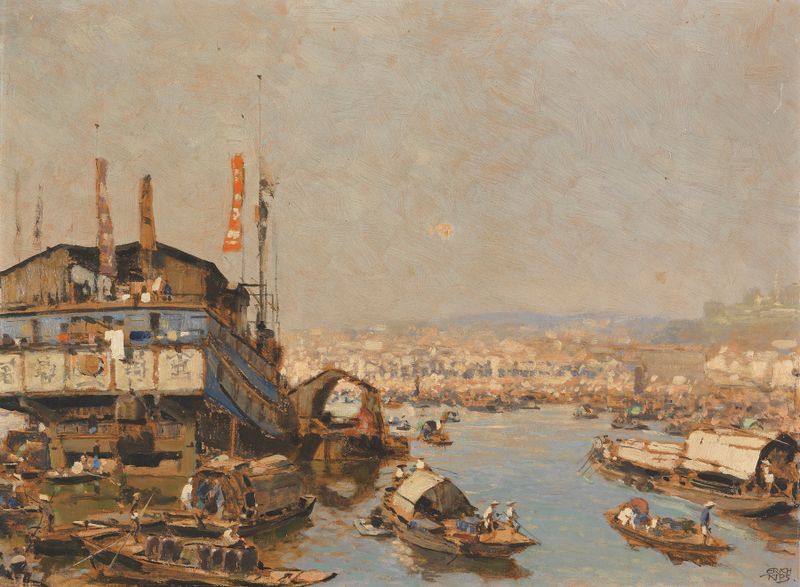
Singapore Harbor
Erich Kips





