
The Great Mosque of Kairouan – Tunis. — History & Facts
In an age marked by turmoil, creativity often serves as a refuge, a silent witness to violence and hope alike. Look closely at the intricate façade of the mosque, where the warm ochres and deep browns blend seamlessly into the surrounding landscape. The arched doorways, framed by delicate details, draw your gaze inward while casting elongated shadows that whisper of history. Notice how the light dances upon the textured stone, illuminating the sacred space yet evoking an eerie stillness — a reminder of both reverence and conflict. The blending of historical grandeur with the sparse surroundings hints at deeper emotional tensions.
Each arch seems to cradle untold stories, a testament to the passage of time amidst chaos. The stark contrast between the mosque’s serene beauty and the desolation beyond its walls speaks of resilience, yet it also evokes a sense of vulnerability. The viewer is left contemplating the fragile coexistence of faith and turmoil, each element a reflection of a complex narrative. Jan Ciągliński created this work in 1911, during a period of great change in Europe and North Africa.
As the world grappled with rapid modernization and the shadows of colonialism loomed large, the artist sought to capture the essence of a place steeped in history. His choice of subject reflects a moment where traditional values faced the encroachment of modernity, a sentiment echoed in the broader artistic currents of the time that often oscillated between celebration and critique.
More Artworks by Jan Ciągliński
Browse all →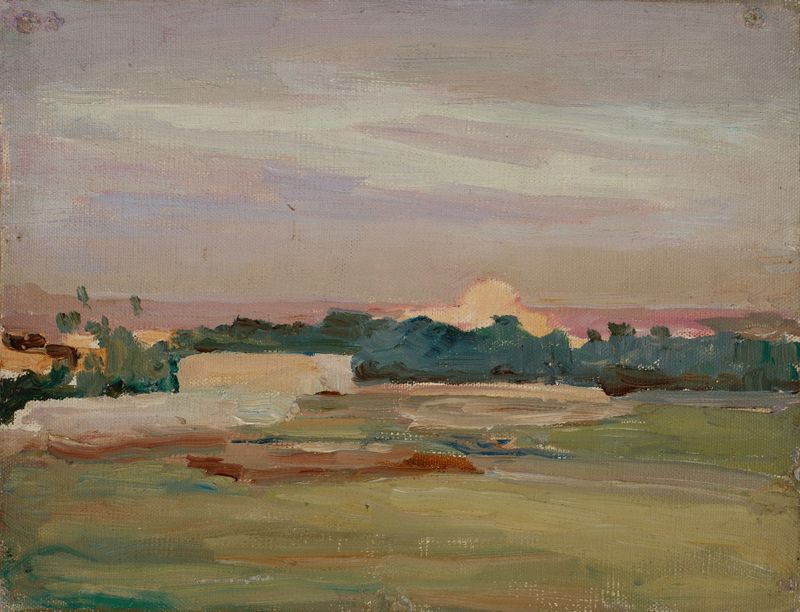
The Sirocco
Jan Ciągliński
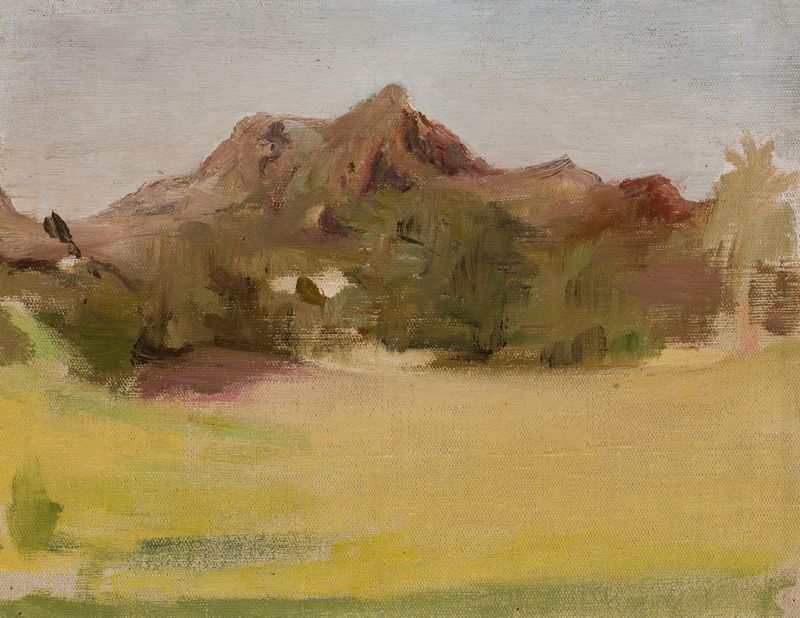
Mountain landscape. From the journey to India
Jan Ciągliński
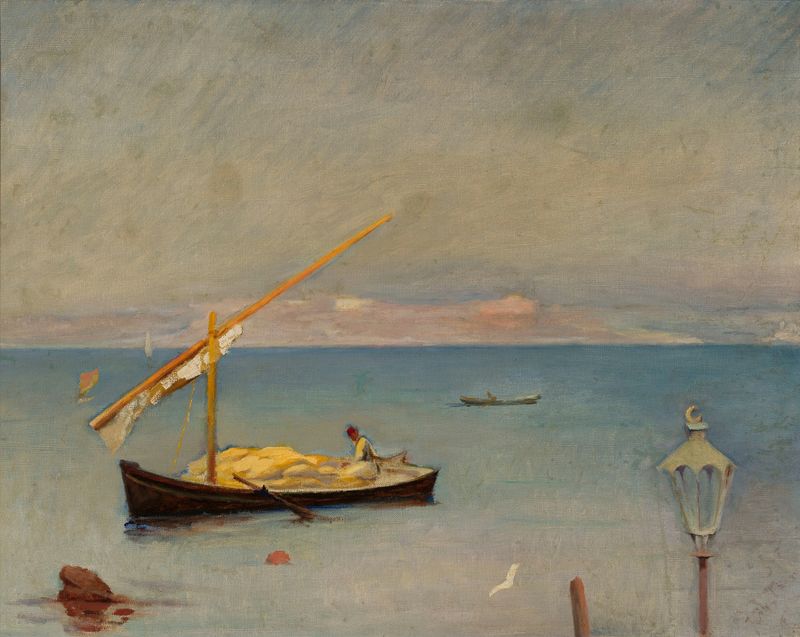
At Bosporus
Jan Ciągliński
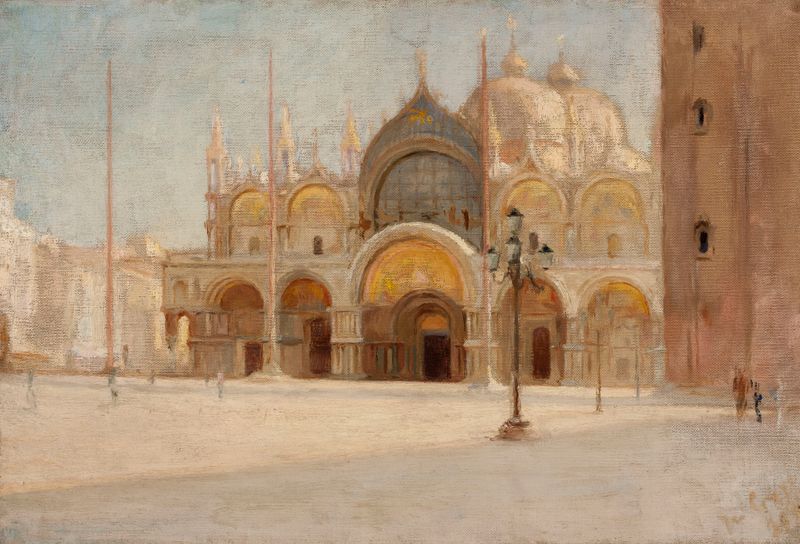
St Mark’s Square in Venice
Jan Ciągliński
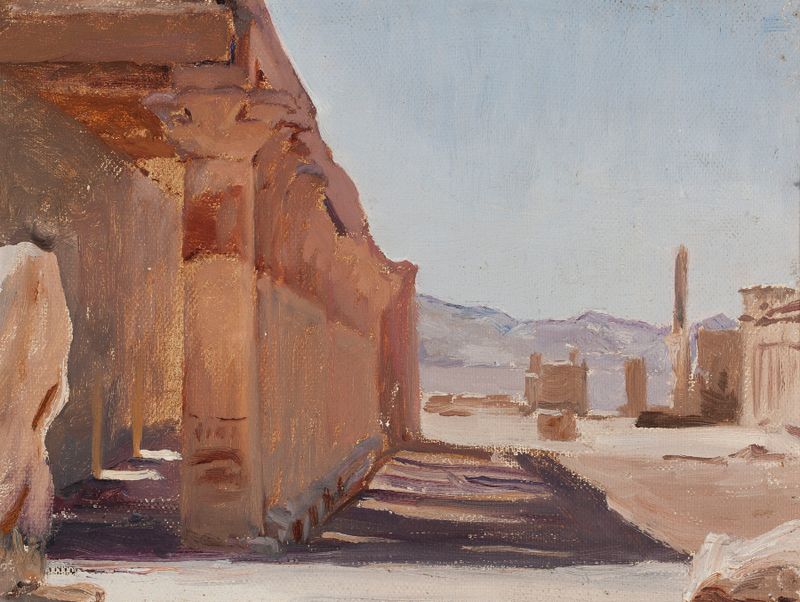
Temple. From the journey to Egypt
Jan Ciągliński
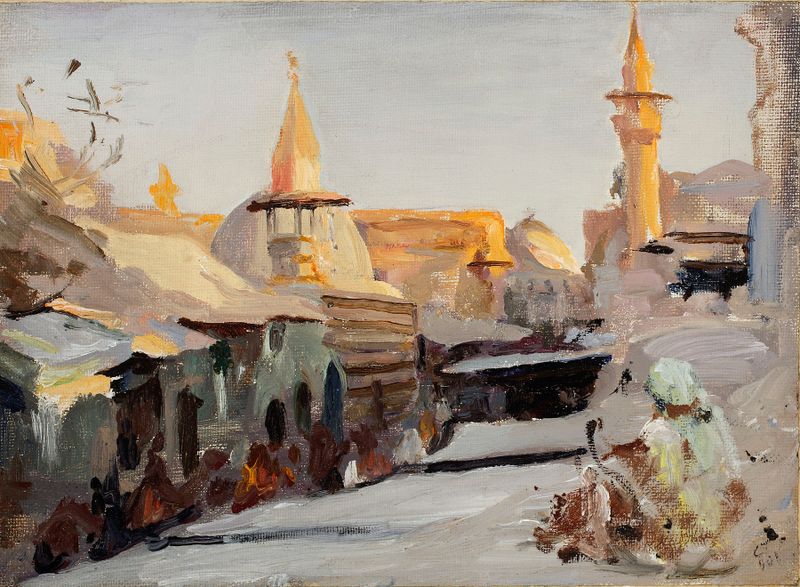
Street in Damascus. From the journey to Palestine
Jan Ciągliński
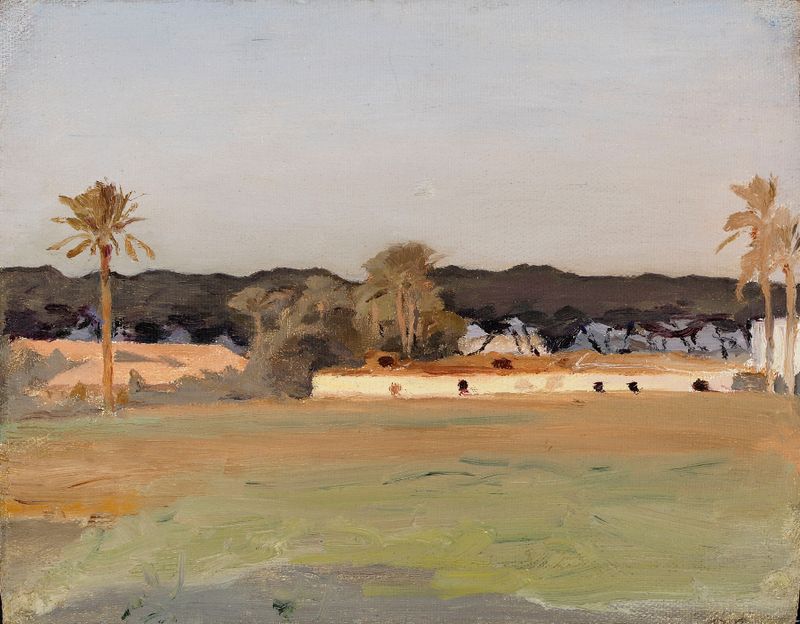
Evening. From the journey to Egypt
Jan Ciągliński
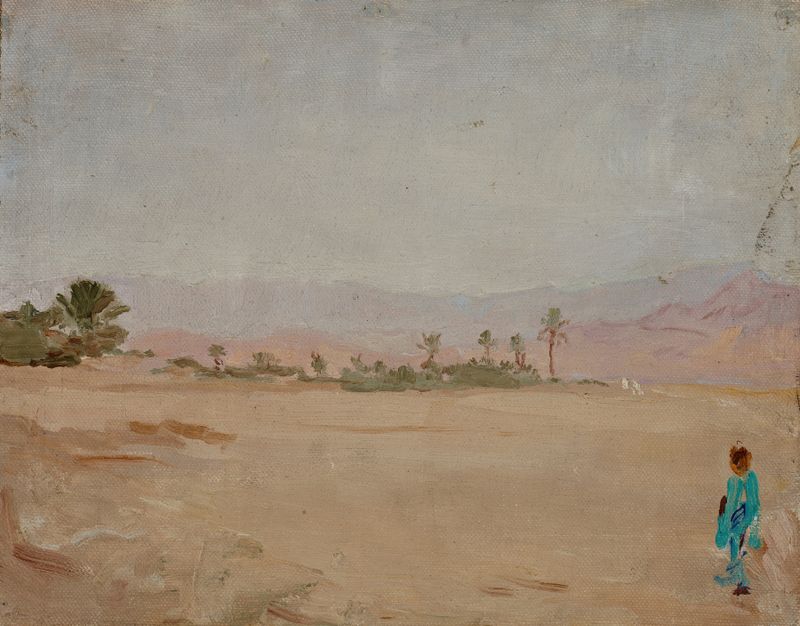
Sahara (Desert)
Jan Ciągliński
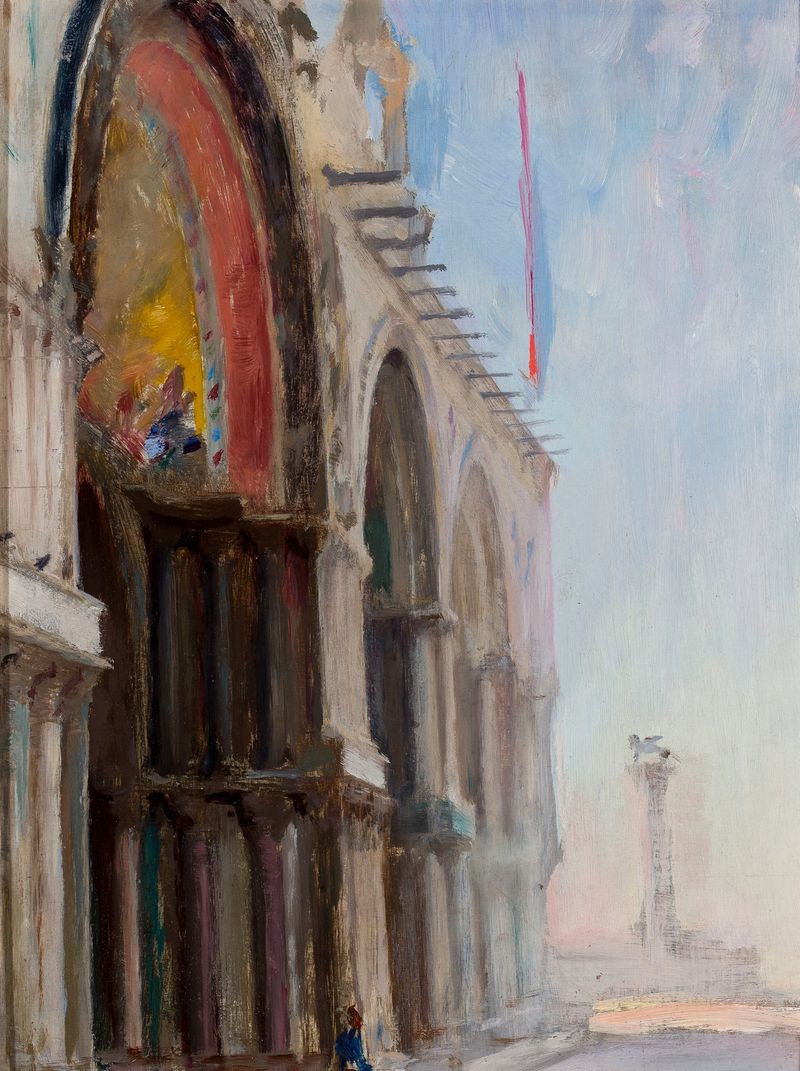
Venice – San Marco. From the journey to Italy
Jan Ciągliński
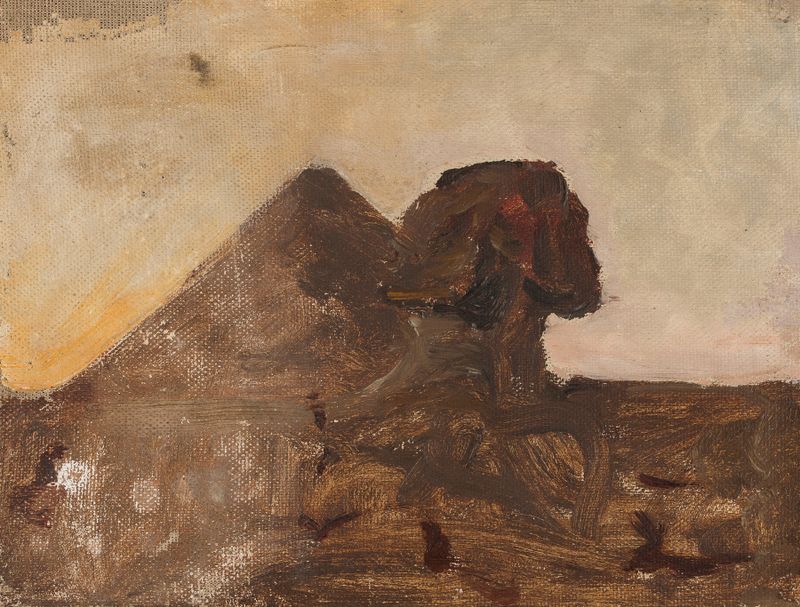
Evening in the desert – Sphinx and pyramid. From the journey to Egypt
Jan Ciągliński
More Architecture Art
Browse all →
The statue of Liberty
Frédéric Auguste Bartholdi

View of Houses in Delft, Known as ‘The Little Street’
Johannes Vermeer

View of Houses in Delft, Known as ‘The Little Street’
Johannes Vermeer

The Cathedral in Rouen. The portal, Grey Weather
Claude Monet

The yellow house
Vincent van Gogh

The Church in Auvers-sur-Oise, View from the Chevet
Vincent van Gogh