
The Harbour of Le Havre — History & Facts
It is a haunting reminder that obsession often dwells in the unspoken, waiting to be unveiled by the keen observer. Look to the center of the canvas, where the shimmering blues and greens of the water draw the eye towards the bustling harbor. Notice how the brushstrokes blend together, creating movement that invites your gaze to roam across the surface. The stark contrast of the boats—some languidly bobbing, others firmly anchored—mirrors the tension between rest and activity, structure and chaos.
The light dances upon the waves, illuminating the fleeting moments of daily life in a coastal town, coaxing out details in the shadows that lurk beneath the vivid colors. Delve deeper, and you'll find hidden narratives in the interplay of shapes and colors. The angular forms of the boats not only serve as vessels of trade but also represent the underlying ambitions of those who inhabit this world, reflecting aspirations and dreams that propel them forward. The vibrancy of the palette contrasts sharply with the stillness of the harbor's waters, suggesting an obsession with both progress and stagnation—an exploration of human nature itself.
Each stroke is laden with the artist's desire to capture this delicate balance, revealing the complexity of existence in a single frame. In 1921, Othon Friesz painted this piece during a transformative period in his life, shortly after moving to Le Havre. The post-World War I art scene was brimming with new ideas and movements, and he was heavily influenced by the colors and techniques of Fauvism. This work reflects not only a personal connection to his surroundings but also the collective yearning for renewal and the exploration of modern life, as artists sought to break away from traditional forms and embrace the vibrancy of the contemporary world.
More Artworks by Emile Othon Friesz
Browse all →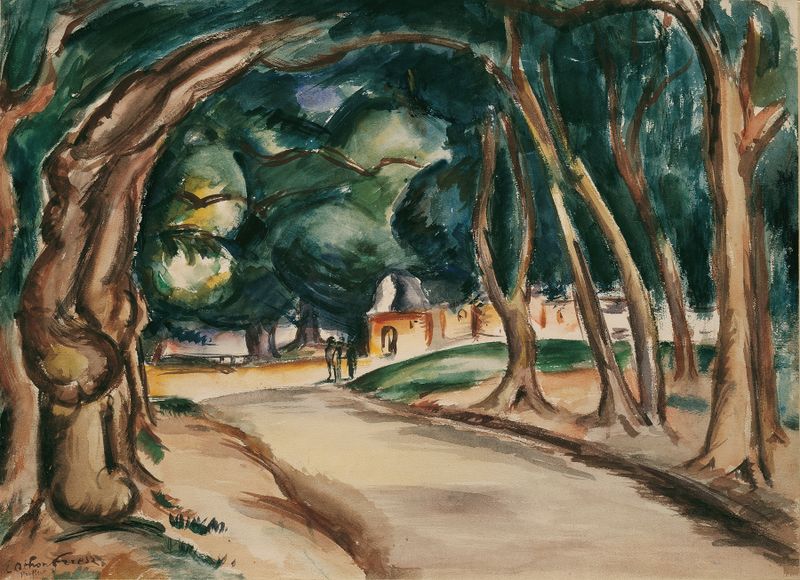
Allee
Emile Othon Friesz
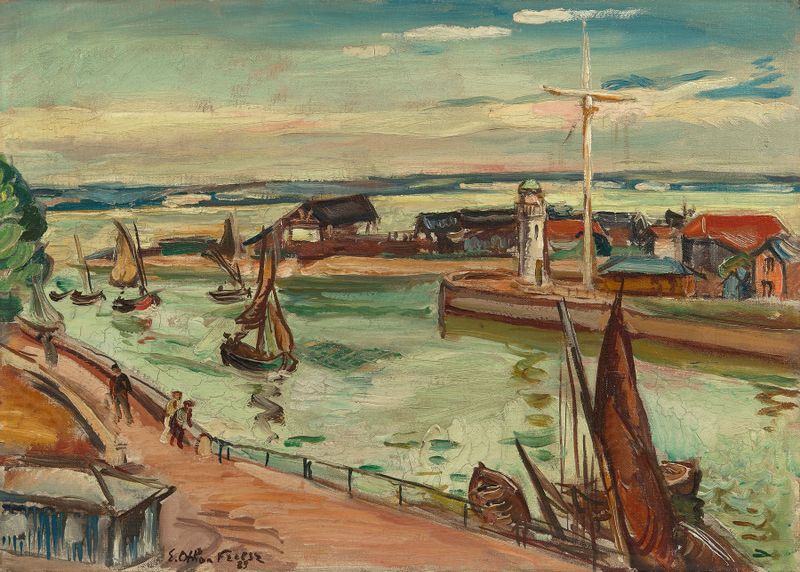
Sortie de port à Honfleur
Emile Othon Friesz
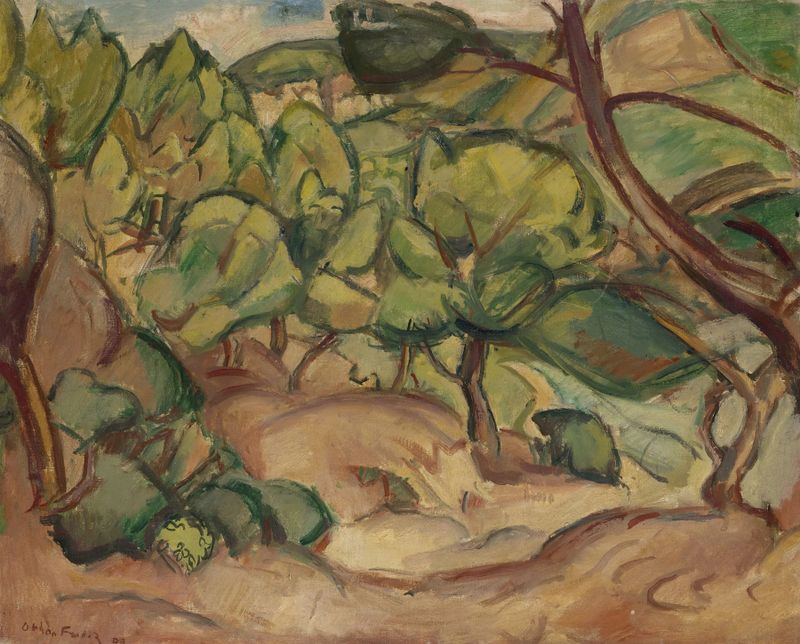
Dans les pins
Emile Othon Friesz
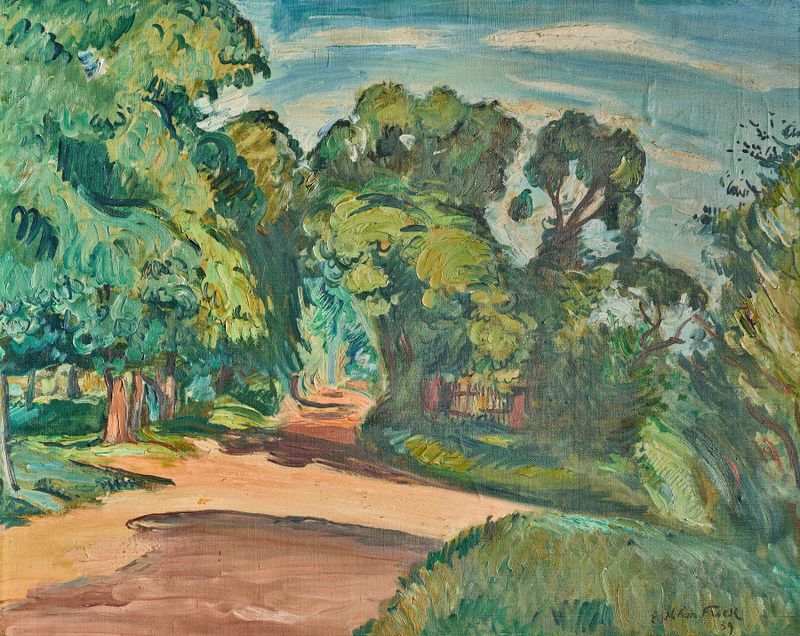
La croisée des chemins
Emile Othon Friesz
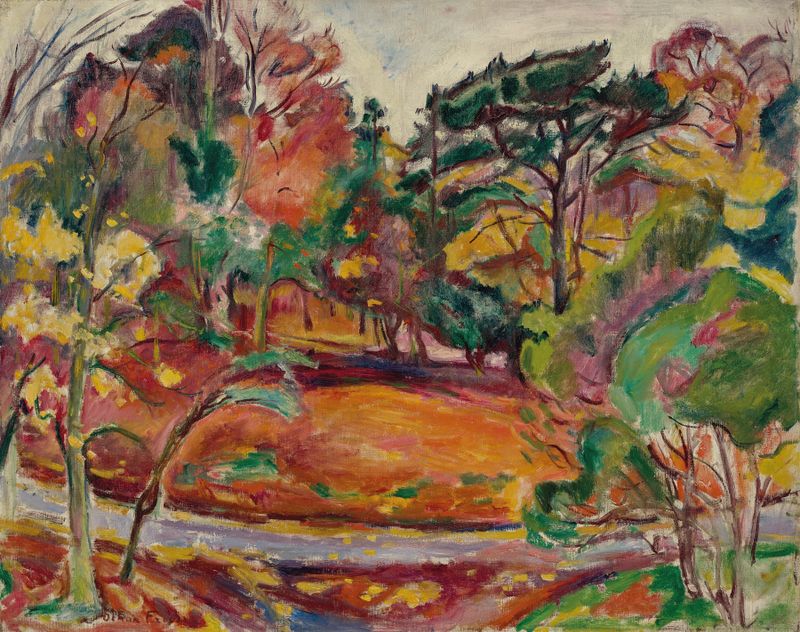
Automne à Honfleur, la Côte de Grâce
Emile Othon Friesz
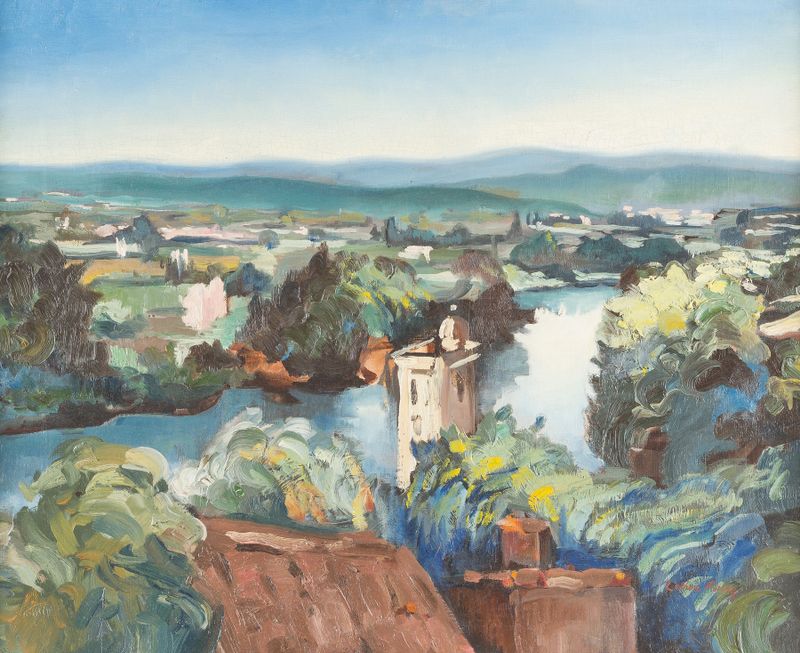
View to the horizon
Emile Othon Friesz
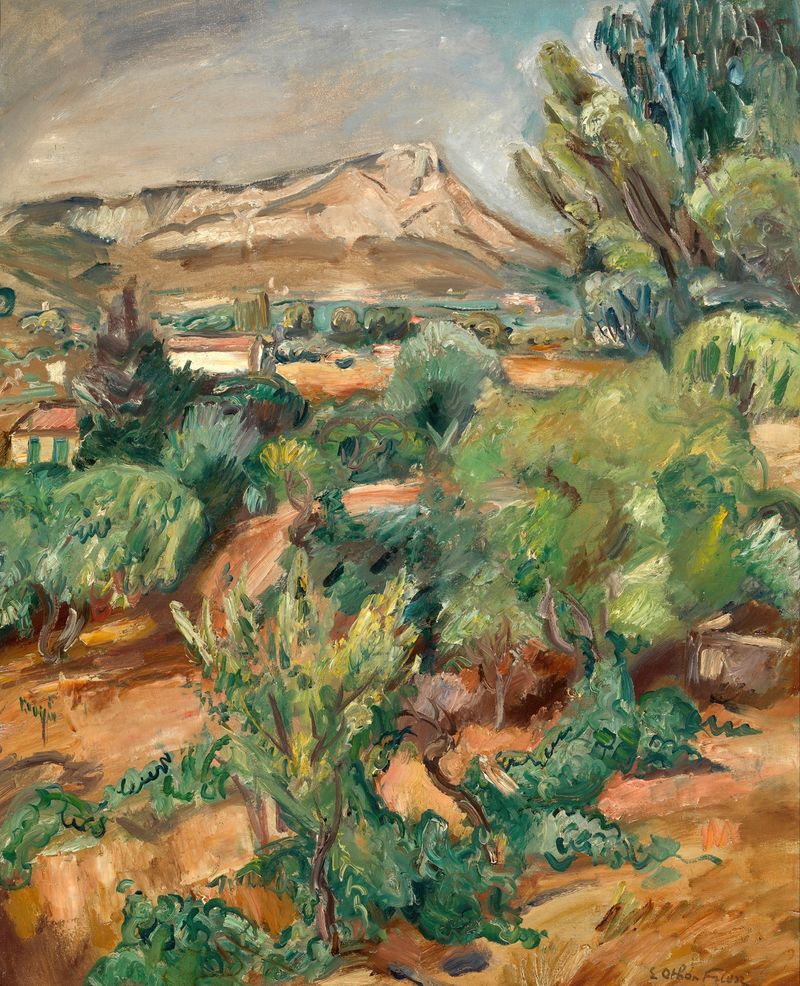
The Mountain Coudon Seen from Cap Brun
Emile Othon Friesz
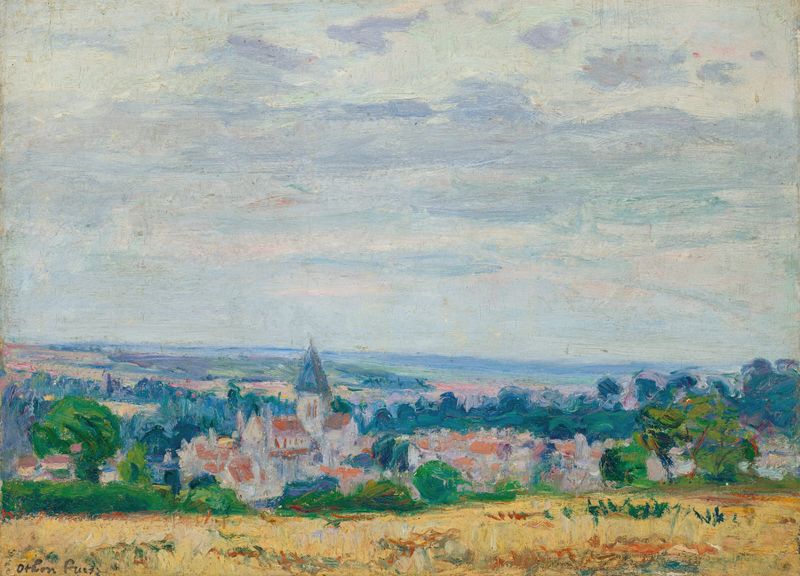
Falaise
Emile Othon Friesz
La Seine À Paris, La Tour Eiffel, Le Jour
Emile Othon Friesz
Falaise
Emile Othon Friesz





