
The Herepad in the Haagse Bos — History & Facts
In the quiet embrace of a dream, one can find solace, captured eternally on canvas. It invites us to wander through realms where nature and imagination entwine in a delicate dance. Look to the center of The Herepad in the Haagse Bos, where a serene path emerges, inviting the viewer into a lush, verdant dreamscape. The soft greens and earthy browns envelop the scene, illuminated by dappled sunlight filtering through a canopy of trees.
The painter’s deft brushwork captures the texture of the leaves and the undergrowth, creating a tactile quality that draws the eye toward the tranquil composition. This lush tranquility contrasts with the figures that meander through the scene, whose gestures suggest a moment suspended in time, a fleeting interaction that hints at stories untold. Amidst the harmonious blend of nature and figures lies a subtle tension — the juxtaposition of human presence against the timeless embrace of the forest. The figures are small, almost swallowed by the expansive greenery, reflecting our transient existence in the vastness of nature.
Each brushstroke is laden with a sense of peace, yet whispers of solitude resonate as if to remind us of the dreams we chase and the essence of life that often eludes us. In 1778, Paulus Constantijn la Fargue painted this piece during a period marked by a growing interest in capturing the beauty of nature in the Dutch landscape tradition. He was absorbed in the art of serene depictions, influenced by the idyllic ideals of the era, as Europe faced the turbulent winds of change. This work serves as a testament to his skill, inviting viewers to contemplate their own relationship with nature and dreams within this tranquil realm.
More Artworks by Paulus Constantijn la Fargue
Browse all →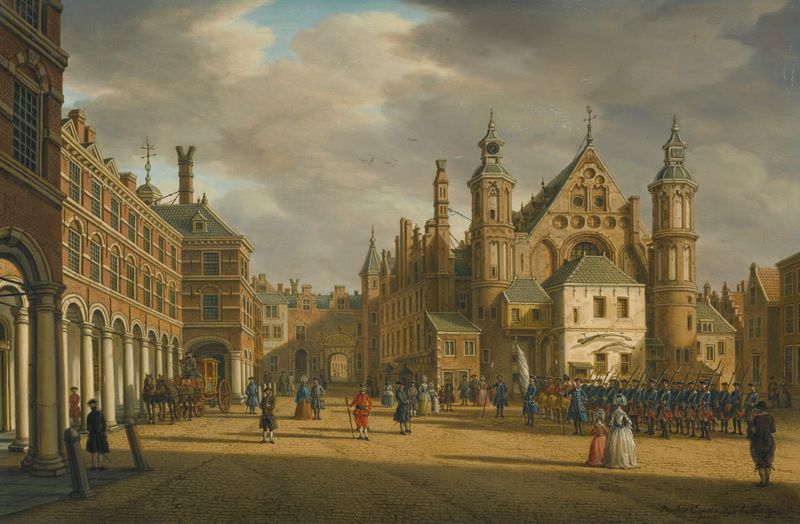
The Hague, A View Of The Binnenhof Looking North With The Ridderzaal
Paulus Constantijn la Fargue
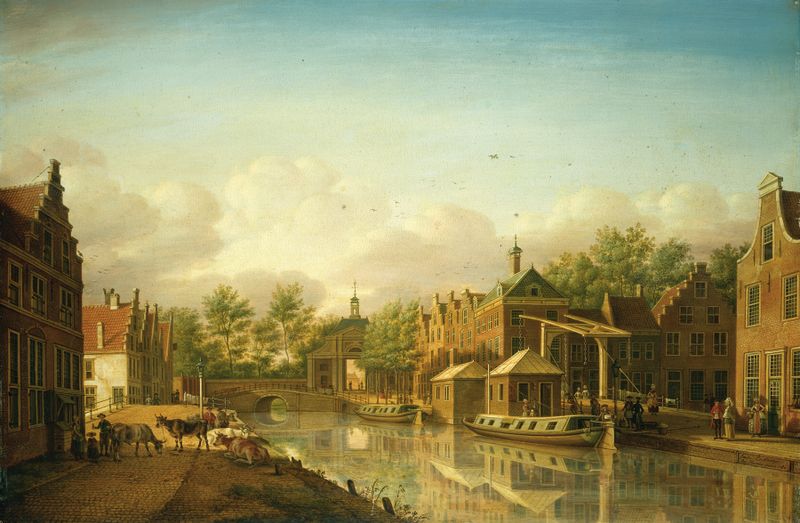
The Haarlem Gate in Leyden as Seen From the City
Paulus Constantijn la Fargue

A View Of Marepoort, Leiden
Paulus Constantijn la Fargue
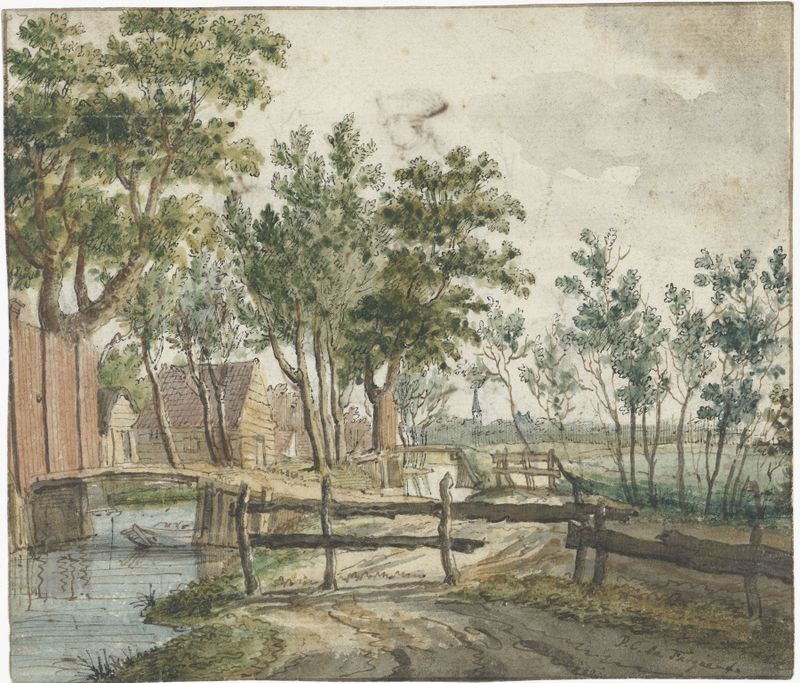
Landelijk vaart bij Voorburg
Paulus Constantijn la Fargue
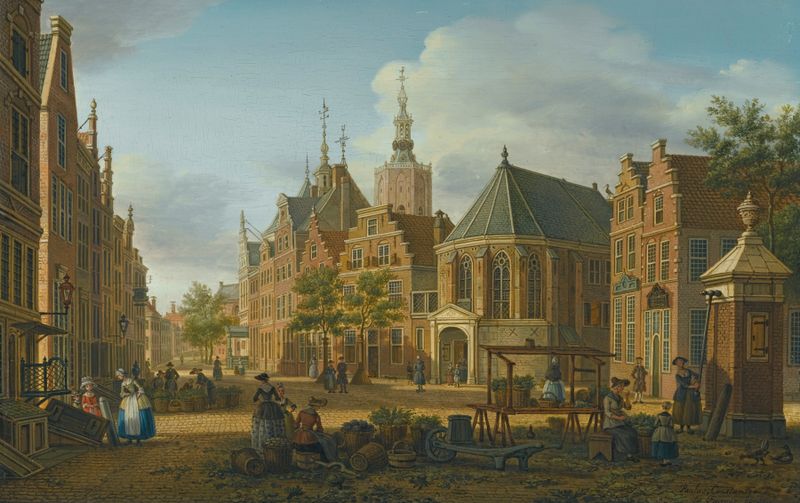
The Hague, A View Of The Groenmarkt Near The Westeinde Looking West
Paulus Constantijn la Fargue
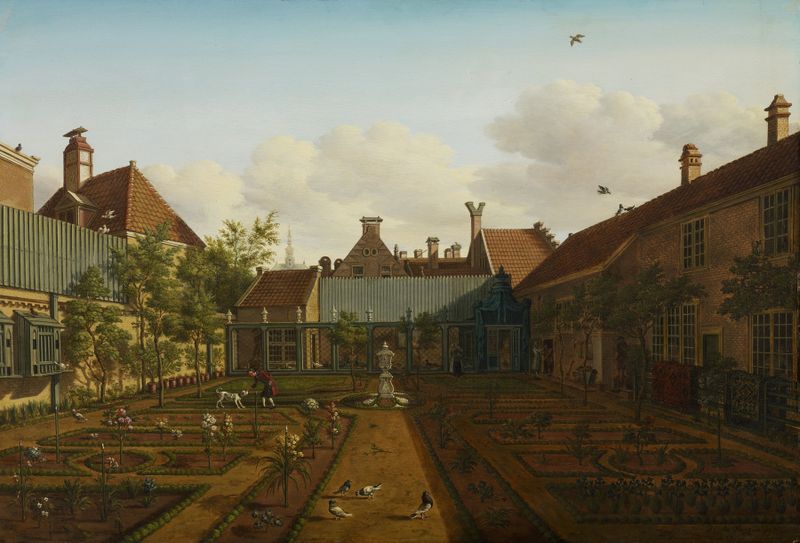
View of a Town House Garden in The Hague
Paulus Constantijn la Fargue
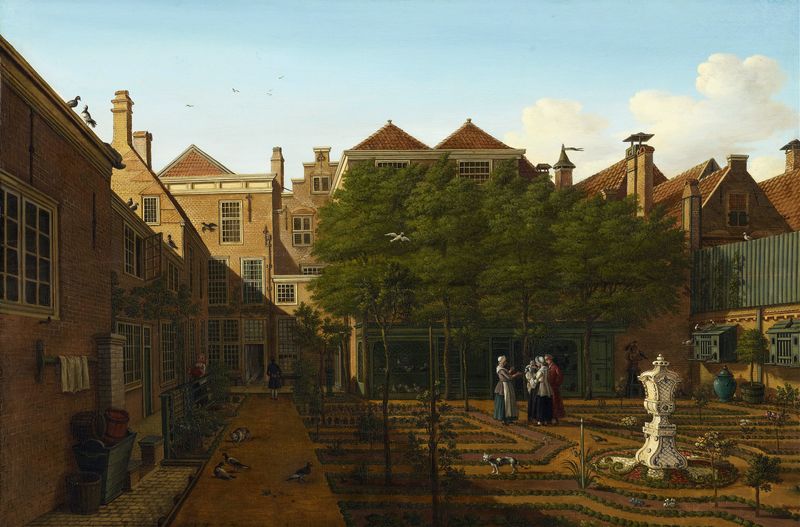
View of a Town House Garden in The Hague
Paulus Constantijn la Fargue
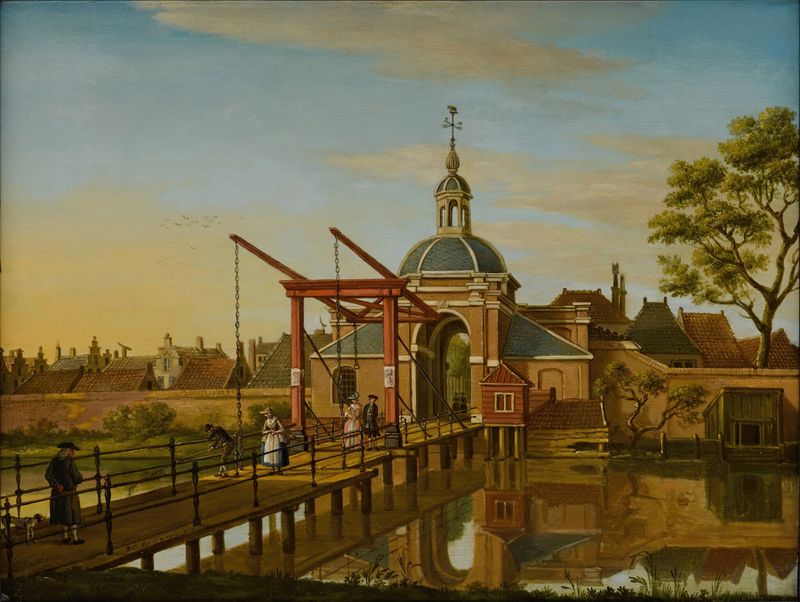
Leiden, a view of Koepoort, seen from the road to Zoeterwoude
Paulus Constantijn la Fargue
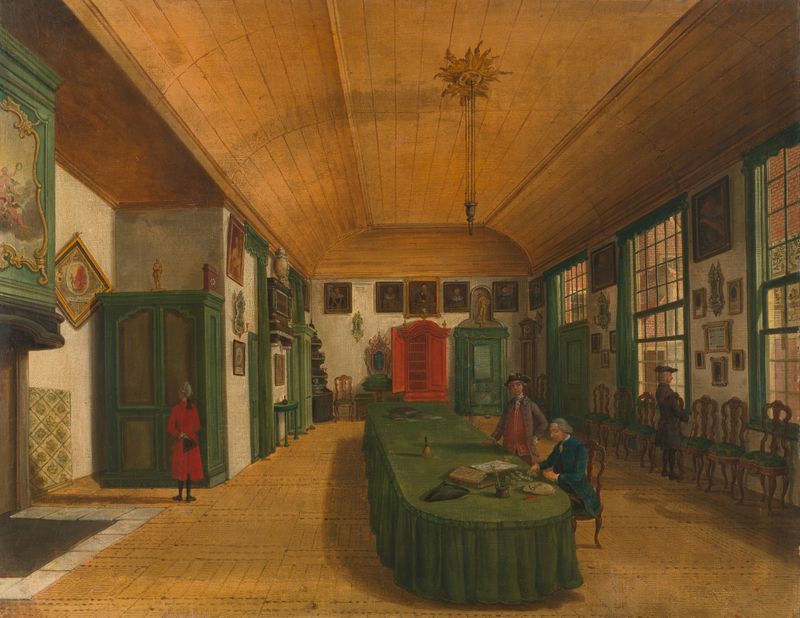
The Hall of the Artistic Society 'Kunst wordt door Arbeid verkregen' (Art is Acquired through Labor) in Leiden
Paulus Constantijn la Fargue
A View Of Morspoort, Leiden
Paulus Constantijn la Fargue





