
The Hermit (Il solitario) — History & Facts
Can beauty exist without sorrow? In The Hermit, John Singer Sargent explores the poignant intersection of introspection and isolation, inviting the viewer to contemplate the depths of solitude. To truly appreciate this work, focus first on the figure seated among the craggy rocks. The hermit, cloaked in deep hues of brown and green, evokes a sense of earthiness that grounds the composition. His gaze is turned inward, almost lost amidst the shadows that play against his weathered skin.
Notice how the warm sunlight filters through the sparse foliage, casting dappled patterns that dance across his contemplative expression, illuminating both his physical presence and the emotional weight he carries. Delve deeper, and you’ll find that each element in the painting serves a dual purpose. The rough textures of the rocks contrast sharply with the delicate play of light, mirroring the hermit's tension between his rugged existence and the fleeting moments of beauty he encounters. Sargent emphasizes this duality through the rich, muted color palette, suggesting that beauty, while present, is often tinged with a whisper of sadness.
The surrounding wilderness serves not just as a backdrop but as a metaphor for the hermit's inner turmoil, illustrating how isolation can cultivate profound insights alongside an ache for connection. In 1908, Sargent was living in England, having transitioned from his illustrious career as a portraitist to explore more personal themes. This period marked a significant shift in his artistic focus, influenced by the growing interest in introspective subjects among his contemporaries. As the world teetered on the brink of modernity, Sargent captured not merely a solitary figure but the universal experience of searching for meaning in a rapidly changing landscape.
More Artworks by John Singer Sargent
Browse all →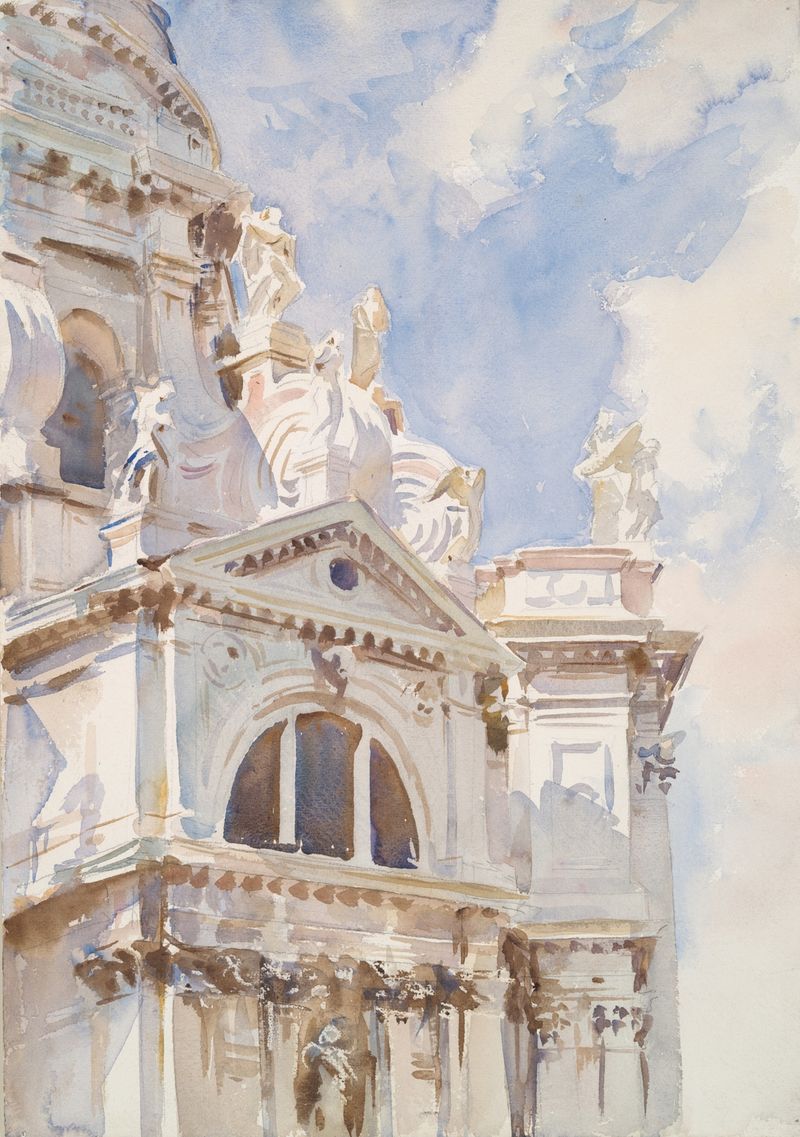
The Salute, Venice
John Singer Sargent

Mrs. Charles Deering (Marion Denison Whipple)
John Singer Sargent
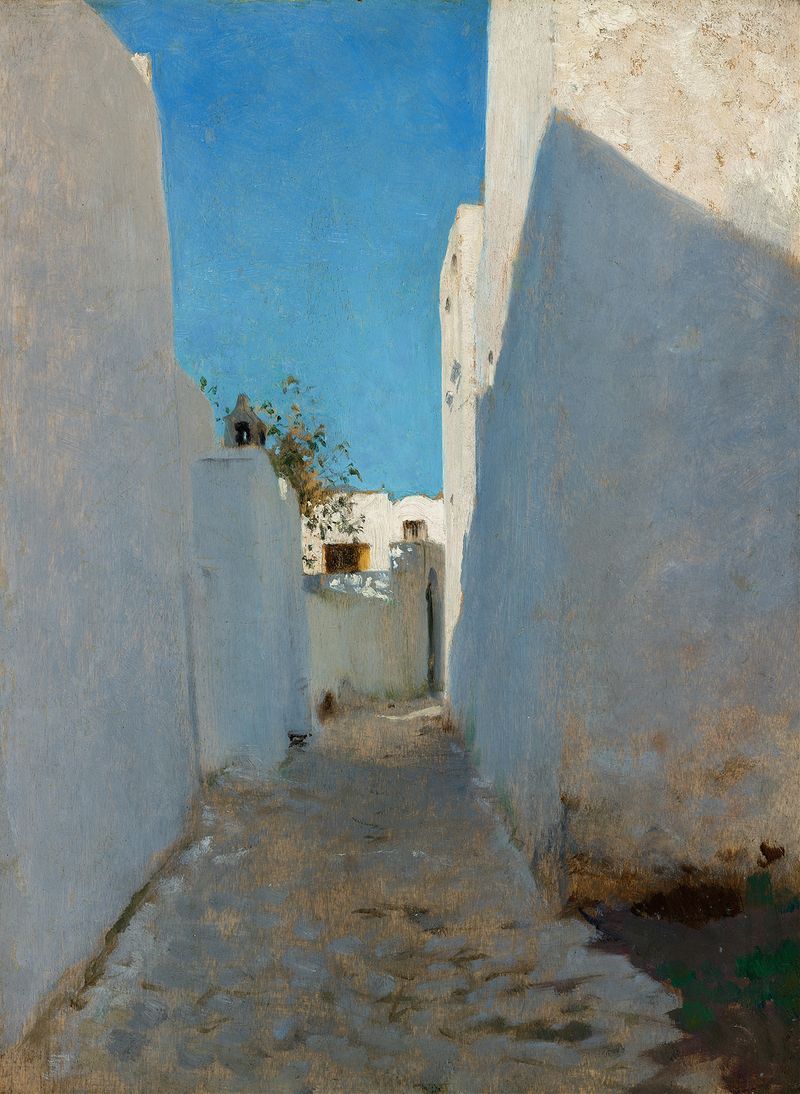
A Moroccan Street Scene
John Singer Sargent
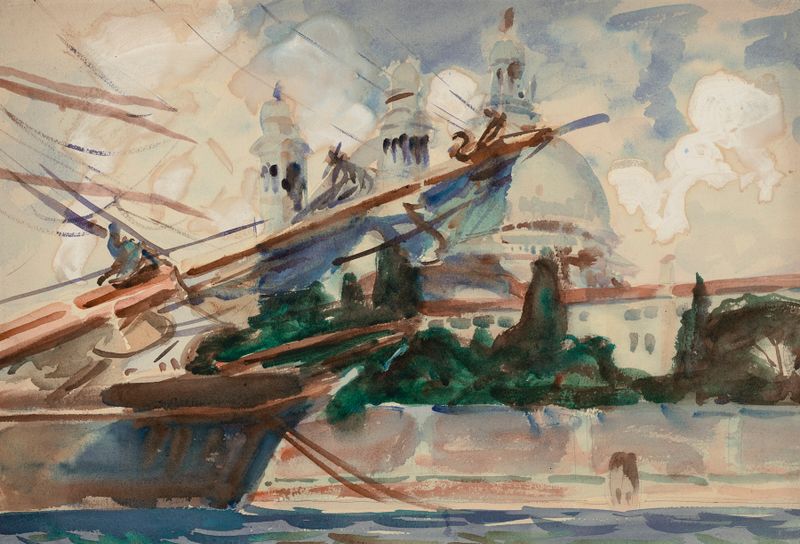
The Salute, Venice
John Singer Sargent
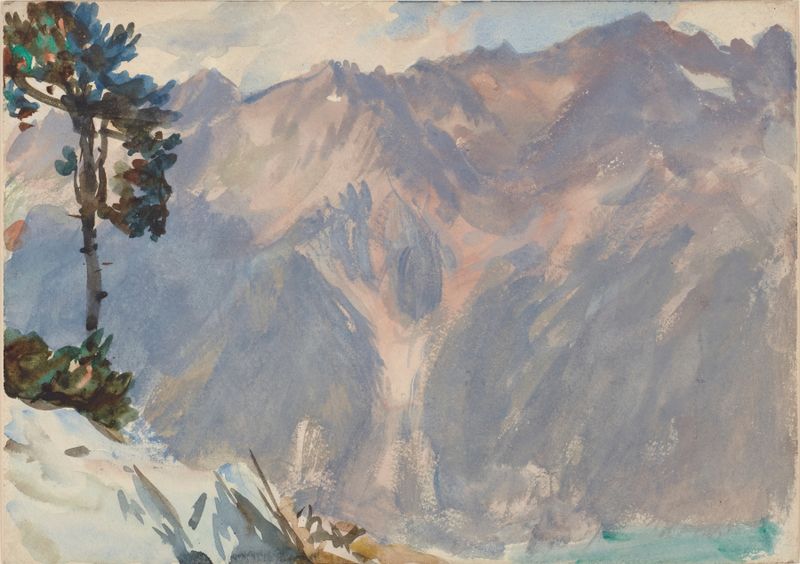
Tyrol
John Singer Sargent
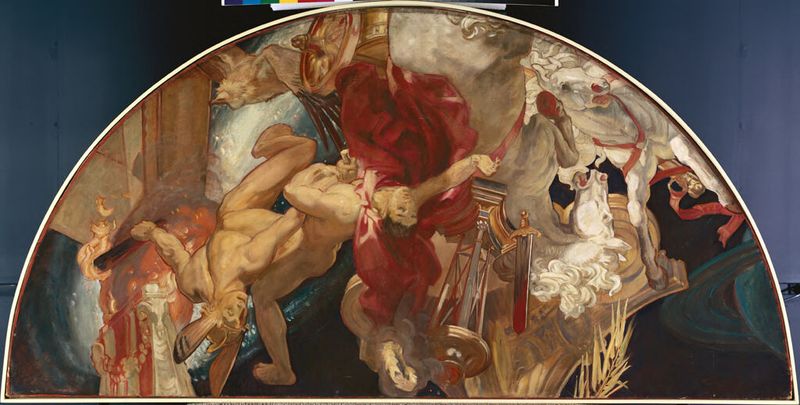
Study for "Gog and Magog," for the Boston Public Library
John Singer Sargent
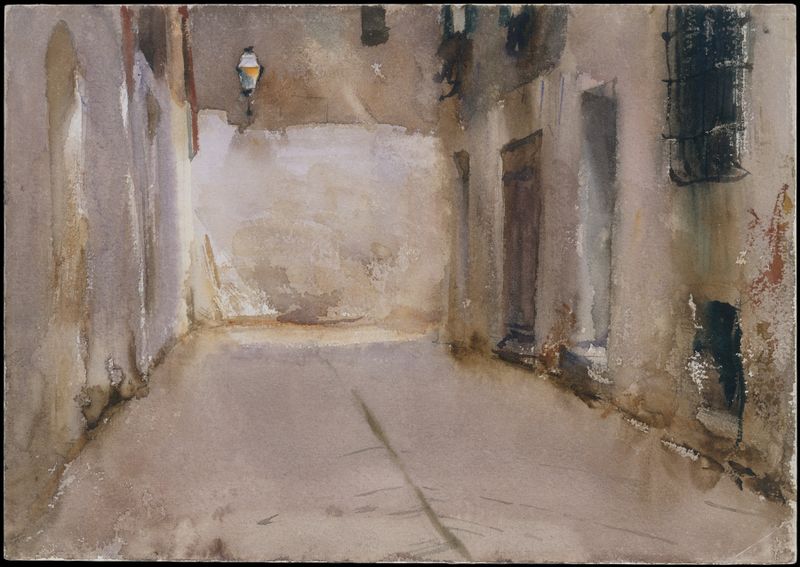
Venice
John Singer Sargent
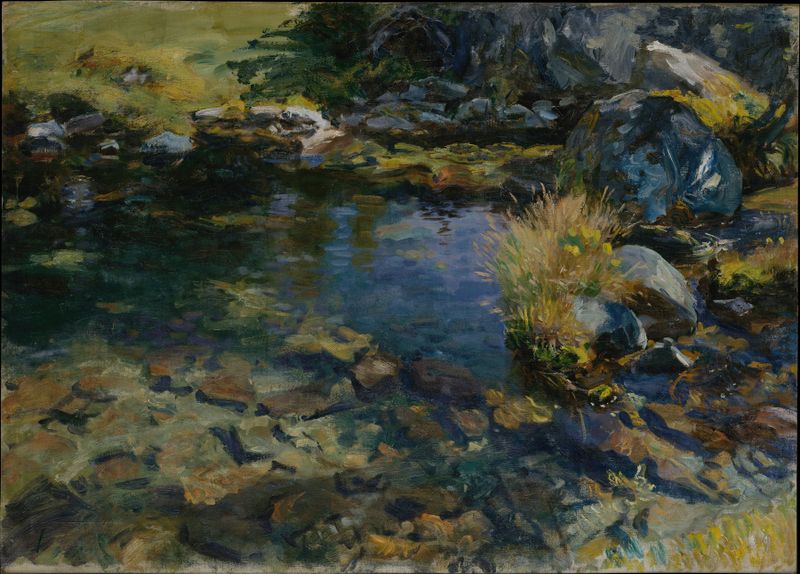
Alpine Pool
John Singer Sargent
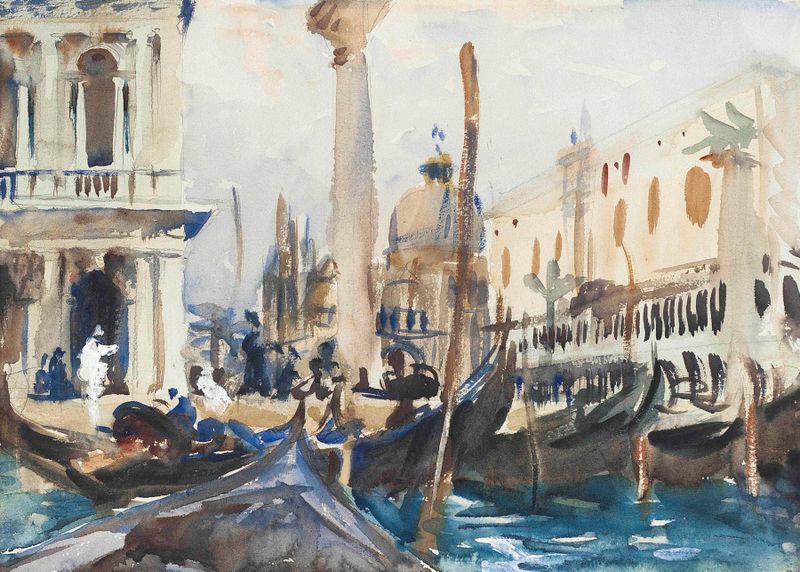
The Piazzetta with Gondolas
John Singer Sargent
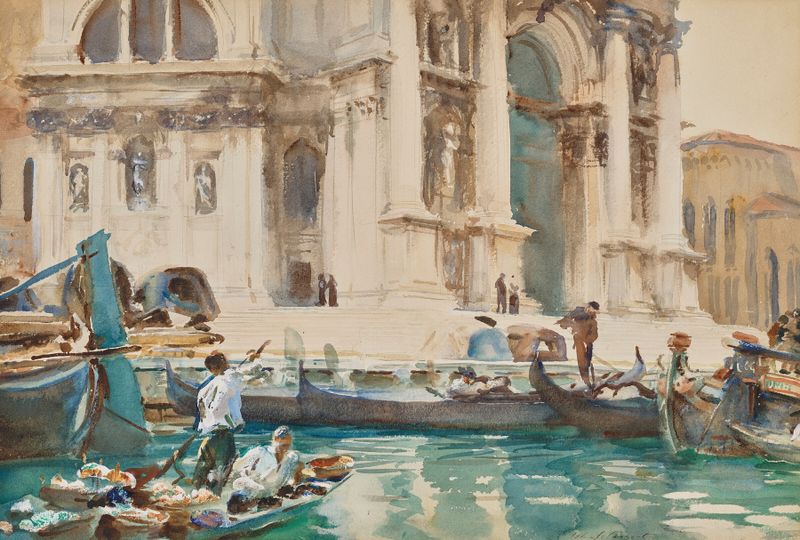
The Façade of La Salute, Venice
John Singer Sargent





