
The heyday of the Kremlin. All Saints Bridge and the Kremlin at the end of the 17 century — History & Facts
What first catches the eye is not the grandeur of the Kremlin’s towers, but the lively, everyday bustle at its feet—figures in bright robes and working garb, carts rumbling up the slope, and a boat moored at the riverbank. The heyday of the Kremlin. All Saints Bridge and the Kremlin at the end of the 17th century by Apollinari Mikhailovich Vasnetsov draws the viewer into a vision of Moscow as both fortress and living city.
The artist’s delicate handling of watercolor, charcoal, and pencil invites us to wander from the shadowed arches of the bridge, up toward the sunlit spires, and back down to the wooden houses and palisades clustered along the foreground. The sweep of the walls and the rhythm of the towers pull the gaze across the panorama, while the soft, pale sky gives the Kremlin its moment of calm dominance. This work belongs to the tradition of historical reconstruction that flourished in Russia in the late 19th and early 20th centuries, when artists and historians sought to reclaim and visualize the nation’s architectural past. Painted in 1922, and now held by the Museum of Moscow, Vasnetsov’s piece stands as a testament to this fascination with old Moscow—a city in transition, where wooden suburbs pressed against white stone walls and the skyline bristled with new and ancient domes.
Such images were often commissioned by civic institutions or collectors eager to preserve memories of a rapidly changing urban landscape. Today, history has kept few traces of these vanished neighborhoods, but Vasnetsov’s careful, almost archaeological attention to detail lets us trace the lost paths and crowded wharves—each glance revealing another story waiting in the shadows of the Kremlin.
More Artworks by Apollinari Mikhailovich Vasnetsov

Landscape With Lake
Apollinari Mikhailovich Vasnetsov
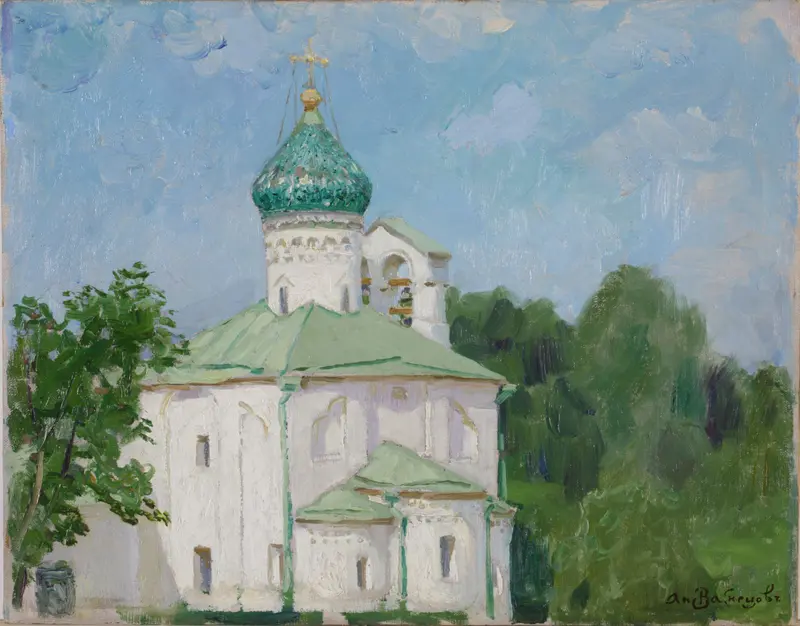
Sergius Luzhki
Apollinari Mikhailovich Vasnetsov
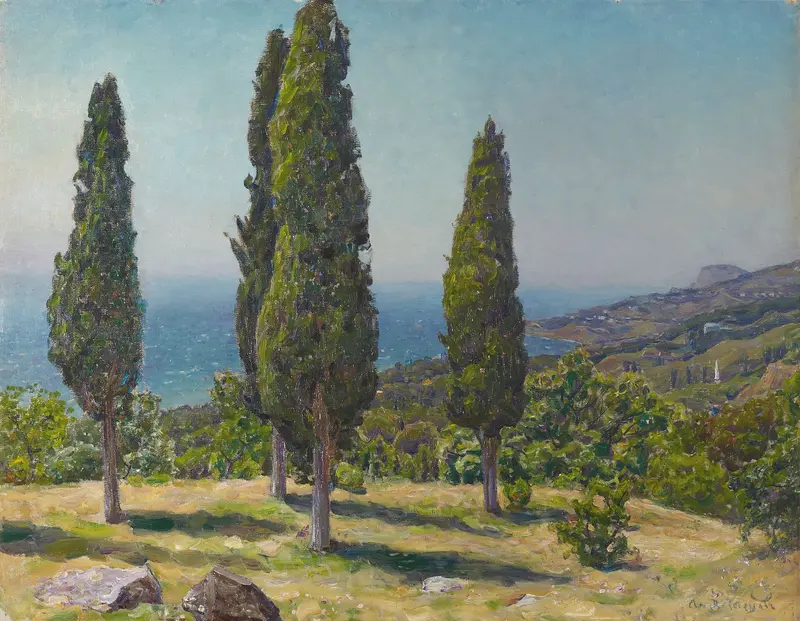
cypresses. Crimea
Apollinari Mikhailovich Vasnetsov
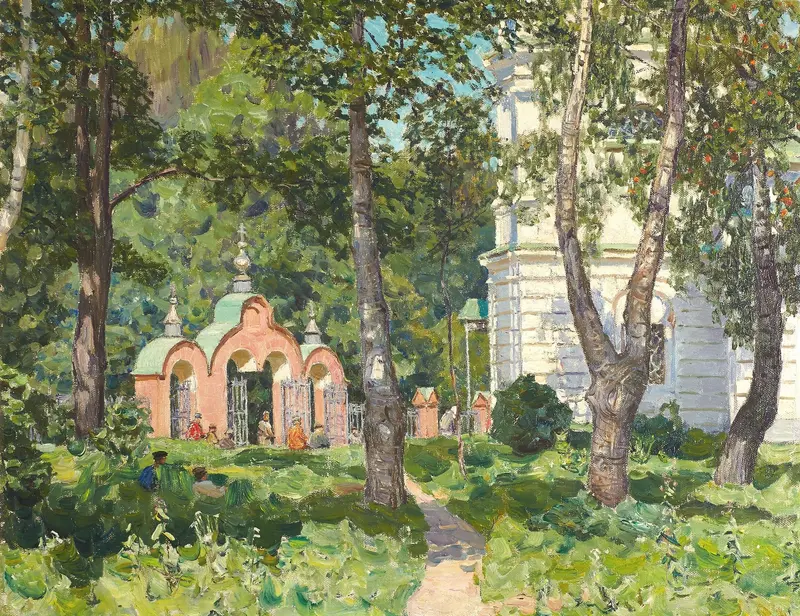
Demyanovo. At the churchyard
Apollinari Mikhailovich Vasnetsov
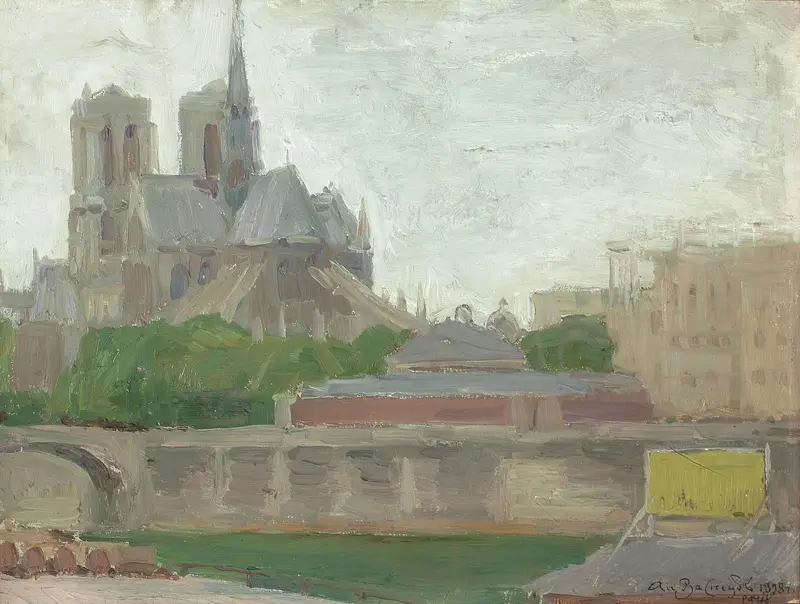
Notre Dame de Paris
Apollinari Mikhailovich Vasnetsov
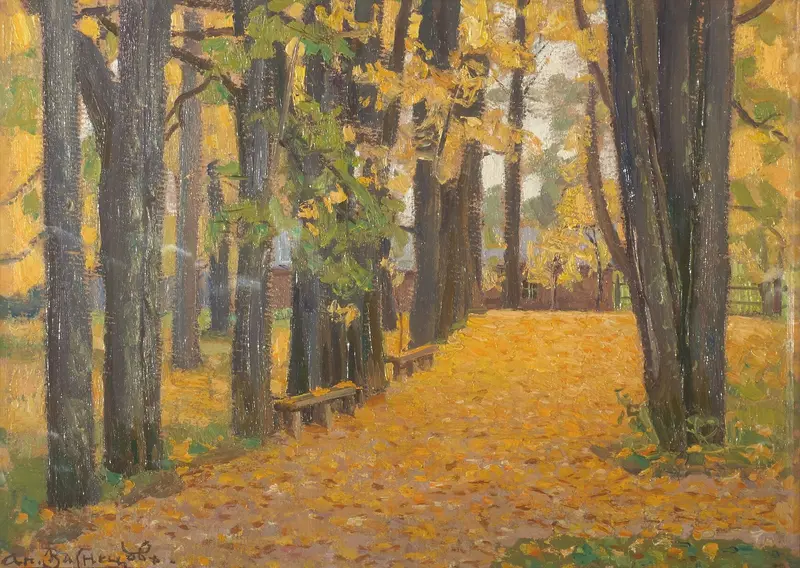
Autumn park
Apollinari Mikhailovich Vasnetsov
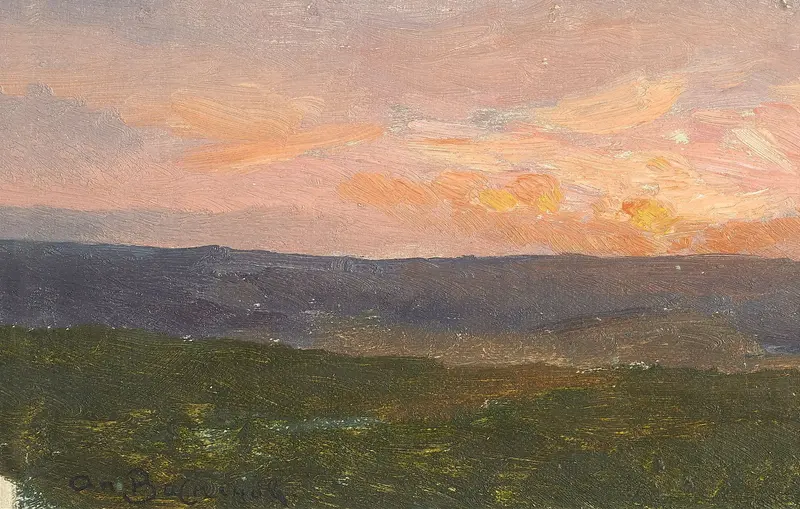
Sunset. Shurma
Apollinari Mikhailovich Vasnetsov

Via delle Tombe Pompeii
Apollinari Mikhailovich Vasnetsov
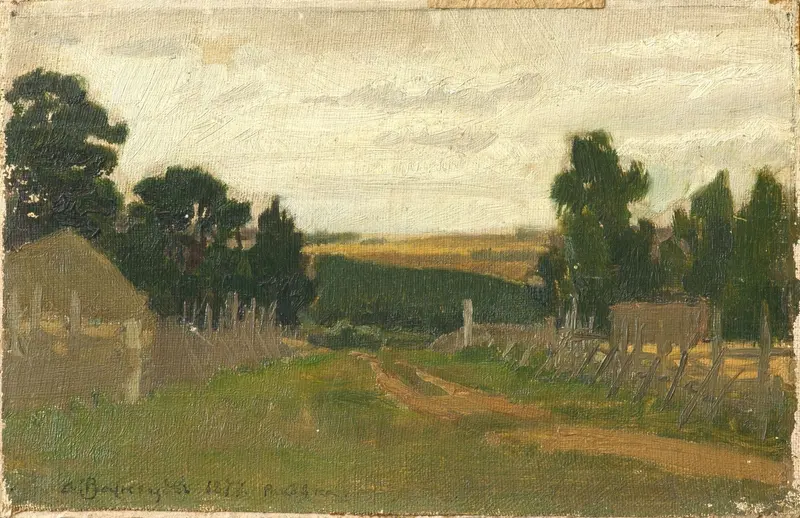
Rakovka
Apollinari Mikhailovich Vasnetsov
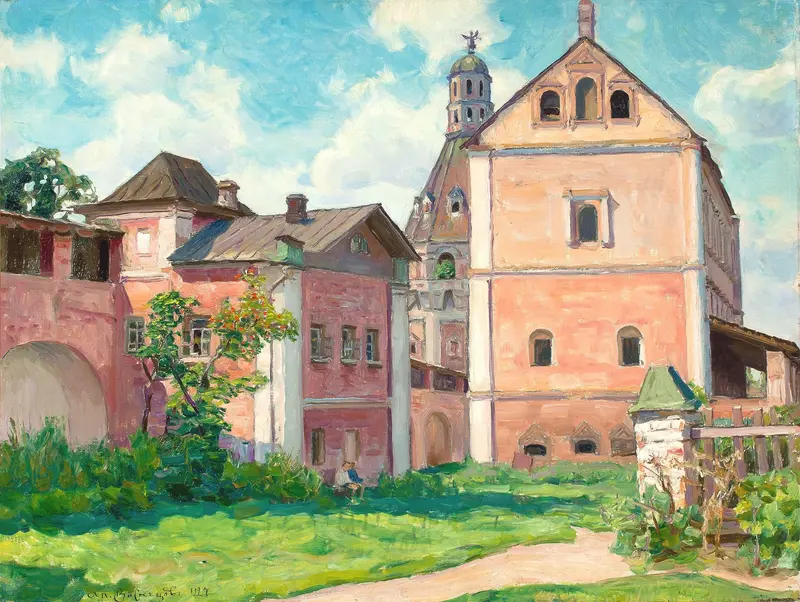
Simonov tower
Apollinari Mikhailovich Vasnetsov





