
The High Tatras in Winter — History & Facts
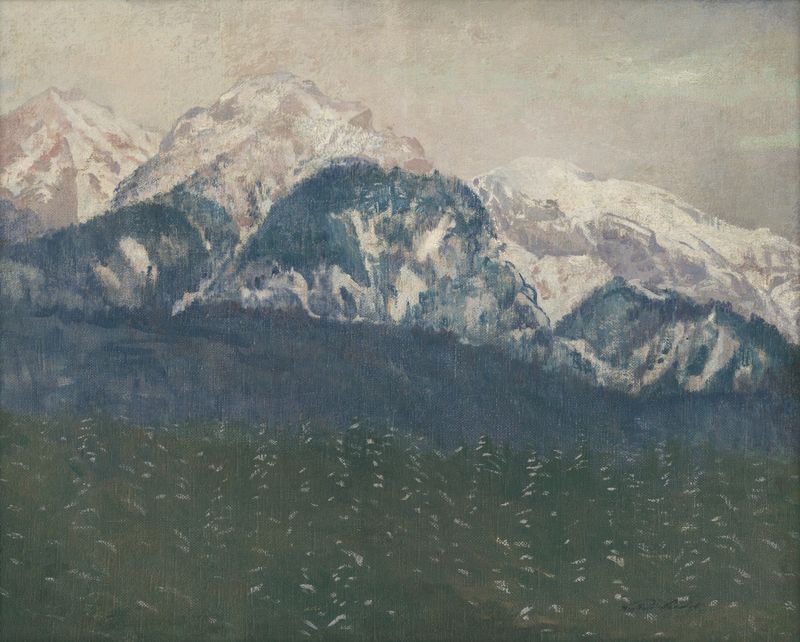
Can beauty exist without sorrow? In the heart of winter, the lofty peaks rise majestically, their snow-capped summits whispering secrets of a dreamlike realm. Look to the left at the sharp contours of the mountains, each ridge sculpted with precision against a canvas of icy blues and whites. The sky hangs heavy with a soft, diffused light that bathes the landscape, illuminating the valleys below. Notice how the delicate brushstrokes create a textured interplay between the shimmering snow and the dark, rugged rock, revealing both the harshness and the serenity that coexist in this winter tableau. As you explore the scene further, subtle contrasts emerge; the stillness of the snow is punctuated by the distant echoes of nature, a reminder of life beneath the freeze.
The almost ethereal quality of the light invites contemplation, suggesting a world where dreams and reality intertwine, hinting at the quiet solitude that winter brings. Shadows dance lightly across the surface, imbuing the landscape with a melancholic beauty, as if inviting the viewer to reflect on the transient nature of existence. Painted between 1900 and 1910, this work emerged during a time when Ferdinand Katona sought solace in nature's grandeur, often turning to the High Tatras for inspiration. The art world at the time was shifting toward modernism, but Katona remained rooted in a Romantic vision, capturing both the sublime beauty and the emotional depth of his alpine surroundings as Europe grappled with the turbulence of change.
More Artworks by Ferdinand Katona
Browse all →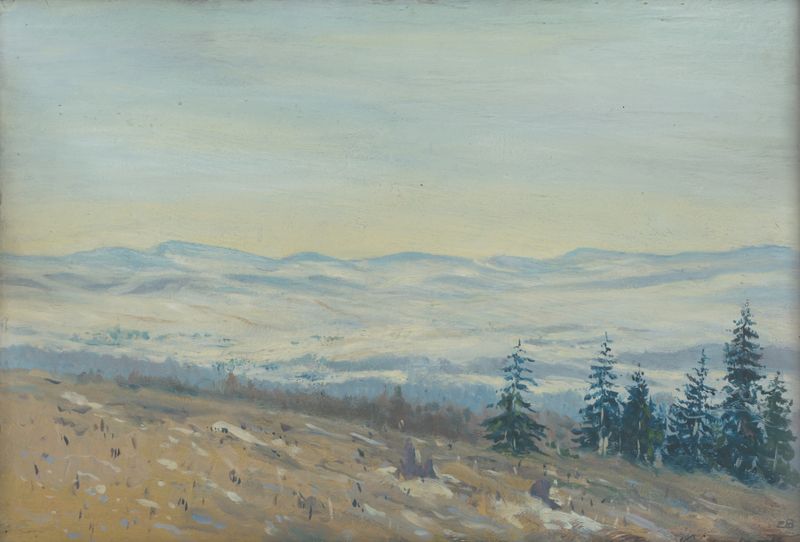
High Tatras
Ferdinand Katona
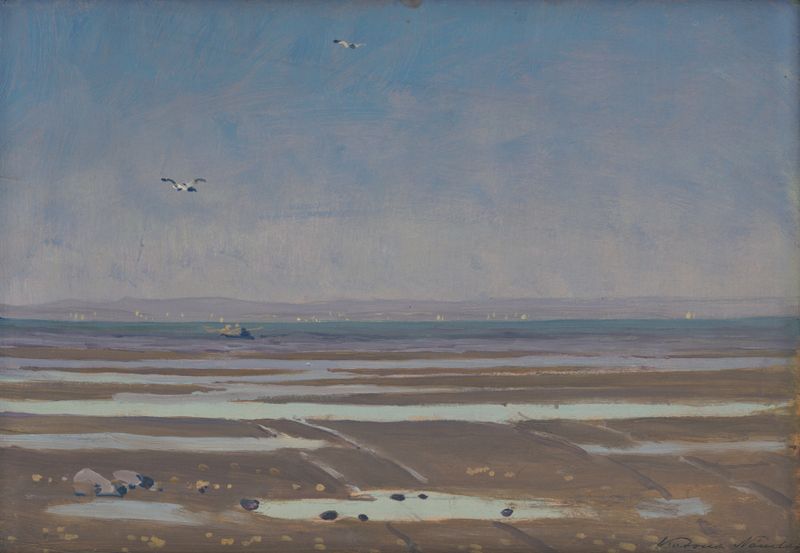
Early spring
Ferdinand Katona
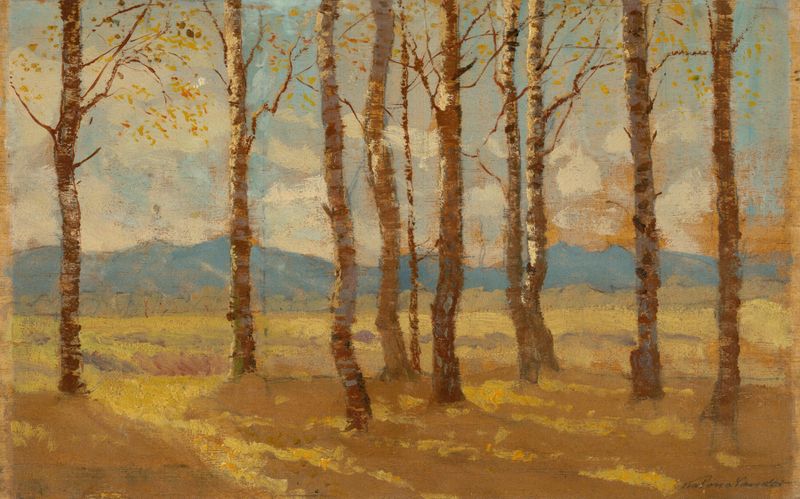
Birches in Autumn
Ferdinand Katona
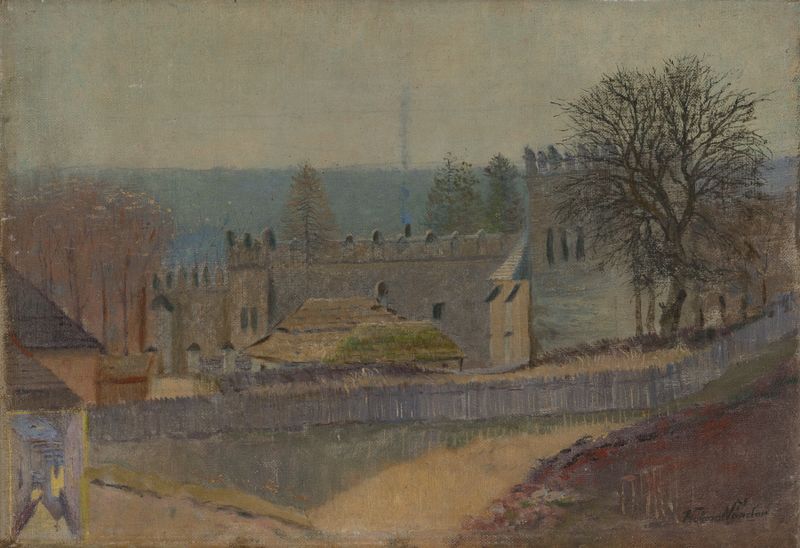
View of Strážky
Ferdinand Katona
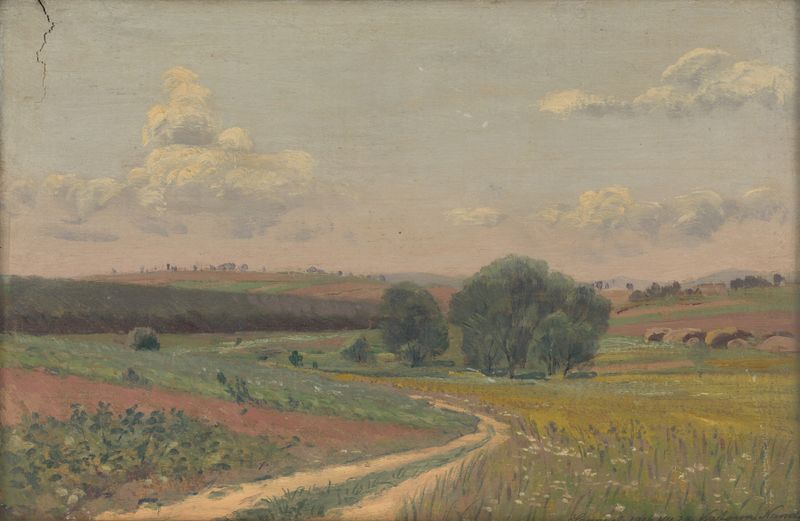
Landscape with a dirt road
Ferdinand Katona
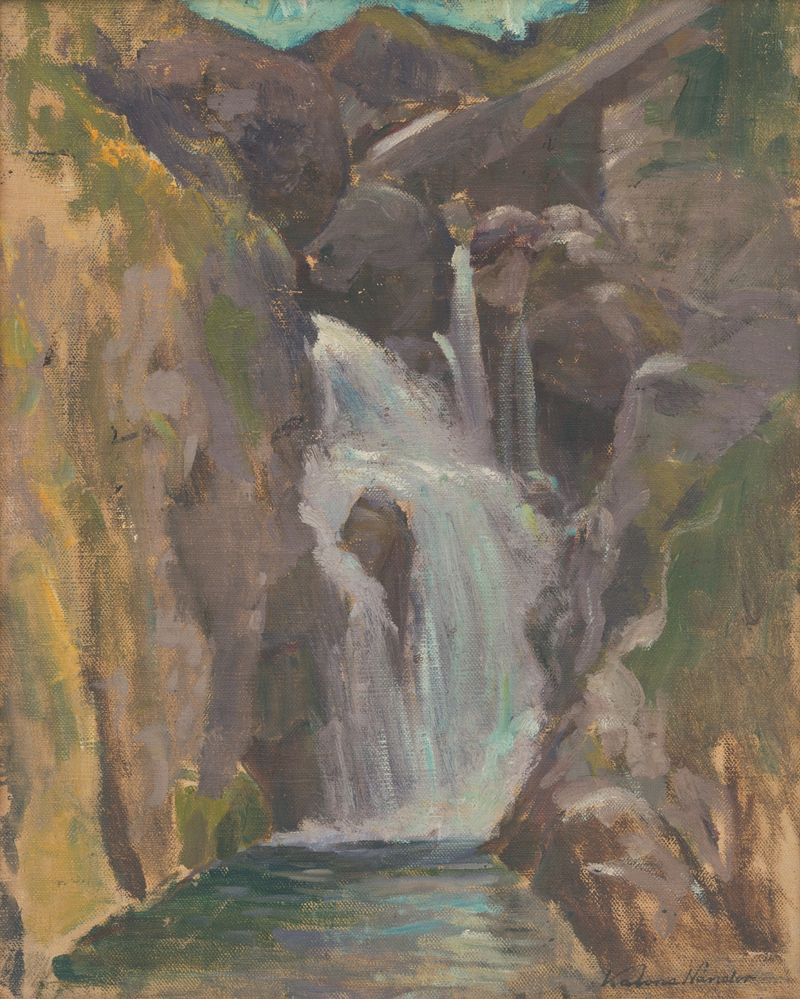
Waterfall
Ferdinand Katona
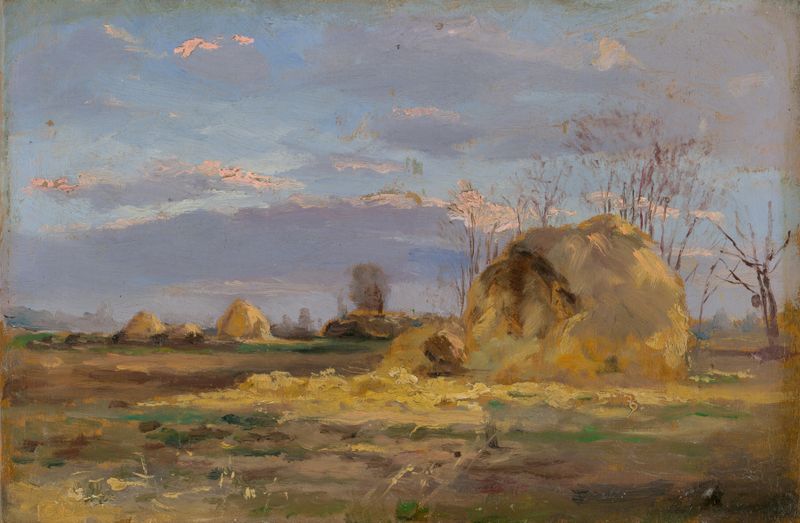
Autumn Landscape with Trees
Ferdinand Katona
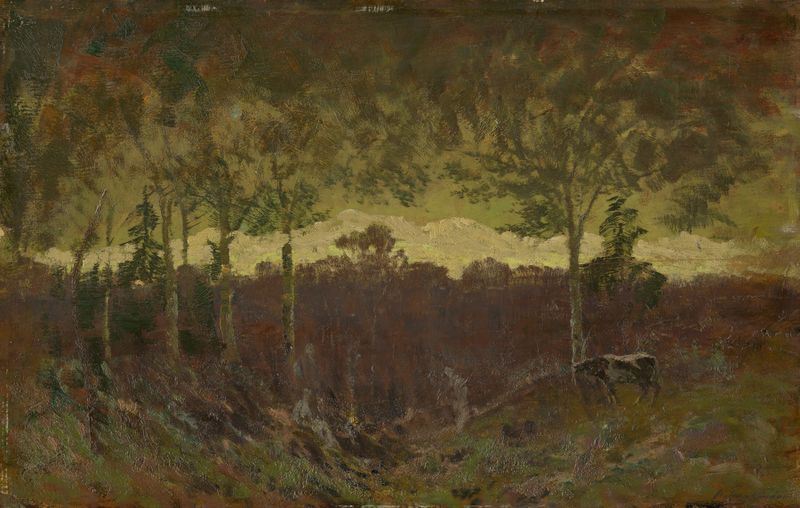
Early Evening Tatras Landscape
Ferdinand Katona
View of the High Tatras
Ferdinand Katona
Early Spring
Ferdinand Katona





