
The Himalayas. From the journey to India — History & Facts
Can paint confess what words never could? In The Himalayas, Jan Ciągliński captures a transcendent moment, a silent communion between earth and sky, evoking the sublime majesty of nature. Look to the foreground, where the sweeping curves of the mountains rise dramatically, their peaks kissed by soft clouds. The delicate brushwork and muted palette of blues and whites create a feeling of ethereal distance, drawing the eye to the stark contrast of the rugged terrain. Notice how the light plays across the surface, illuminating the snow while casting shadows that whisper of the mountain's hidden depths and dangers, inviting a sense of both awe and reverence. Beneath the surface simplicity lies a profound tension between the grandeur of the landscape and the vulnerability of humanity.
The swirling forms of the clouds seem to cradle the mountain, hinting at a spiritual elevation and the insignificance of human presence amidst such vastness. The composition articulates not only physical distance but also a longing for understanding, as if the mountains themselves hold ancient secrets waiting to be unveiled. Ciągliński painted this work in 1907 during a period of intense artistic exploration, influenced by both the Symbolist movement and a surge of interest in Eastern spirituality. Living in Paris while reflecting on his travels, he sought to convey the awe-inspiring beauty of the Himalayas, bridging the gap between Western artistic ideals and Eastern philosophical concepts.
This painting stands as a testament to his quest for transcendence through the lens of nature's grandeur.
More Artworks by Jan Ciągliński
Browse all →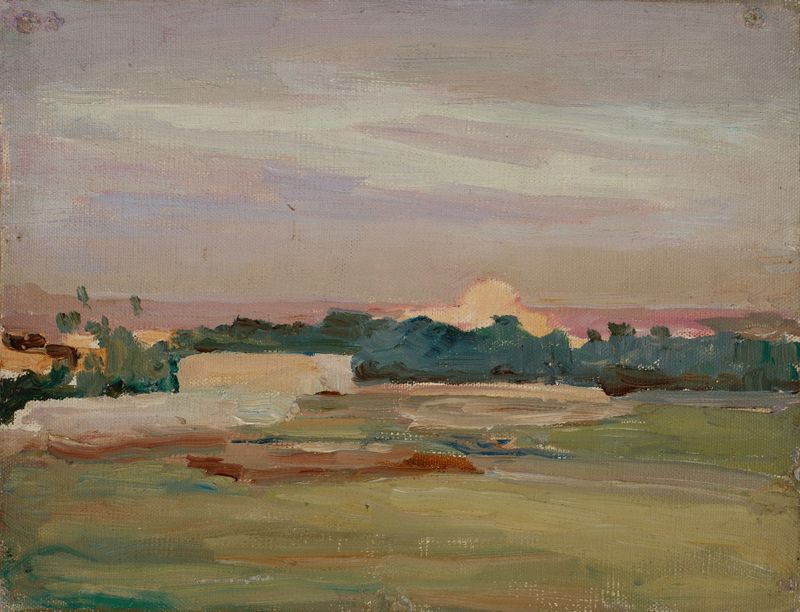
The Sirocco
Jan Ciągliński
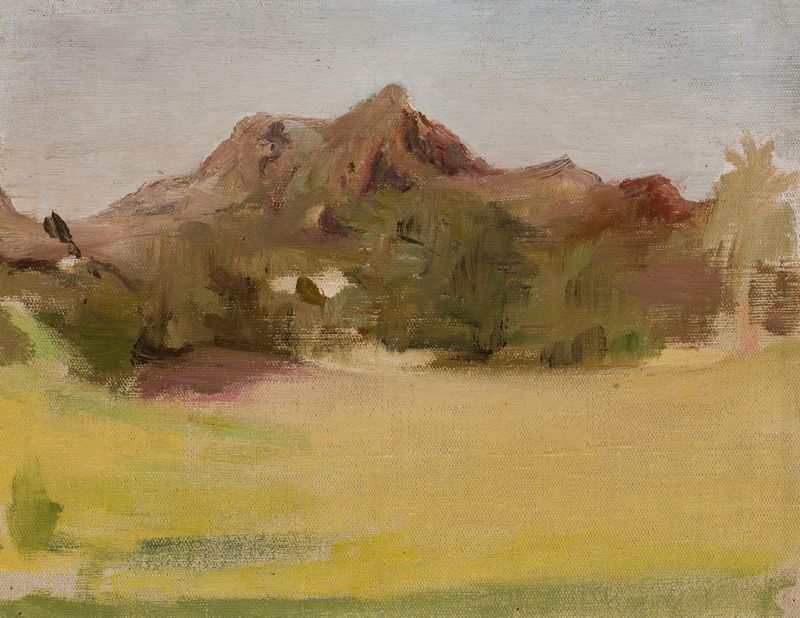
Mountain landscape. From the journey to India
Jan Ciągliński
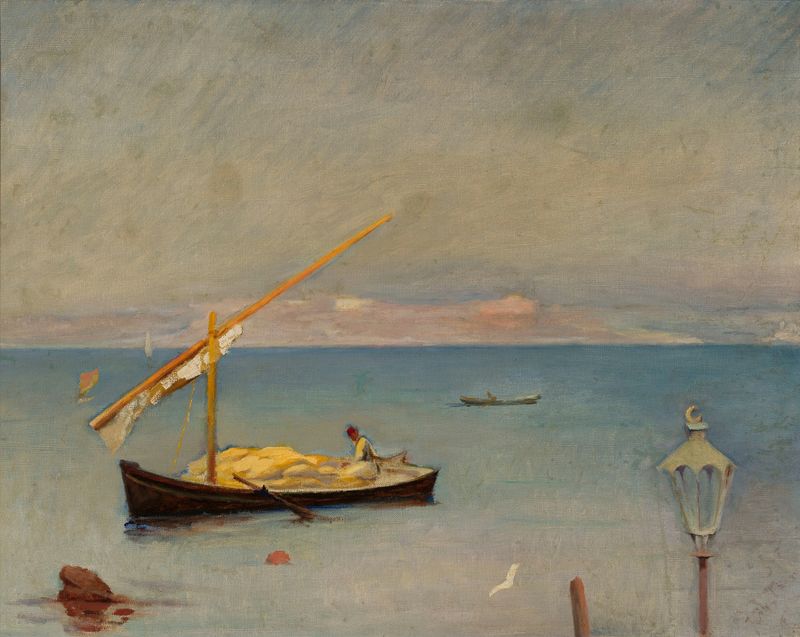
At Bosporus
Jan Ciągliński
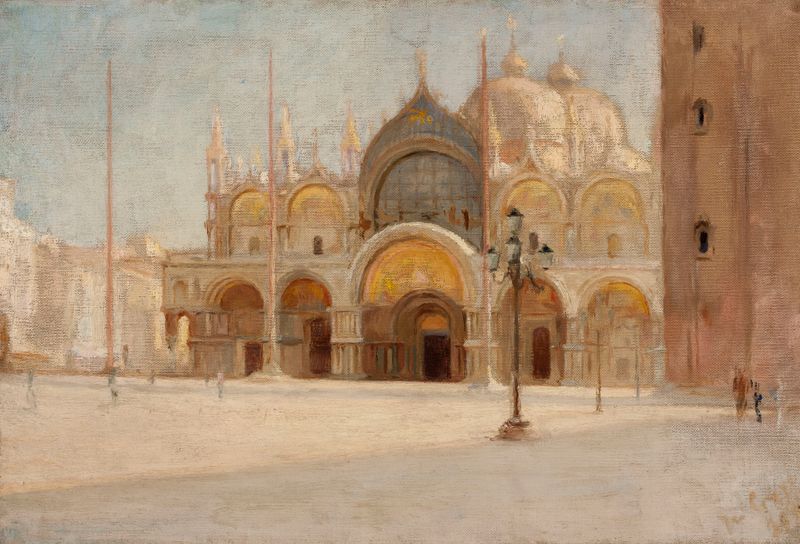
St Mark’s Square in Venice
Jan Ciągliński
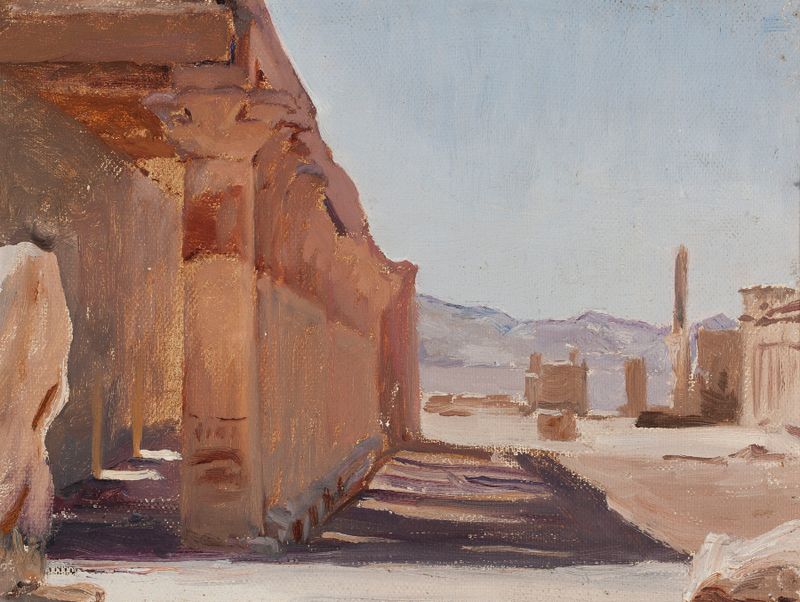
Temple. From the journey to Egypt
Jan Ciągliński
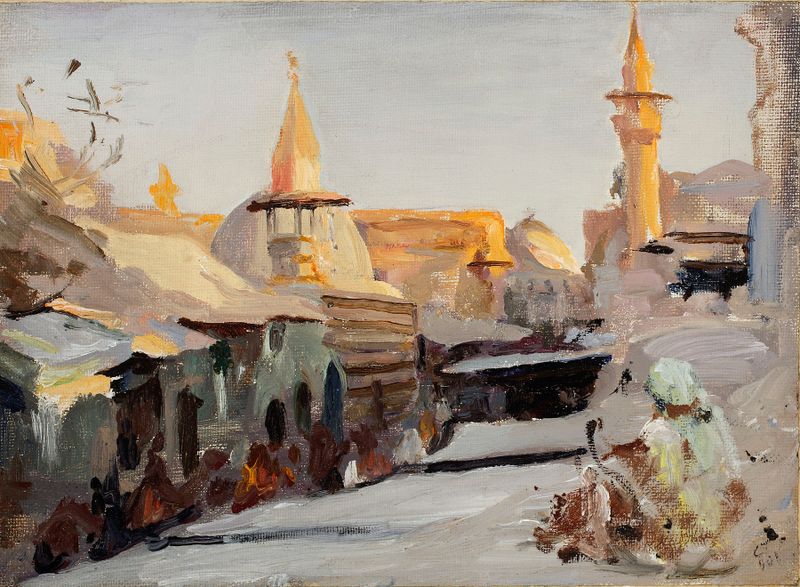
Street in Damascus. From the journey to Palestine
Jan Ciągliński
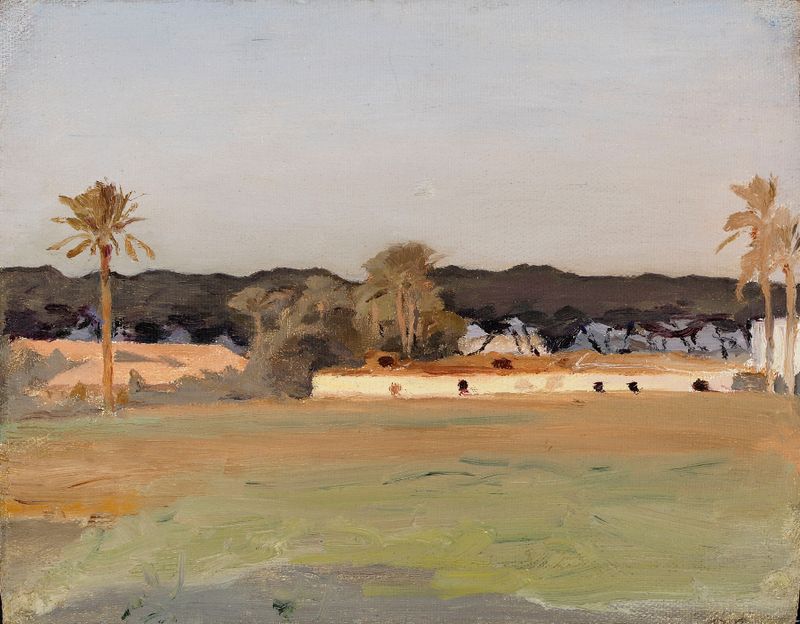
Evening. From the journey to Egypt
Jan Ciągliński
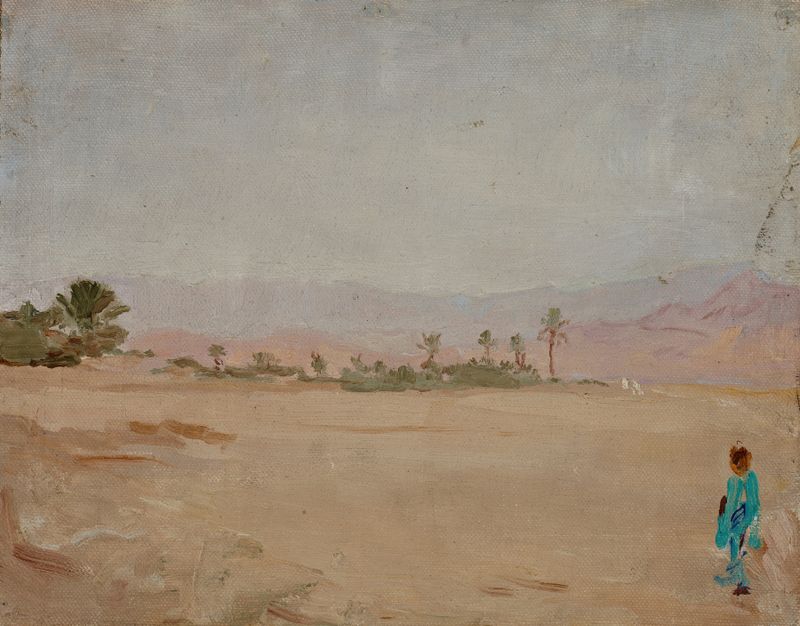
Sahara (Desert)
Jan Ciągliński
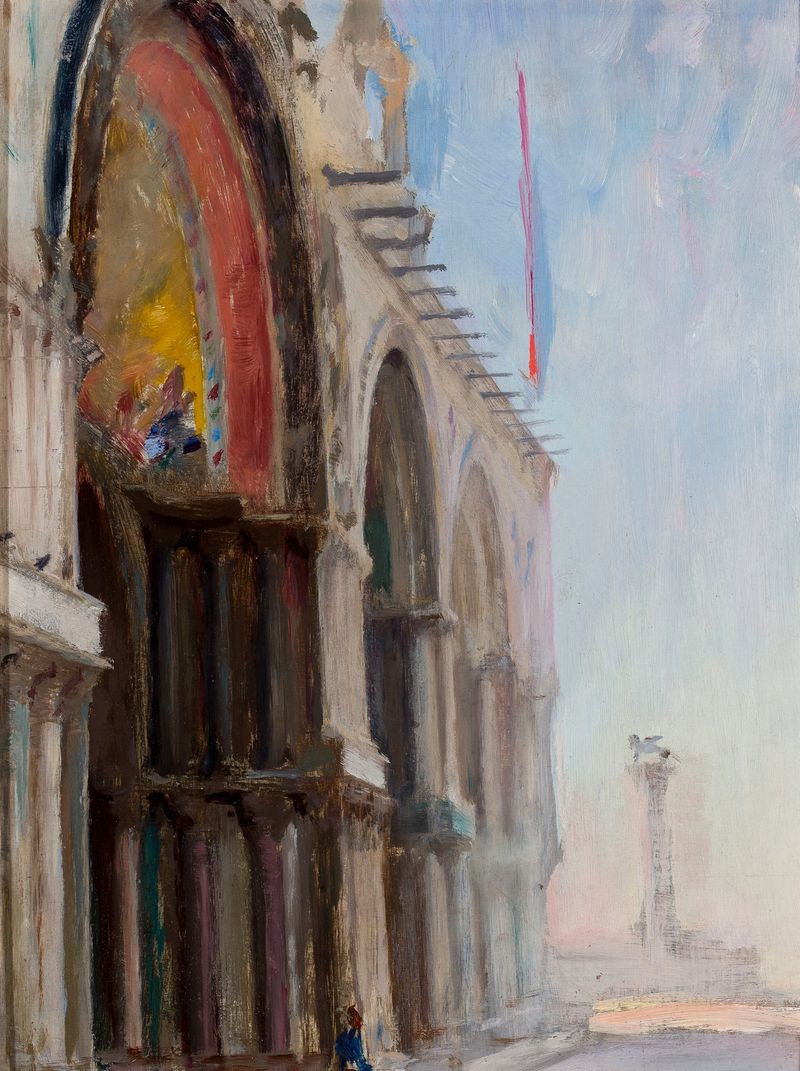
Venice – San Marco. From the journey to Italy
Jan Ciągliński
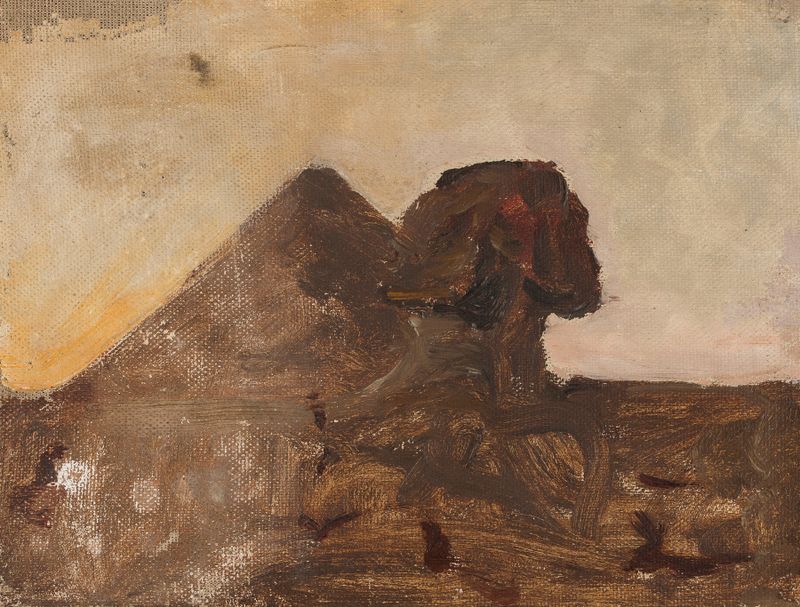
Evening in the desert – Sphinx and pyramid. From the journey to Egypt
Jan Ciągliński





