
The Hlymar, or Hamur, Persian Wild Ass — History & Facts
In The Hlymar, or Hamur, Persian Wild Ass, Charles Hamilton Smith captures the essence of this unique animal. The painting features a wild ass in a natural setting, with a backdrop of earthy tones and soft greens. The animal's coat is rendered in shades of brown and gray, highlighting its muscular form.
The overall composition is balanced, drawing the viewer's eye to the wild ass as the focal point. This artwork is executed in watercolor on paper, a medium that allows for delicate detail and subtle color transitions. The approximate dimensions of the piece are 30 x 40 cm, making it a modestly sized work. Smith's technique showcases his skill in capturing the textures of the animal's fur and the surrounding environment.
The use of light and shadow adds depth to the scene, enhancing the realism of the portrayal. Charles Hamilton Smith was known for his detailed studies of animals, particularly those from exotic locales. This painting, created in the 1830s, reflects his interest in naturalism and the accurate representation of wildlife. An interesting fact about this work is that it contributes to the understanding of the Persian Wild Ass, a species that has faced significant threats due to habitat loss.
Smith's dedication to depicting animals in their natural habitats has made his works valuable for both art and scientific communities.
More Artworks by Charles Hamilton Smith

Marengo, Bonaparte’s Arab
Charles Hamilton Smith
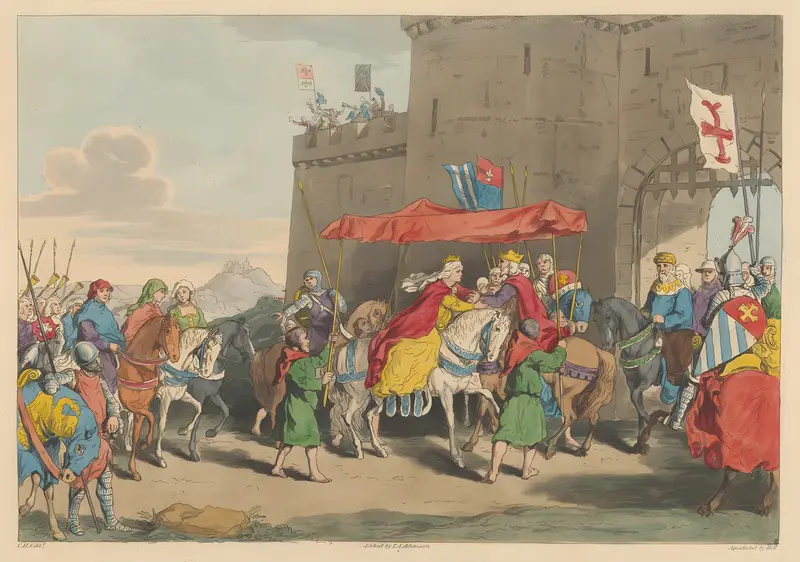
Costume of the Reign of King Henry III
Charles Hamilton Smith
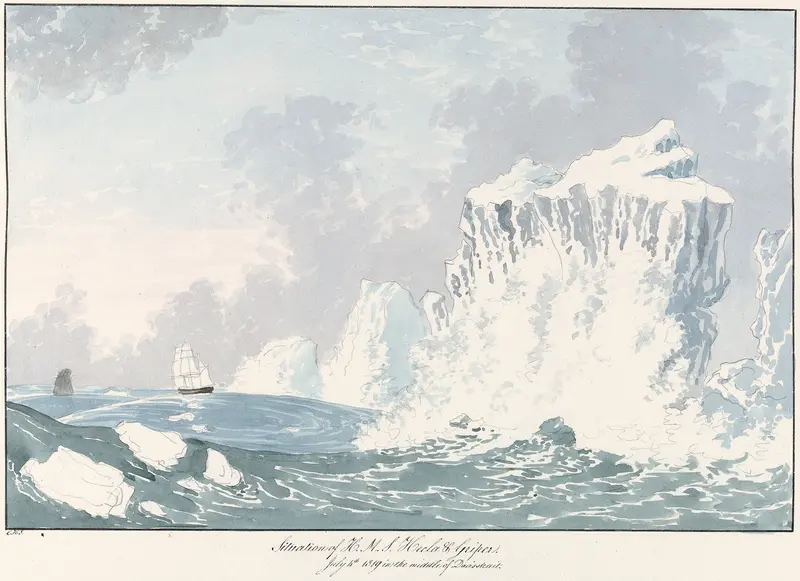
Situation of H.M.S. Hecla & Griper
Charles Hamilton Smith
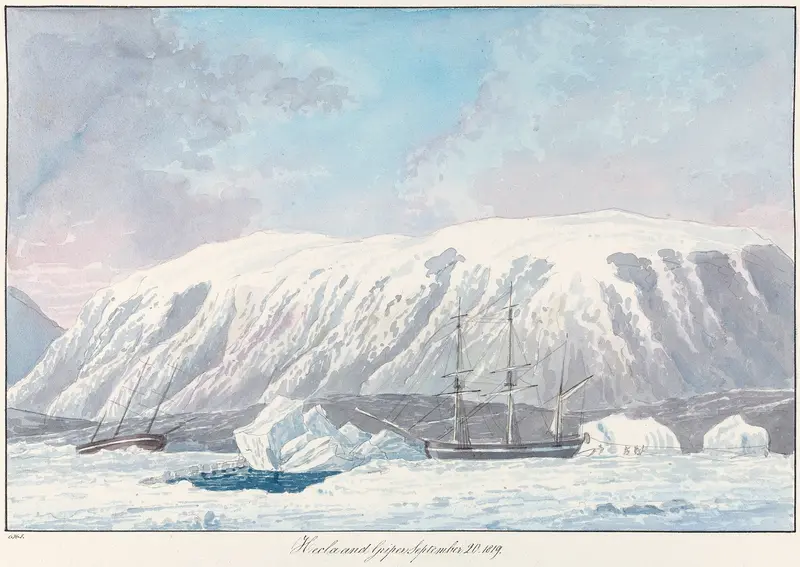
Hecla and Griper
Charles Hamilton Smith
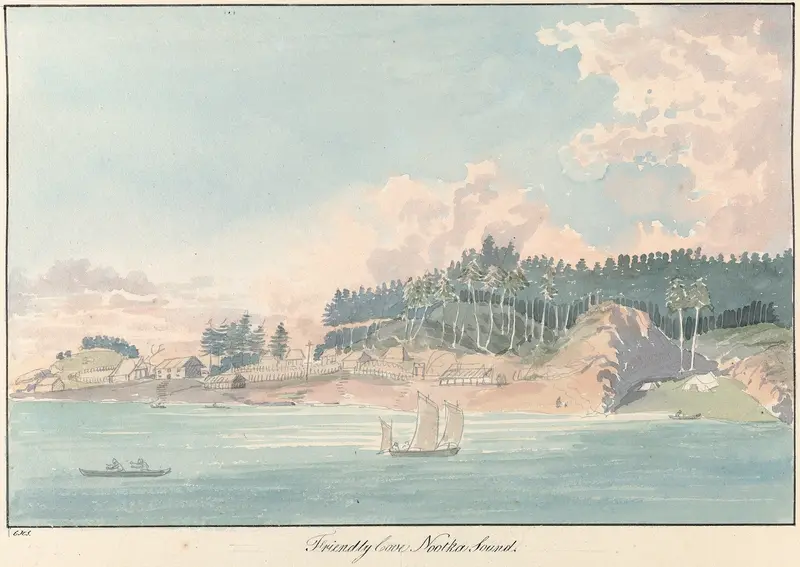
Friendly Cove, Nootka Sound
Charles Hamilton Smith
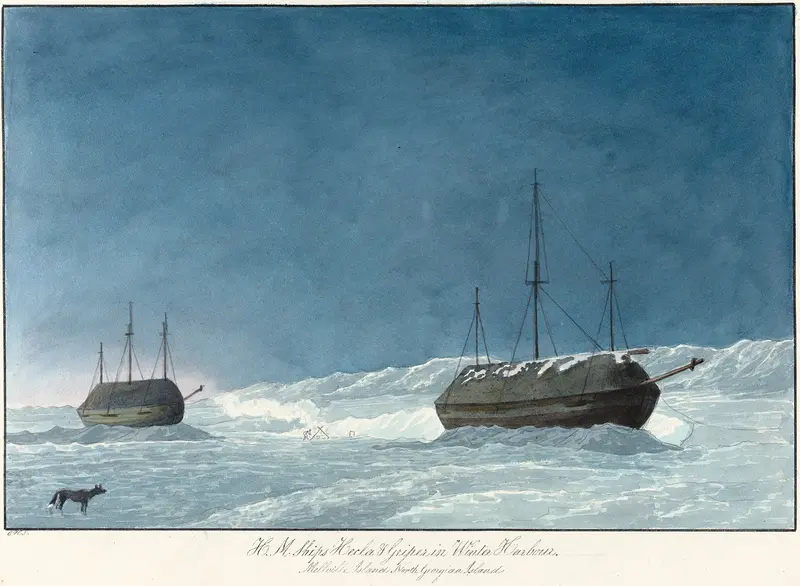
H. M. Ships Hecla and Griper in Winter Harbour
Charles Hamilton Smith
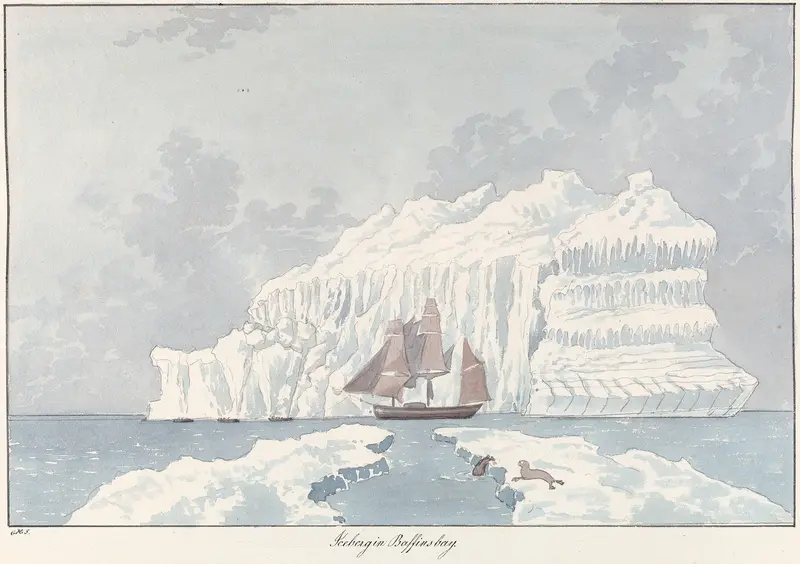
Iceberg in Baffin’s Bay
Charles Hamilton Smith
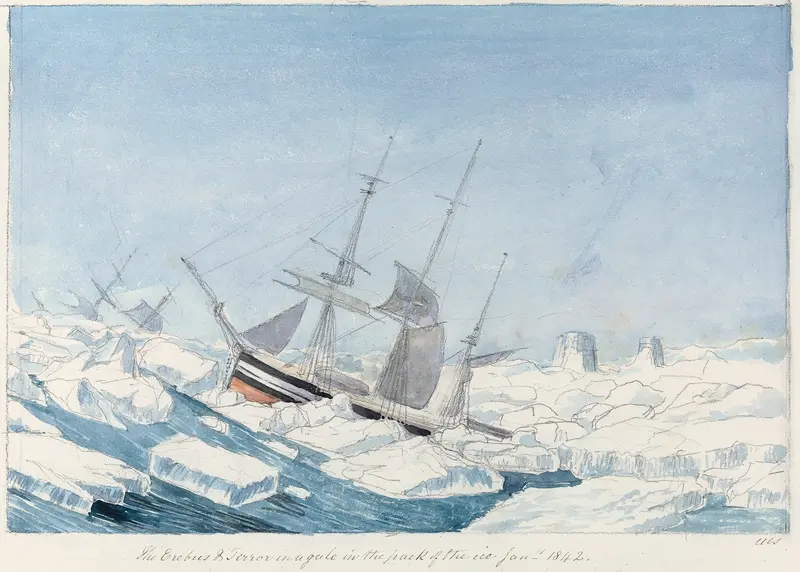
The Erebus & Terror in a Gale in the Pack of the Ice
Charles Hamilton Smith
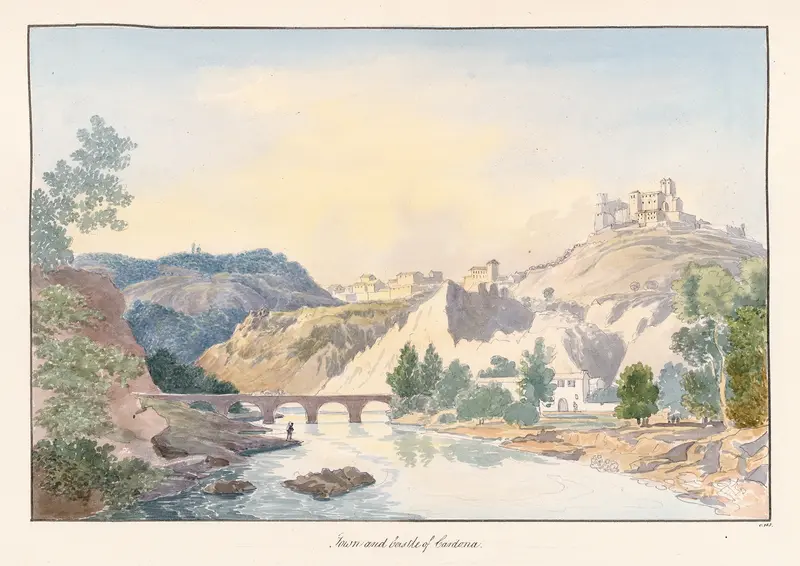
Town and Castle of Cardona
Charles Hamilton Smith
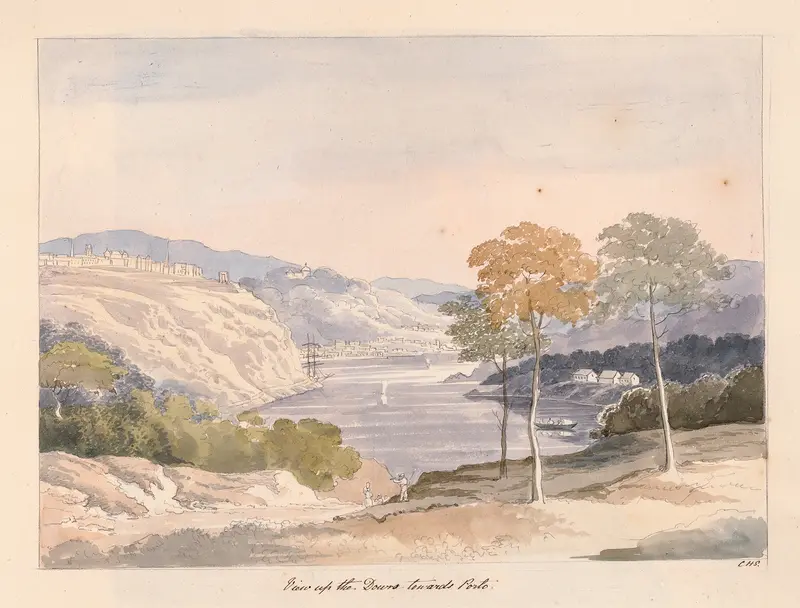
View of the Douro towards Porto
Charles Hamilton Smith





