
The Holy Prophet Elijah — History & Facts
Time, suspended on canvas, whispers stories through the hues and textures that bind the past to the present. The artist's hand, though unidentified, breathes life into the prophetic presence, inviting viewers to contemplate both the miracle and fragility of existence. Look to the central figure, the Holy Prophet Elijah, whose commanding gaze draws you in. Notice how the rich, deep reds and golds envelop him, contrasting with the cooler tones of the surrounding landscape.
This interplay of color creates a radiant aura, suggesting divinity. Observe the meticulous detailing of his garments, the folds expertly highlighted to evoke movement, as if he might step forth from the canvas at any moment. The background, softly rendered, provides a serene landscape that amplifies Elijah's significance, grounding him in a realm that feels both earthly and ethereal. The emotional tension within the piece lies in the juxtaposition of Elijah's solemnity with the vibrancy of the colors.
Each brushstroke seems to pulse with the weight of history, hinting at both reverence and vulnerability. The light illuminating his face suggests enlightenment, yet the shadows lurking around him evoke a sense of isolation, capturing the duality of the prophet's calling—both revered and burdened by his destiny. This contrast invites an exploration of the metaphysical, a reminder that time is both fleeting and eternal. Created in the 19th century, this artwork reflects a period of intense religious and artistic exploration.
The artist, while unknown, was likely influenced by the Romantic movement's fascination with spirituality and the sublime. At this time, many artists sought to depict the divine through heightened emotion and dramatic expression, mirroring the broader societal shifts toward personal faith and introspection that characterized the era.
More Artworks by Unidentified artist
Browse all →
Self-portrait with a Bandaged Ear and Pipe
Unidentified artist

Feast in the House of Levi
Unidentified artist
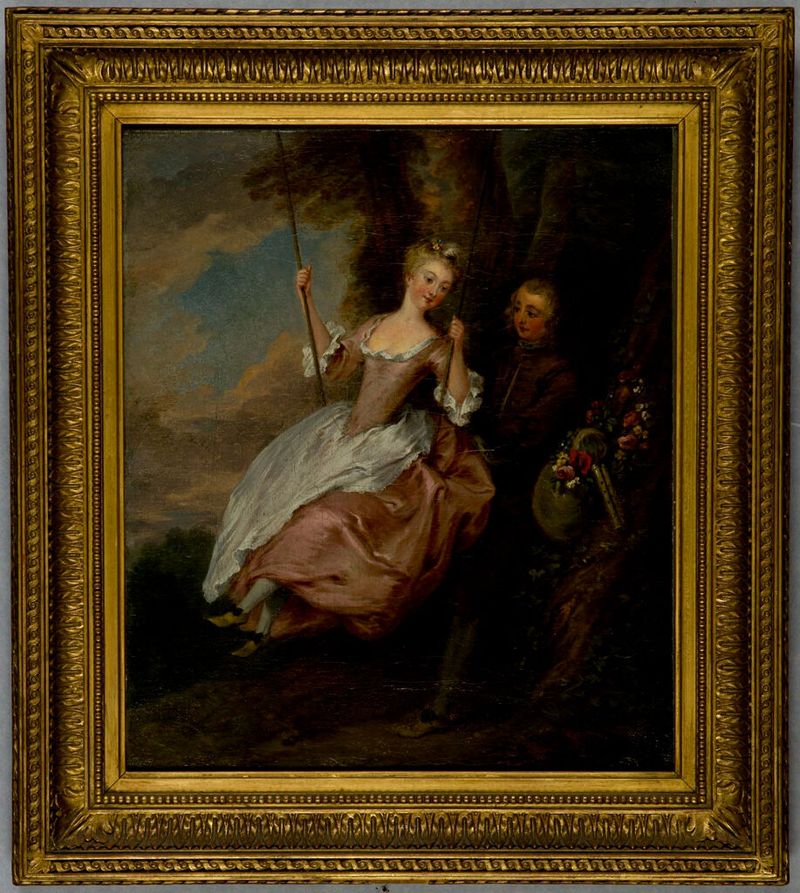
The Swing
Unidentified artist

Geoffrey Chaucer (1340?-1400)
Unidentified artist

Portrait of Michelangelo after the "Strozzi" original in the Uffizi Gallery
Unidentified artist
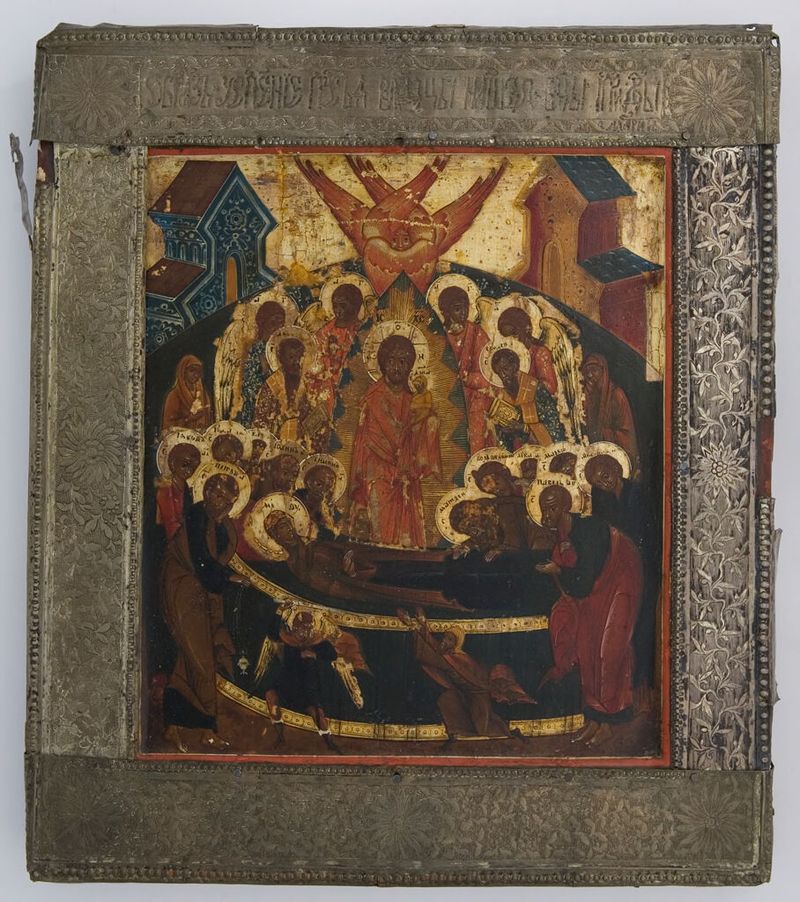
Dormition of the Virgin
Unidentified artist

Charles I (after a van Dyck painting in the Staatliche Museen, Gemaldegalerie, Dresden)
Unidentified artist

Madonna and Child
Unidentified artist

John Winthrop, the Younger (1606-1676)
Unidentified artist

Crucifix with the Virgin and Saint John the Evangelist, Christ the Redeemer, and a Praying Woman
Unidentified artist
More Religious Art
Browse all →
The Return of the Prodigal Son
Rembrandt van Rijn

The Garden of Earthly Delights
El Bosco

Count Orgaz’ funeral
El Greco

The Hundred Guilder Print: the central piece with Christ preaching, the plate arched
Rembrandt van Rijn

The Descent from the Cross
Rogier van der Weyden

The return of the prodigal son
Rembrandt van Rijn