
The Holy Prophet Elijah — History & Facts
Who listens when art speaks of silence? In the 19th century, an unidentified artist captured innocence in a moment of divine contemplation, allowing viewers to feel the weight of unspoken truths. Look to the center of the canvas, where the figure of Elijah stands, draped in a flowing garment that whispers of both majesty and humility. The soft hues of the background cradle him, as light filters through an unseen source, illuminating his serene visage. Notice how the delicate brushwork enhances the ethereal quality of the scene, drawing your gaze to the gentle expression that suggests a connection to the divine.
The subtle interplay of shadows and light creates a sense of depth, inviting contemplation. As you explore the details, the contrast between Elijah's strong presence and the tranquil background speaks volumes about faith and solitude. The artist’s choice of color—muted earth tones juxtaposed with hints of gold—imbues the work with a sense of warmth and reverence. Small elements, such as the fragile branch at his side, symbolize the fleeting nature of life and the innocence inherent in divine faith, suggesting that true strength lies in vulnerability. Created amidst a growing fascination with spirituality and the human condition, this artwork emerged during a period when many sought to reconcile tradition with new artistic expressions.
The 19th century was a time of great change in the world of art, with movements like Romanticism and Realism challenging established norms. The artist, whose identity remains a mystery, contributed to this dialogue, inviting viewers to reflect on the intersection of the sacred and the ordinary.
More Artworks by Unidentified artist
Browse all →
Self-portrait with a Bandaged Ear and Pipe
Unidentified artist

Feast in the House of Levi
Unidentified artist
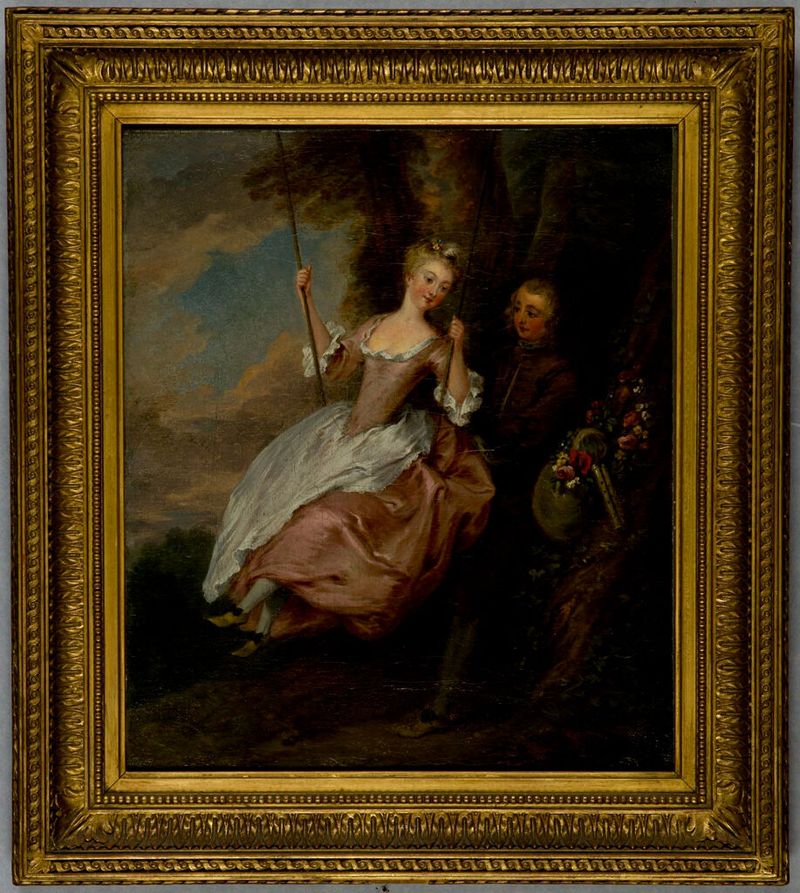
The Swing
Unidentified artist

Geoffrey Chaucer (1340?-1400)
Unidentified artist

Portrait of Michelangelo after the "Strozzi" original in the Uffizi Gallery
Unidentified artist
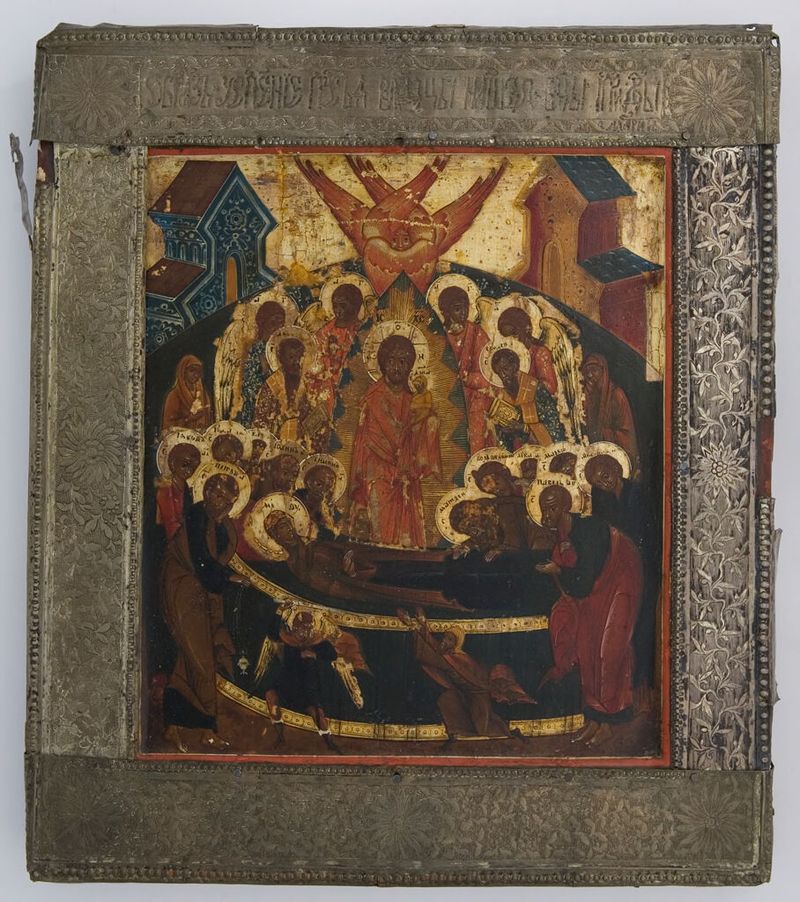
Dormition of the Virgin
Unidentified artist

Charles I (after a van Dyck painting in the Staatliche Museen, Gemaldegalerie, Dresden)
Unidentified artist

Madonna and Child
Unidentified artist

John Winthrop, the Younger (1606-1676)
Unidentified artist

Crucifix with the Virgin and Saint John the Evangelist, Christ the Redeemer, and a Praying Woman
Unidentified artist
More Religious Art
Browse all →
The Return of the Prodigal Son
Rembrandt van Rijn

The Garden of Earthly Delights
El Bosco

Count Orgaz’ funeral
El Greco

The Hundred Guilder Print: the central piece with Christ preaching, the plate arched
Rembrandt van Rijn

The Descent from the Cross
Rogier van der Weyden

The return of the prodigal son
Rembrandt van Rijn