
The Icebergs of Kotzebue Sound — History & Facts
When did color learn to lie? The depths of nature's palette often mask the profound silence that resides beneath its vibrant surface, a paradox worth exploring. To appreciate the essence of The Icebergs of Kotzebue Sound, look to the icy blues and stark whites that dominate the canvas. The artist skillfully employs a gradient of cool tones, drawing the eye toward the towering ice formations that punctuate the horizon. Each brushstroke reveals the intricate texture of the ice, while the subtle interplay of light on the edges creates a tension between solidity and fragility.
Notice how the tranquil water reflects these towering giants, adding an element of stillness that contrasts with the grandeur of the scene. Beneath the surface, the work speaks to the confrontation of beauty and desolation. The icebergs, while breathtaking, stand as a reminder of an indifferent and harsh environment, evoking feelings of isolation and vulnerability. The void between the floating masses and the dark water suggests an emotional depth—an invitation to contemplate the fleeting nature of life and the relentless march of time.
The absence of human presence amplifies this sentiment, emphasizing the profound solitude of the Arctic landscape. Charles Hamilton Smith painted this work during a time when European artists were increasingly drawn to the sublime aspects of nature, particularly in the late 18th and early 19th centuries. His explorations in Arctic regions reflected a burgeoning interest in the exotic and the unknown, as well as the scientific curiosity of the era. This piece captures both the beauty and the stark reality of the natural world, illustrating the cultural shifts in perception during his lifetime.
More Artworks by Charles Hamilton Smith
Browse all →
Situation of H.M.S. Hecla & Griper
Charles Hamilton Smith
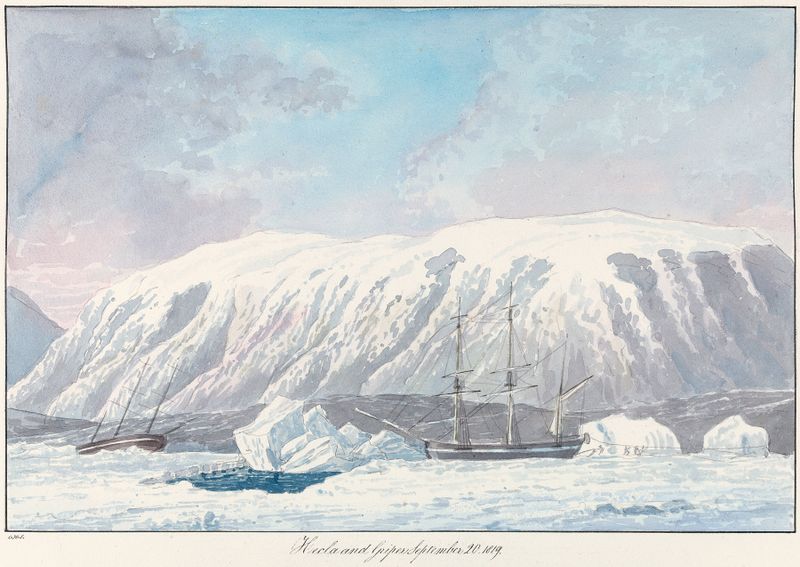
Hecla and Griper
Charles Hamilton Smith

Friendly Cove, Nootka Sound
Charles Hamilton Smith

Iceberg in Baffin’s Bay
Charles Hamilton Smith
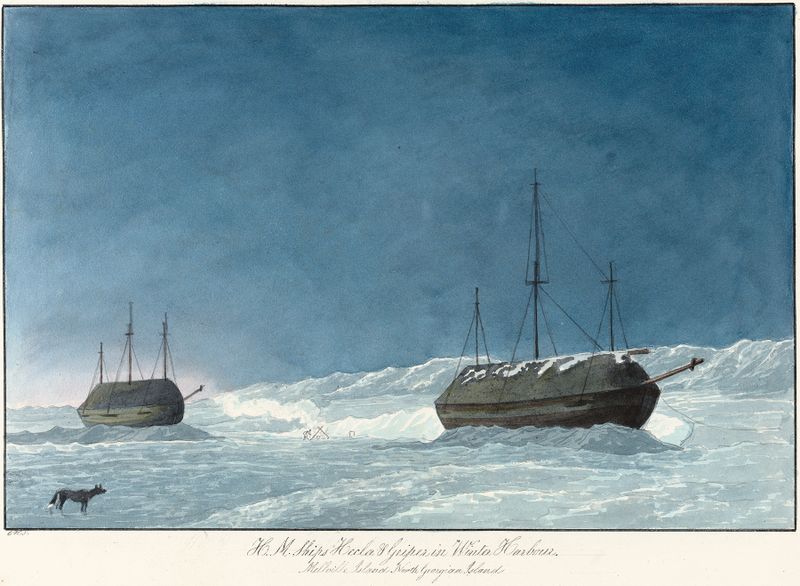
H. M. Ships Hecla and Griper in Winter Harbour
Charles Hamilton Smith

The Erebus & Terror in a Gale in the Pack of the Ice
Charles Hamilton Smith
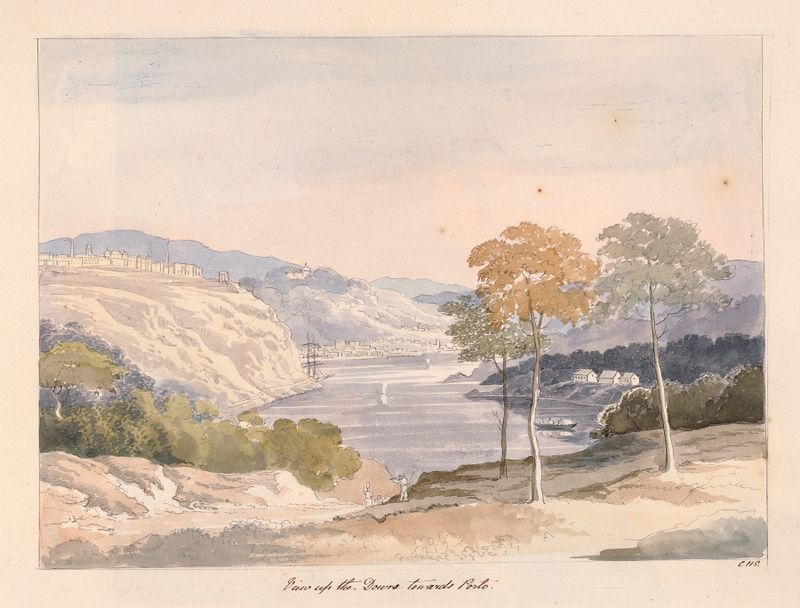
View of the Douro towards Porto
Charles Hamilton Smith
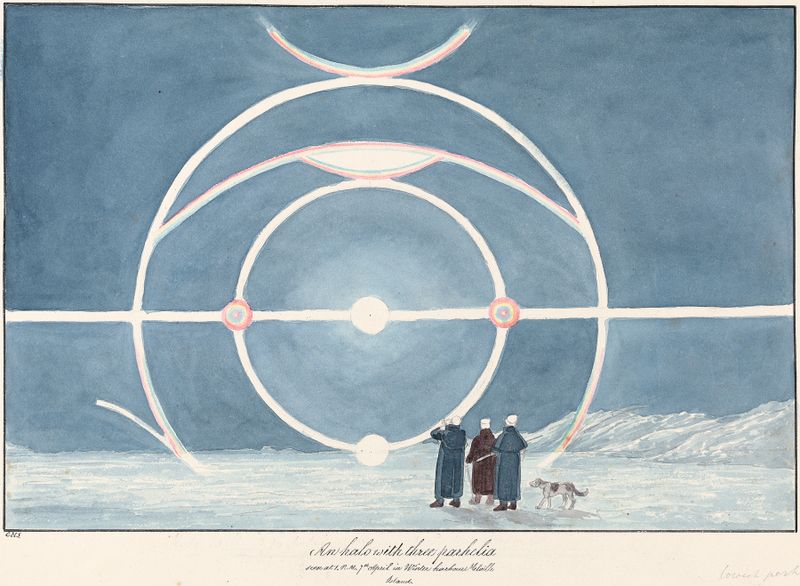
Halo with Three Parhelia, Winter Harbour Melville Island
Charles Hamilton Smith
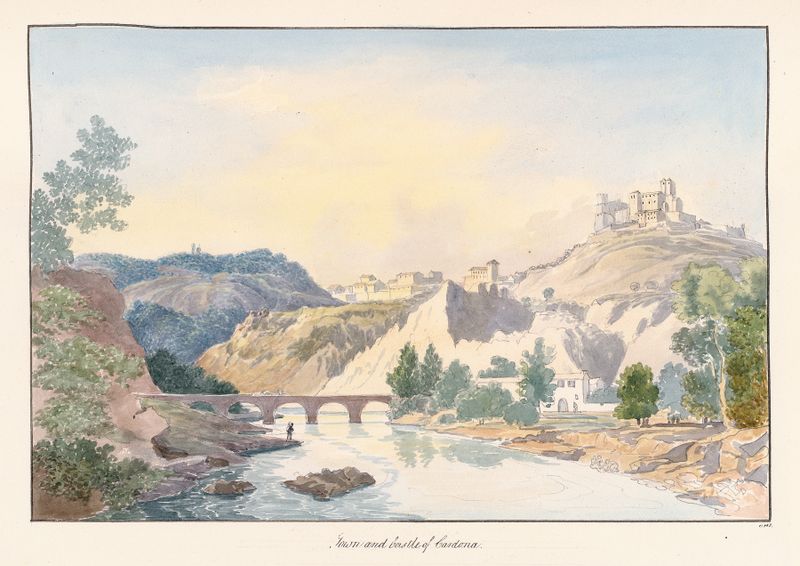
Town and Castle of Cardona
Charles Hamilton Smith
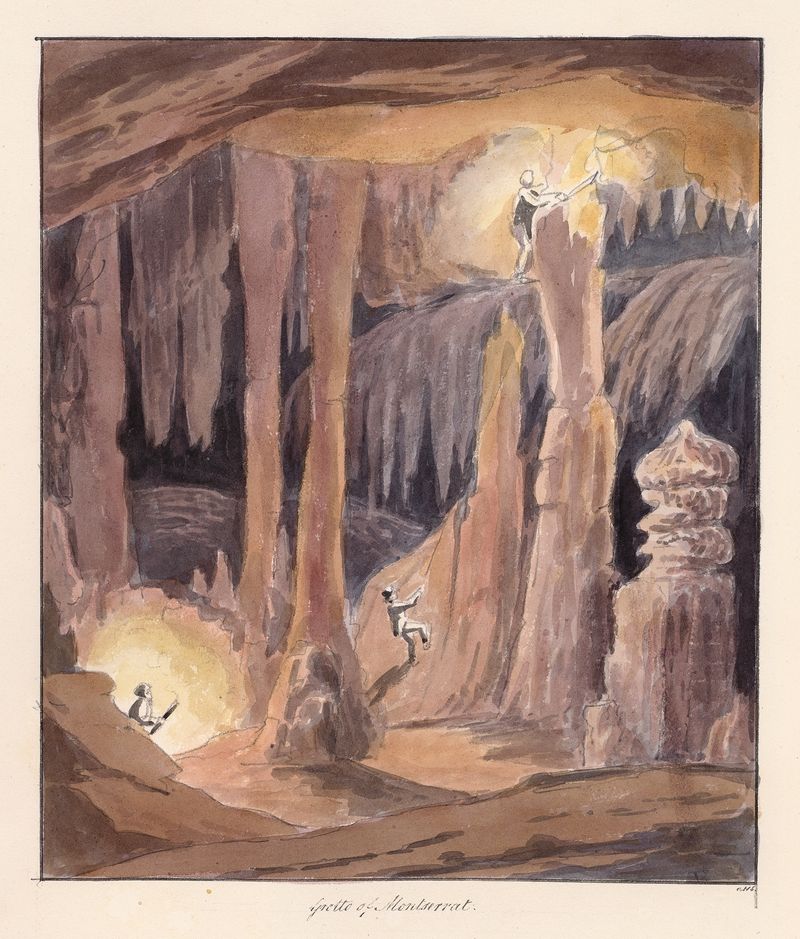
Grotto of Montserrat
Charles Hamilton Smith





