
The interior of Santa Maria Gloriosa Del Frari, Venice — History & Facts
Can paint confess what words never could? Within its delicate brushwork lies a whisper of fragility, a testament to the beauty that exists in the ephemeral. Look to the left at the intricate arches rising gracefully towards the heavens. Each column is adorned with ornate detailing, inviting the viewer to trace the seamless flow of the architecture. Notice how the light spills through stained glass windows, casting vibrant hues that dance across the stone floor, illuminating the solemnity of the space.
The palette—muted browns and golds—contrasts with the vivid colors, creating a sacred atmosphere that draws one in. Beneath the grandeur, a sense of vulnerability emerges. The reverence of the interior feels both inviting and isolating, suggesting a spiritual quest amidst the grandeur. The interplay of light and shadow hints at a deeper introspection, evoking the fragility of faith and existence.
Each brushstroke seems to echo the lives lived within its walls, capturing moments of introspection and the passage of time, making the viewer ponder their own journey in this sacred space. In 1866, as Edward Pritchett painted this scene, he found himself amidst a burgeoning art movement that cherished realism and emotional depth. Working in Venice, a city marked by its rich cultural heritage, Pritchett sought to capture the ethereal beauty of the gothic architecture, delving into a realm where art became a vessel of both contemplation and connection in a rapidly changing world.
More Artworks by Edward Pritchett
Browse all →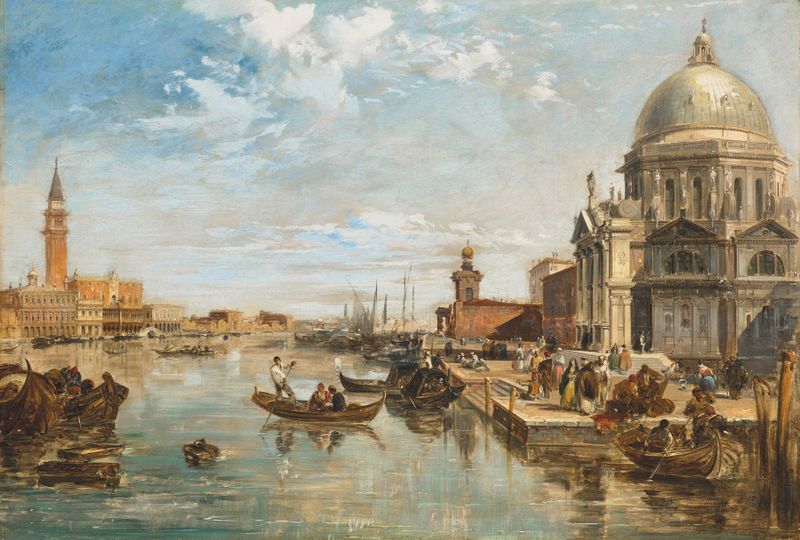
The Grand Canal, Venice, with the Doge’s Palace, the Dogana, and Basilica di Santa Maria della Salute
Edward Pritchett
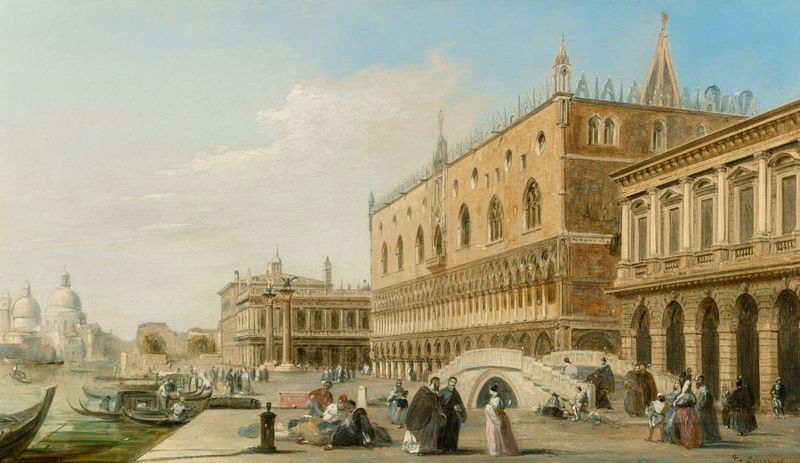
The Doge’s Palace, the Piazzetta and the Biblioteca, with Sta Maria della Salute beyond, Venice
Edward Pritchett
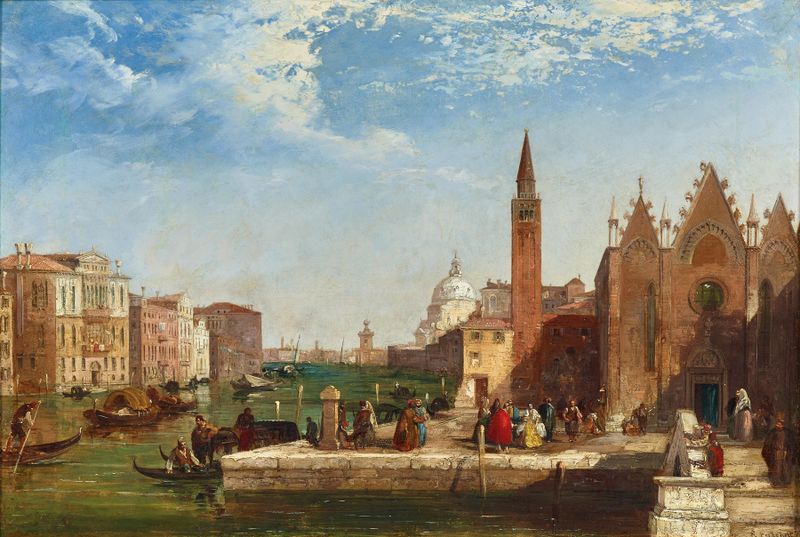
Venice, A View of the Grand Canal
Edward Pritchett
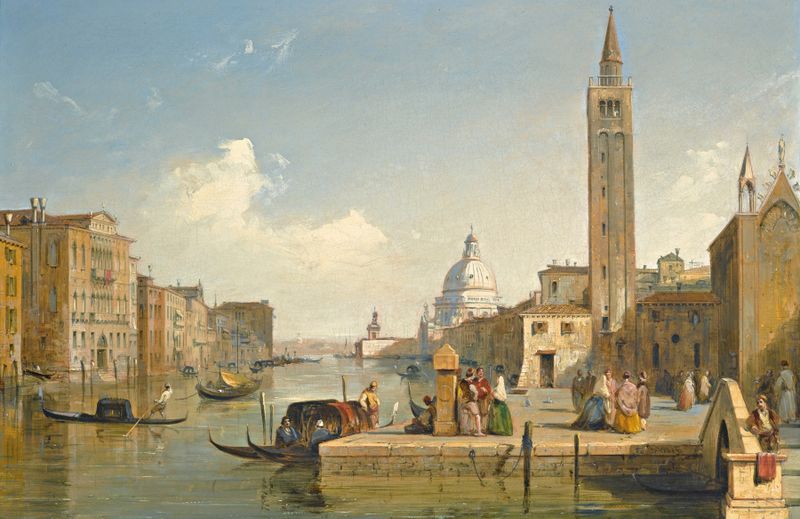
View Of The Grand Canal, With The Church Of Santa Maria Della Salute, Venice
Edward Pritchett
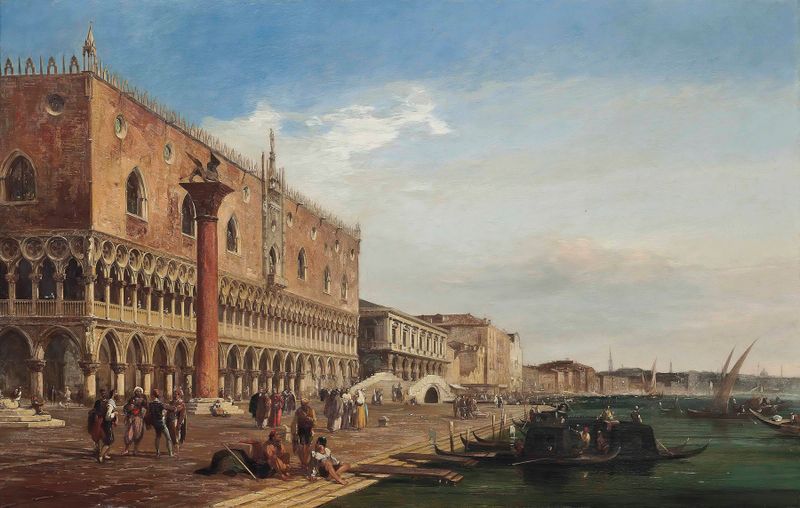
The Doge’s Palace, Venice
Edward Pritchett
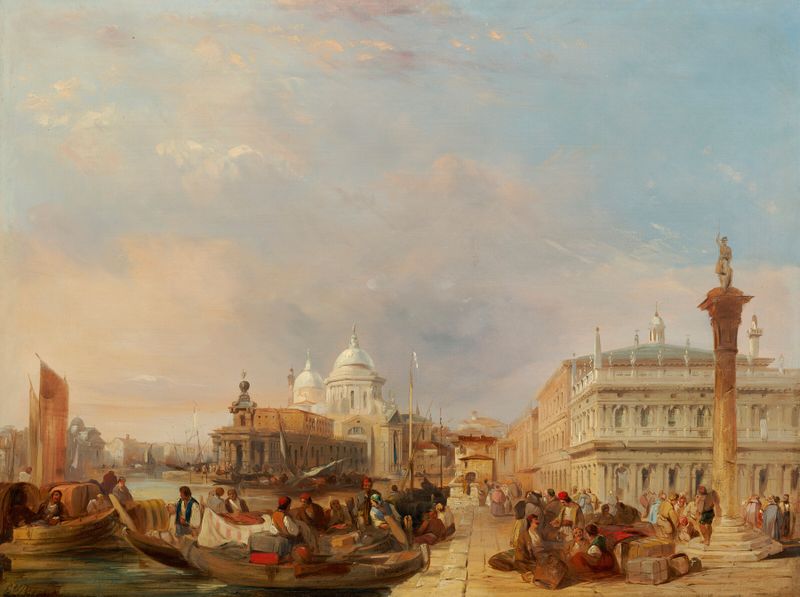
Santa Maria della Salute viewed from St Mark’s
Edward Pritchett
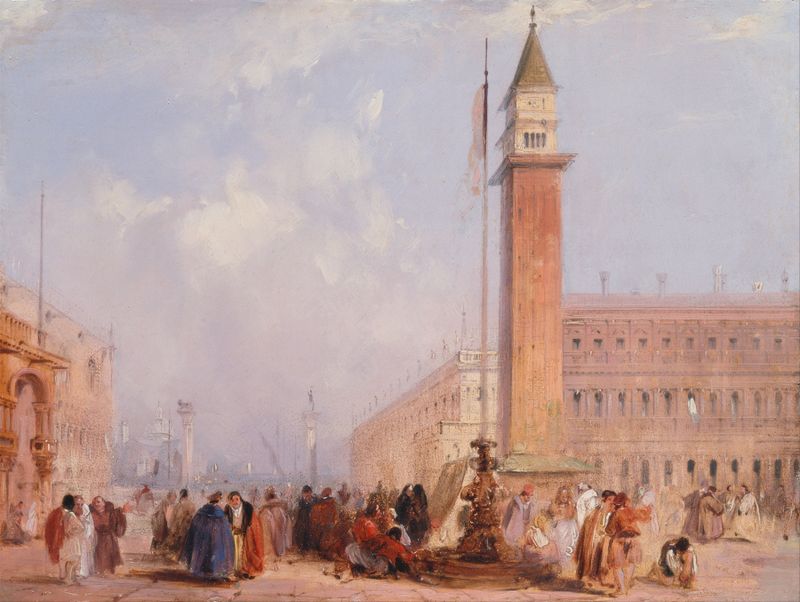
The Piazzetta, Venice
Edward Pritchett
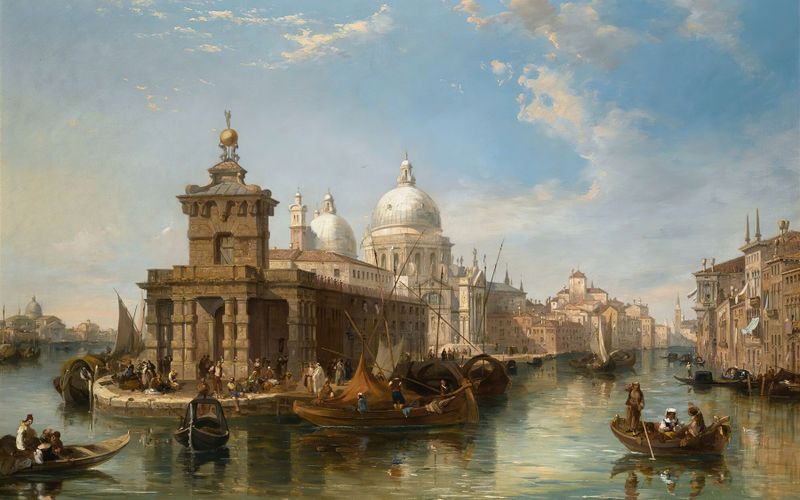
The Church Of The Salute, Venice
Edward Pritchett
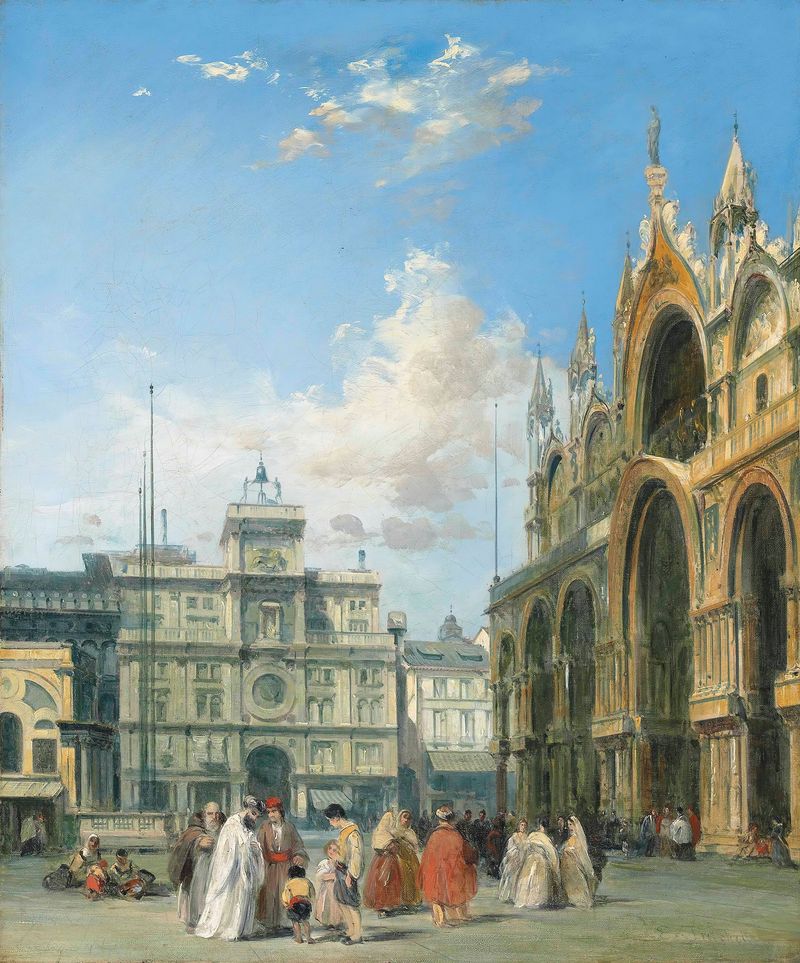
Figures Beside The Basilica Of San Marco And The Torre Dell’orlogio, Venice
Edward Pritchett
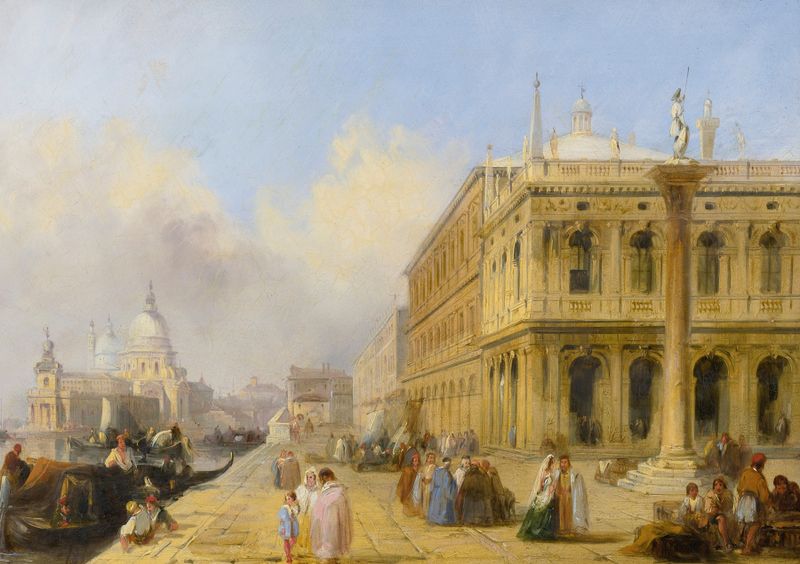
The Grand Canal
Edward Pritchett





