
The Interior of the Tomb of King Casimir the Great — History & Facts
When Jan Matejko unveiled The Interior of the Tomb of King Casimir the Great in 1869, it sparked immediate fascination—not only for its technical bravura, but because it depicted a moment that had only recently been rediscovered in Polish national consciousness. The tomb of Casimir III, Poland’s last Piast king, had been opened in 1869 during restoration work at Wawel Cathedral, revealing the king’s remains for the first time in centuries. Matejko, ever attuned to the pulse of Polish history, seized upon this event as a symbol of national endurance under foreign rule.
His painting became an emblem of the era’s search for identity and roots, as Poles grappled with the loss of sovereignty. The canvas captures the dim, sacred hush of the crypt at the very instant when the heavy stone lid is lifted, and the king’s skeleton, adorned with the traces of royal regalia, emerges from darkness. Figures in contemporary 19th-century dress lean in, their faces a study in awe and reverence, while the golden crown and fragments of chainmail glimmer faintly in the lamplight. The contrast between the living and the dead is heightened by Matejko’s meticulous attention to detail—the pale bones, the faded velvet, the anxious hands of the onlookers.
Unlike the grand, heroic exhumations painted by Delacroix or Géricault, Matejko’s scene is intimate and reflective, focusing on the continuity of memory rather than spectacle. The painting invites viewers to contemplate the fragile thread connecting past and present, and the ways in which history is both unearthed and reimagined. Although the precise early provenance of The Interior of the Tomb of King Casimir the Great is not fully documented, it is known that Matejko created it during a period of intense productivity, as he established himself as the preeminent painter of Polish historical subjects. The work has since become a touchstone in the artist’s oeuvre, frequently reproduced in Polish art histories and displayed in exhibitions devoted to national heritage.
Today, it is held in the collection of the National Museum in Kraków, where it continues to draw visitors seeking a visual link to Poland’s medieval past. The painting stands as a testament to Matejko’s belief in the power of art to preserve and interrogate national memory.
More Artworks by Jan Matejko
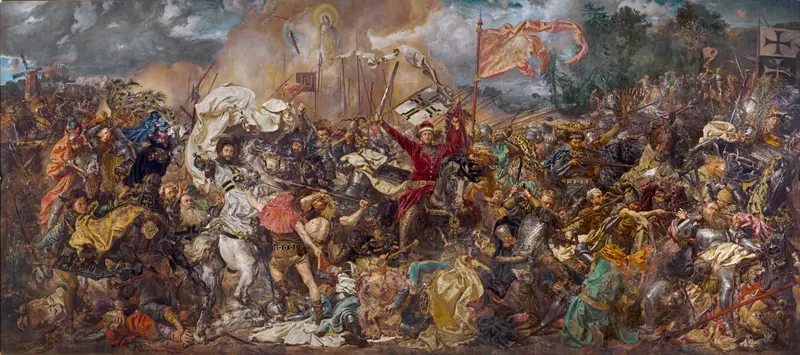
Battle of Grunwald
Jan Matejko

Stańczyk
Jan Matejko

Battle of Raclawice
Jan Matejko
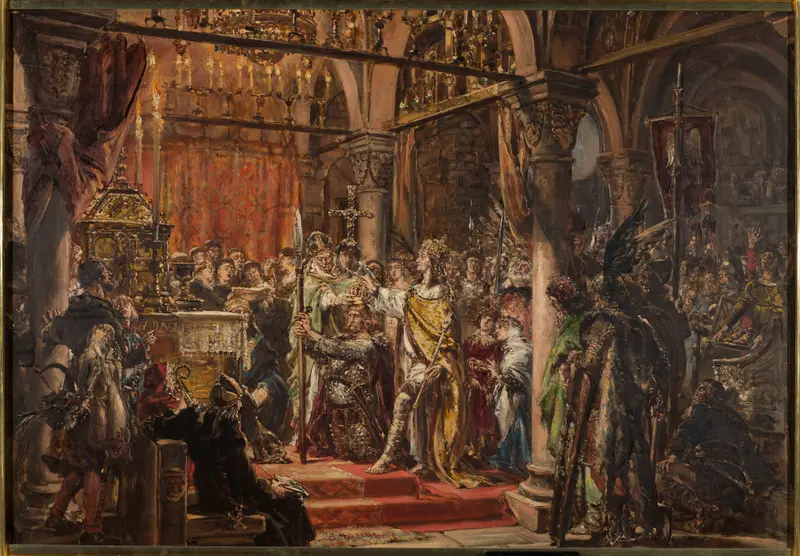
Coronation of the First King, 1001 AD, from the series “History of Civilization in Poland”
Jan Matejko
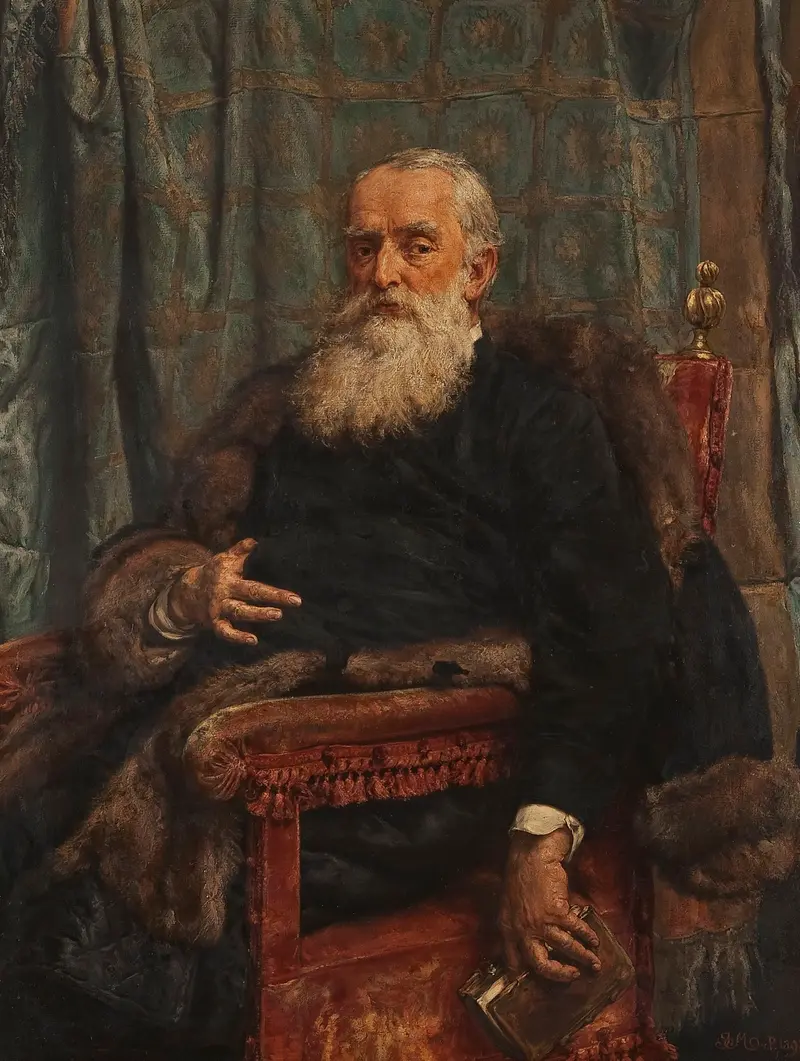
Portrait of Henryk Krajewski
Jan Matejko
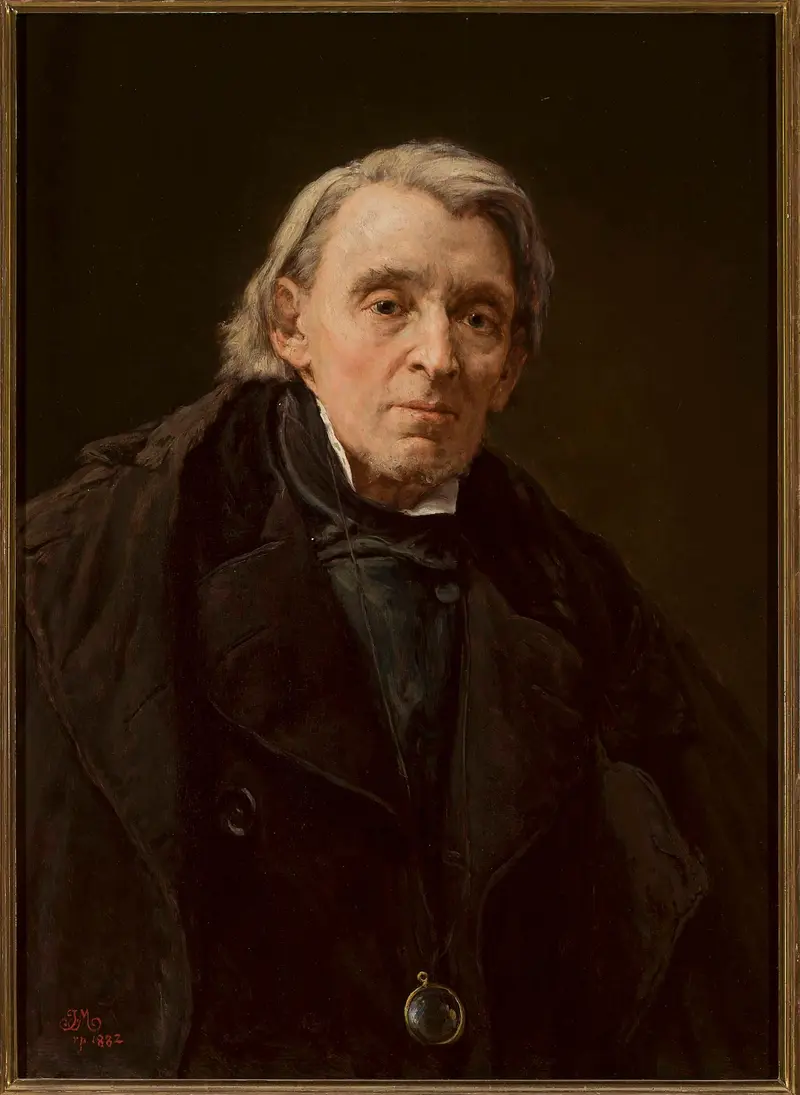
Portrait of Karol Podlewski
Jan Matejko
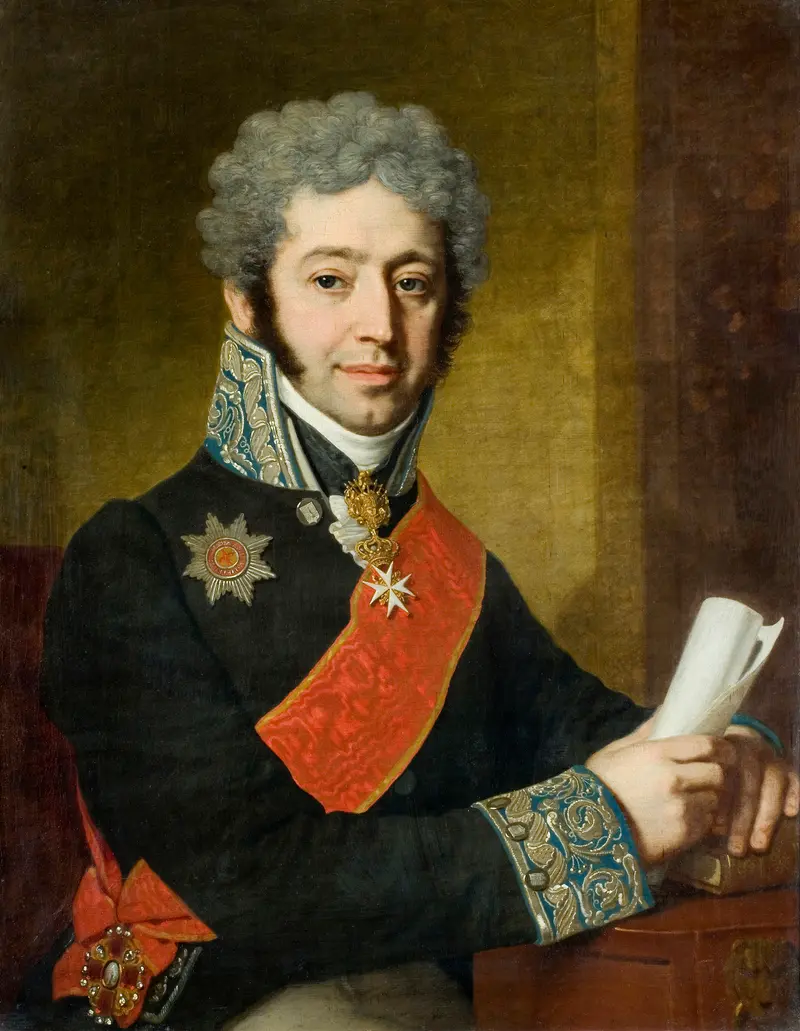
Portrait of Potocki and Poninski
Jan Matejko
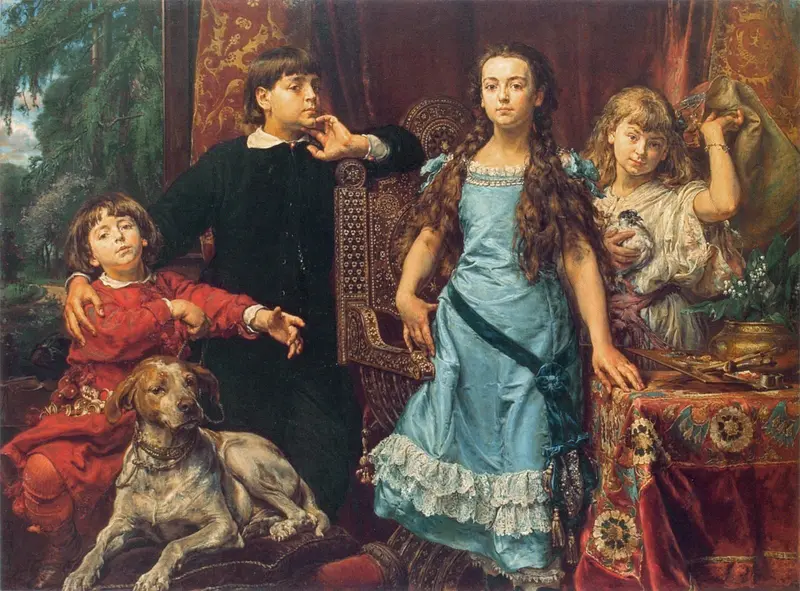
Portrait of the artist's four children
Jan Matejko
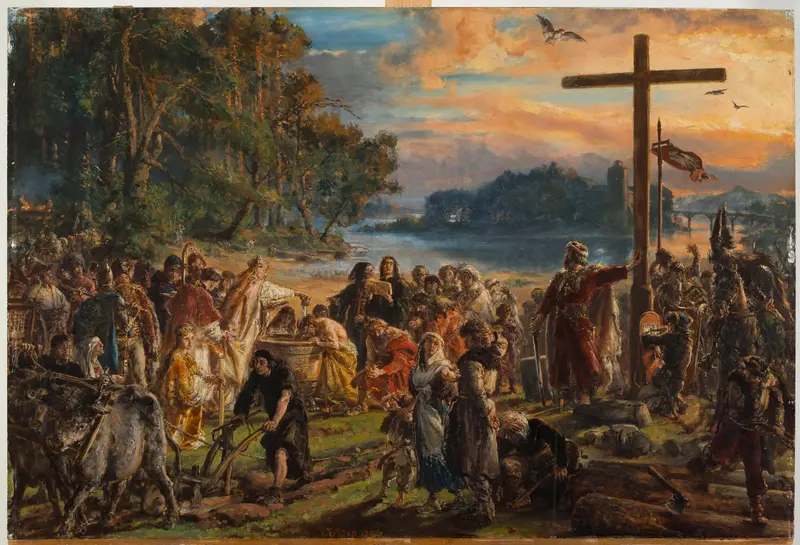
Introduction of Christianity in Poland
Jan Matejko
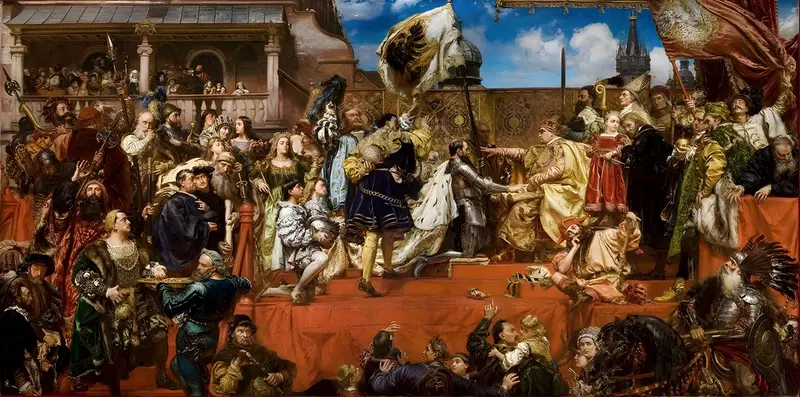
Prussian Homage
Jan Matejko





