
The last mail — History & Facts
Can beauty exist without sorrow? In The Last Mail, the interplay of light and shadow reveals life’s delicate balance, where moments of joy are inevitably tinged with the weight of longing. Look to the center of the composition, where a solitary figure stands at a weathered mailbox, its muted colors contrasting against the vibrant greens of the surrounding landscape. The figure, draped in soft, earthy tones, gazes out with an expression that speaks of anticipation and melancholy. Notice how the sunlight filters through the leaves, casting dappled patterns that dance across the ground, illuminating the path that stretches ahead yet remains uncertain. The emotional tension lies in the juxtaposition of hope and despair.
Each element—the mailbox, the figure, the lush foliage—symbolizes a choice, an intersection of past and future. The almost ethereal quality of the light suggests the fleeting nature of time, while the stillness of the scene invites contemplation. There’s a sense of pause, as if the narrative could pivot in any direction, echoing the inevitable moments we all face when awaiting news that could change our lives. Created during a period of personal and artistic exploration, The Last Mail emerged from Egner’s studio in the late 19th century, a time when the art world was embracing both realism and impressionism.
Engaged in the vibrant cultural scene of Vienna, she sought to capture intimate moments of everyday life, infusing them with emotional depth. This painting reflects her unique ability to blend beauty with a sense of profound reflection, encapsulating a moment that resonates with universal truths.
More Artworks by Marie Egner
Browse all →
Late Summer on the Salzburger Moor near Untersberg
Marie Egner
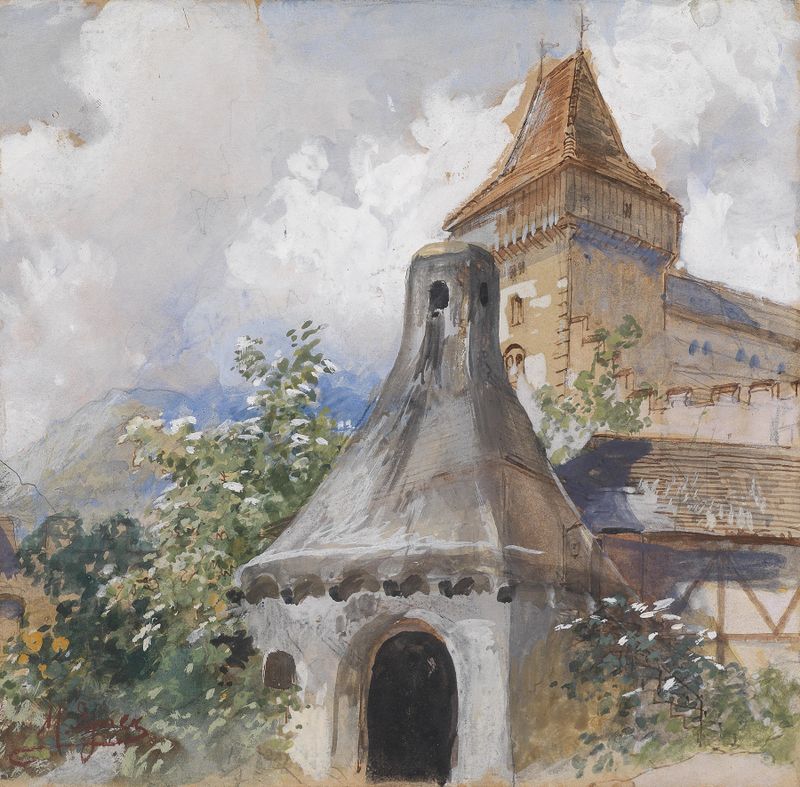
Burg und Dörrofen
Marie Egner
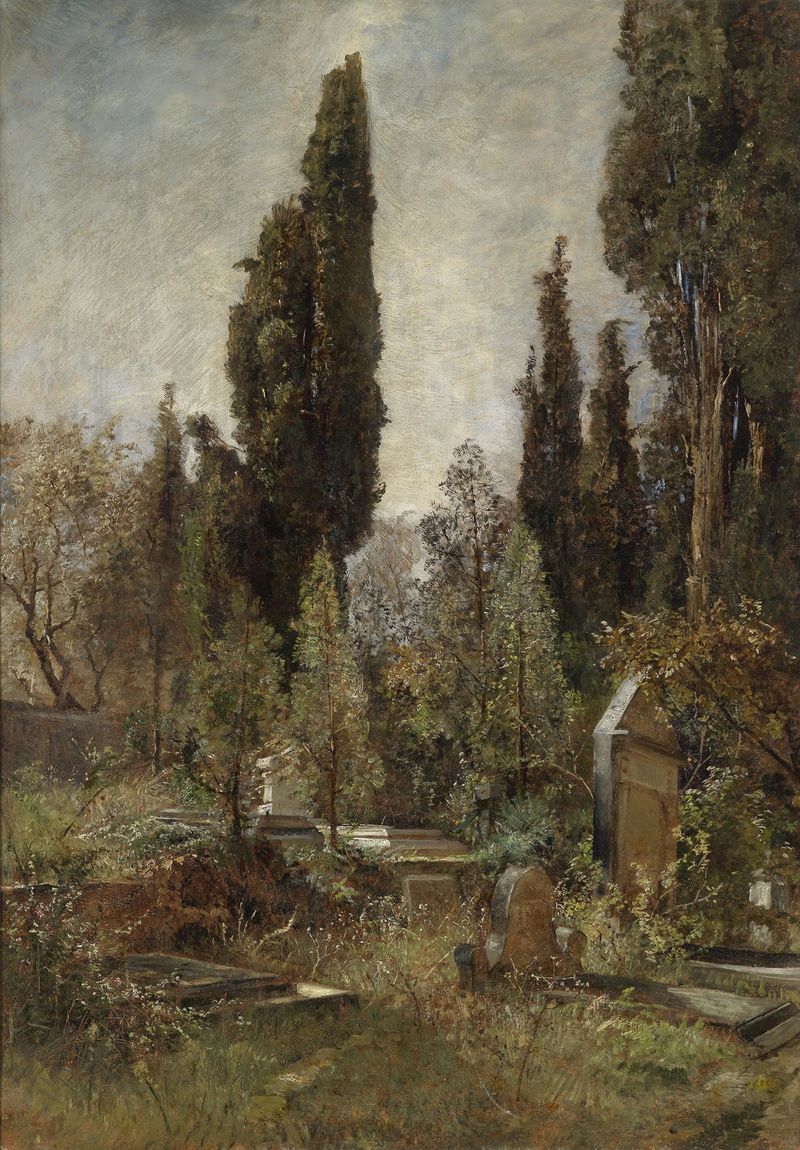
Alter Friedhof
Marie Egner

Blick gegen den Bisamberg
Marie Egner

Evening in Brittany
Marie Egner
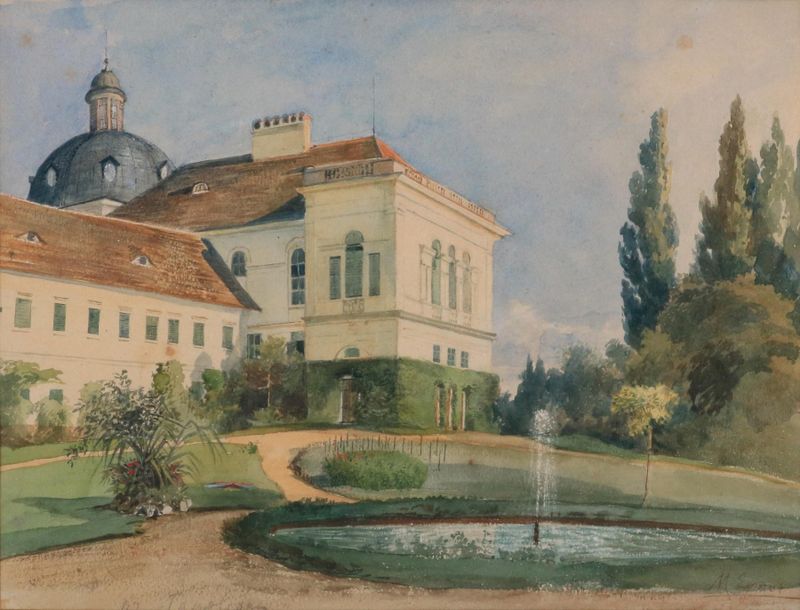
Schlosspark mit Springbrunnen
Marie Egner

A view of the courtyard at No. 8 Dreilaufergasse, 1070 Vienna
Marie Egner
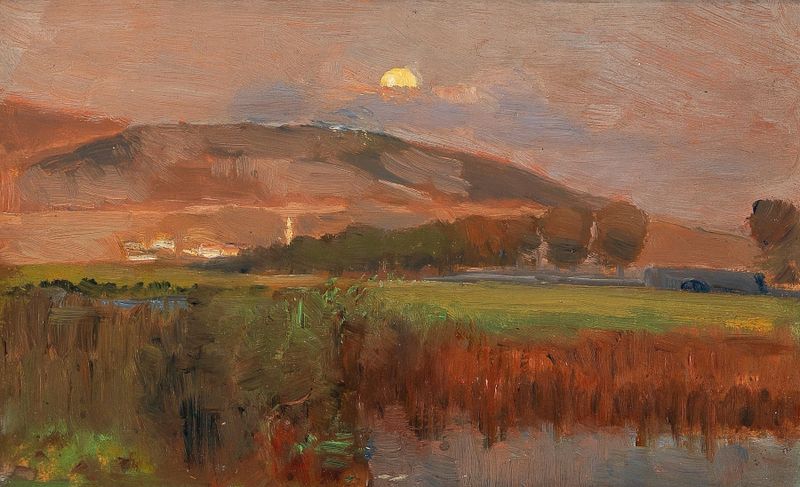
Abendstimmung
Marie Egner

Landschaftsstück
Marie Egner

Old Mill in Gastein
Marie Egner





