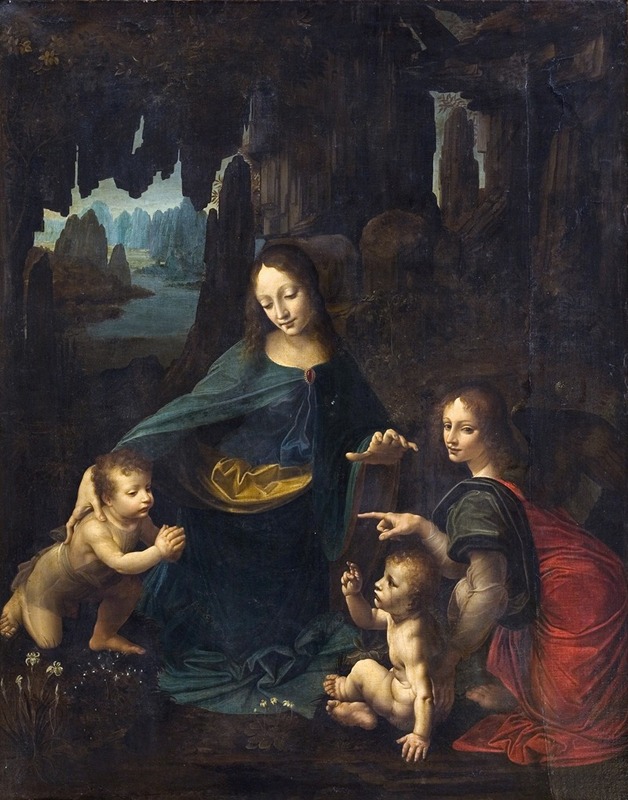
Discover insights about this artwork
The Last Supper, after Leonardo da Vinci — History & Facts
In The Last Supper, after Leonardo da Vinci, Rembrandt van Rijn presents a reinterpretation of the iconic scene. The painting features a warm palette of browns, golds, and deep reds, creating a rich atmosphere. Figures are arranged around a long table, with expressions of contemplation and emotion.
The setting is illuminated by a soft light that highlights the details of the figures and their surroundings. This artwork showcases Rembrandt's characteristic use of chiaroscuro, emphasizing the contrast between light and shadow. The brushwork is loose yet deliberate, allowing for a dynamic representation of the figures. The composition draws the viewer's eye to the central figure, reminiscent of da Vinci's original arrangement.
The painting is executed in oil on canvas, a medium that allows for depth and texture. Created in the 1660s, this piece reflects Rembrandt's deep engagement with religious themes throughout his career. Unlike da Vinci's more static composition, Rembrandt's version conveys a sense of movement and interaction among the figures. An interesting fact about this work is that it demonstrates Rembrandt's ability to reinterpret classical themes through his unique lens.
This painting is housed in the Rijksmuseum, a testament to its significance in art history.
More Artworks by Rembrandt van Rijn
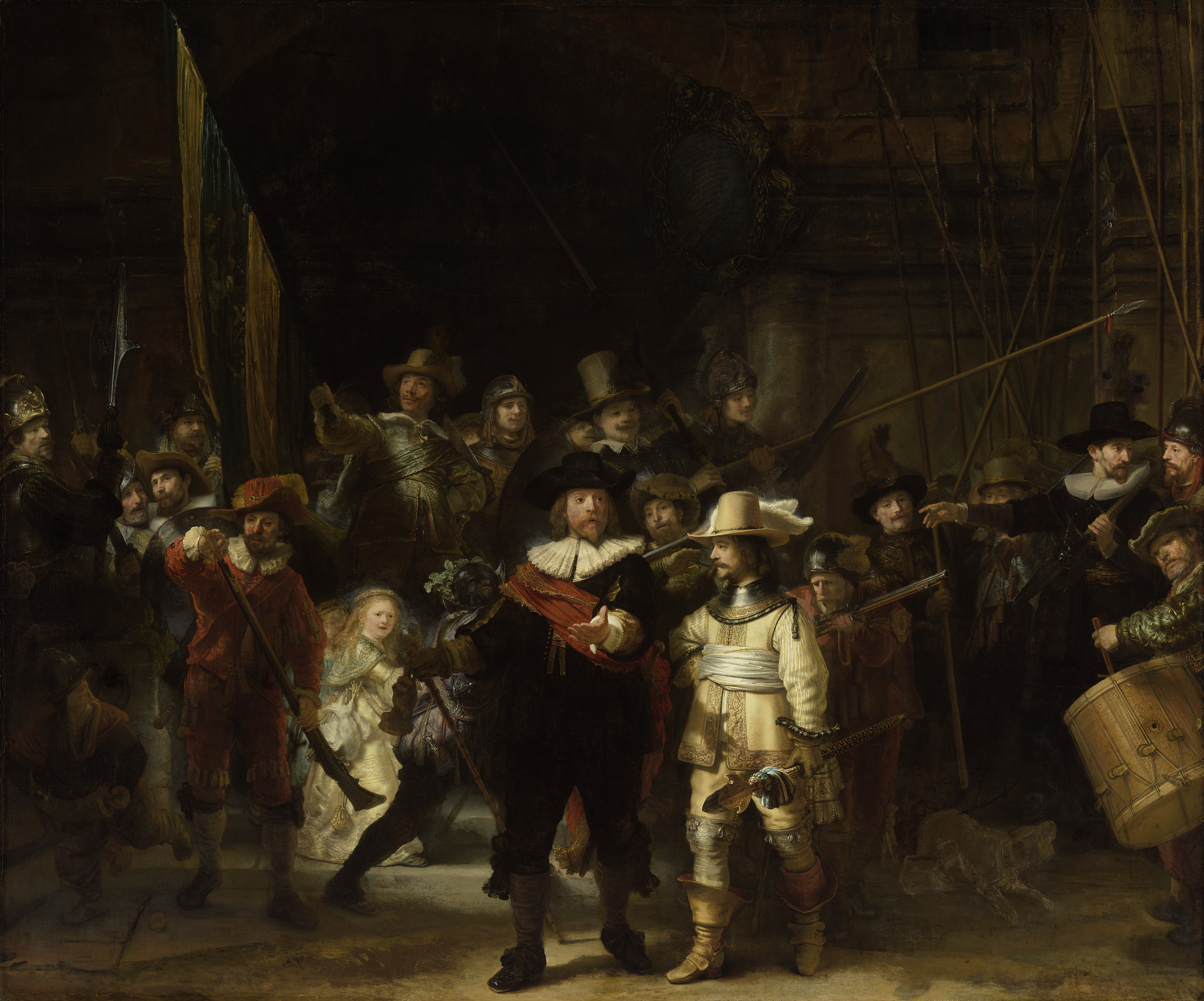
The Night Watch Militia Company of District II under the Command of Captain Frans Banninck Cocq
Rembrandt van Rijn
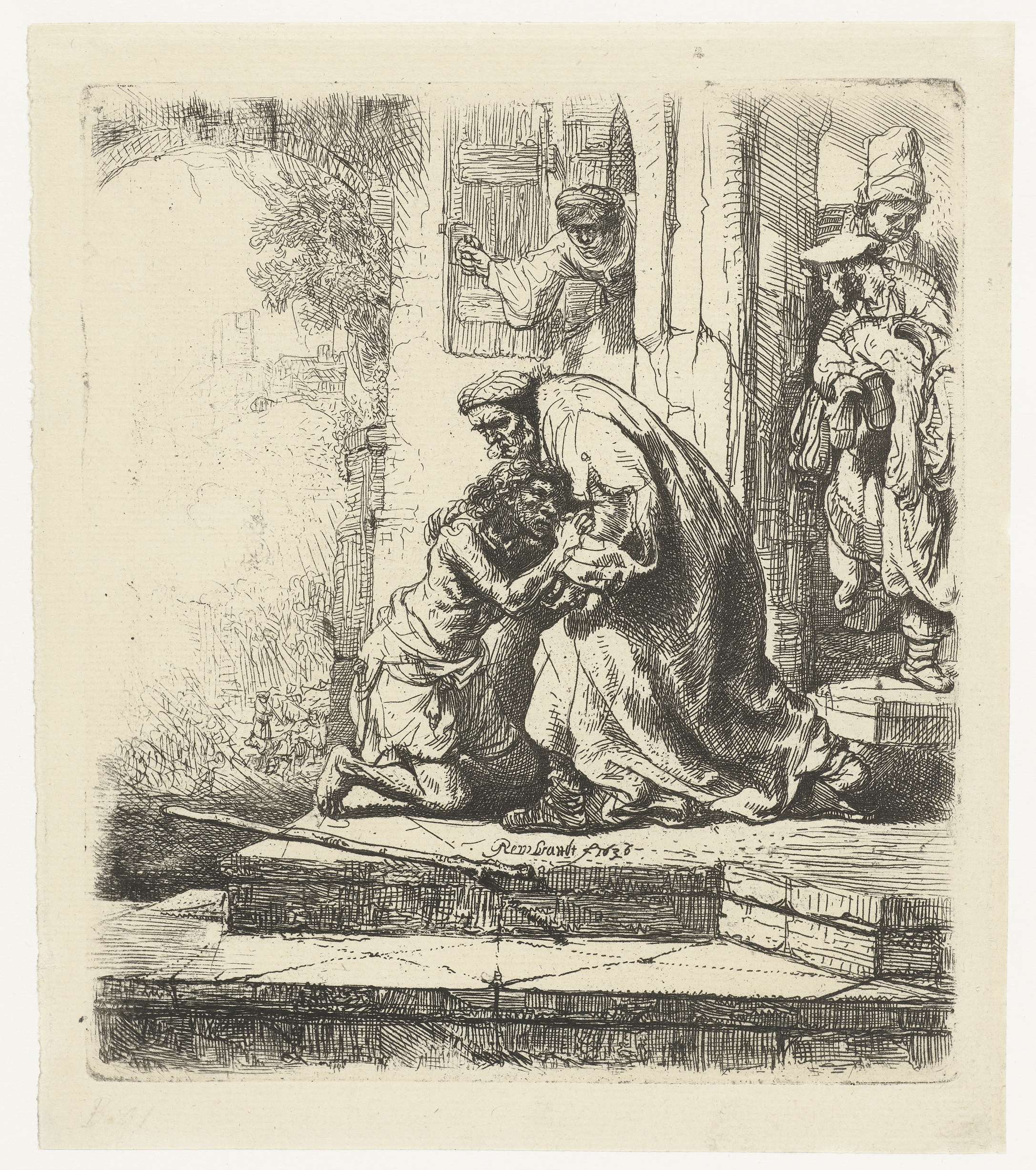
The Return of the Prodigal Son
Rembrandt van Rijn
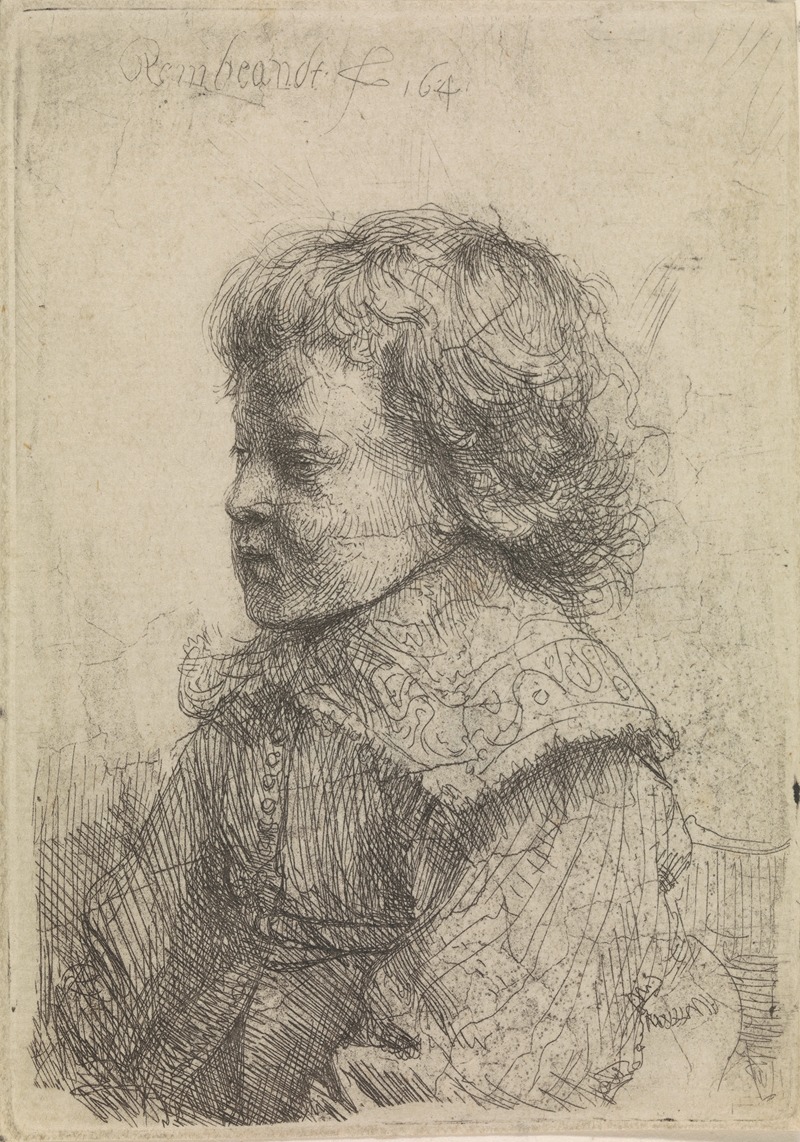
Portrait of a boy in profile
Rembrandt van Rijn
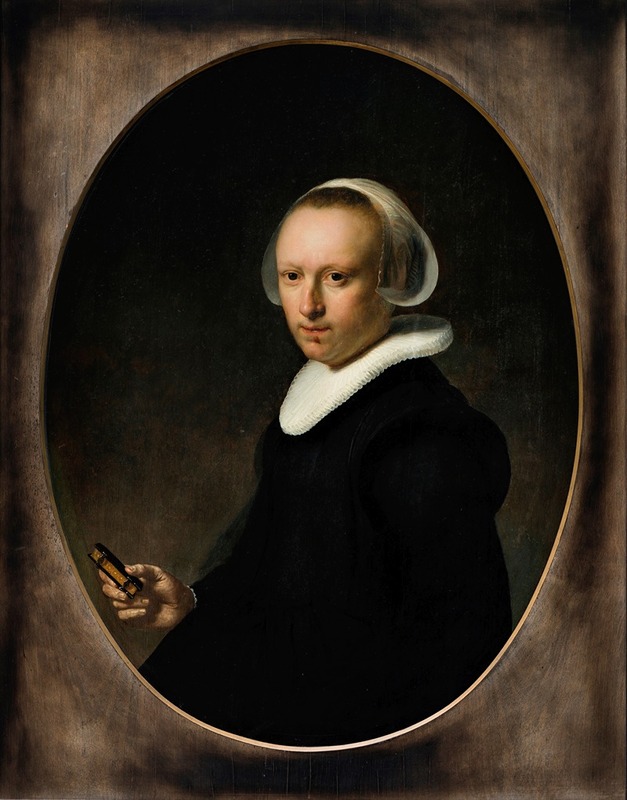
Portrait of a 39-year-old Woman
Rembrandt van Rijn
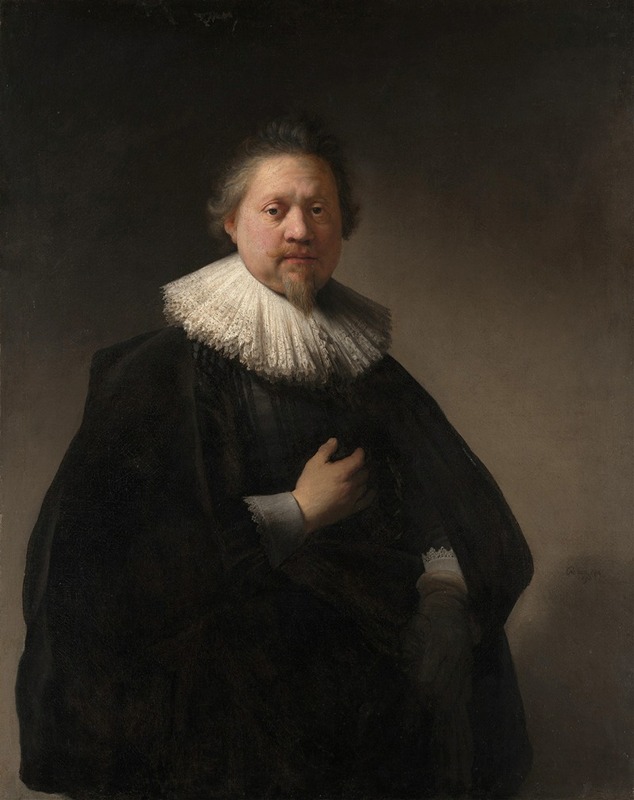
Portrait of a Man
Rembrandt van Rijn
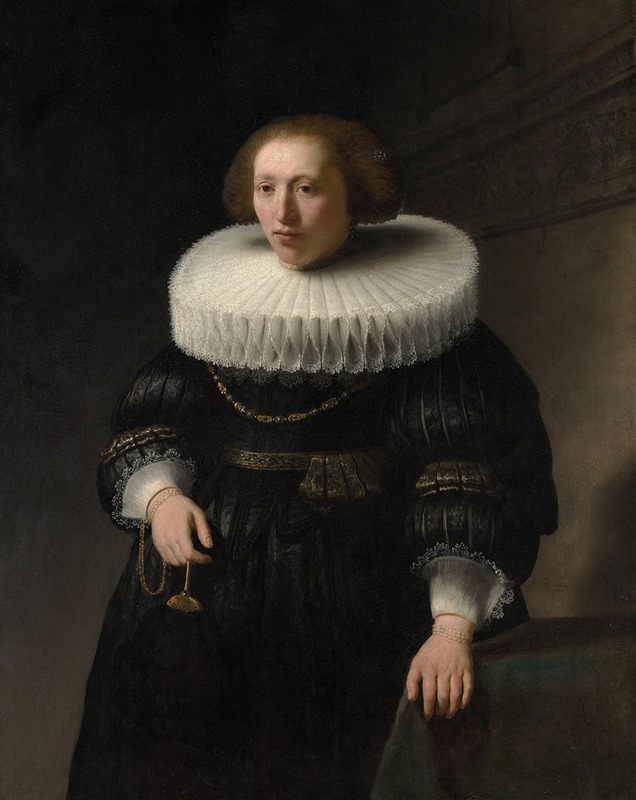
Portrait of a Woman
Rembrandt van Rijn
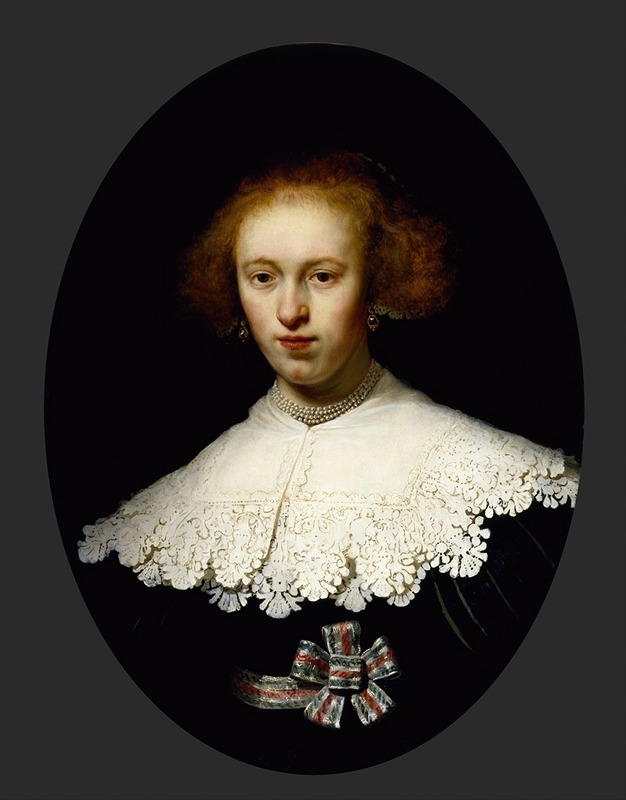
Portrait of a Young Woman
Rembrandt van Rijn
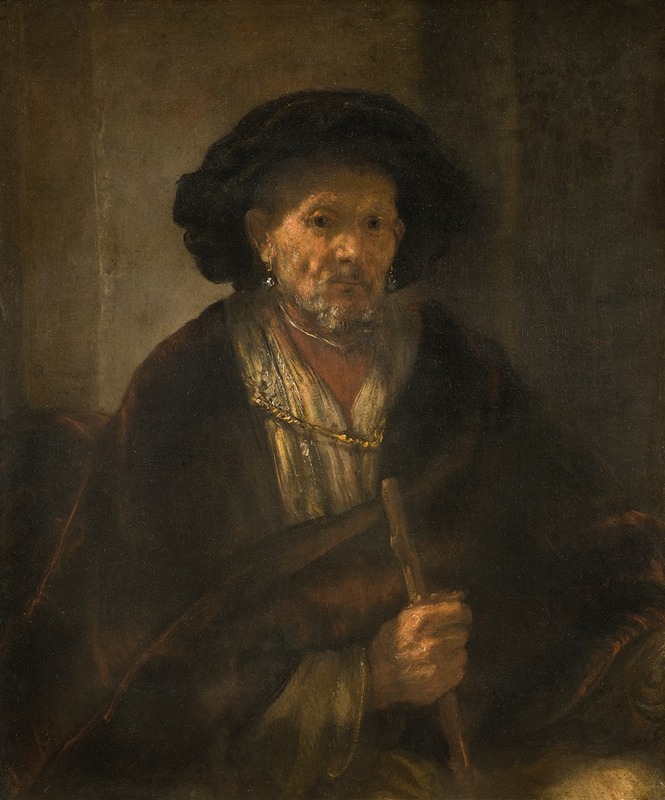
Portrait of an Old Man
Rembrandt van Rijn
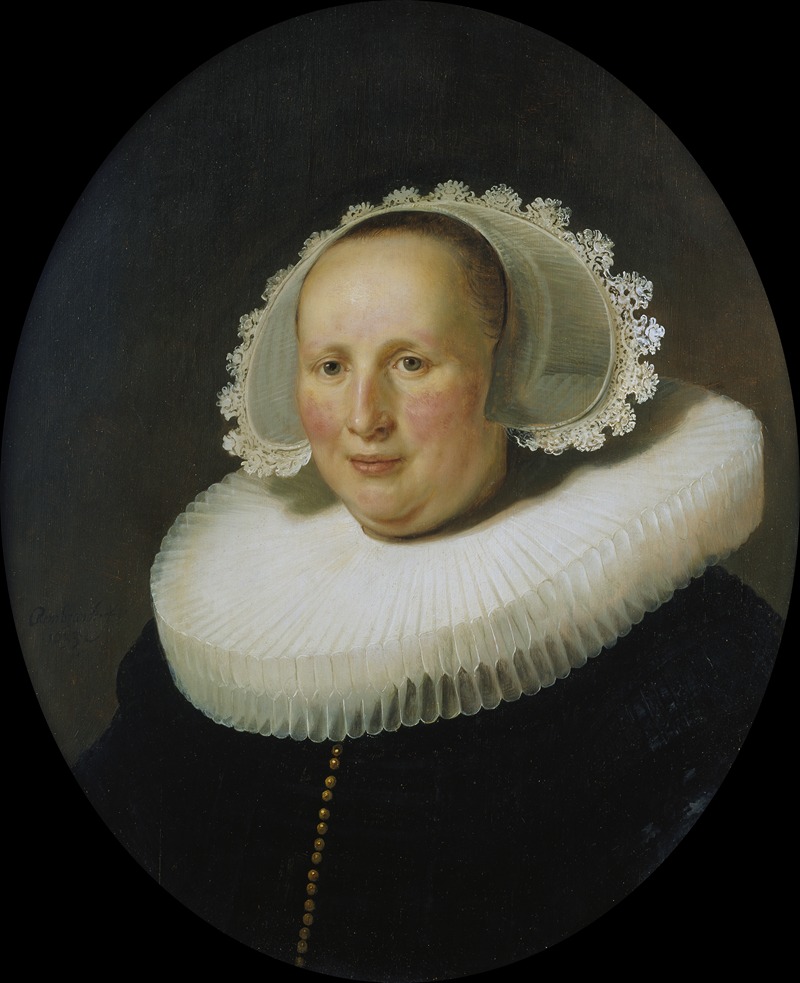
Portrait of Maertgen van Bilderbeecq
Rembrandt van Rijn
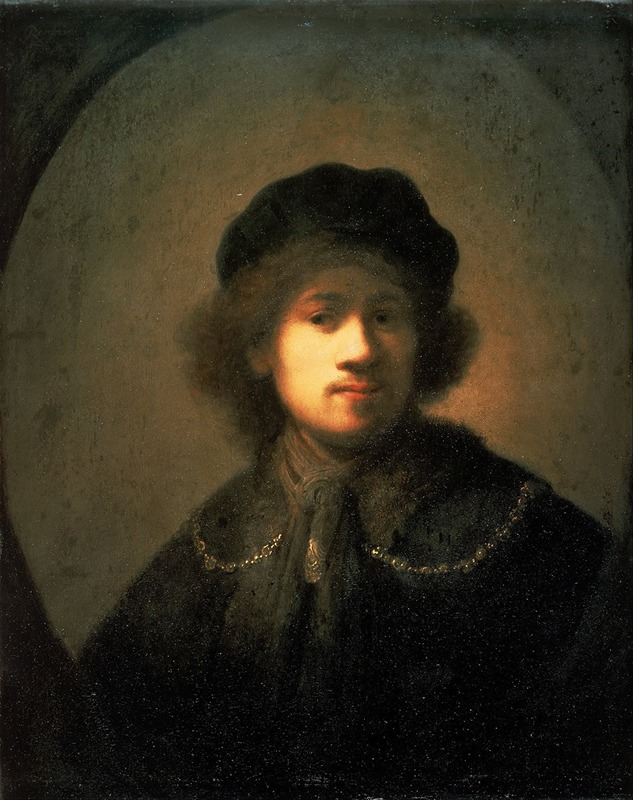
Portrait of the Artist as a Young Man
Rembrandt van Rijn