
The laundresses’ homes — History & Facts
What secret hides in the quiet of the canvas? One can almost hear the soft rustle of fabric and the gentle swish of water, as if the very air is pregnant with the stories of those who toil unseen. This painting invites us to reflect on movement, the pulsating rhythm of life captured in the stillness of a moment. Look to the left at the figure of a laundress bending low over a tub, her back arched gracefully as if in a dance. The light finds its way delicately through the scene, illuminating the splashes of white linen against the muted hues of the surrounding environment.
Rouba employs a soft color palette, layering earthy tones with hints of light to create an atmosphere that is both tranquil and industrious. The composition draws your eye across the canvas, weaving between the figures, each one absorbed in the repetitive yet vital act of washing, their motions forming a syncopated rhythm. Beneath the surface, this work reveals contrasts that resonate deeply. The intimate vulnerability of the laundresses is juxtaposed with their strength, encapsulating the struggle of labor and the dignity found within it.
Each figure, while solitary in their task, contributes to a collective experience—a powerful commentary on shared labor in an era often overshadowed by industrialization. The movement depicted hints at both the physical toll of their work and the unyielding spirit of resilience. Michał Rouba created this piece in 1930, during a time when Europe was grappling with the aftermath of World War I and the challenges of economic instability. Living in Poland, Rouba was influenced by the rising movements in art that sought to depict everyday life with honesty.
This painting reflects not only his technical prowess but also his desire to honor the unsung heroes of daily labor—those who, despite societal struggles, persist in their roles.
More Artworks by Michał Rouba
Browse all →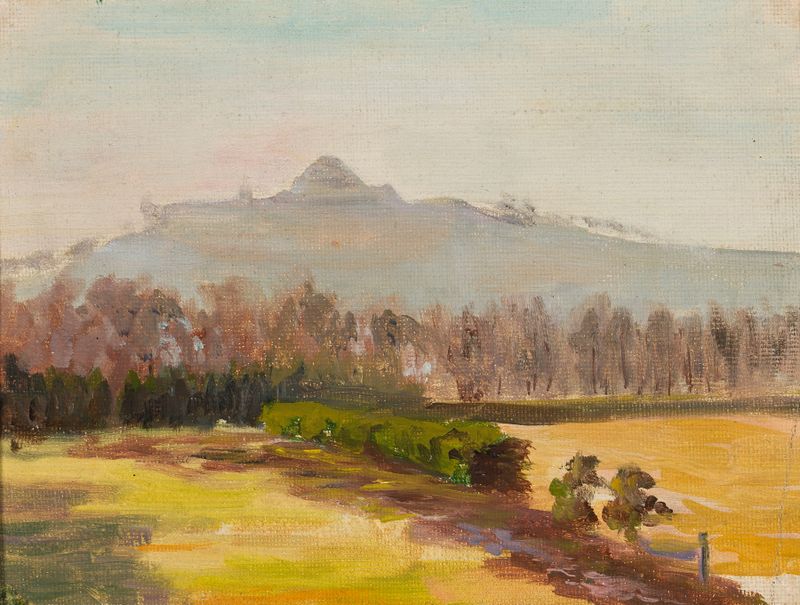
Landscape with a view of the Kościuszko Mound
Michał Rouba
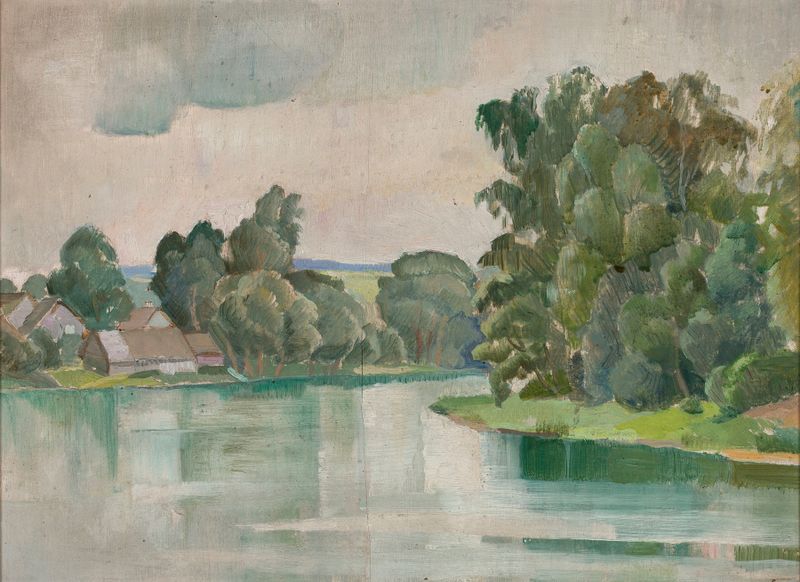
Village by a river
Michał Rouba
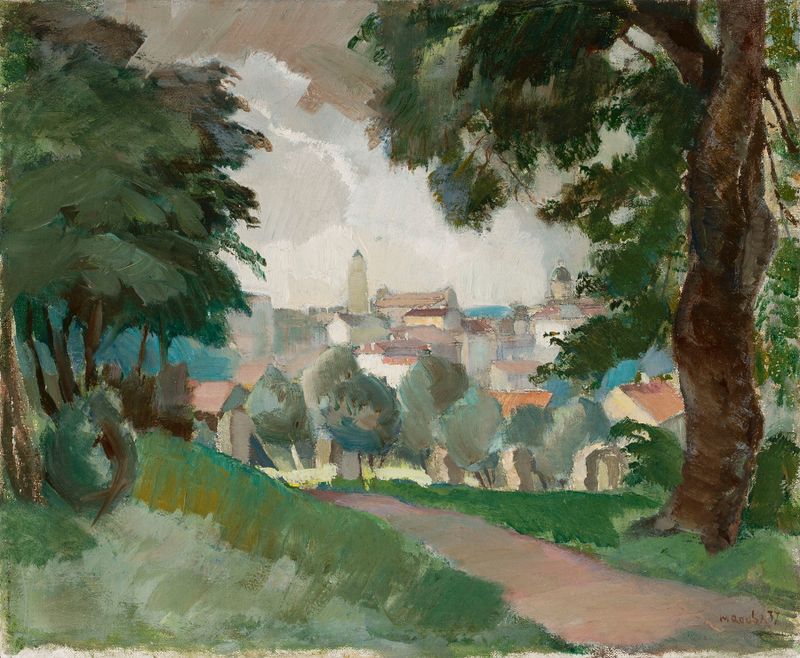
Widok Wilna wśród drzew
Michał Rouba
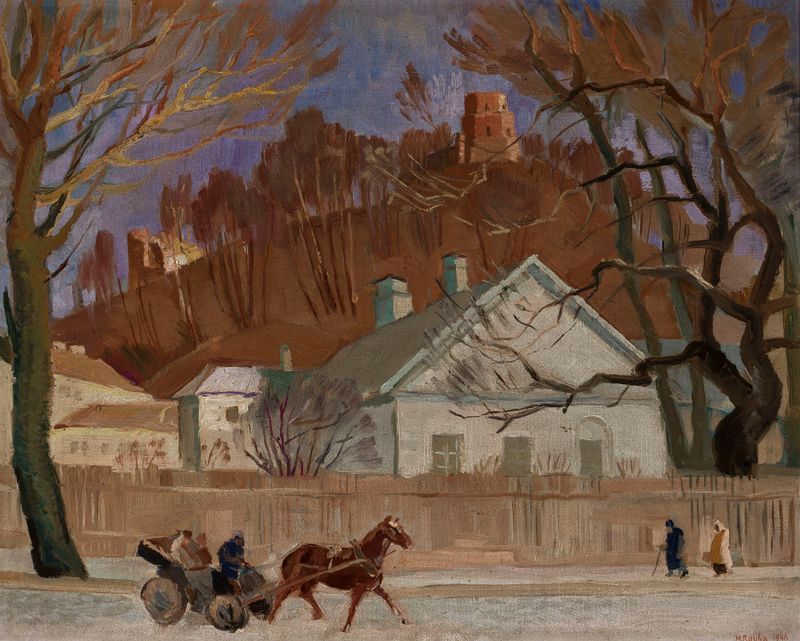
Gediminas Mountain in Vilnius
Michał Rouba
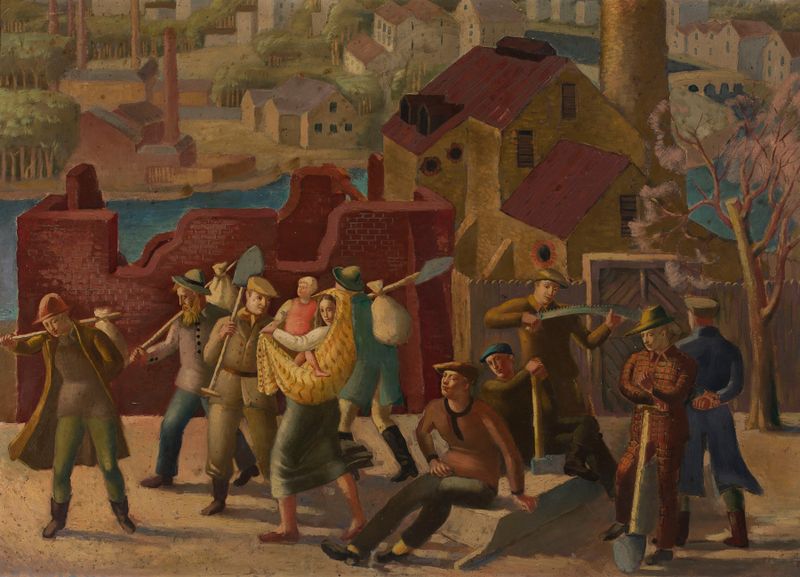
Urban landscape with workers against the background of a building
Michał Rouba
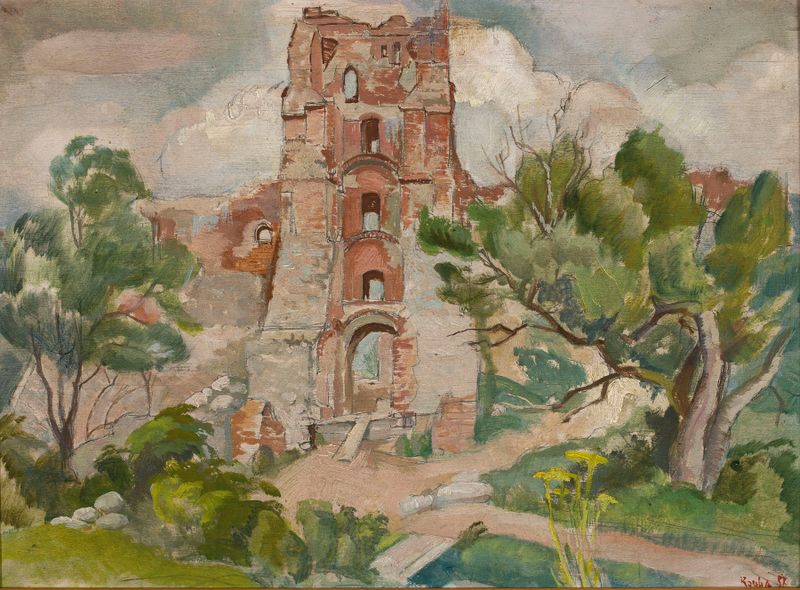
Tower in Troki
Michał Rouba
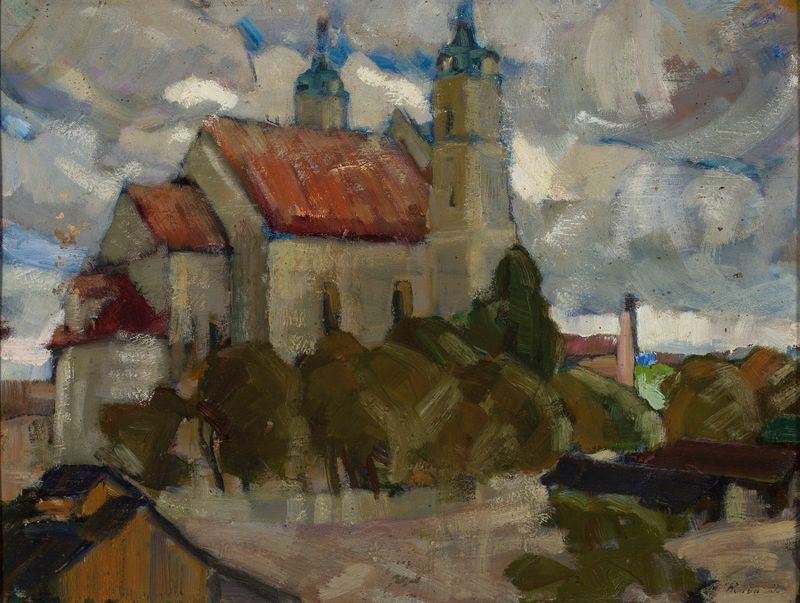
Church among trees
Michał Rouba
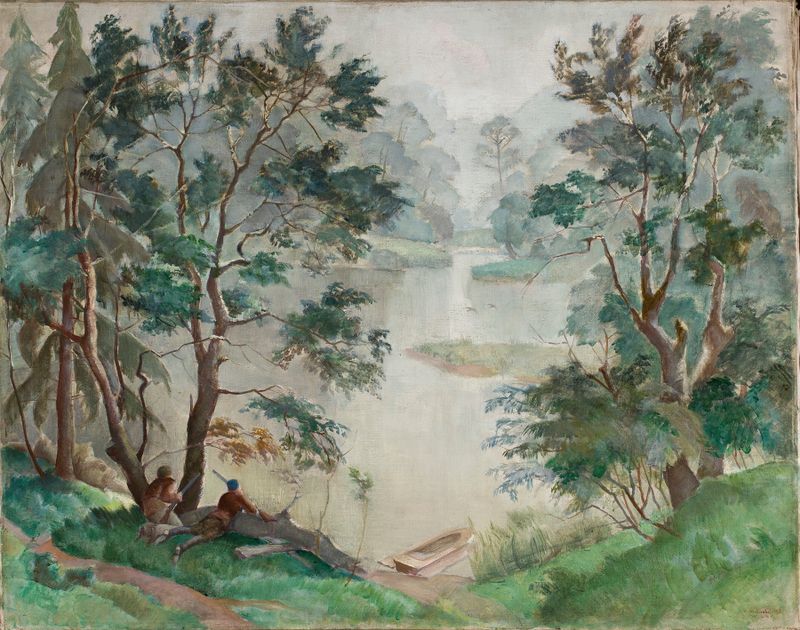
Autumn fogs
Michał Rouba
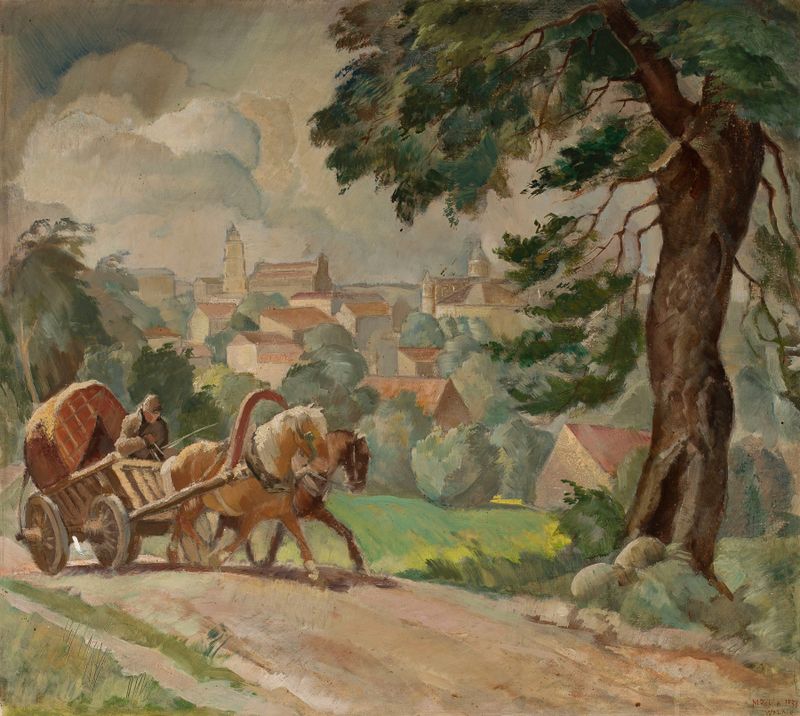
Two-horse cart on the road into town
Michał Rouba
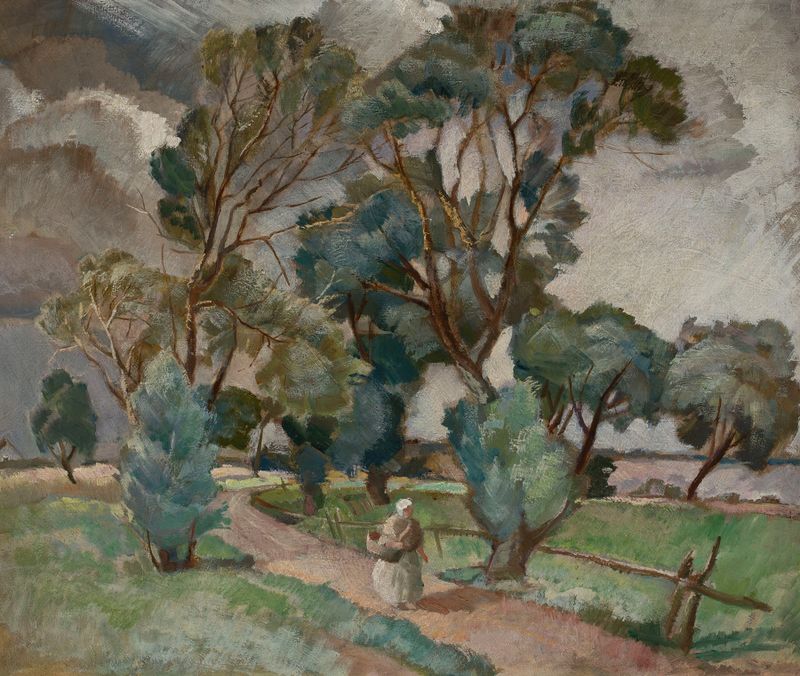
Dull day
Michał Rouba





