
The Lictors Bringing Brutus the Bodies of His Sons — History & Facts
In The Lictors Bringing Brutus the Bodies of His Sons, Jacques Louis David presents a somber scene filled with dark colors and dramatic contrasts. The figures are arranged in a triangular composition, with Brutus at the center, embodying both grief and stoicism. His sons lie lifeless, draped in white, evoking a sense of tragedy.
The background is minimal, focusing the viewer's attention on the emotional turmoil of the characters. David employs oil on canvas to create this large-scale work, which measures approximately 200 x 300 cm. The painting showcases his skill in rendering human emotions through facial expressions and body language. The use of light and shadow enhances the dramatic effect, highlighting Brutus's anguish.
The historical context is rooted in Roman history, emphasizing themes of duty and sacrifice. Jacques Louis David was a leading figure in the Neoclassical movement, known for his focus on moral virtue and historical themes. The Lictors Bringing Brutus the Bodies of His Sons was painted around 1789, a time of political upheaval in France. This work reflects David's interest in the ideals of the French Revolution, particularly the concepts of liberty and sacrifice.
Interestingly, it was commissioned by the French government, showcasing the artist's alignment with revolutionary ideals.
More Artworks by Jacques Louis David
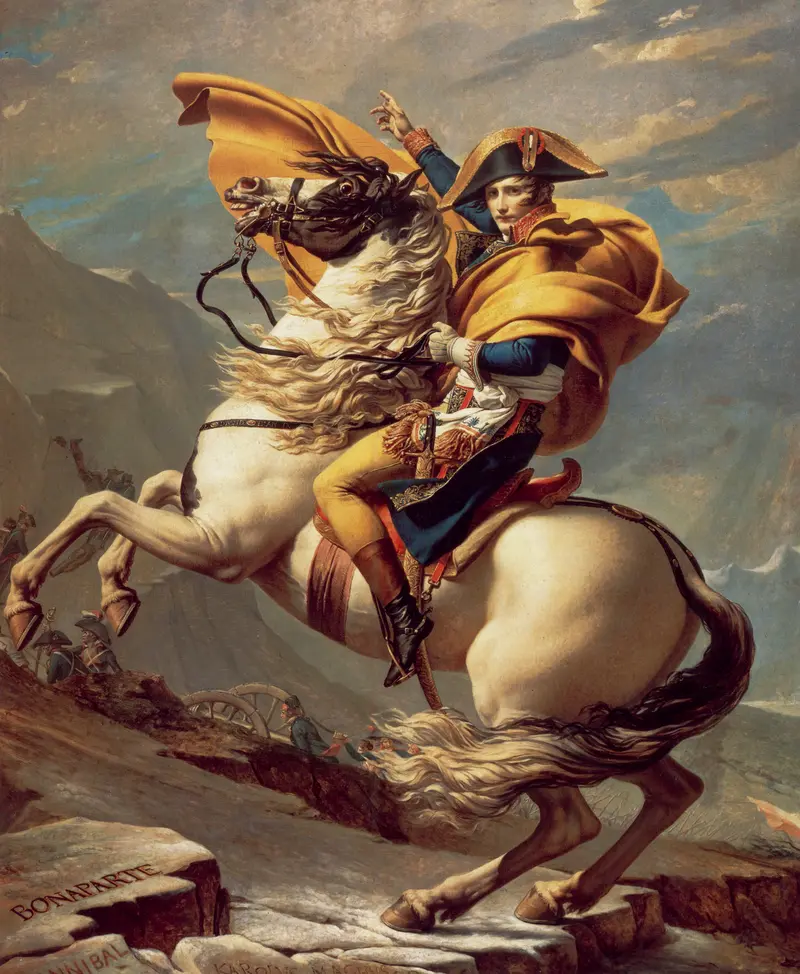
Napoleon Crossing the Alps
Jacques Louis David
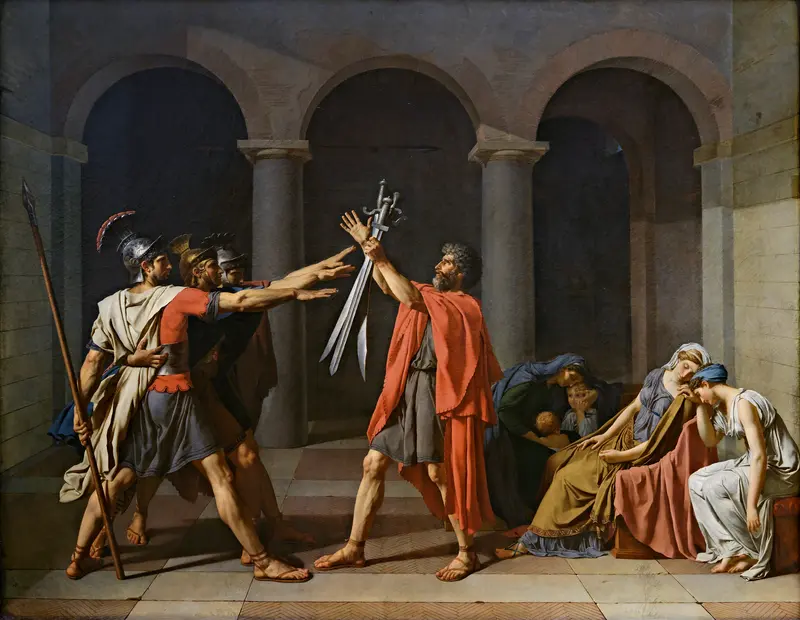
Oath Of The Horatii
Jacques Louis David
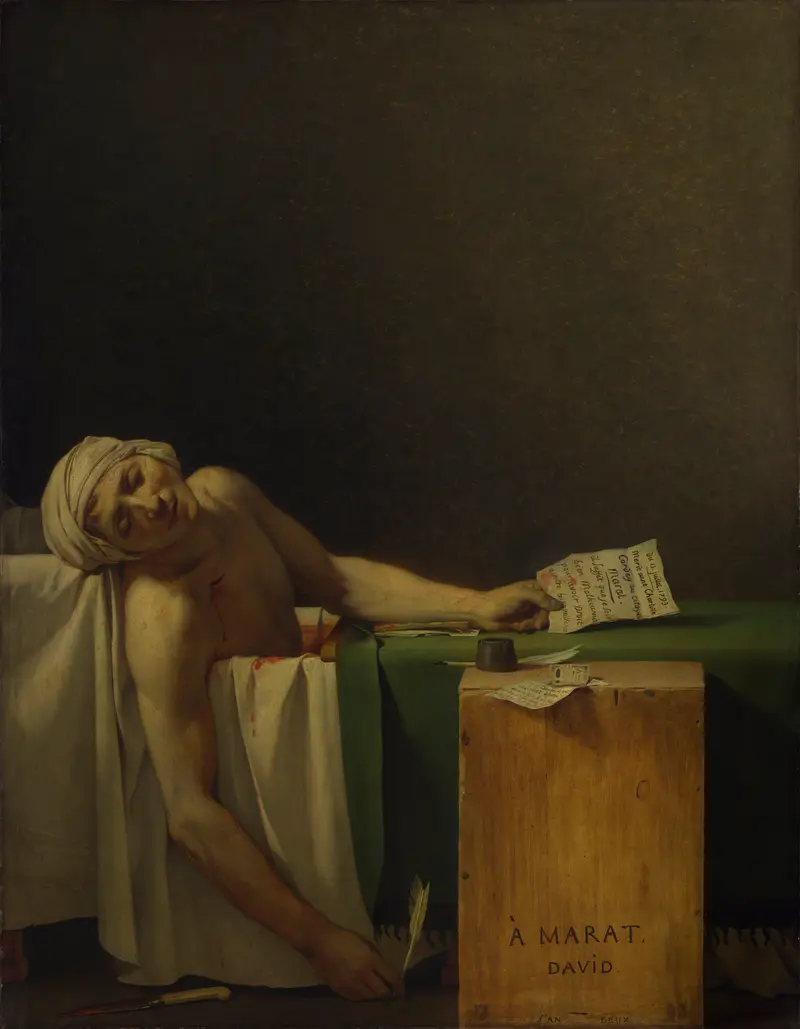
The Death of Marat
Jacques Louis David
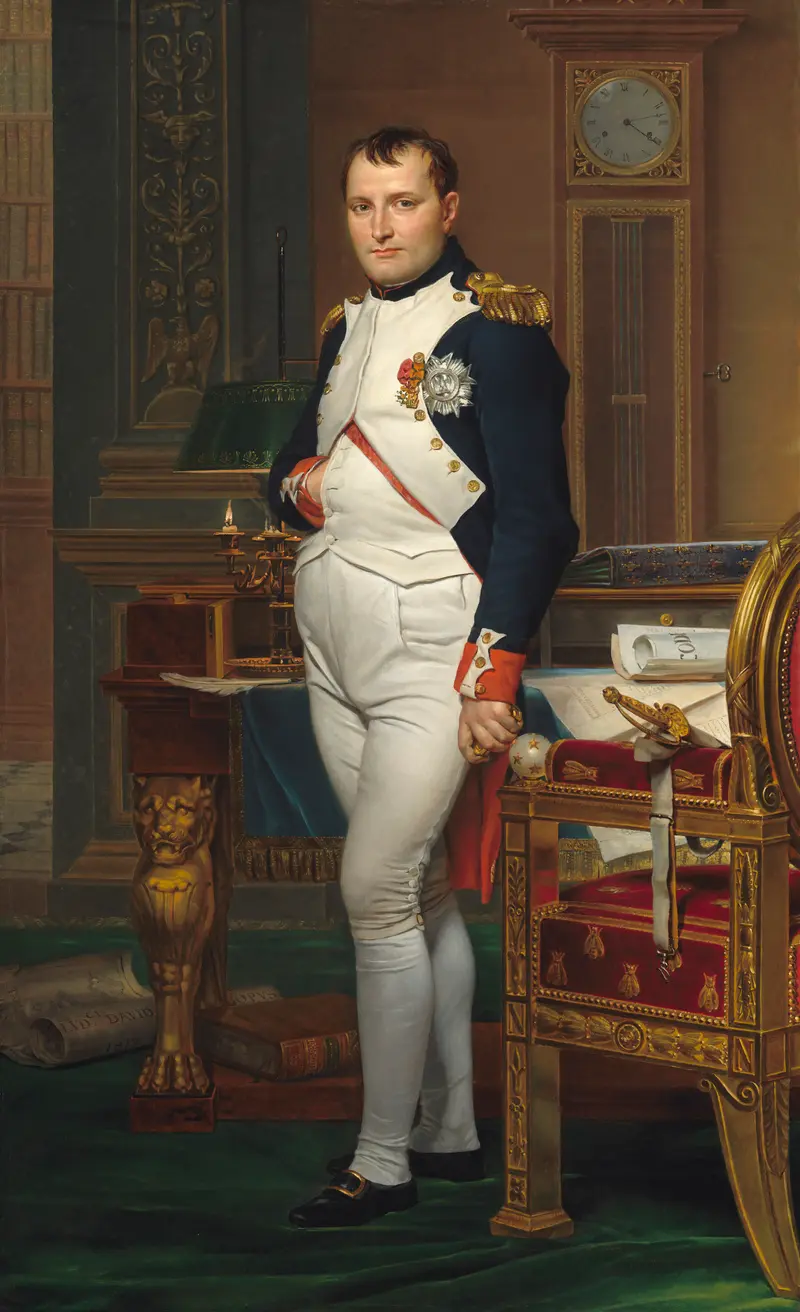
The Emperor Napoleon in His Study at the Tuileries
Jacques Louis David
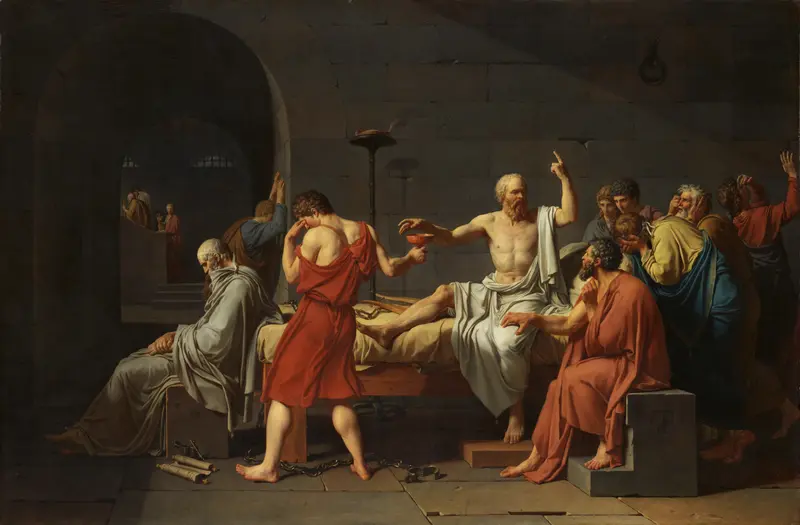
The Death of Socrates
Jacques Louis David
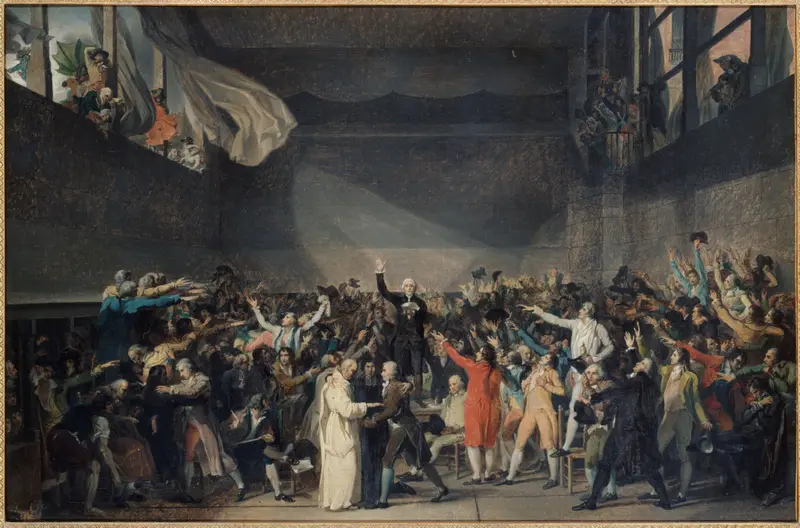
Serment Du Jeu De Paume, Le 20 Juin
Jacques Louis David
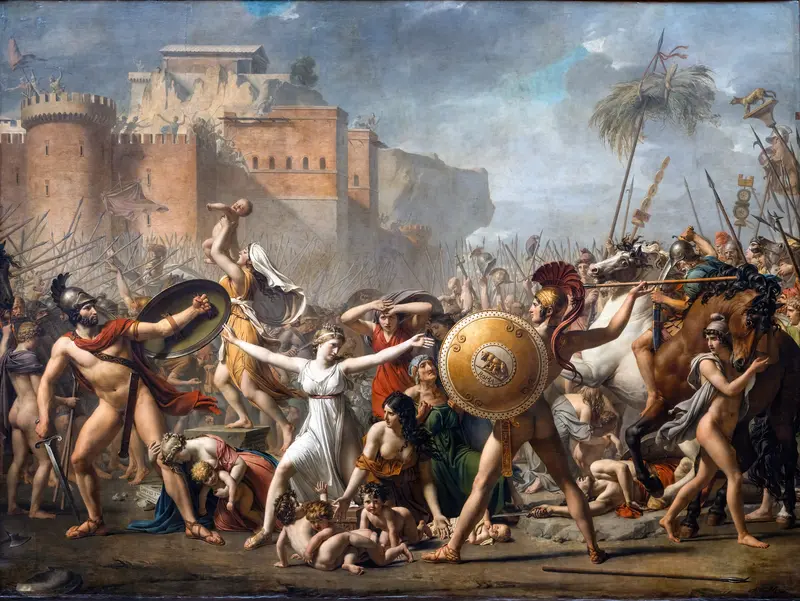
The Intervention Of The Sabine Women
Jacques Louis David
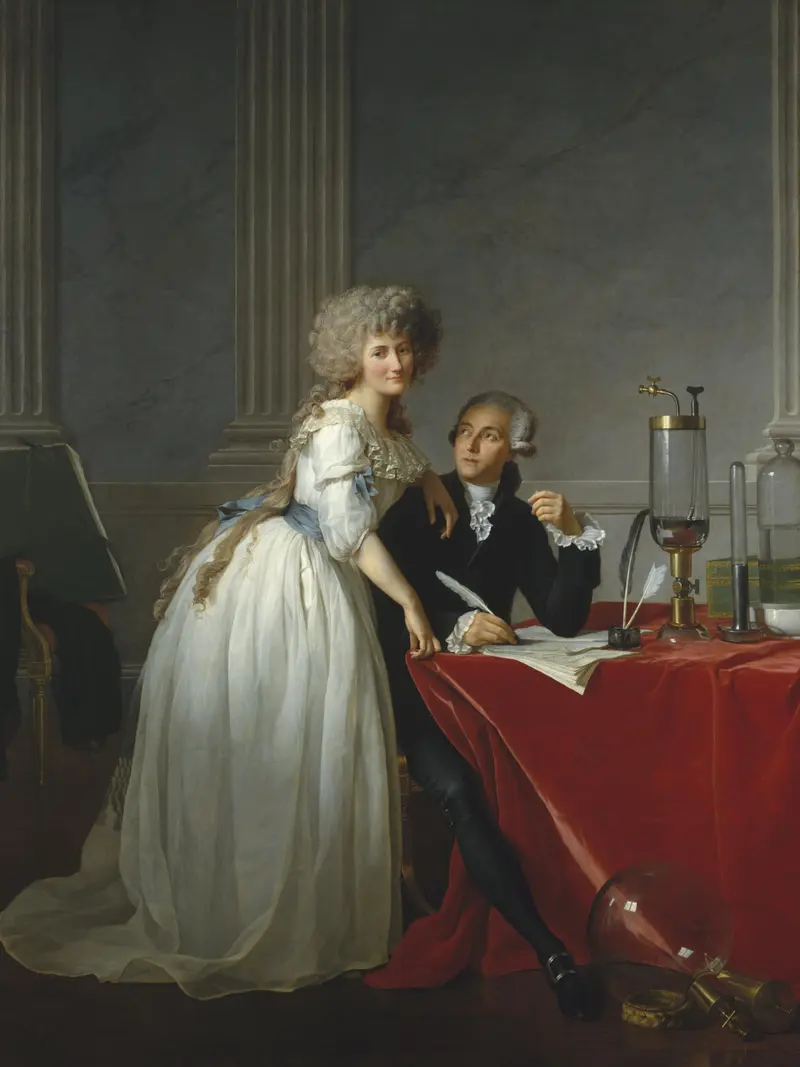
Antoine Laurent Lavoisier (1743–1794) and Marie Anne Lavoisier (Marie Anne Pierrette Paulze, 1758–1836)
Jacques Louis David
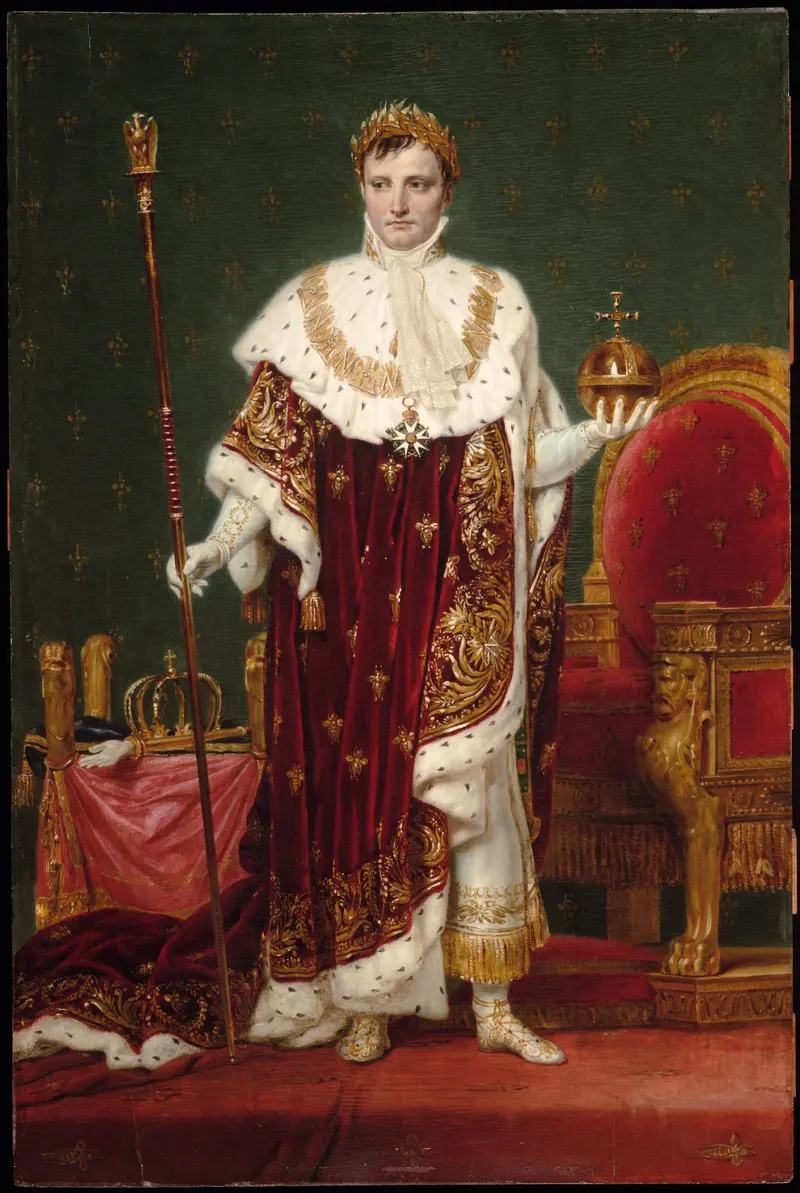
Emperor Napoleon I (1769-1821)
Jacques Louis David
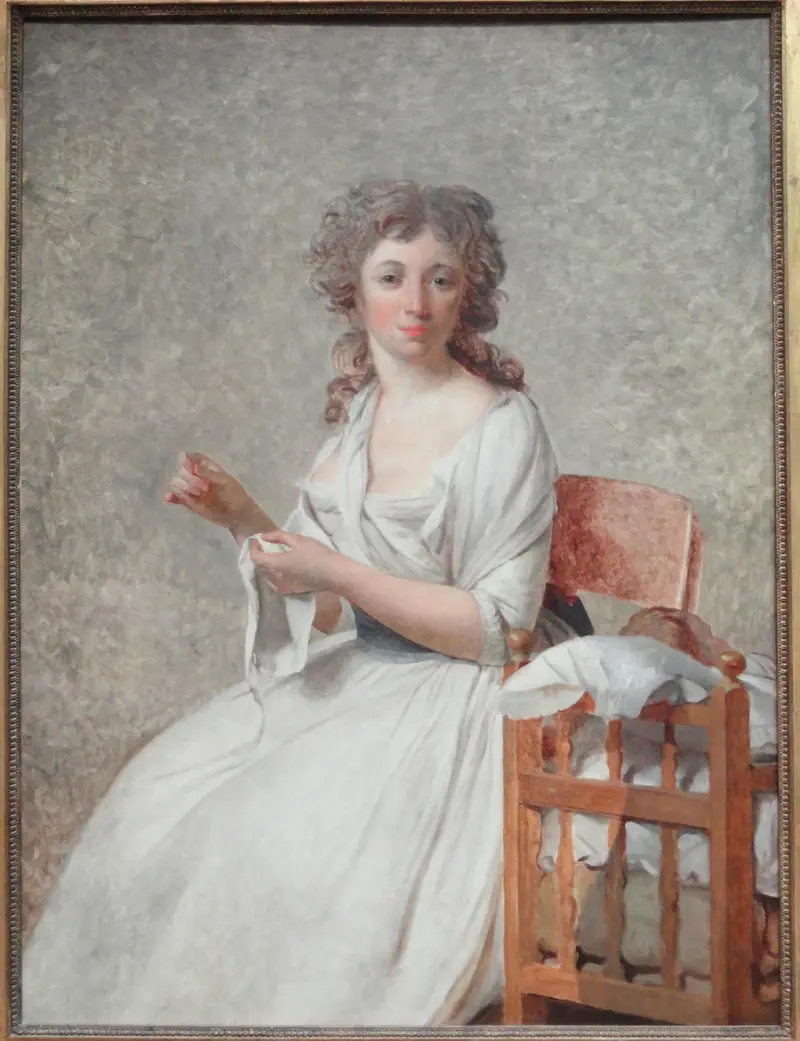
Madame de Pastoret and Her Son
Jacques Louis David





