
The Lighthouse — History & Facts
Did the painter know this moment would outlive them? In a world where time slips like sand through fingers, The Lighthouse stands as a testament to the enduring light of dreams and aspirations. Focus on the striking light that emanates from the lighthouse, casting warm hues against the cool dusk sky. The artist masterfully captures the interplay of light and shadow, directing your gaze upward to the beacon that pierces the twilight. The surrounding waves, frothy and alive, seem to whisper secrets of sailors long gone, creating a dynamic contrast to the stillness of the structure itself.
Each brushstroke reveals a careful balance of color, evoking a sense of peace amidst the chaos of the sea. Delve deeper into the artwork's emotional resonance, where the lighthouse symbolizes both guidance and solitude. Notice the serene expression on the face of a lone figure standing at the water's edge, embodying hope and longing. The juxtaposition of the sturdy lighthouse against the tumultuous ocean invites contemplation of humanity's quest for direction and safety in a world rife with uncertainty. Leontine von Littrow painted The Lighthouse during a time when her artistic voice was beginning to emerge amid the shifting tides of the art world.
Living in the late 19th century, she was deeply influenced by the Romantic movement's emphasis on nature and individual emotion. This piece reflects her engagement with the themes of light and solitude, as she navigated her own path in a male-dominated artistic landscape.
More Artworks by Leontine von Littrow
Browse all →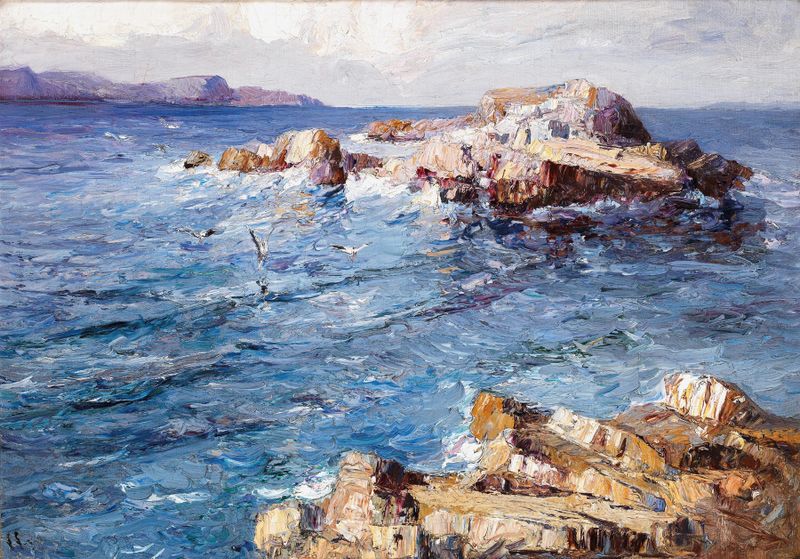
Breaking Waves
Leontine von Littrow
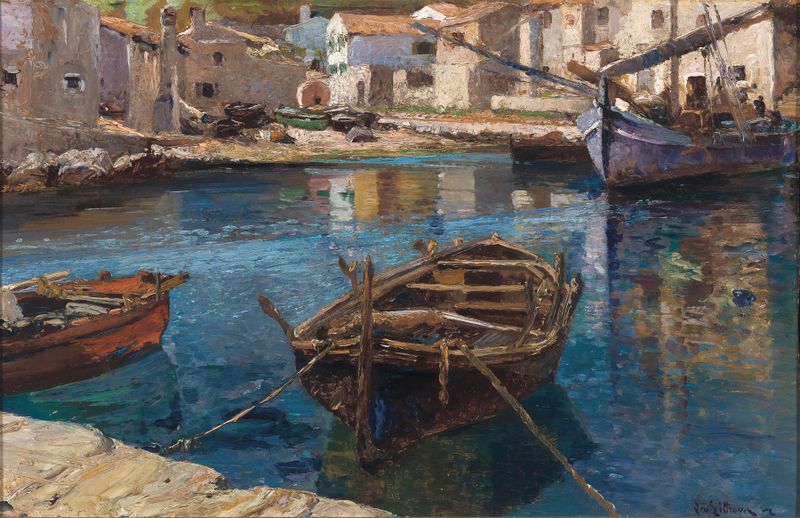
Fishing Boats in the Harbour
Leontine von Littrow
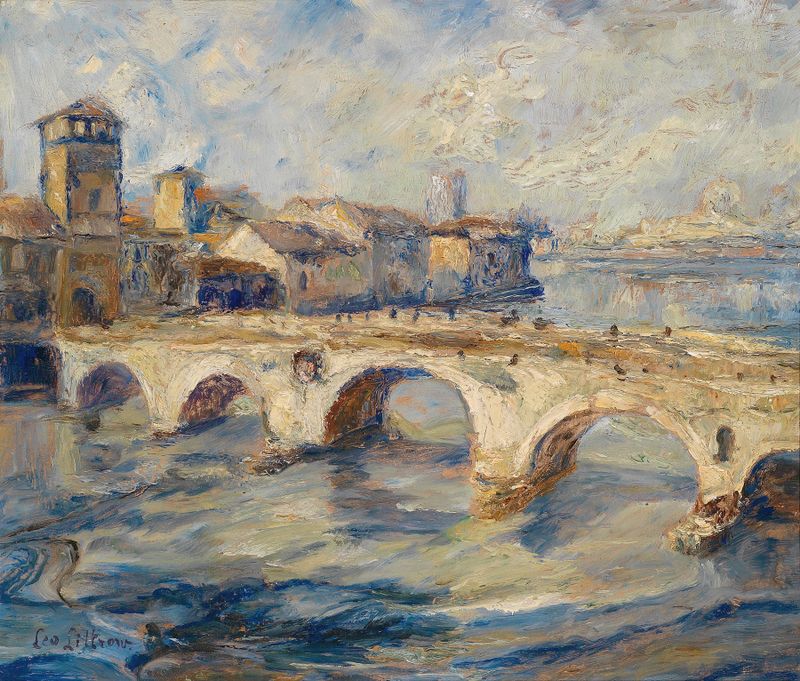
Ponte Pietra Verona
Leontine von Littrow
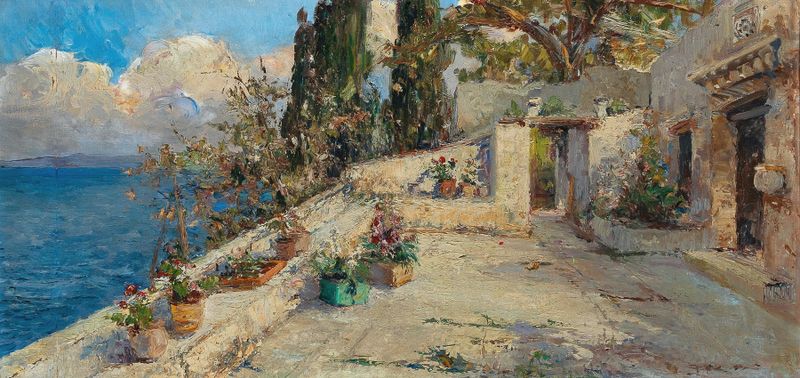
View from a terrace
Leontine von Littrow
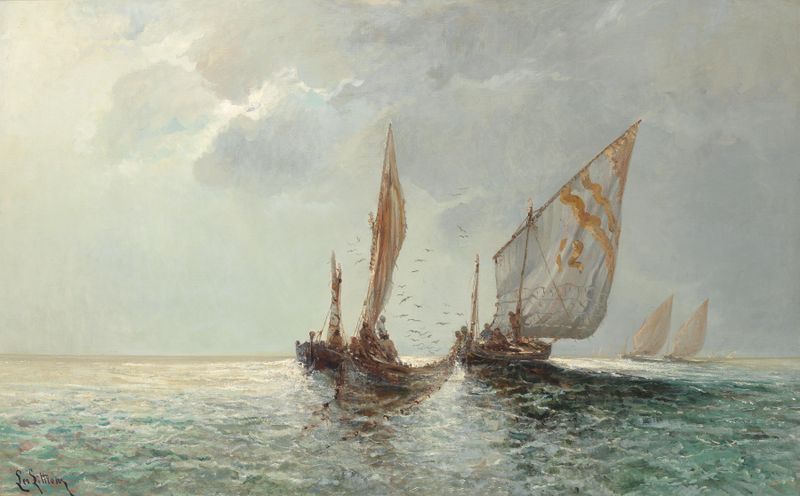
Fishing Boats By The Coast
Leontine von Littrow
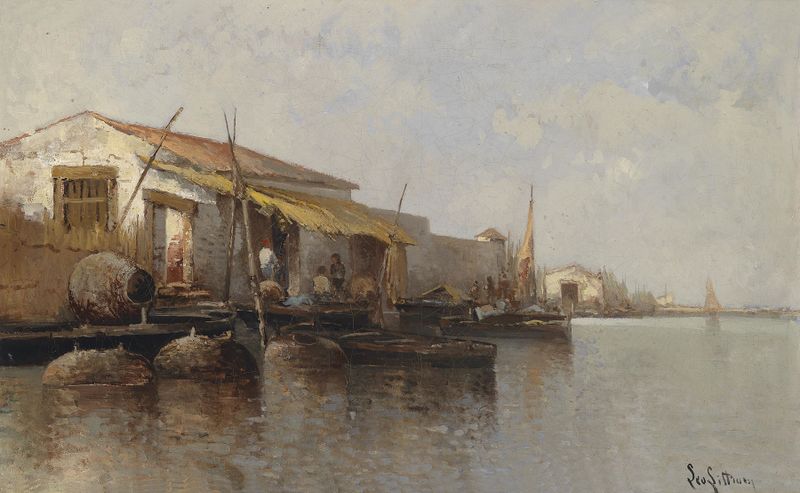
In der Lagune
Leontine von Littrow
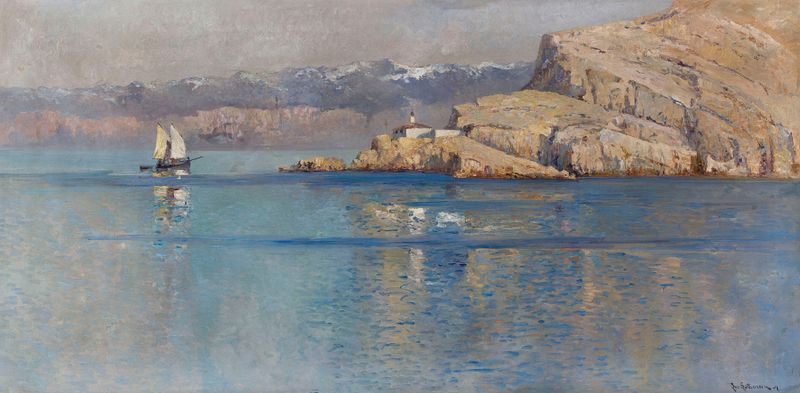
Marine landscape
Leontine von Littrow
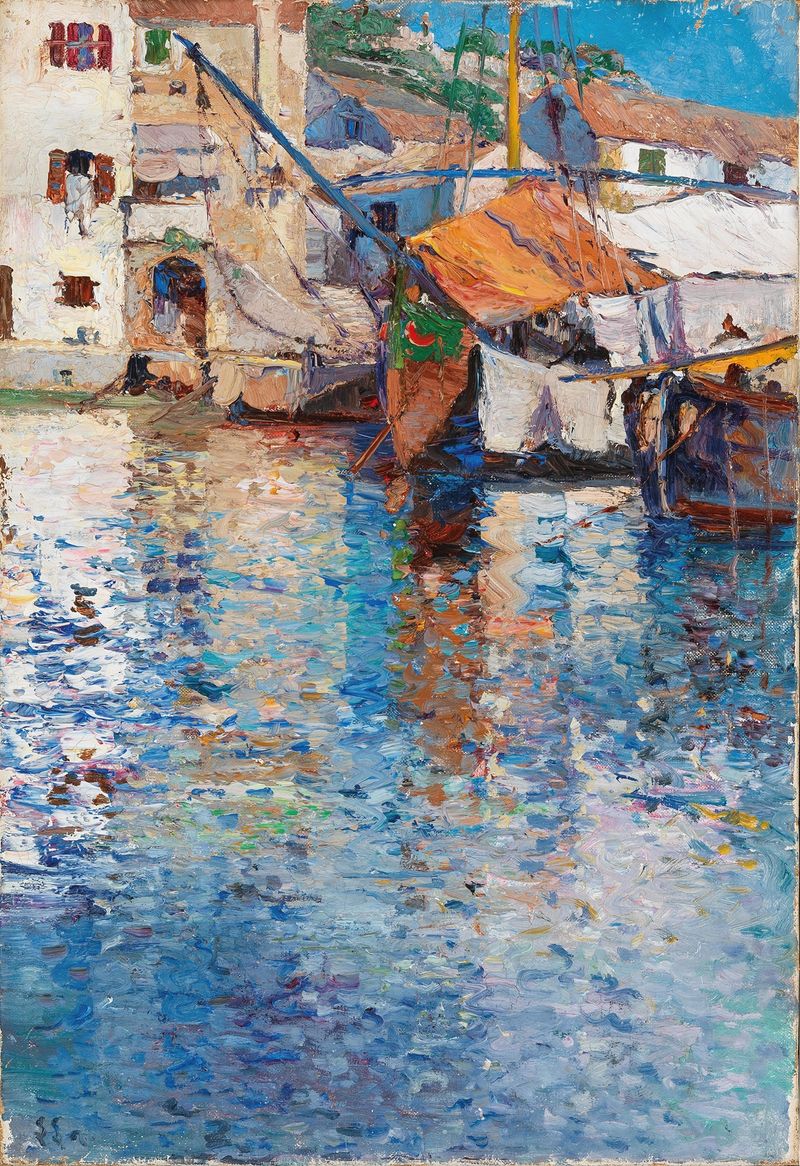
A Sunny Day in the Old Harbour
Leontine von Littrow
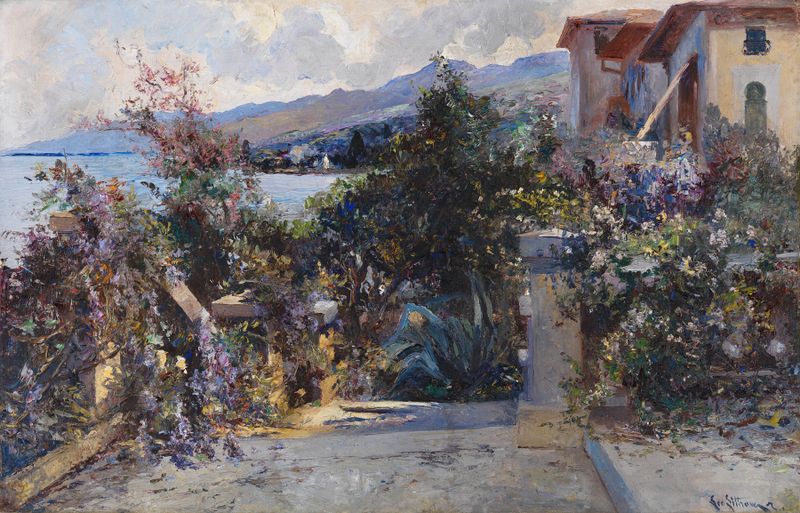
Küstenlandschaft bei Abbazia
Leontine von Littrow
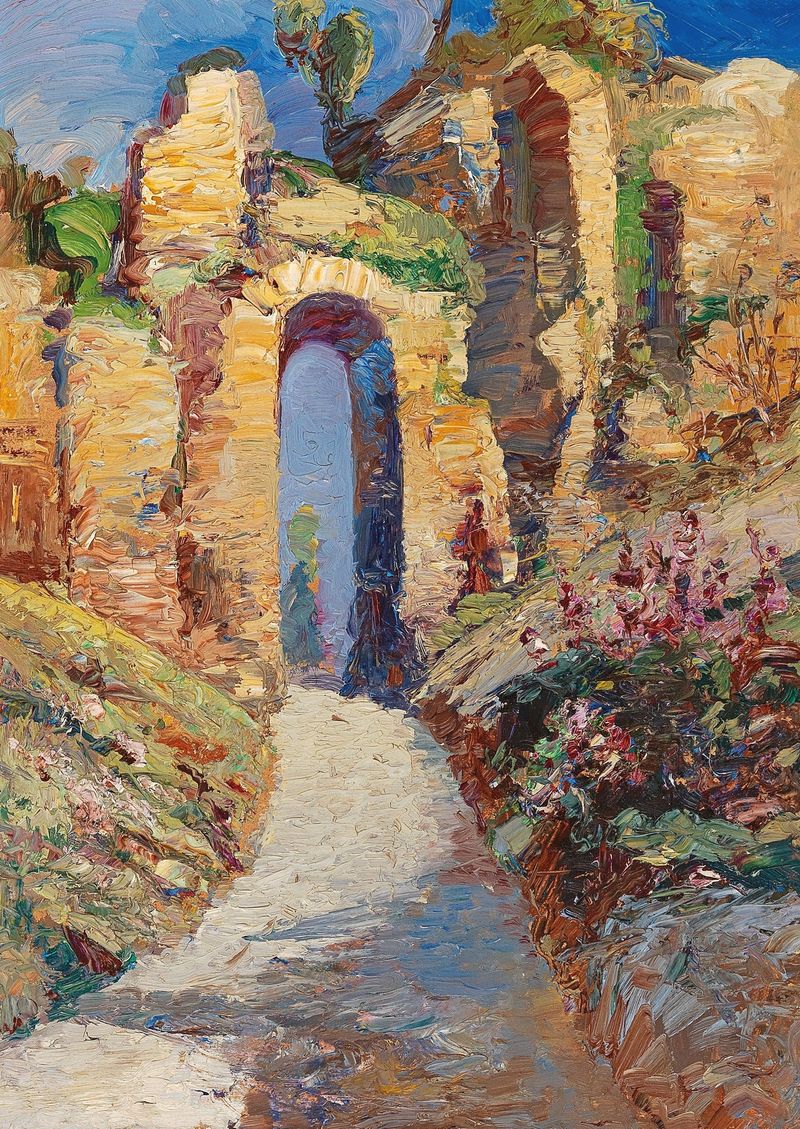
Porta Cumae
Leontine von Littrow





