
The Lion and the Statue — History & Facts
In The Lion and the Statue, we see a majestic lion positioned in front of a classical statue. The colors are rich and vibrant, with warm tones dominating the scene. The lion's fur is depicted in shades of gold and brown, contrasting with the cool marble of the statue.
The setting appears to be an outdoor space, possibly a garden or a park, enhancing the naturalistic feel of the artwork. The painting is executed in oil on canvas, a common medium for the Victorian era. Crane's brushwork is detailed, capturing the texture of the lion's fur and the smoothness of the statue. The composition is balanced, with the lion's gaze directed towards the statue, creating a sense of interaction.
The dimensions are approximately 80 x 100 cm, making it a sizable piece that commands attention. Walter Crane was a prominent figure in the Victorian art scene, known for his illustrations and decorative arts. The Lion and the Statue reflects his interest in combining natural subjects with classical themes. An interesting fact about this work is that it showcases Crane's ability to blend realism with a touch of fantasy, as the lion appears almost regal in its stance.
This painting exemplifies the Victorian fascination with nature and mythology.
More Artworks by Walter Crane

Oranges and Lemons
Walter Crane
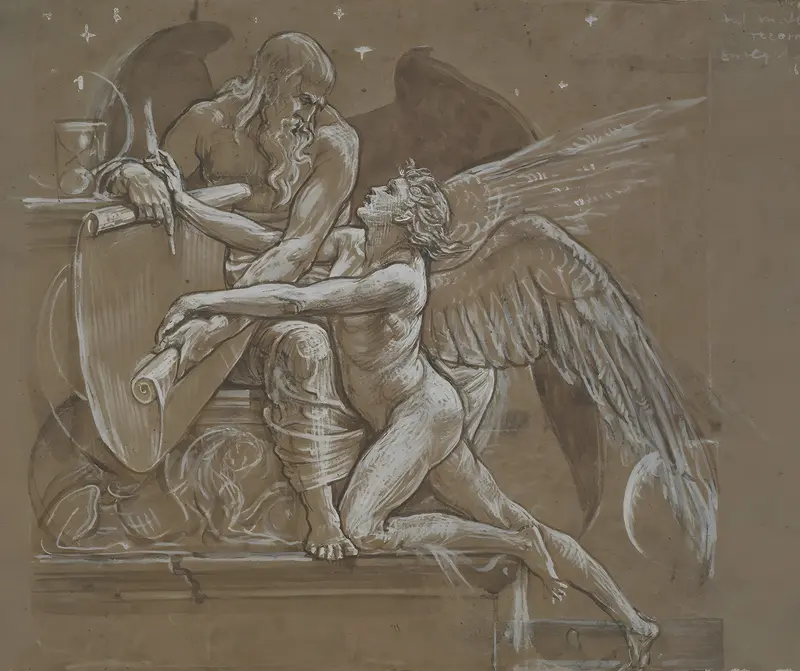
The Roll of Fate, England
Walter Crane
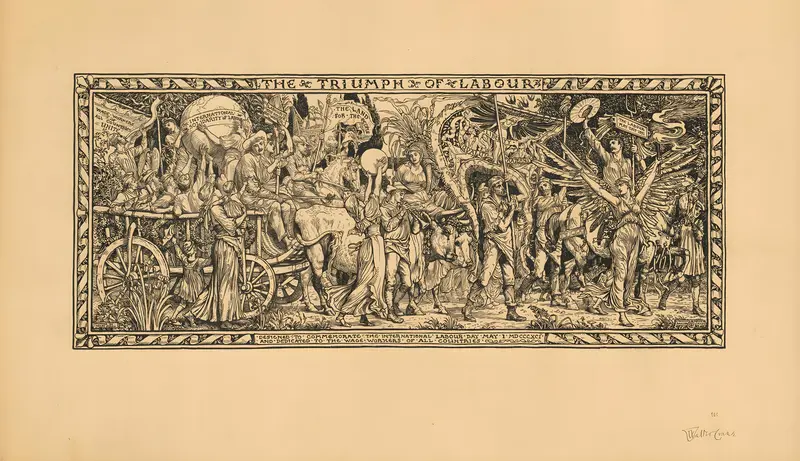
The Triumph of Labour. Designed to commemorate The International Labour Day
Walter Crane
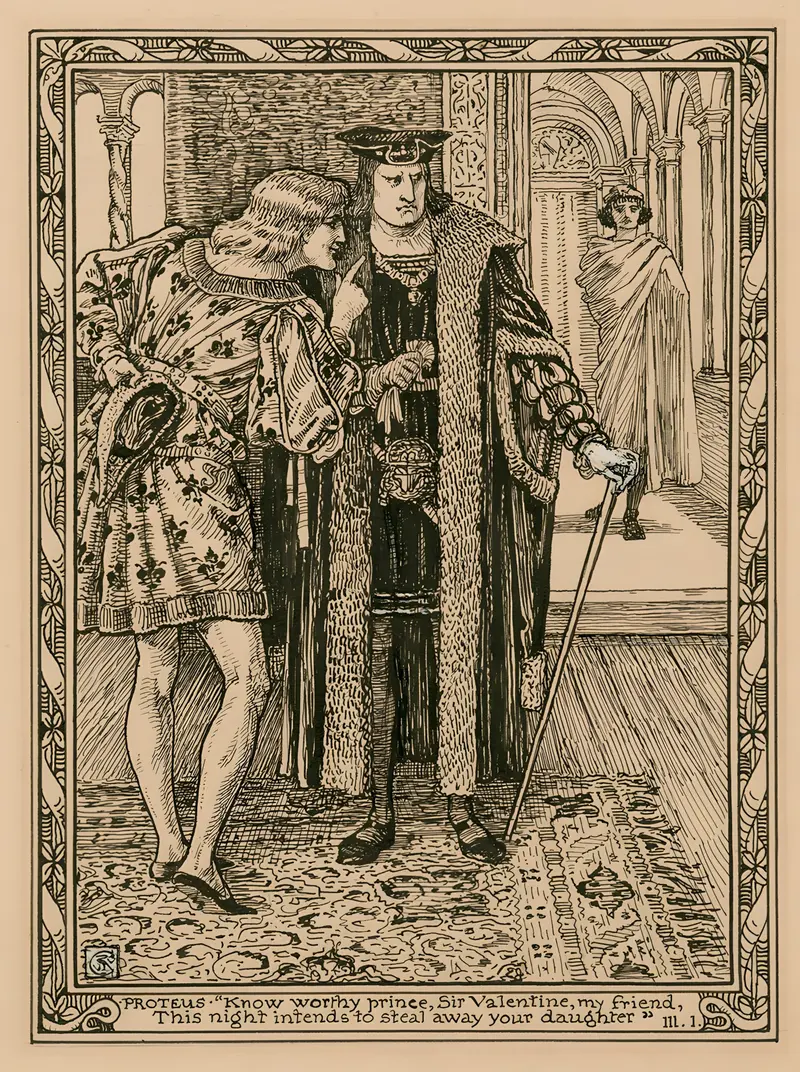
Proteus; ‘Know worthy prince, Sir Valentine, my friend, this night intends to steal away your daughter’, III, 1
Walter Crane
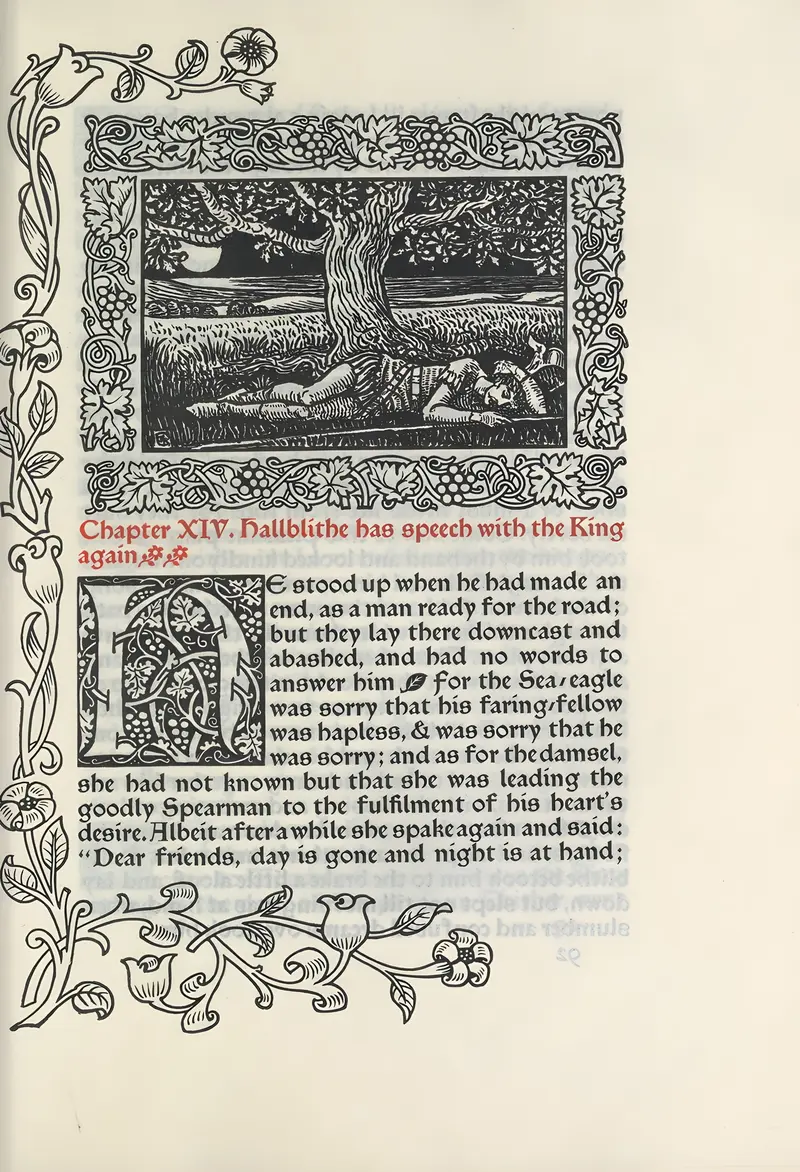
Chapter XIV. Hallblithe has speech with the King again
Walter Crane
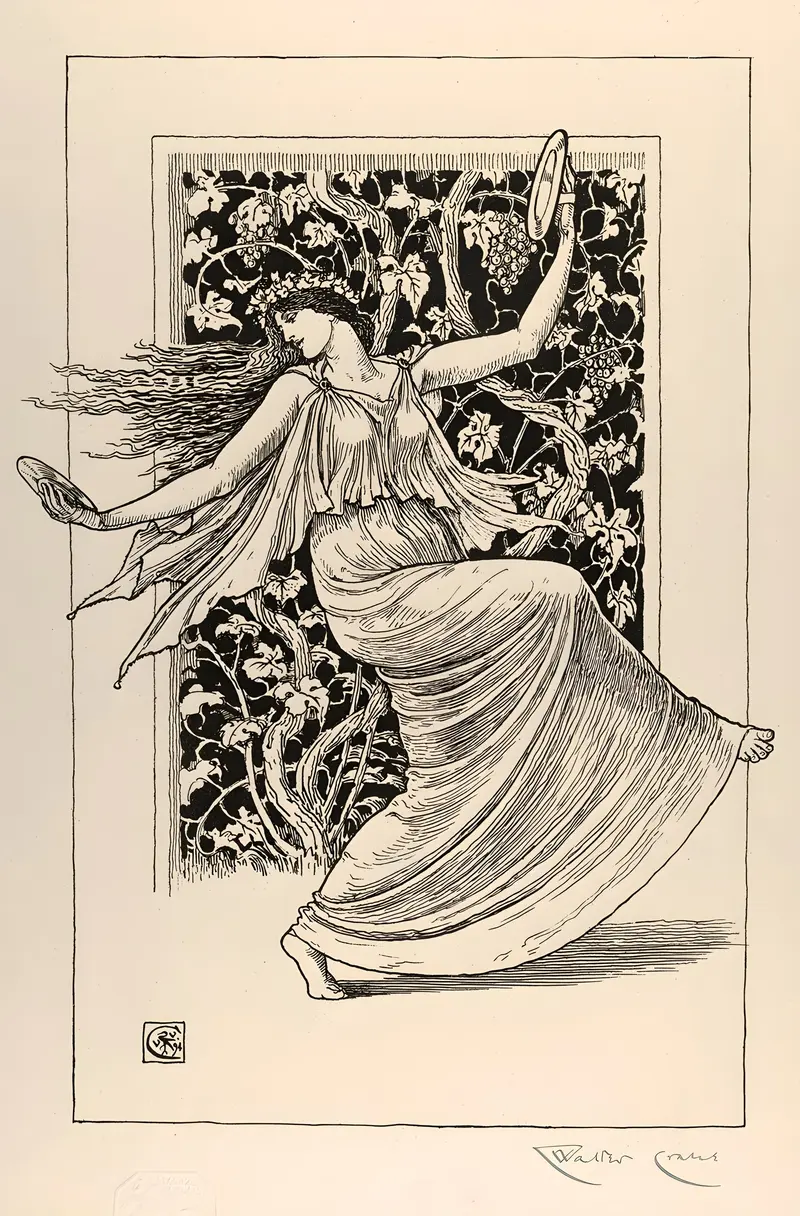
Dancing Nymph
Walter Crane
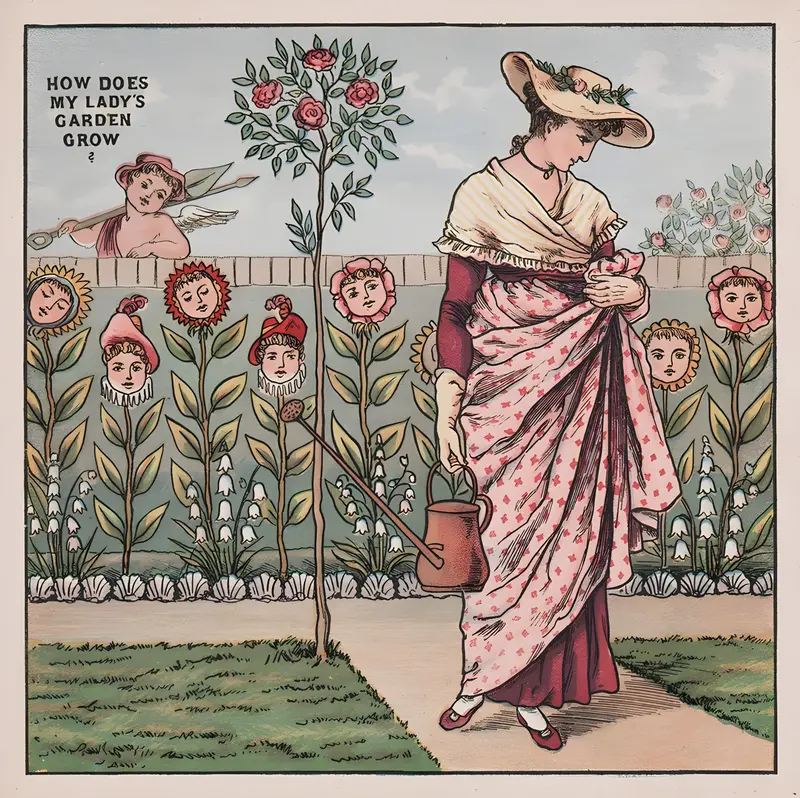
How does my lady’s garden grow
Walter Crane
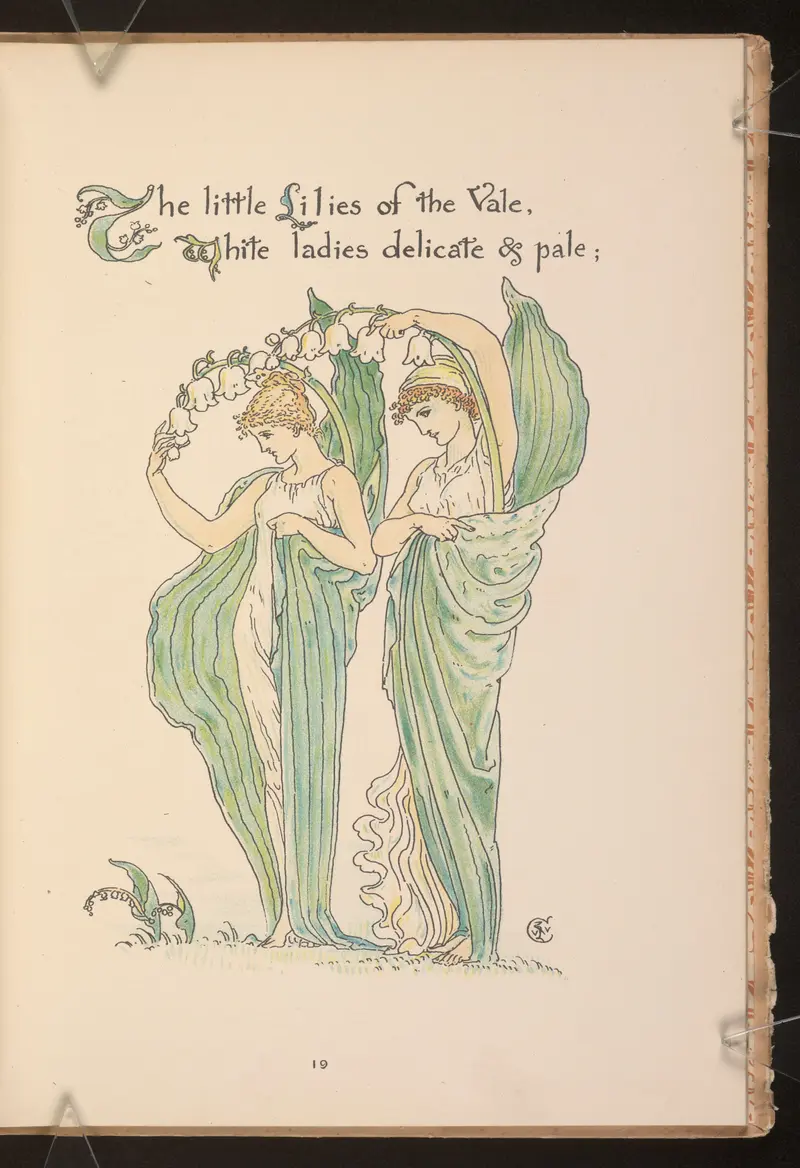
Flora’s feast; A masque of flowers Pl.19
Walter Crane
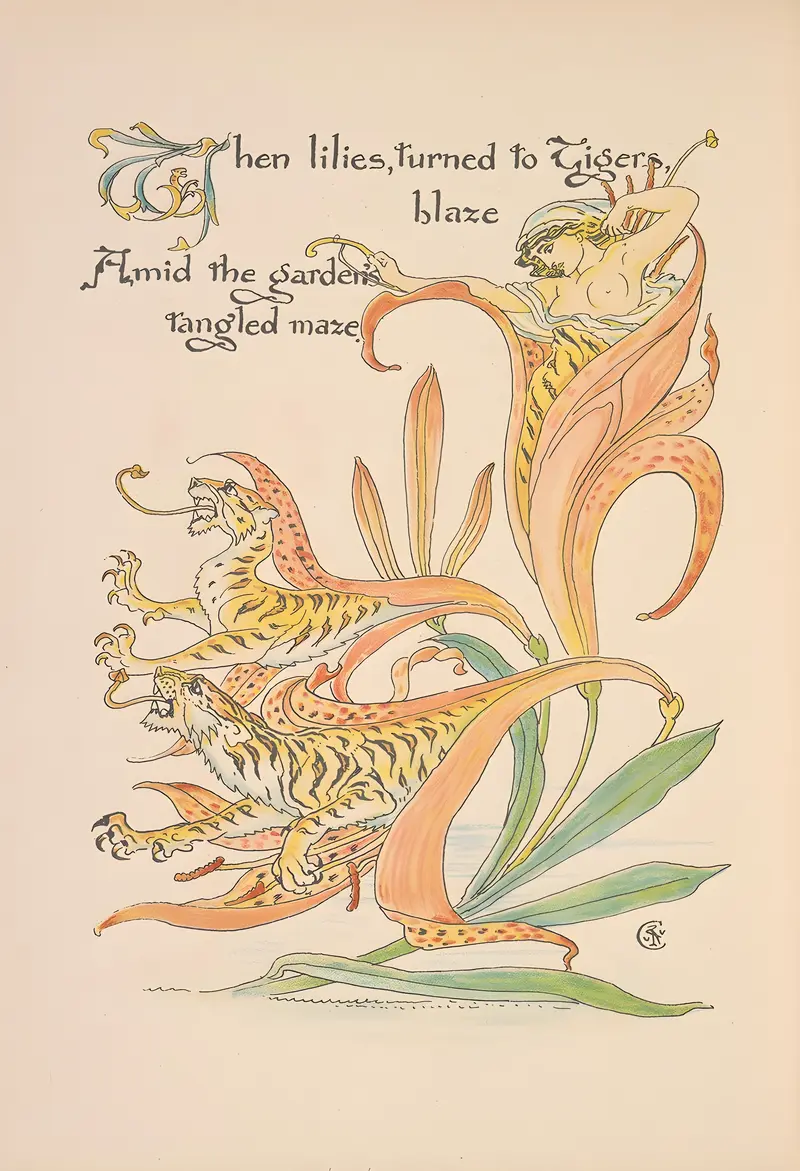
Flora’s feast; A masque of flowers Pl.34
Walter Crane
Flora’s feast; A masque of flowers Pl.29
Walter Crane





