
The Lochan — History & Facts
Could beauty survive in a century of chaos? Focus first on the tranquil waters that dominate the canvas, their surface shimmering with ethereal light. The deep greens and blues intermingle, drawing the eye into a serene embrace that suggests both depth and reflection. Notice how the artist masterfully captures the delicate interplay of natural elements — the soft strokes depicting the surrounding foliage that frames the lochan, while muted hues evoke a sense of calm, almost reverence. As you journey further into the painting, subtle details emerge, creating a rich tapestry of emotional tension.
The juxtaposition of the serene waters against the underlying energy of the forest hints at the fragility of peace amid turmoil. Each brushstroke holds a whisper of ecstasy, suggesting that even in moments of stillness, life pulses with potential. The contrast between the tranquil surface and the vibrant life surrounding it speaks to the duality of nature — a reminder that beauty and chaos often coexist, intertwined like the roots of ancient trees. In 1914, this work emerged from the brush of Cameron during a time of upheaval, as the world teetered on the brink of the First World War.
Living in Scotland, he was deeply connected to the landscape that inspired him, channeling both the tranquility of his surroundings and the anxiety of his era. This painting reflects not only his mastery of watercolor but also his poignant commentary on life, nature, and the impending chaos that would soon engulf the world.
More Artworks by David Young Cameron
Browse all →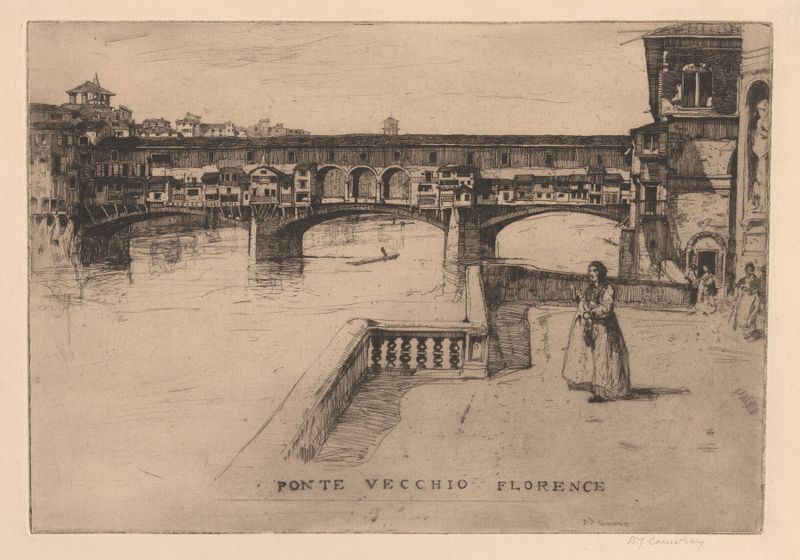
Ponte Vecchio
David Young Cameron

The Deanery, Winchester
David Young Cameron
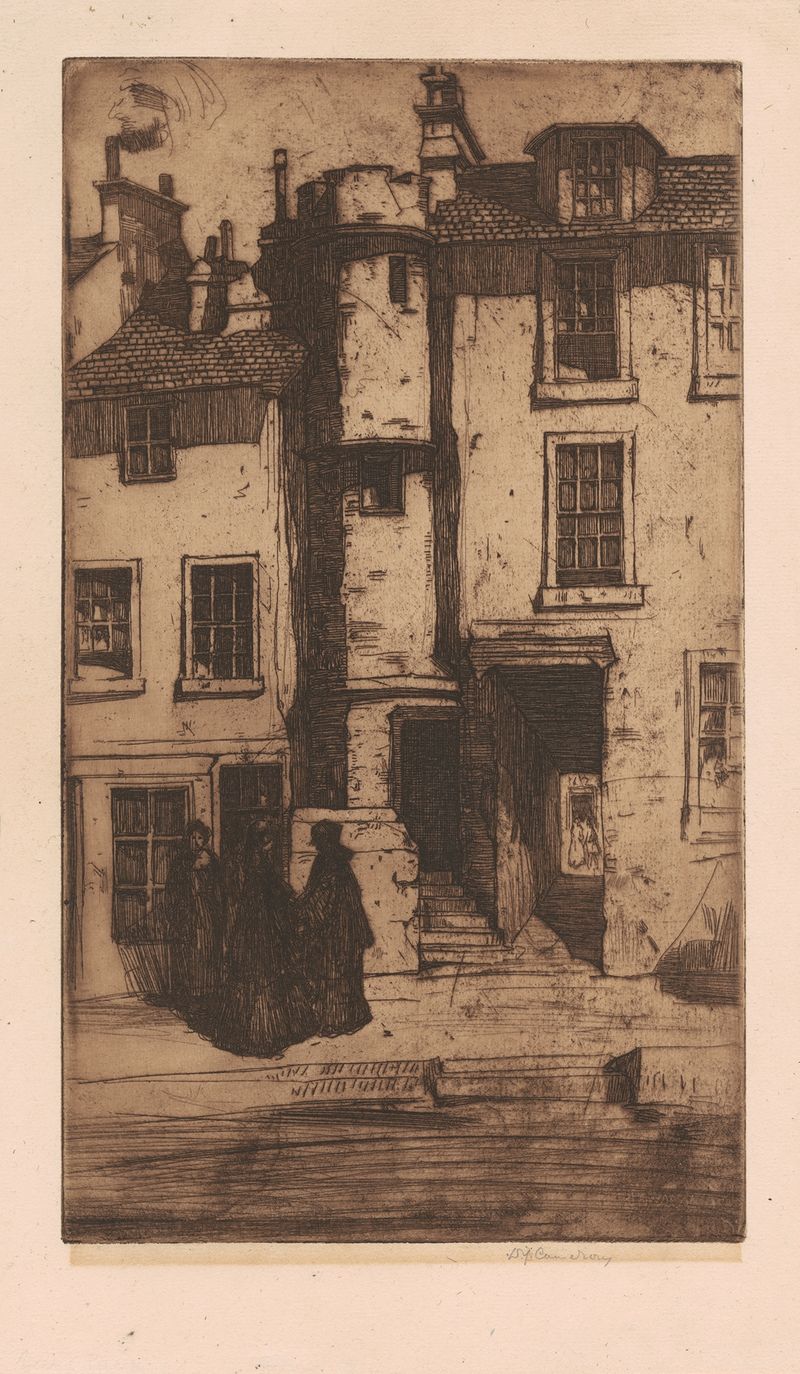
Old Houses, Stirling
David Young Cameron
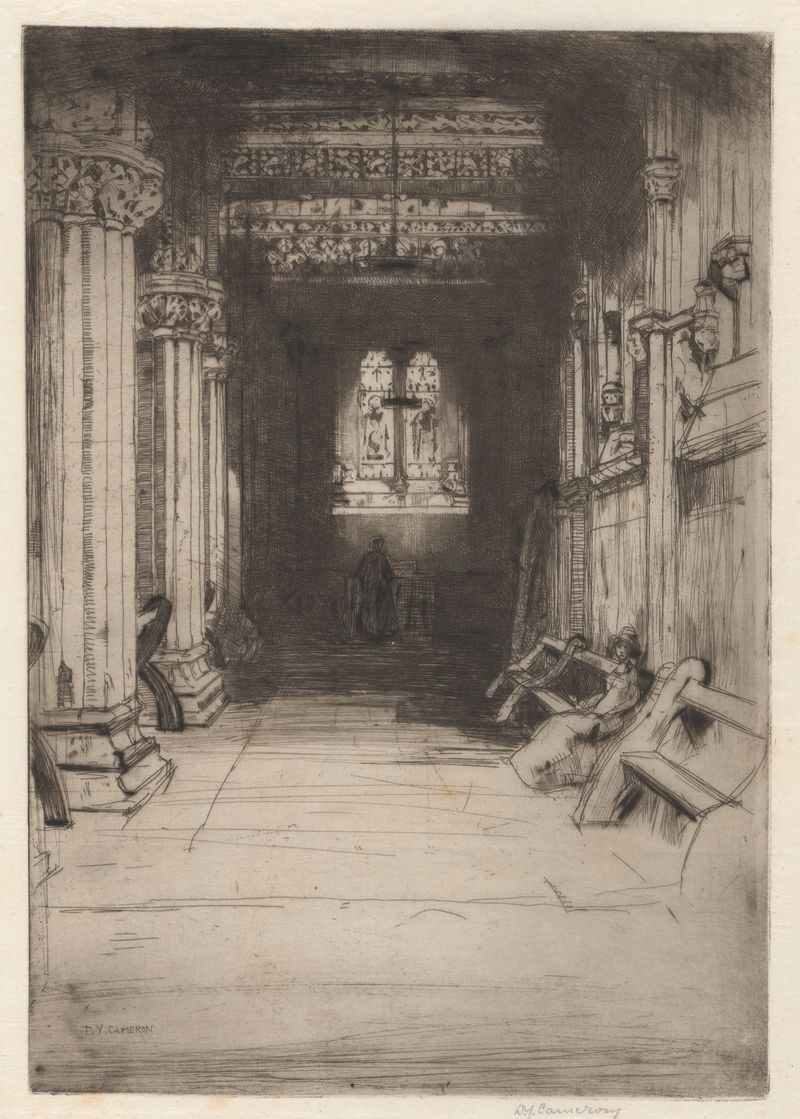
Rosslyn Chapel
David Young Cameron

The Old Museum, Beauvais
David Young Cameron
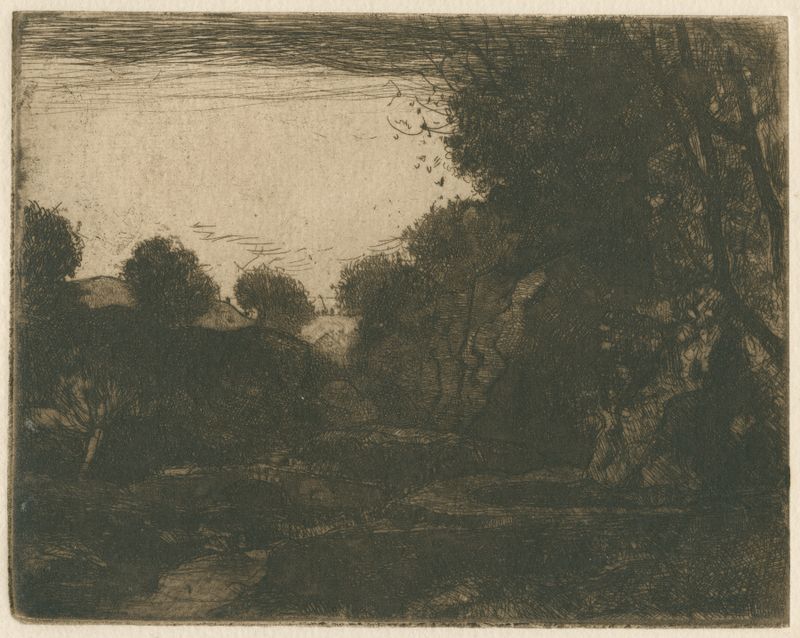
On the Bradford
David Young Cameron

The Smithy
David Young Cameron
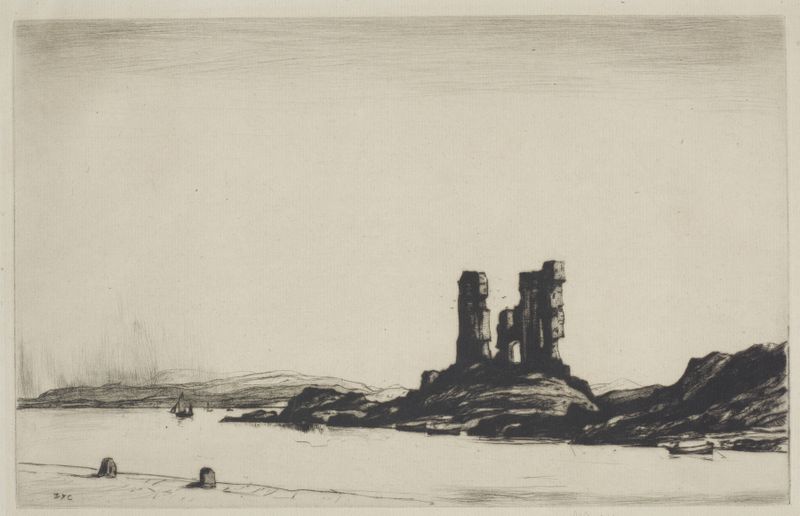
Castle Moyle
David Young Cameron
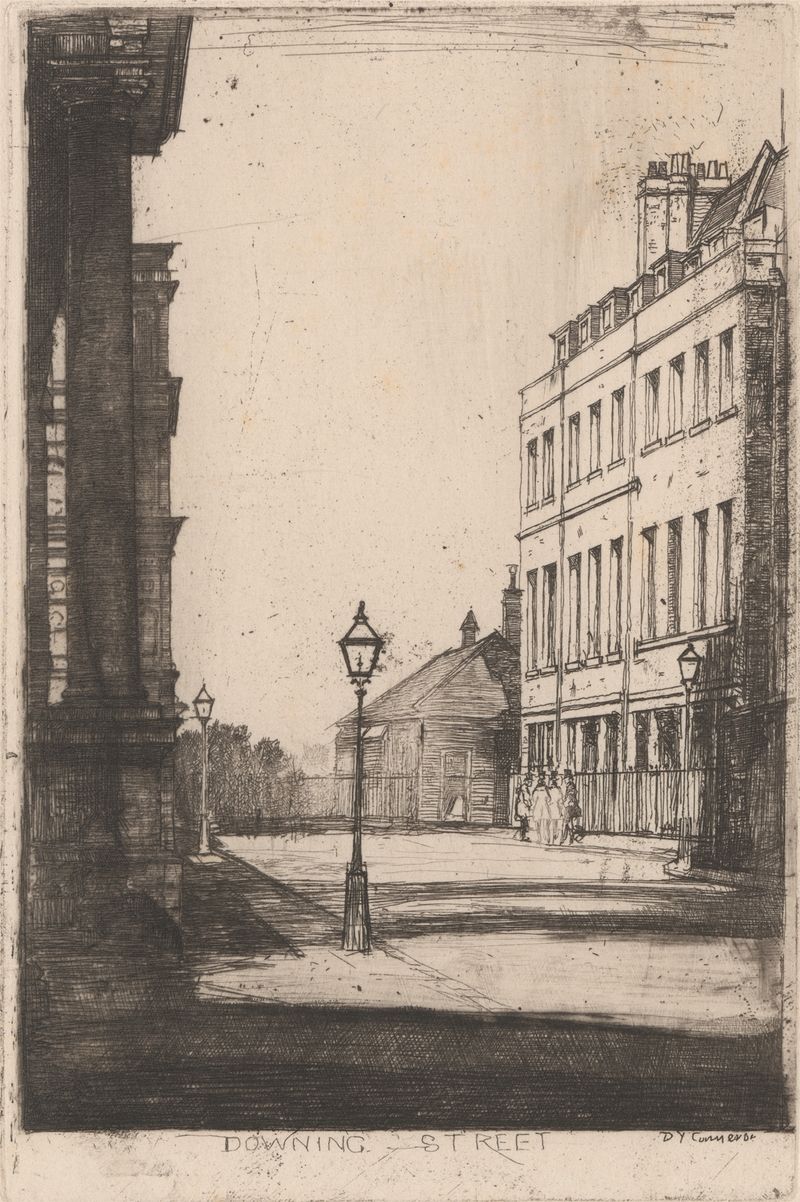
Downing Street
David Young Cameron

Glasgow Cathedral
David Young Cameron





