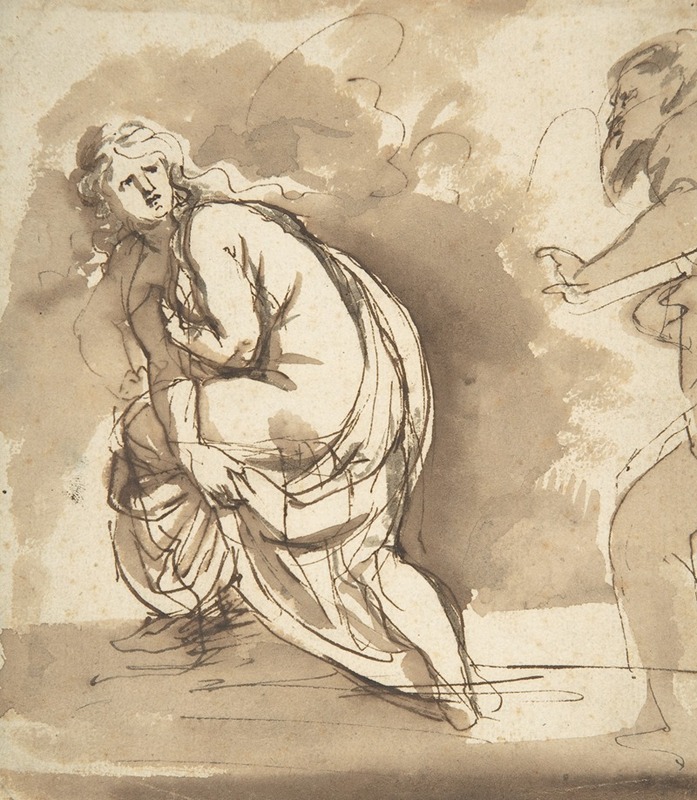
Discover insights about this artwork
The Loss of Virginity — History & Facts
In The Loss of Virginity, Paul Gauguin uses vibrant colors to depict a scene filled with emotional intensity. The painting features a young woman, symbolizing innocence, surrounded by figures that suggest a loss of purity. The background is rich with tropical foliage, enhancing the exotic atmosphere.
Gauguin's use of bold colors creates a striking contrast between the figures and their surroundings. This artwork is an oil on canvas, showcasing Gauguin's distinctive brushwork and color palette. The dimensions are approximately 90 x 120 cm, making it a sizable piece that commands attention. The composition is dynamic, with figures arranged in a way that draws the viewer's eye across the canvas.
The painting reflects Gauguin's interest in symbolism and the exploration of human emotions. Paul Gauguin created The Loss of Virginity during his time in Tahiti, where he sought to escape European civilization. This work reflects his fascination with the themes of innocence and sexuality, which were prevalent in his later works. An interesting fact about this painting is that it challenges traditional representations of women in art, presenting them as complex figures rather than mere objects of desire.
Gauguin's approach to color and form in this piece has influenced many modern artists.
More Artworks by Paul Gauguin
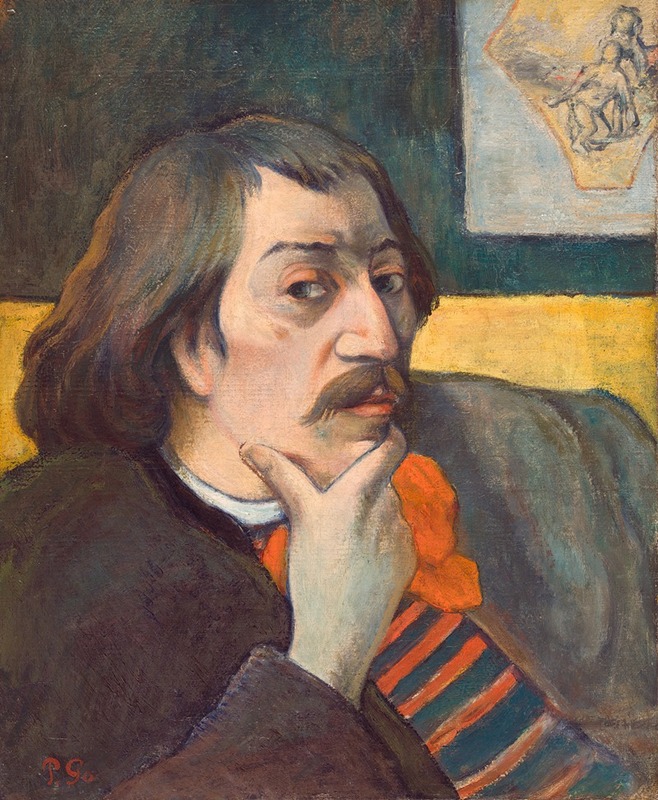
Self Portrait
Paul Gauguin
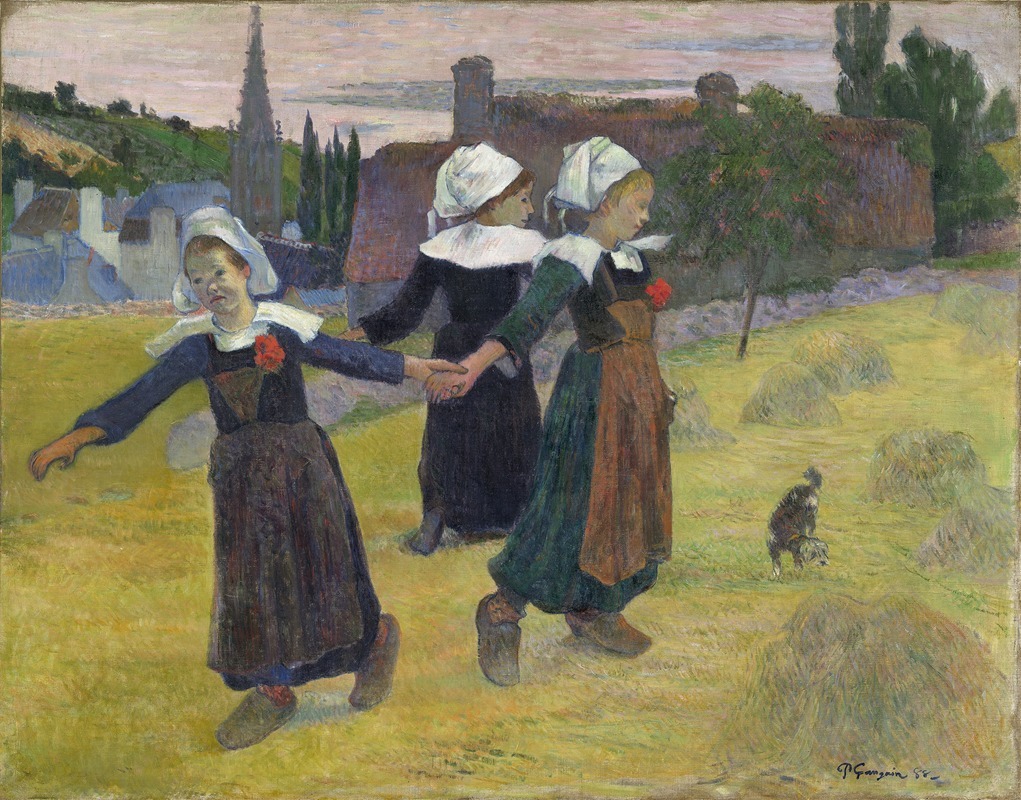
Breton Girls Dancing,Pont-Aven
Paul Gauguin
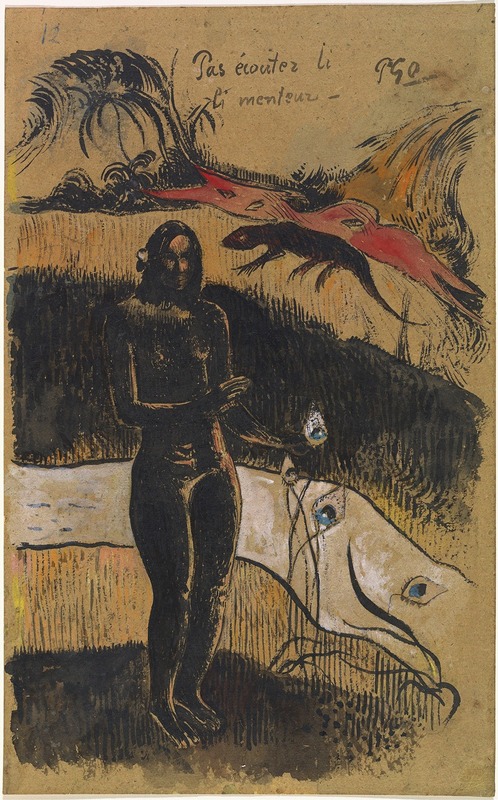
Nave Nave Fenua
Paul Gauguin
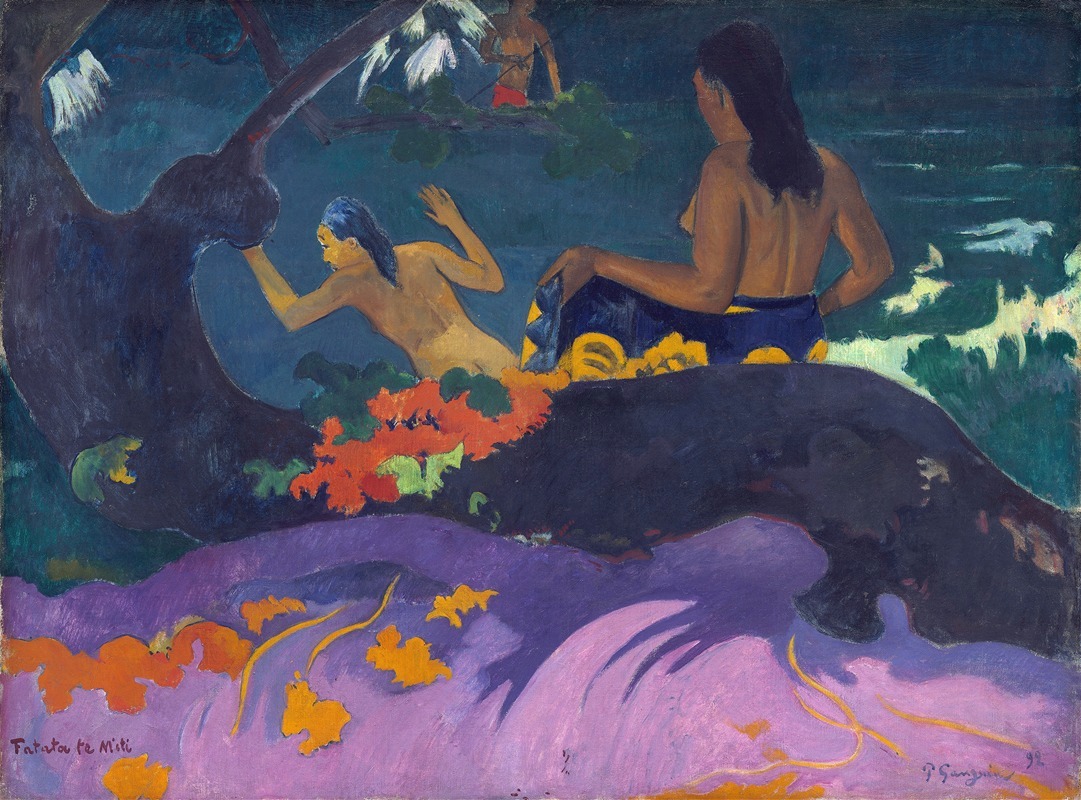
Fatata te Miti (By the Sea)
Paul Gauguin
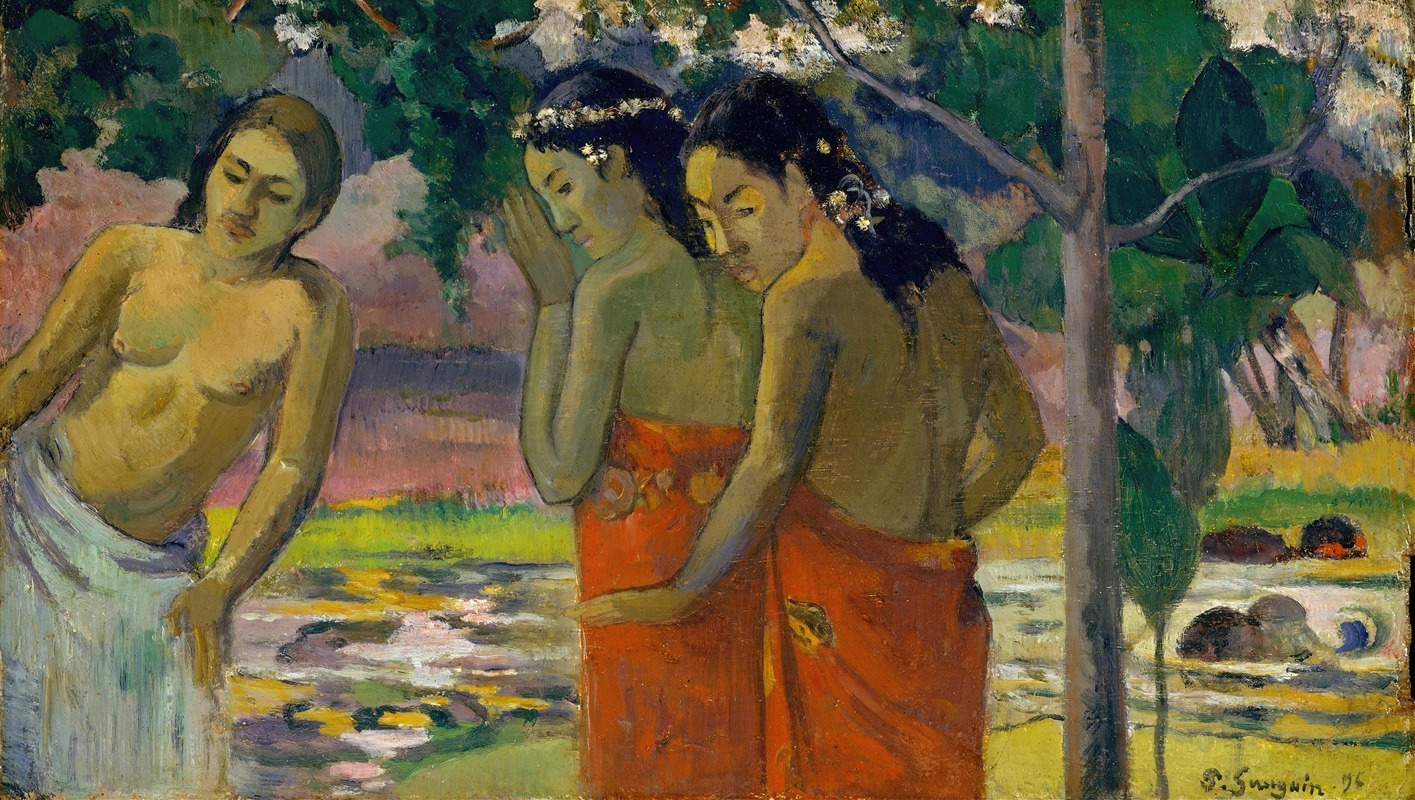
Three Tahitian Women
Paul Gauguin
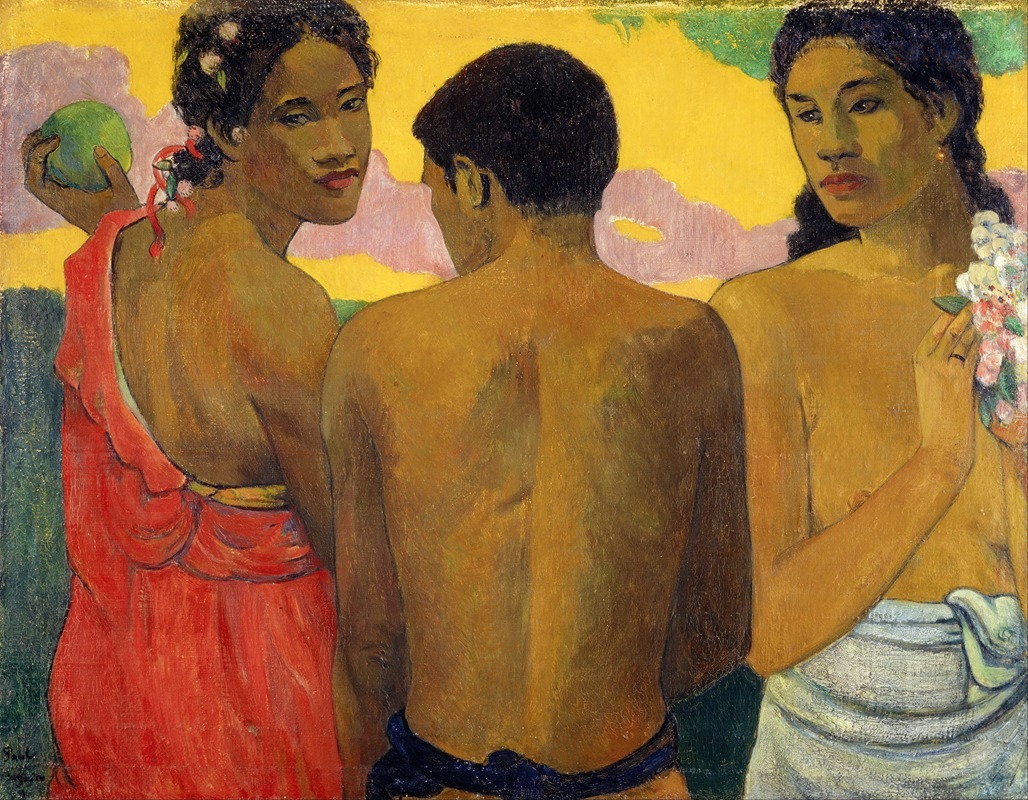
Three Tahitians
Paul Gauguin
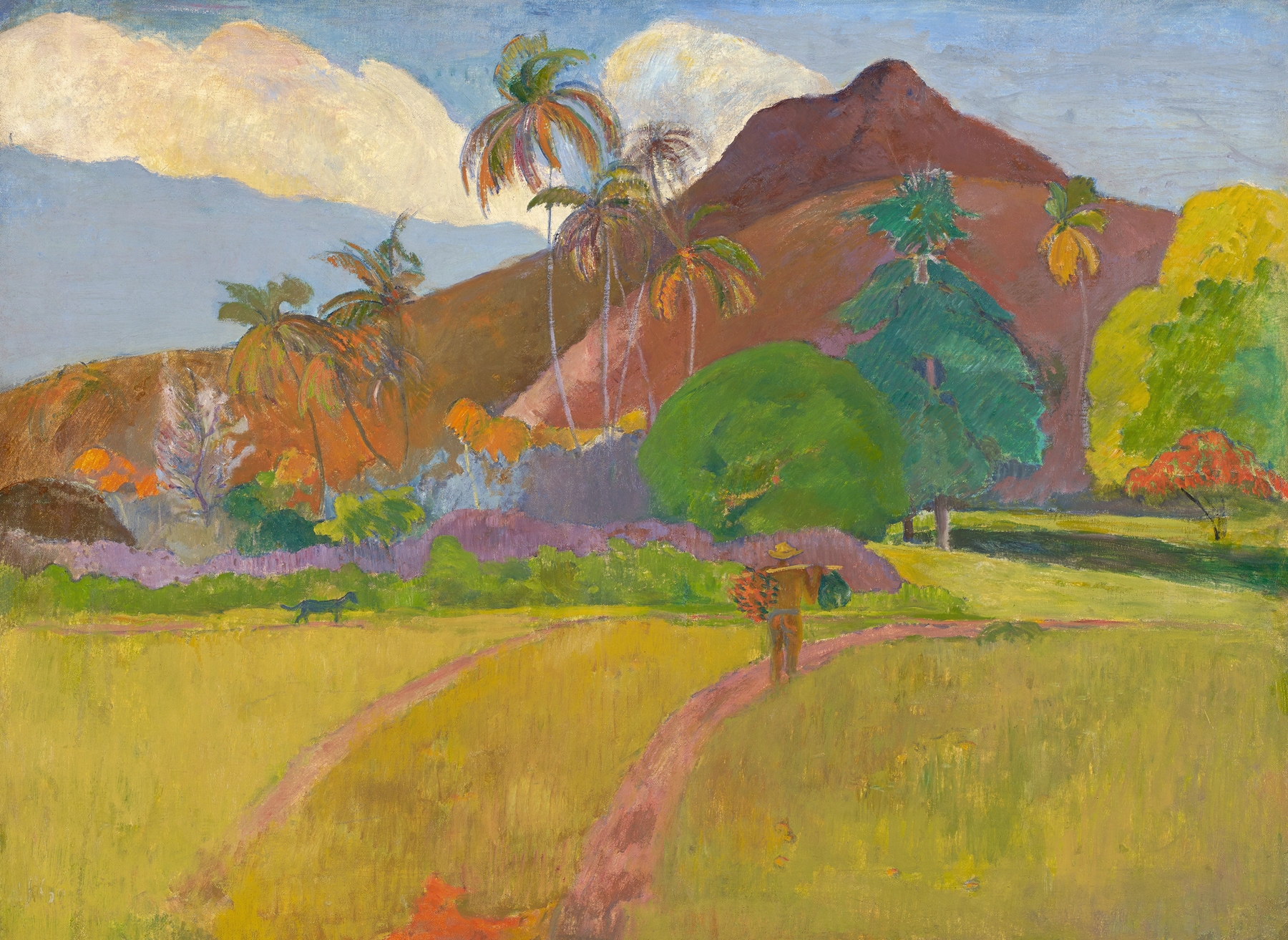
Tahitian Landscape
Paul Gauguin
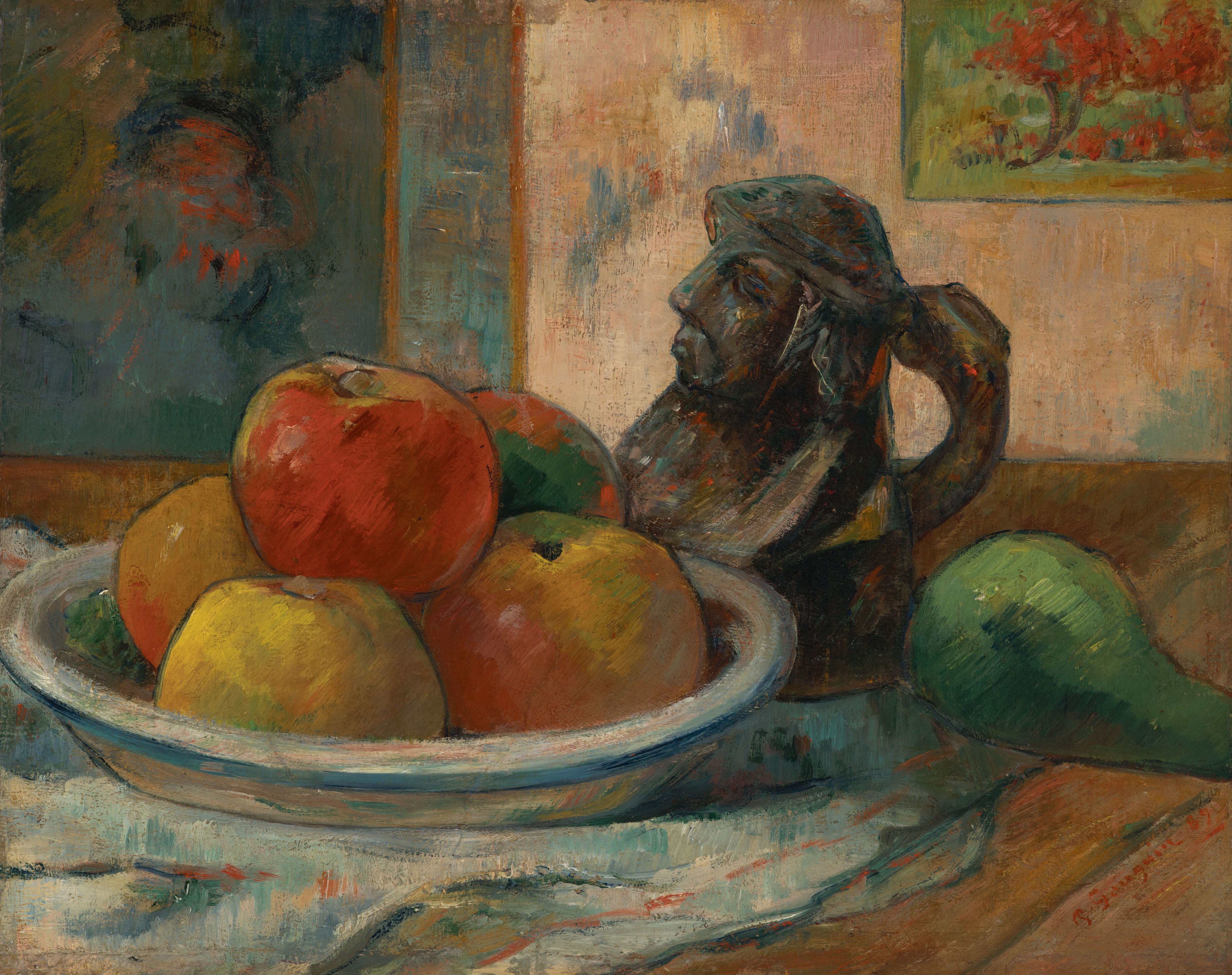
Still Life with Apples, a Pear, and a Ceramic Portrait Jug
Paul Gauguin
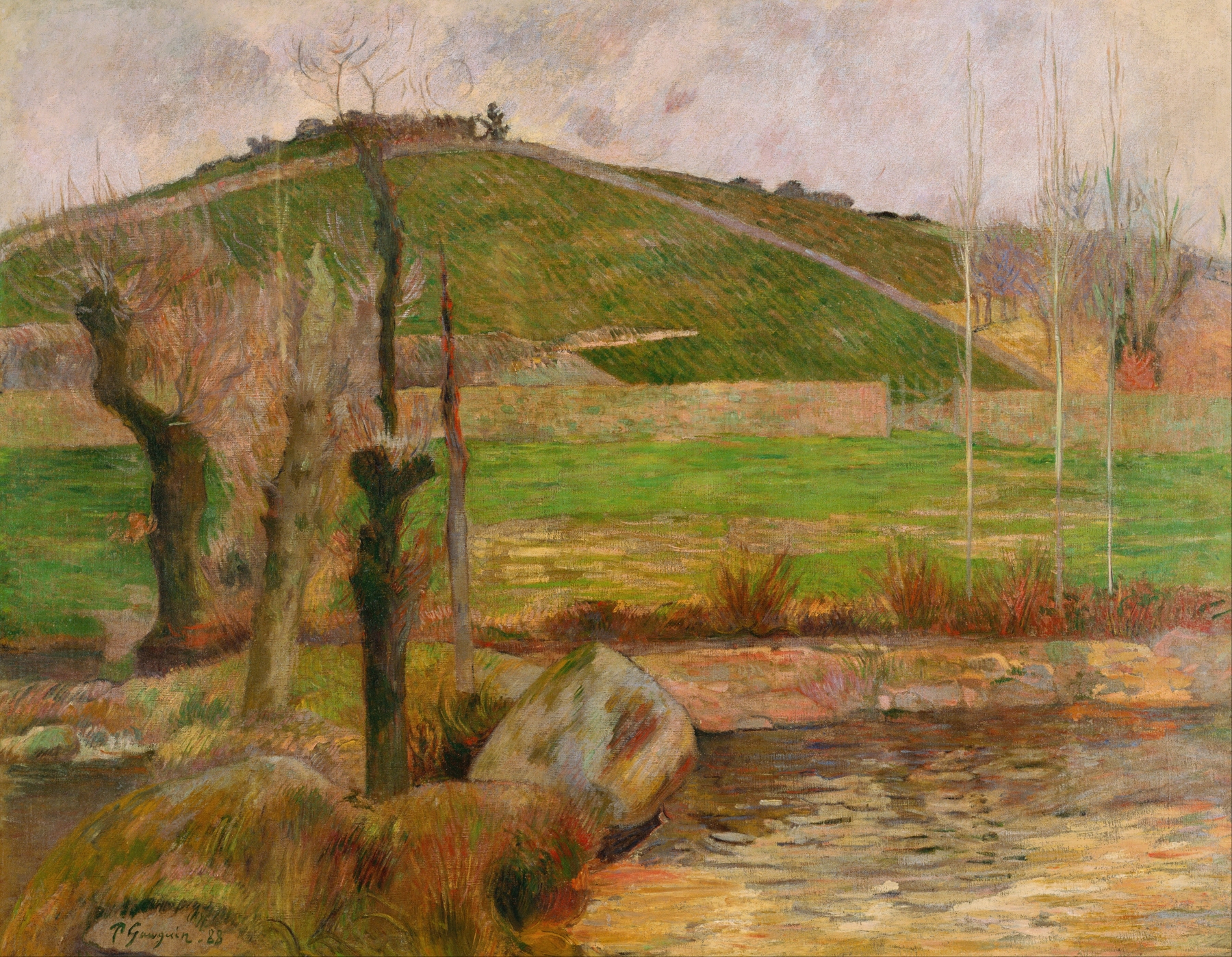
Landscape near Pont-Aven
Paul Gauguin

No te aha oe riri (Why Are You Angry?)
Paul Gauguin