
The Man that pleased none — History & Facts
In The Man that pleased none, we see a man with a complex expression, suggesting inner turmoil. The colors are muted, with dark tones dominating the palette, creating a somber atmosphere. His attire is formal, indicative of a Victorian gentleman, yet his posture and gaze reveal a deeper conflict.
The background is simple, drawing attention to the figure and his emotional state. The painting is executed in oil on canvas, a common medium for portraits during the Victorian era. The brushwork is detailed, particularly in the rendering of the man's facial features, which convey a sense of unease. The dimensions are approximately 75 x 100 cm, making it a sizable work that commands attention.
The use of light and shadow enhances the depth of the figure, adding to the overall tension of the piece. Walter Crane was known for his illustrations and decorative arts, but The Man that pleased none showcases his ability in portraiture. This work reflects the complexities of human emotion, a theme prevalent in Victorian art. Interestingly, Crane often drew inspiration from literature, and this painting may echo the struggles of characters from the era's novels.
It serves as a reminder of the societal pressures faced by individuals during this time.
More Artworks by Walter Crane

Oranges and Lemons
Walter Crane
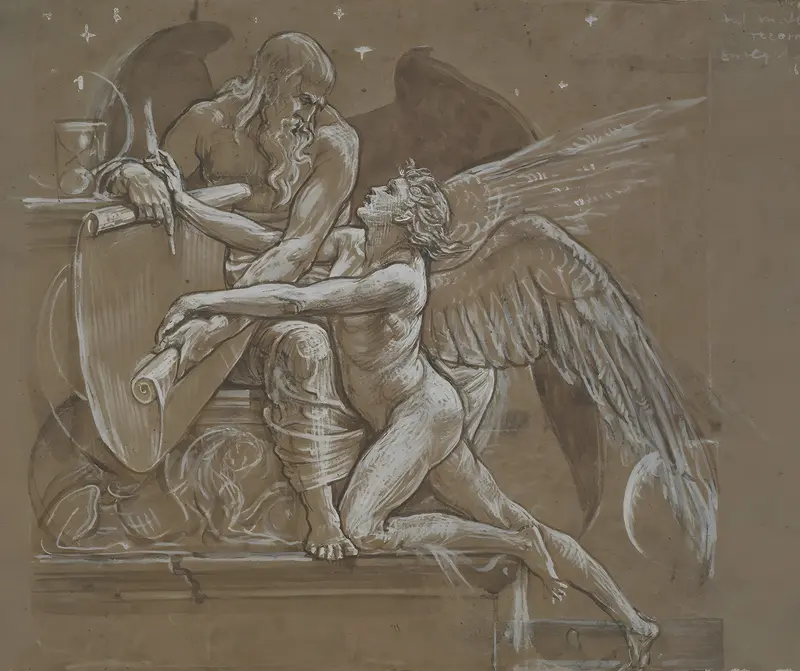
The Roll of Fate, England
Walter Crane
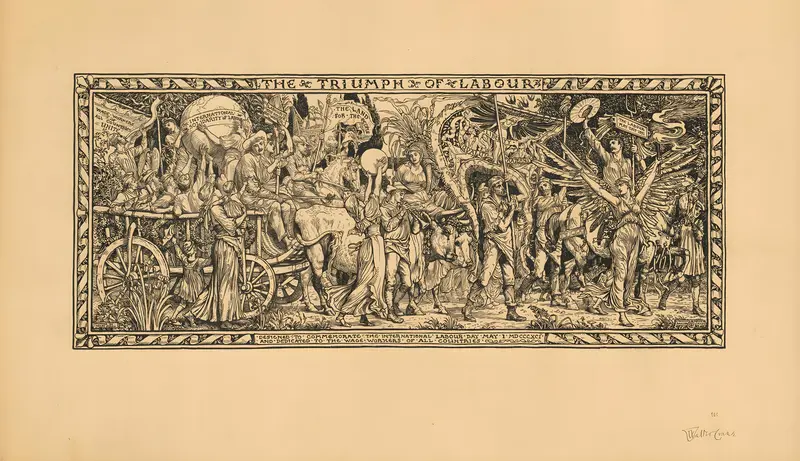
The Triumph of Labour. Designed to commemorate The International Labour Day
Walter Crane
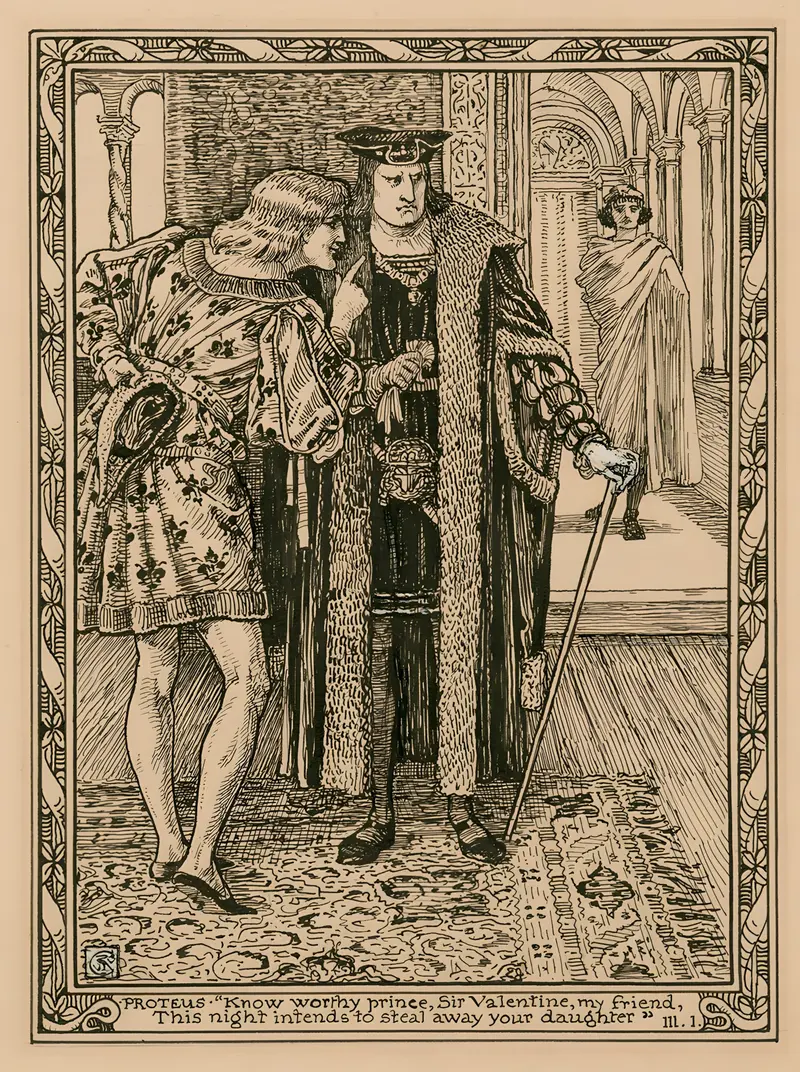
Proteus; ‘Know worthy prince, Sir Valentine, my friend, this night intends to steal away your daughter’, III, 1
Walter Crane
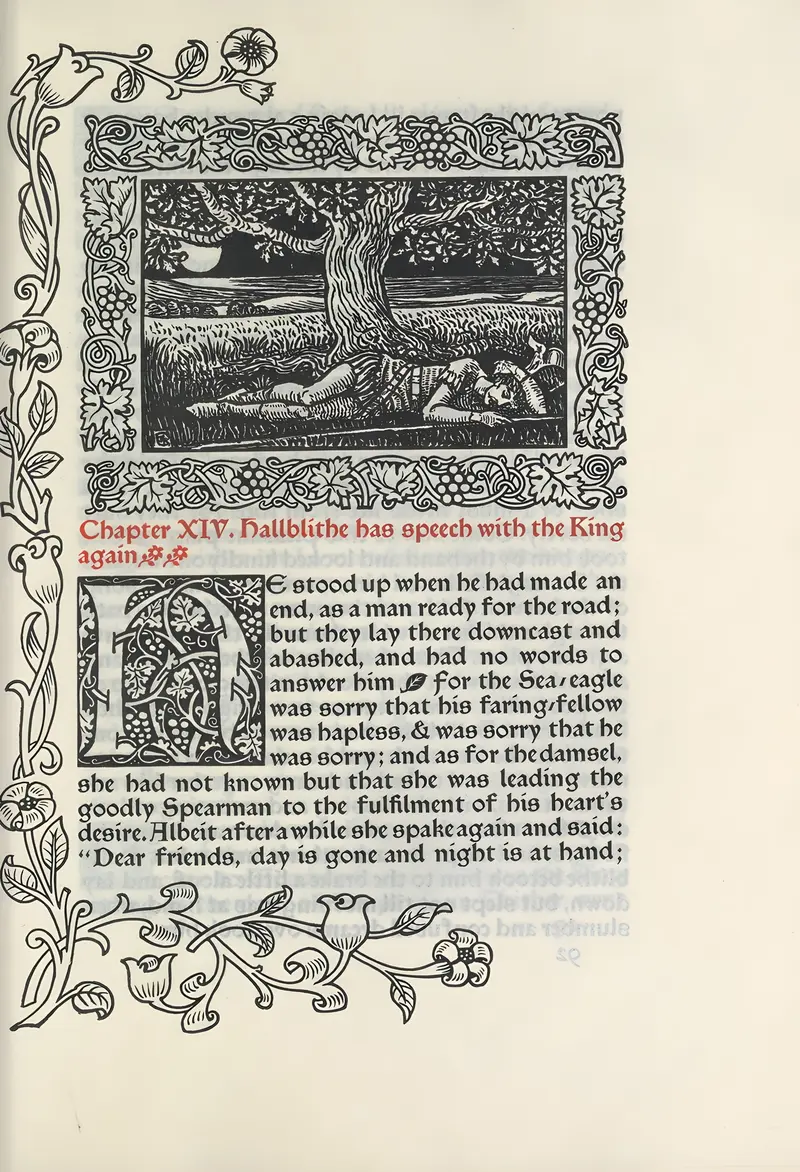
Chapter XIV. Hallblithe has speech with the King again
Walter Crane
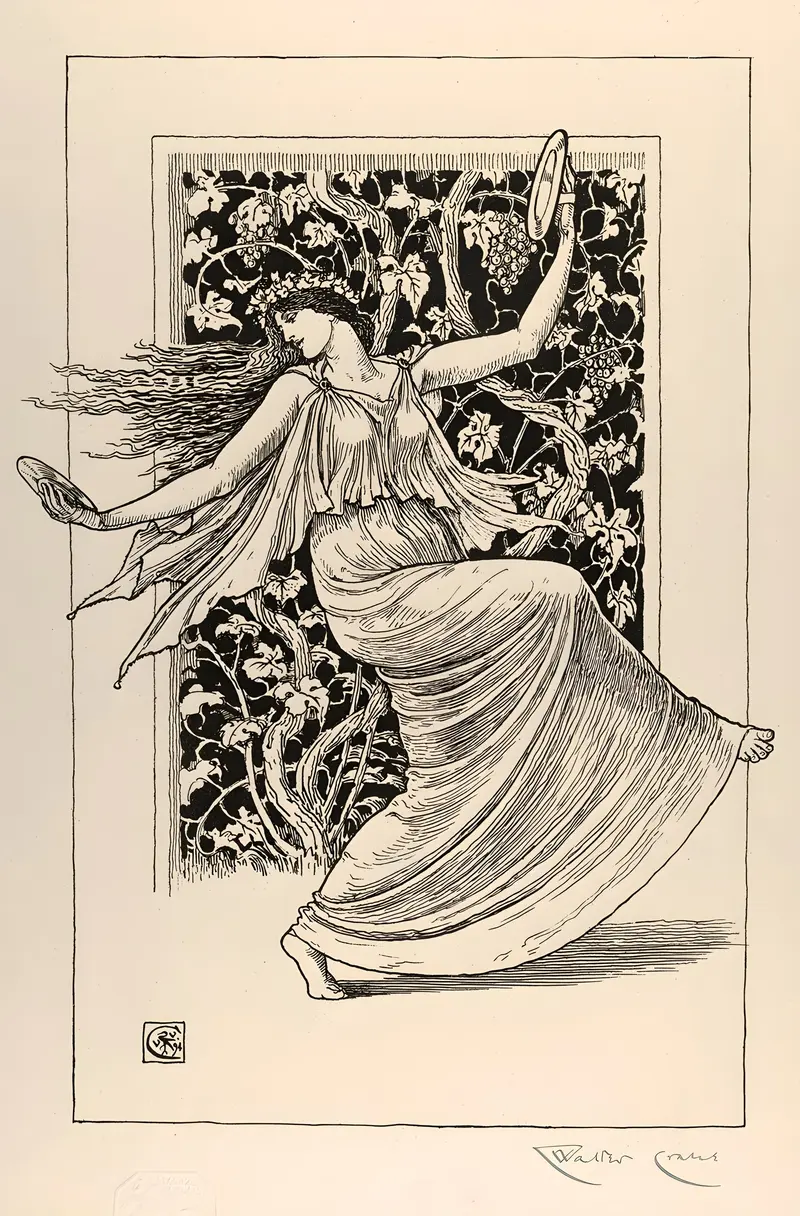
Dancing Nymph
Walter Crane
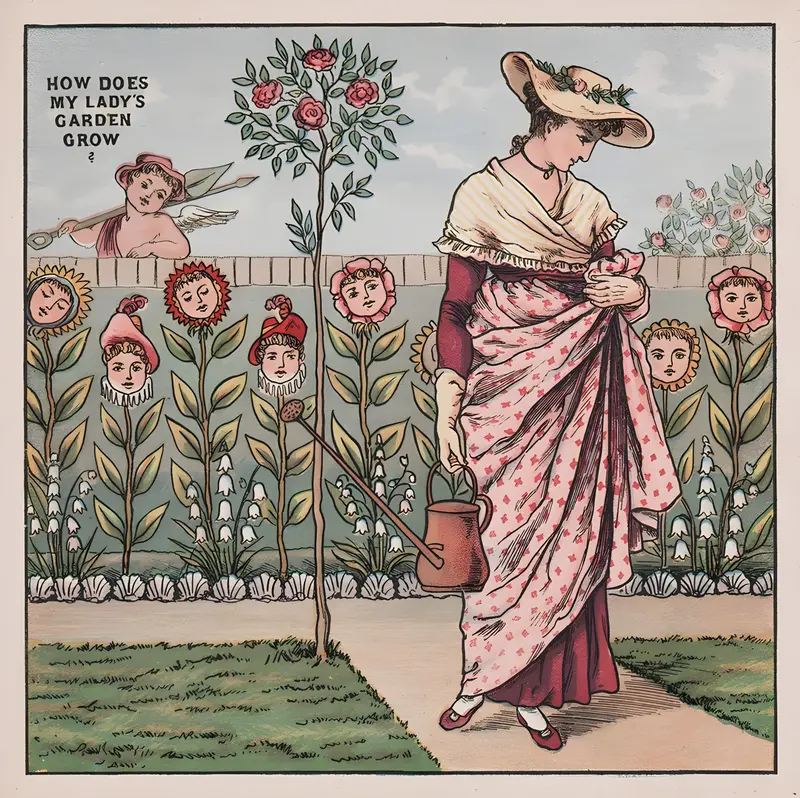
How does my lady’s garden grow
Walter Crane
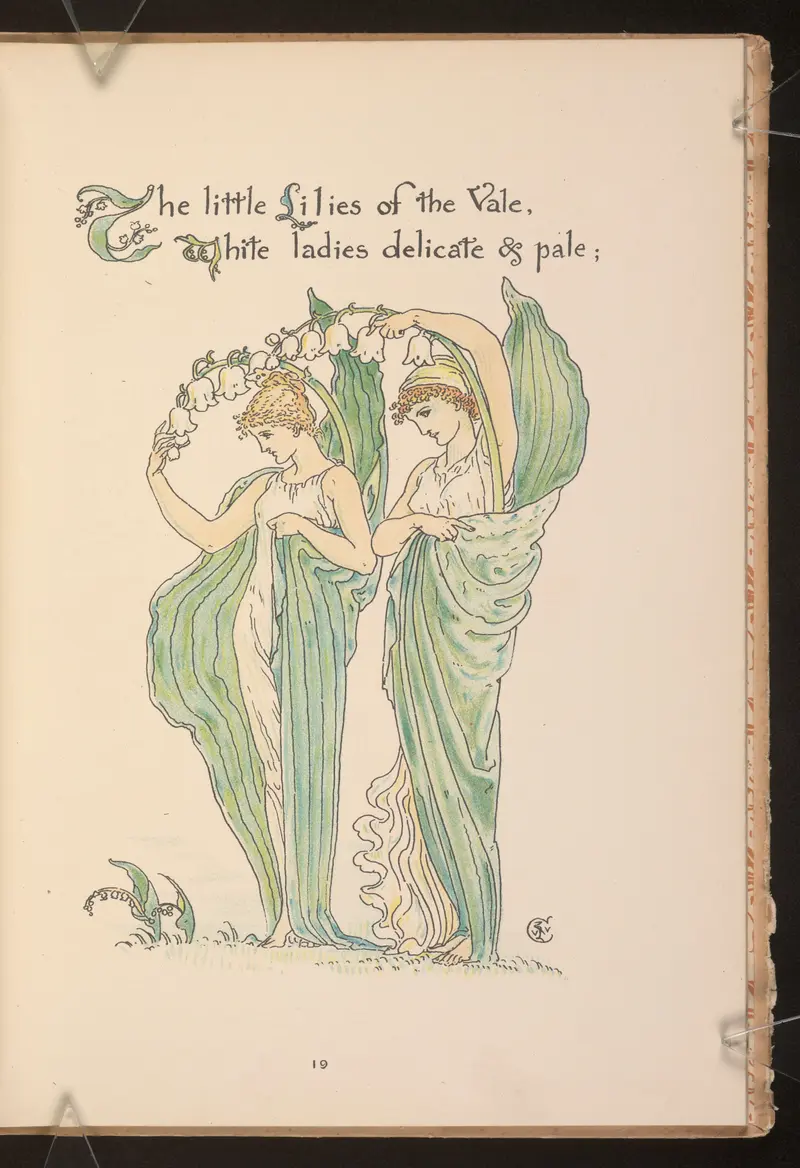
Flora’s feast; A masque of flowers Pl.19
Walter Crane
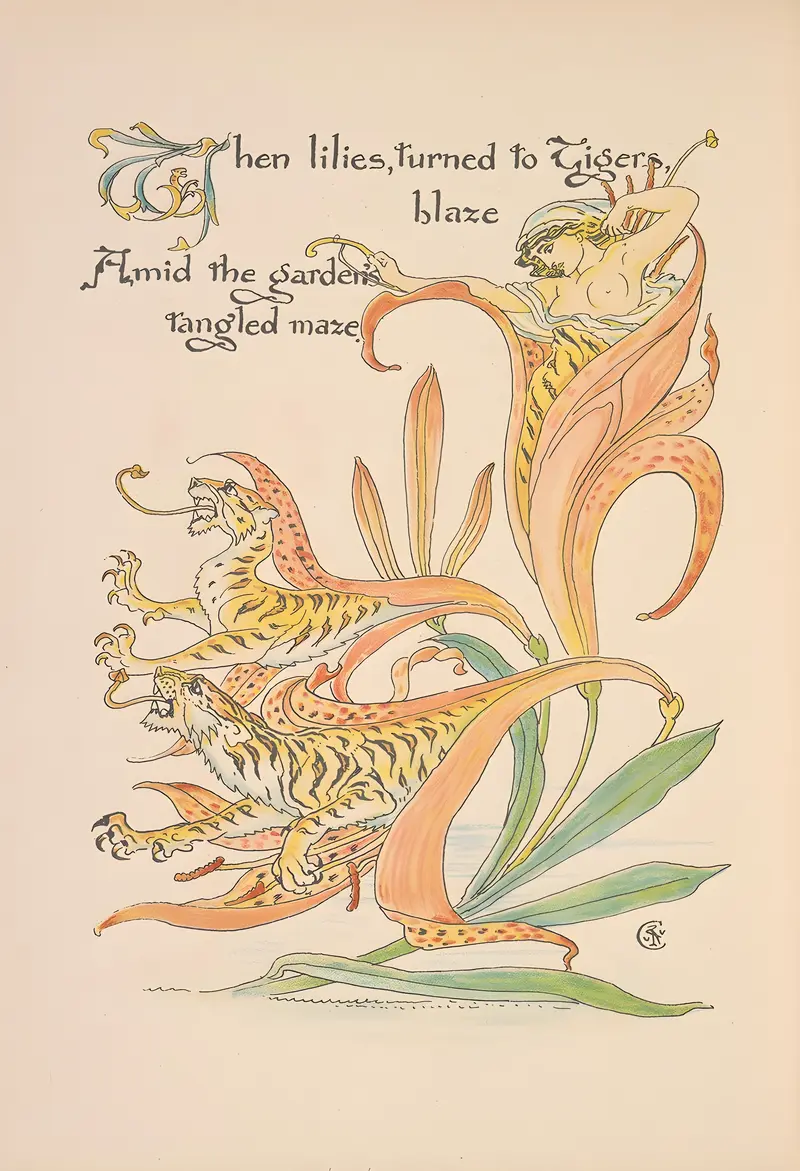
Flora’s feast; A masque of flowers Pl.34
Walter Crane
Flora’s feast; A masque of flowers Pl.29
Walter Crane





