
The Minster — History & Facts
When did color learn to lie? The vibrant hues captivate the eye while concealing deeper truths beneath their glossy surface, urging viewers to seek revelation. Look to the left of The Minster, where the intricate details of the stone façade draw your gaze. Notice how the artist captures the play of light across the weathered textures, creating a sense of depth and age. The warm undertones blend seamlessly with cool grays, illustrating the contrast between time’s passage and the enduring presence of the cathedral.
The light filters through clouds, casting ethereal shadows that enhance the monument’s solemnity, while the subtle brushwork evokes both reverence and mystery. As you delve deeper, consider the emotional tension within the stillness. The contrast between the vibrant colors of the foreground and the muted palette of the background suggests a juxtaposition of life and permanence, evoking feelings of nostalgia and introspection. The soft outlines of the trees bordering the structure whisper secrets of a world ever-changing, while the steadfast Minster stands resolute, inviting contemplation on the nature of faith and time. In 1918, the world was grappling with the aftermath of the Great War, a reality that deeply influenced many artists.
Maur Griggs, painting during this tumultuous period, sought solace in the enduring beauty of architecture, exploring themes of resilience and memory. His work reflects a shift in the art world towards capturing emotional depth, revealing both personal and collective truths through meticulously rendered landscapes.
More Artworks by Frederick Landseer Maur Griggs
Browse all →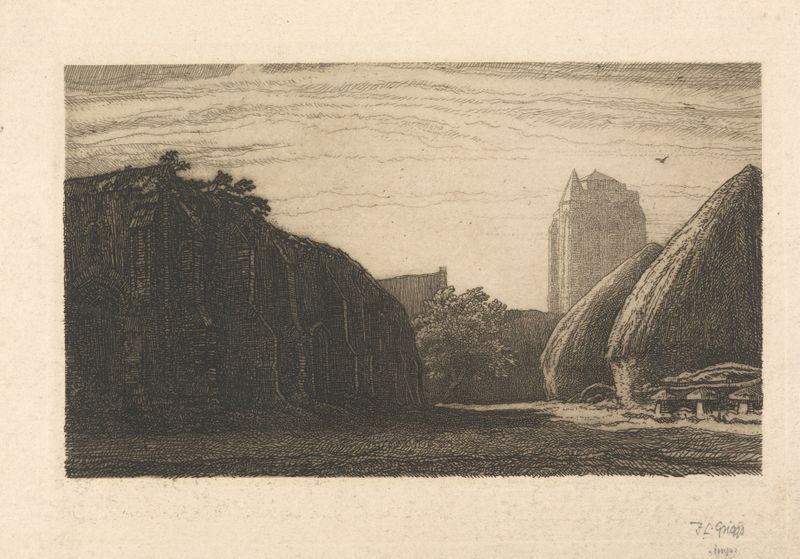
Maur’s Farm
Frederick Landseer Maur Griggs
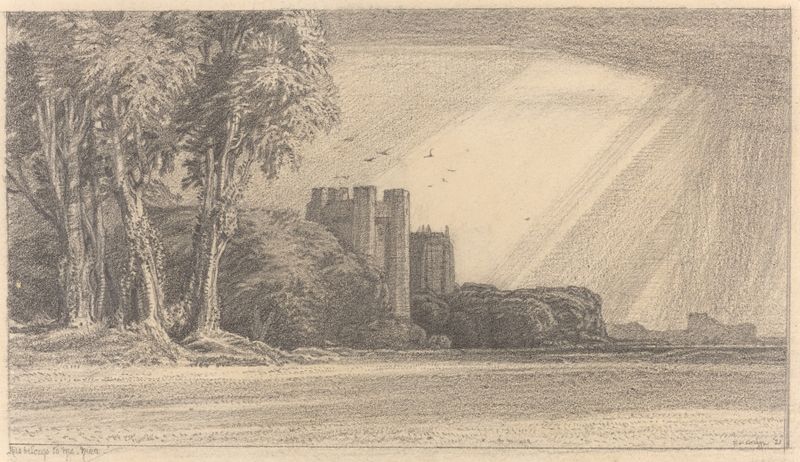
Landscape with Castle
Frederick Landseer Maur Griggs
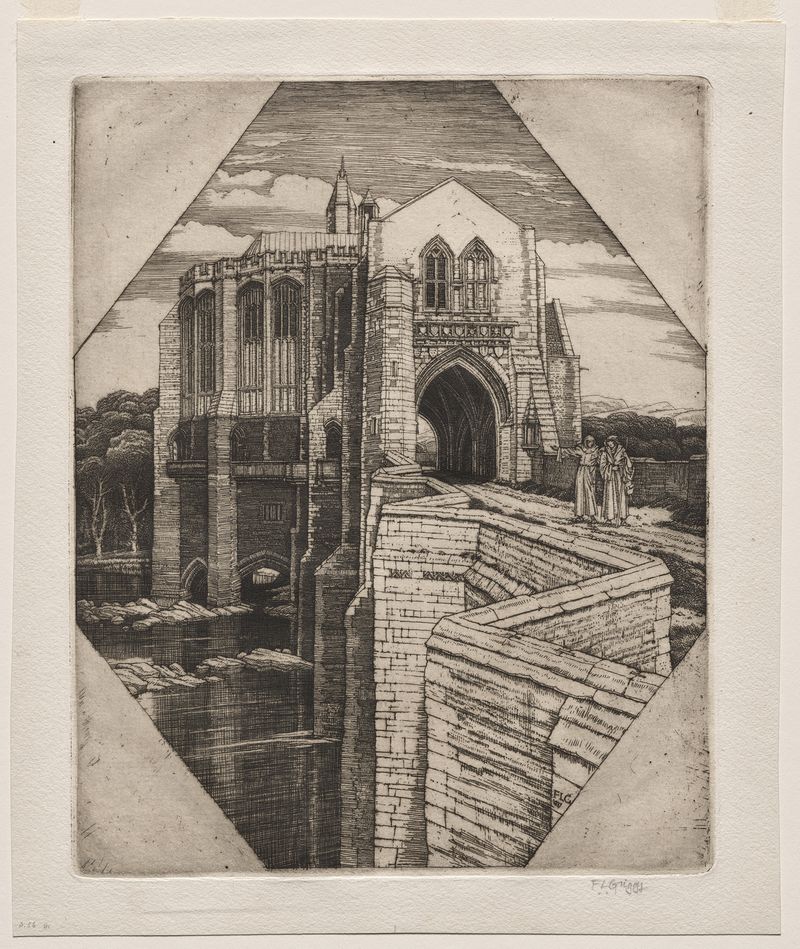
St. Botolph’s Bridge No. 2 1937
Frederick Landseer Maur Griggs
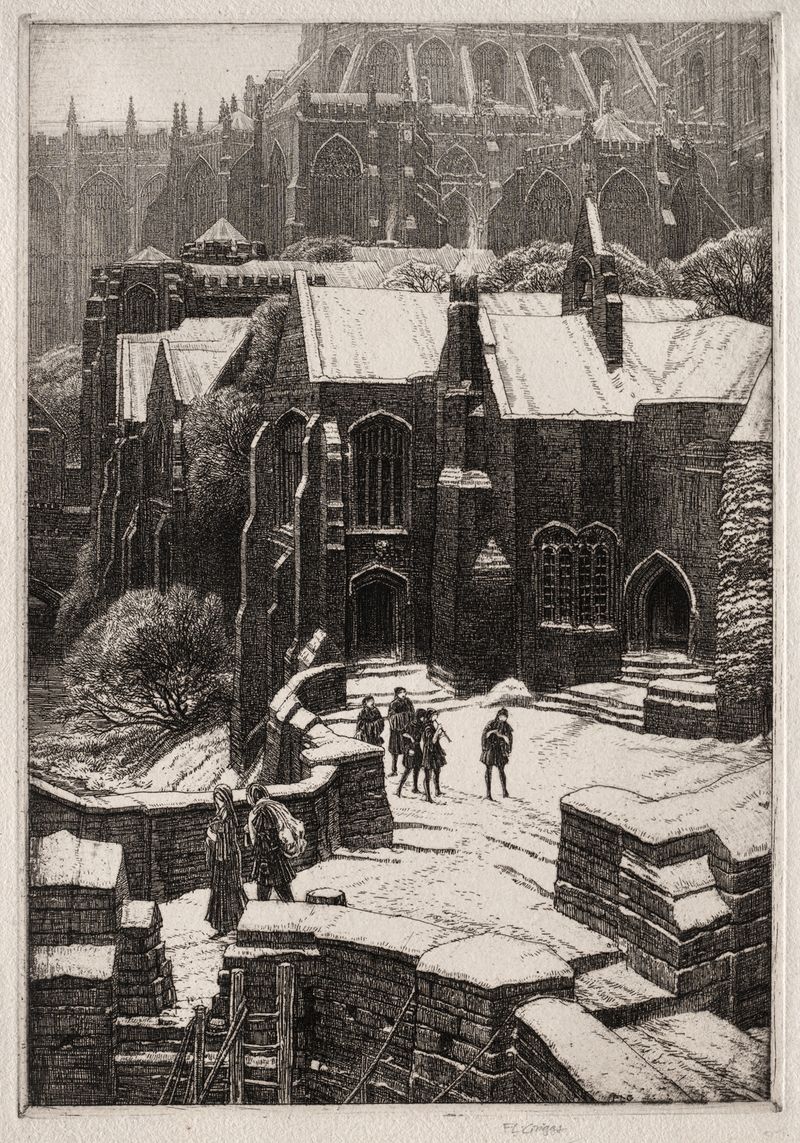
The Almonry
Frederick Landseer Maur Griggs

The Cresset
Frederick Landseer Maur Griggs
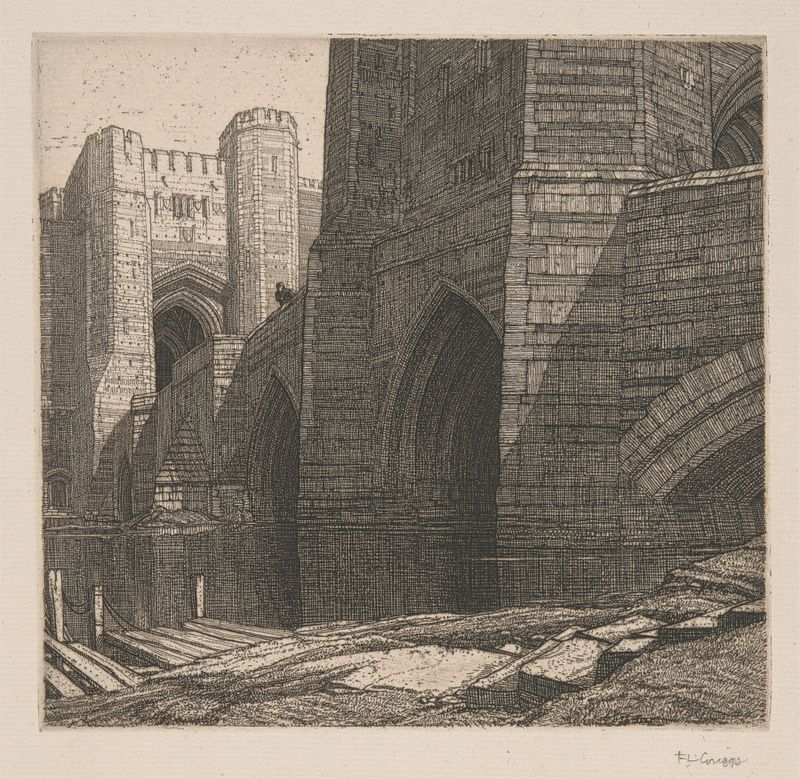
The Barbican
Frederick Landseer Maur Griggs

Maur’s Farm
Frederick Landseer Maur Griggs
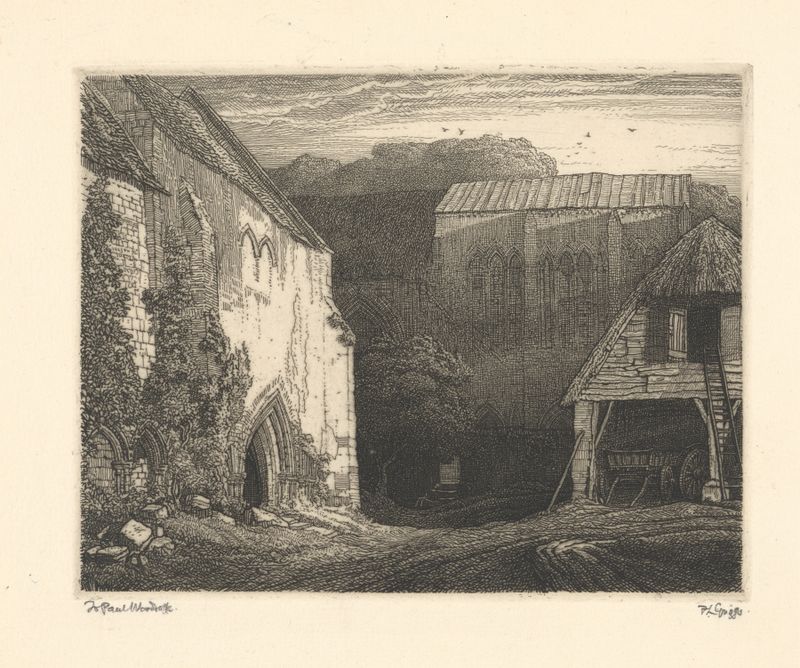
Priory Farm
Frederick Landseer Maur Griggs

St. Wendred’s March
Frederick Landseer Maur Griggs
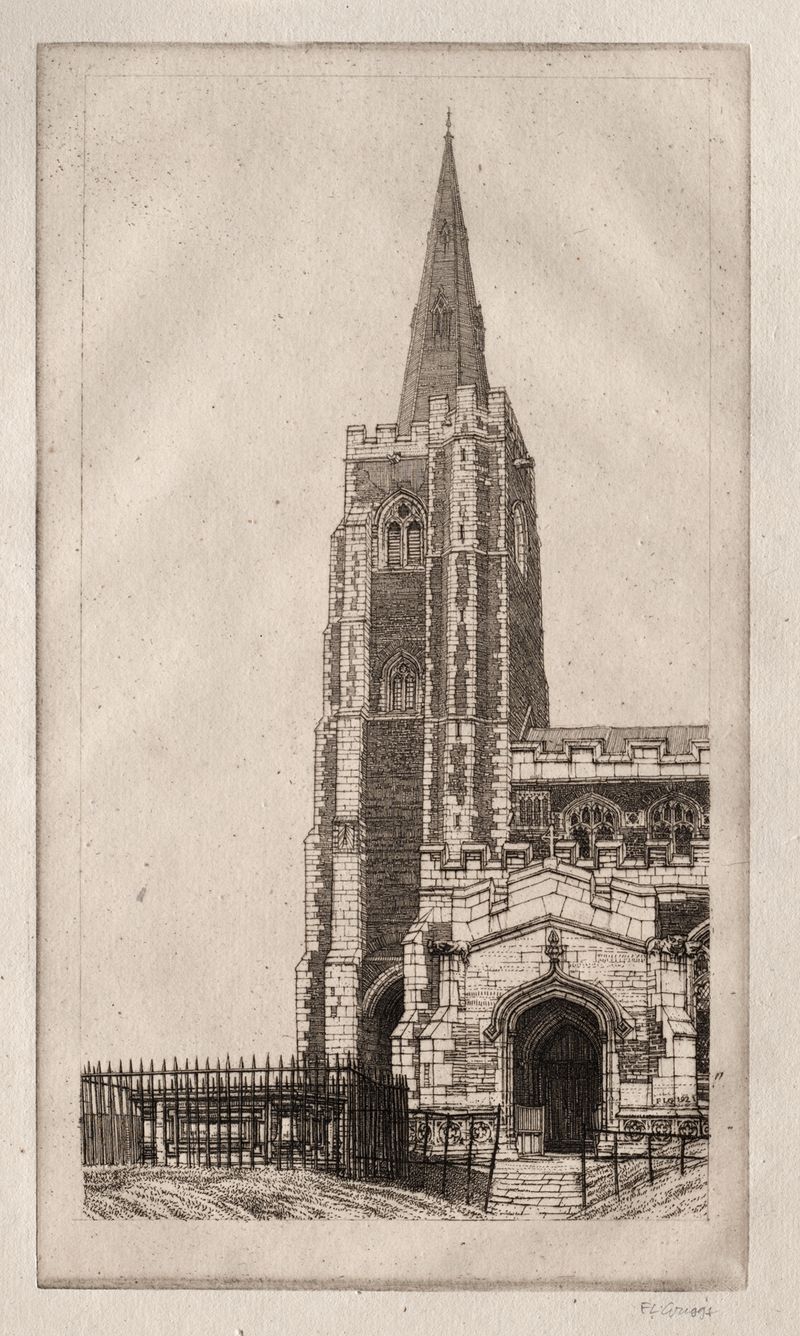
St. Wendred’s, March
Frederick Landseer Maur Griggs
More Architecture Art
Browse all →
The statue of Liberty
Frédéric Auguste Bartholdi

View of Houses in Delft, Known as ‘The Little Street’
Johannes Vermeer

View of Houses in Delft, Known as ‘The Little Street’
Johannes Vermeer

The Cathedral in Rouen. The portal, Grey Weather
Claude Monet

The yellow house
Vincent van Gogh

The Church in Auvers-sur-Oise, View from the Chevet
Vincent van Gogh