
The Miracle of Loaves and Fishes — History & Facts
The sun casts a warm, golden glow on a crowd gathered by the shores of a tranquil lake. A sense of anticipation hangs in the air as a figure, vibrant in flowing robes, gestures expansively, revealing an abundance of loaves and fish to the astonished faces surrounding him. The moment is charged with awe, as the ordinary transforms into the miraculous, the crowd's whispers a symphony of disbelief and hope. Look to the left at the vivid array of bread and fish laid before the multitude, each detail rendered with meticulous care.
The artist's use of light, bathing the offerings in a divine radiance, draws the viewer’s eye, emphasizing their significance as symbols of sustenance and grace. Notice how the chaotic arrangement of figures forms a dynamic composition, leading your gaze toward the central scene—a mingling of faces, each reflecting a unique response, from skepticism to wonder. Beneath this surface of abundance lies a deeper commentary on faith and community. The stark contrast between the limited resources and the multitude’s overwhelming need evokes a poignant tension—how can so little feed so many? This paradox challenges the viewer to reflect on notions of divine providence and the interconnectedness within shared experience.
The expressions of the crowd capture a range of emotions, from hunger to revelation, inviting contemplation on the nature of miracles themselves. Created between 1500 and the 1530s, during a time of religious upheaval and exploration, this artwork reflects a period rich in spiritual inquiry and artistic experimentation. The unidentified artist embraced the themes of divine intervention at a moment when the Renaissance was shifting perspectives on humanity’s place in the universe. Through this work, the artist contributes to a broader discourse on faith, abundance, and the transformative power of belief.
More Artworks by Unidentified artist
Browse all →
Self-portrait with a Bandaged Ear and Pipe
Unidentified artist

Feast in the House of Levi
Unidentified artist
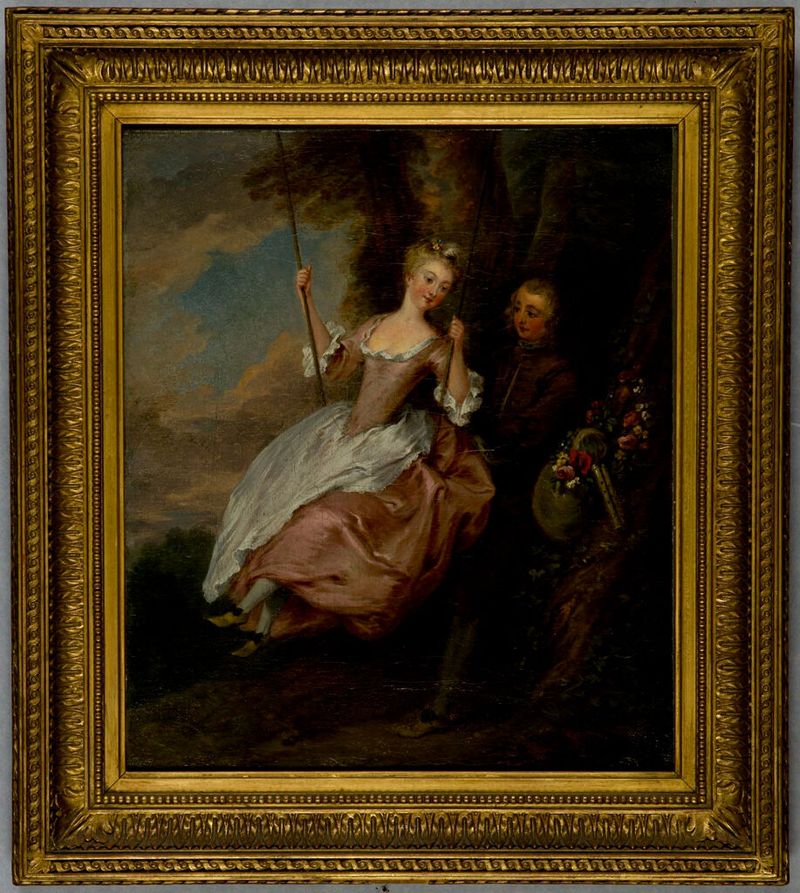
The Swing
Unidentified artist

Geoffrey Chaucer (1340?-1400)
Unidentified artist

Portrait of Michelangelo after the "Strozzi" original in the Uffizi Gallery
Unidentified artist
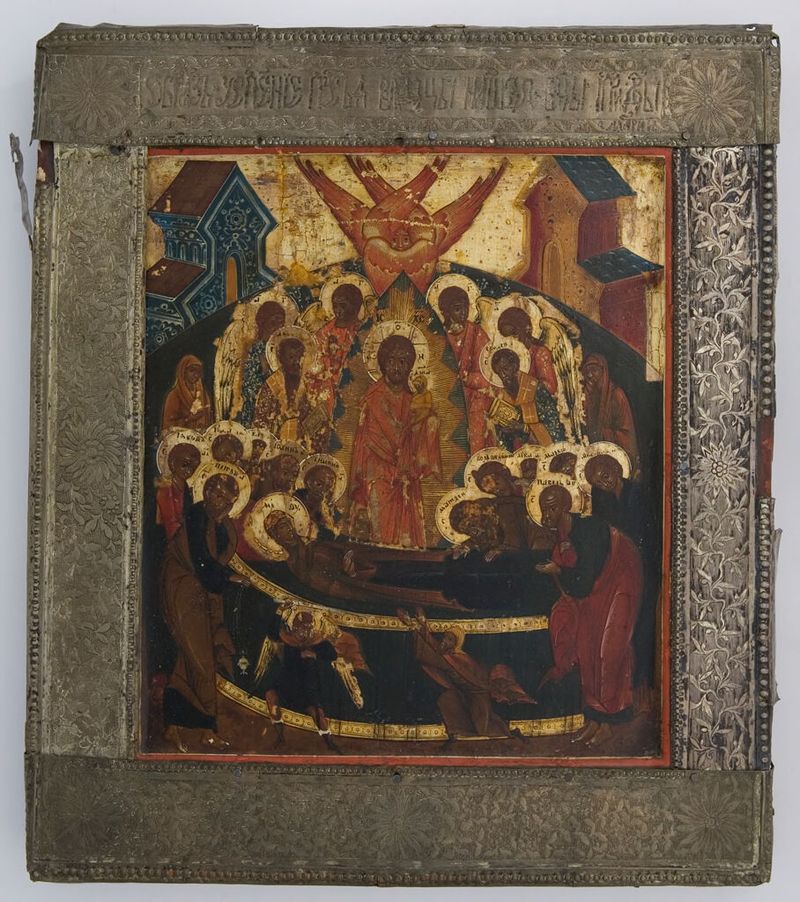
Dormition of the Virgin
Unidentified artist

Charles I (after a van Dyck painting in the Staatliche Museen, Gemaldegalerie, Dresden)
Unidentified artist

Madonna and Child
Unidentified artist

John Winthrop, the Younger (1606-1676)
Unidentified artist

Crucifix with the Virgin and Saint John the Evangelist, Christ the Redeemer, and a Praying Woman
Unidentified artist
More Religious Art
Browse all →
The Return of the Prodigal Son
Rembrandt van Rijn

The Garden of Earthly Delights
El Bosco

Count Orgaz’ funeral
El Greco

The Hundred Guilder Print: the central piece with Christ preaching, the plate arched
Rembrandt van Rijn

The Descent from the Cross
Rogier van der Weyden

The return of the prodigal son
Rembrandt van Rijn