
The Monastery of the Cartuja at Xeres — History & Facts
In the stillness of a moment captured, the essence of creation breathes life into Smith's work. Look closely at the tranquil landscape; the monastery stands resolute, nestled among the undulating hills. Notice how the earthy tones of ochre and muted greens harmonize with the soft blue sky, inviting you to linger. The delicate brushwork creates a sense of age, while the structure's details, from the stonework to the gentle contours of the landscape, illustrate a communion between nature and man.
The overall composition frames the monastery as a sanctuary amid the ever-changing passage of time. As you delve deeper, consider the juxtaposition between the permanence of the monastery and the ephemeral nature of the surrounding landscape. The soft, fading light suggests a transition, perhaps signaling the passing of an era. There’s a sense of solitude here, evoking contemplation about faith, history, and the human condition.
Each brushstroke pays homage to moments that endure while others fade away, encapsulating the tension between the sacred and the transient. During the time this work was created, Smith was immersed in the English Romantic movement, exploring themes of nature and spirituality. This period saw a growing interest in the sublime and the picturesque, as artists sought to express their connection with the natural world. Smith’s depiction of the Monastery of the Cartuja at Xeres reflects this sensibility, capturing both the external beauty of the scene and the internal dialogue it inspires.
More Artworks by Charles Hamilton Smith
Browse all →
Situation of H.M.S. Hecla & Griper
Charles Hamilton Smith
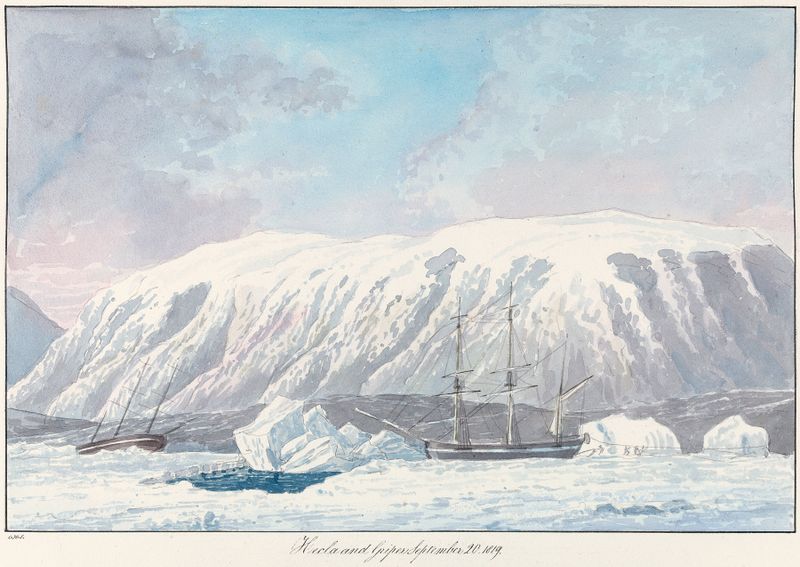
Hecla and Griper
Charles Hamilton Smith

Friendly Cove, Nootka Sound
Charles Hamilton Smith

Iceberg in Baffin’s Bay
Charles Hamilton Smith
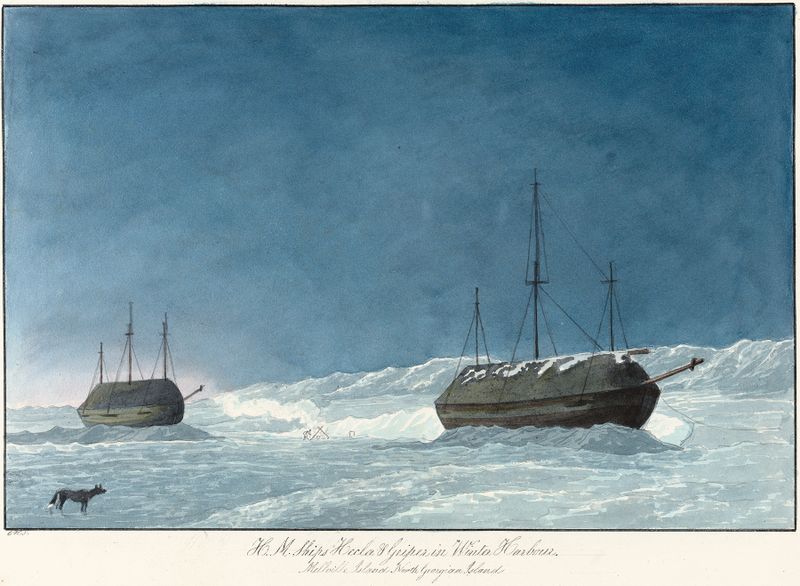
H. M. Ships Hecla and Griper in Winter Harbour
Charles Hamilton Smith

The Erebus & Terror in a Gale in the Pack of the Ice
Charles Hamilton Smith
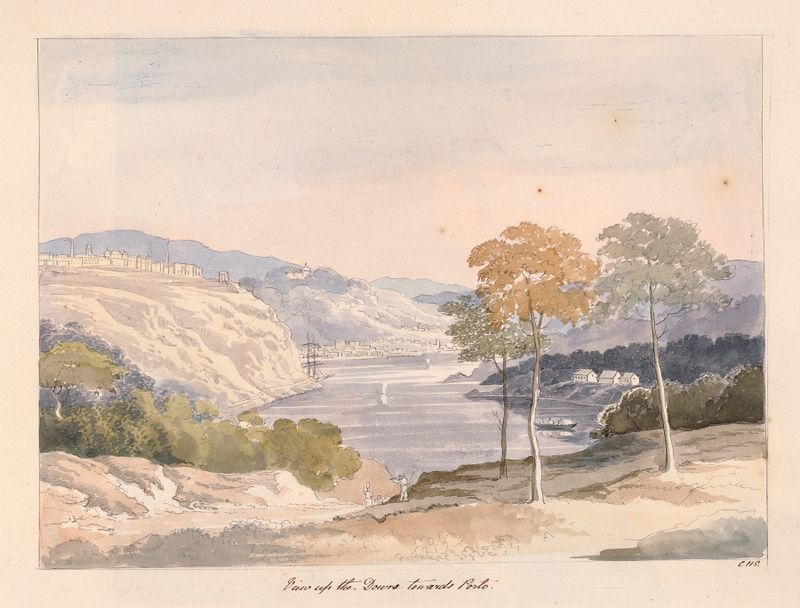
View of the Douro towards Porto
Charles Hamilton Smith
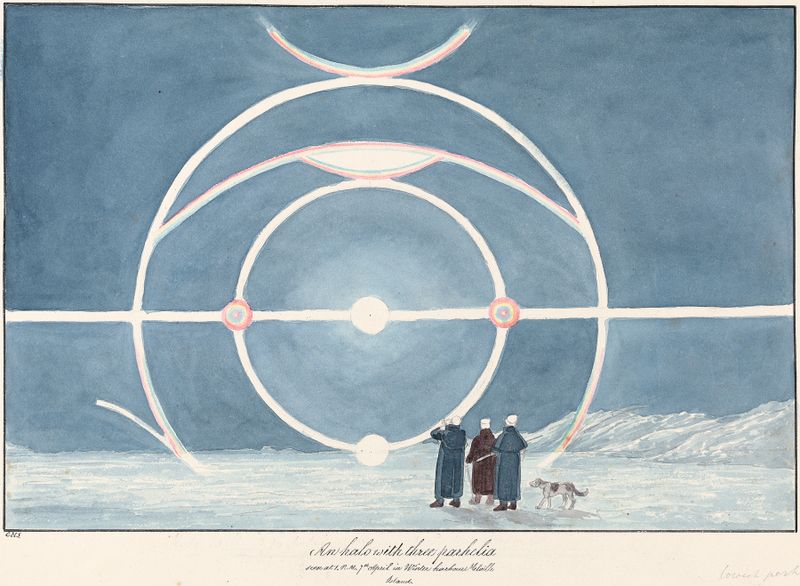
Halo with Three Parhelia, Winter Harbour Melville Island
Charles Hamilton Smith
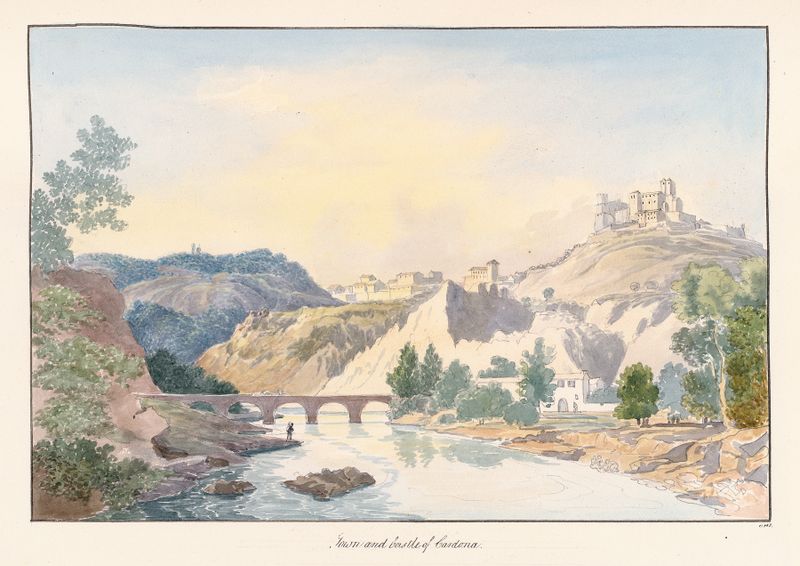
Town and Castle of Cardona
Charles Hamilton Smith
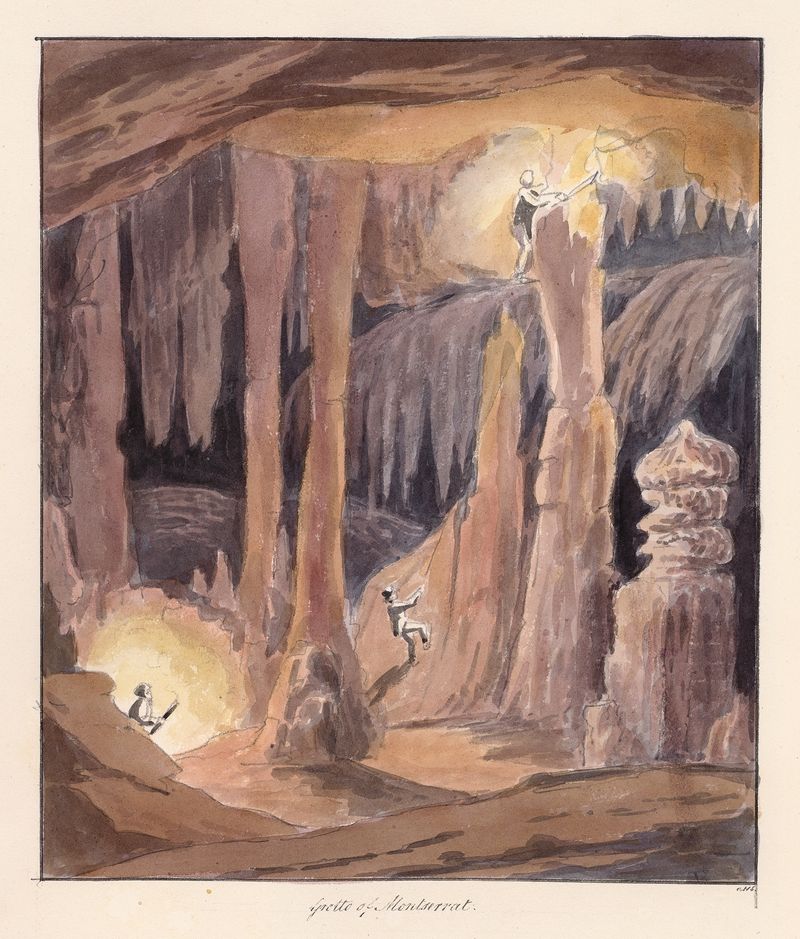
Grotto of Montserrat
Charles Hamilton Smith





