
The Mourning Virgin — History & Facts
In the quietude of The Mourning Virgin, the weight of grief hangs palpably in the air, muted yet piercing. The solemn figure before us embodies loss, her downcast gaze and the gentle curve of her lips betraying the violence of sorrow. This canvas whispers the stories of those who loved fiercely and lost deeply, reminding us that in mourning, there is an unspoken acceptance of life's cruelties. Look to the figure at the center, her head bowed and hands clasped tightly in front of her.
The soft, ethereal light falls delicately on her pale skin, highlighting the contours of her face, while shadows deepen around her, enhancing the profound sense of melancholy. The artist employs a muted palette, with shades of blue and gray dominating, evoking a serenity that belies the inner turmoil of the subject. The drapery of her garment, flowing yet heavy, captures the duality of vulnerability and strength associated with profound grief. Yet, it is the details that amplify the emotional tension in this work.
The slight tremor of her hands suggests a struggle to maintain composure, while the stark contrast between her serene expression and the chaotic darkness surrounding her hints at an internal battle. Each crease in her attire speaks to the weight of her sorrow, while the absence of any background figures highlights her isolation. This is a moment suspended in time, where the violence of loss is both acute and hauntingly beautiful. Created around 1450, this work reflects a period of profound change in the art world, marked by the transition from Gothic to Renaissance styles.
The artist, though unidentified, likely belonged to a milieu where religious themes were prevalent, and emotions were conveyed with an unprecedented depth. As society grappled with the tumult of the times, the silent cry of the Virgin resonates, capturing the essence of human vulnerability in the face of inevitable tragedy.
More Artworks by Unidentified artist
Browse all →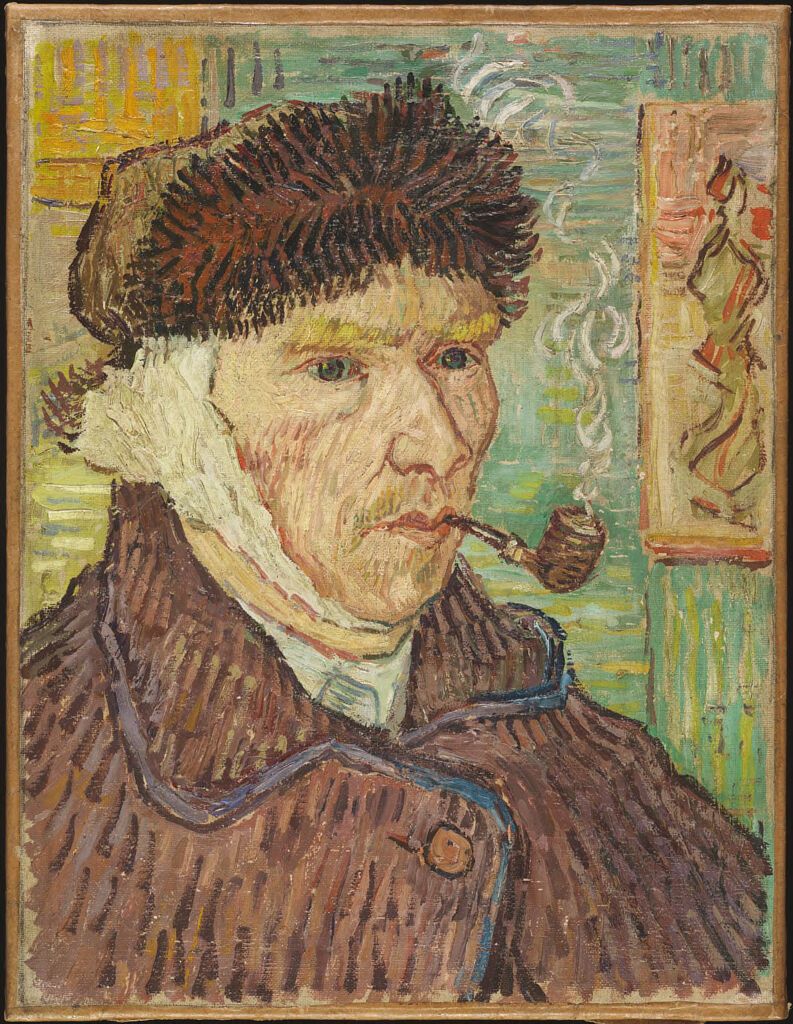
Self-portrait with a Bandaged Ear and Pipe
Unidentified artist

Feast in the House of Levi
Unidentified artist
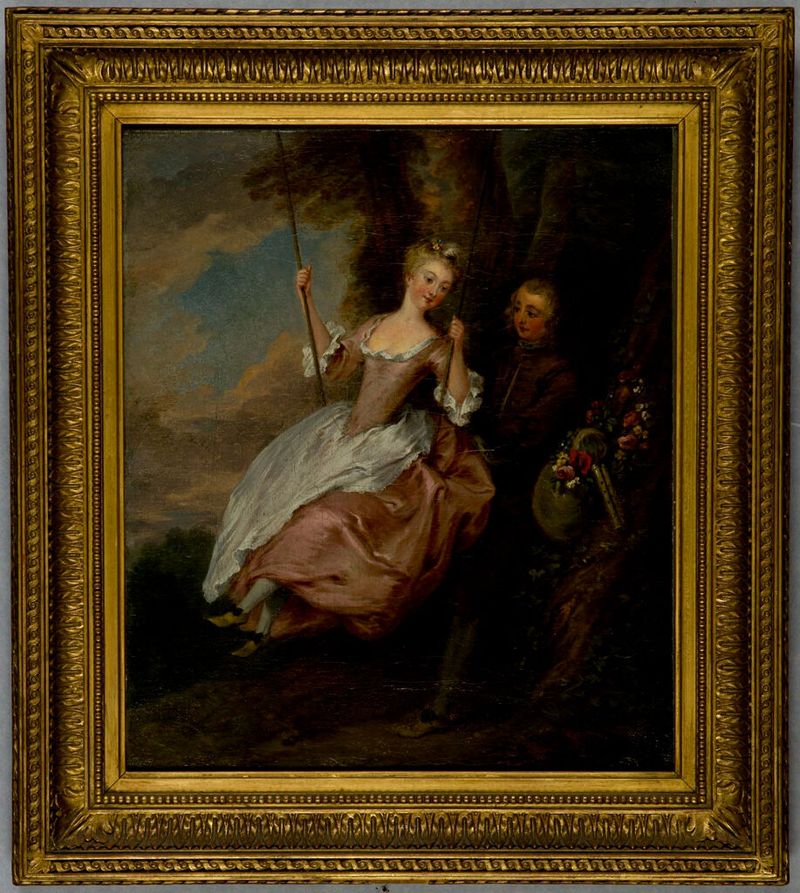
The Swing
Unidentified artist

Geoffrey Chaucer (1340?-1400)
Unidentified artist

Portrait of Michelangelo after the "Strozzi" original in the Uffizi Gallery
Unidentified artist
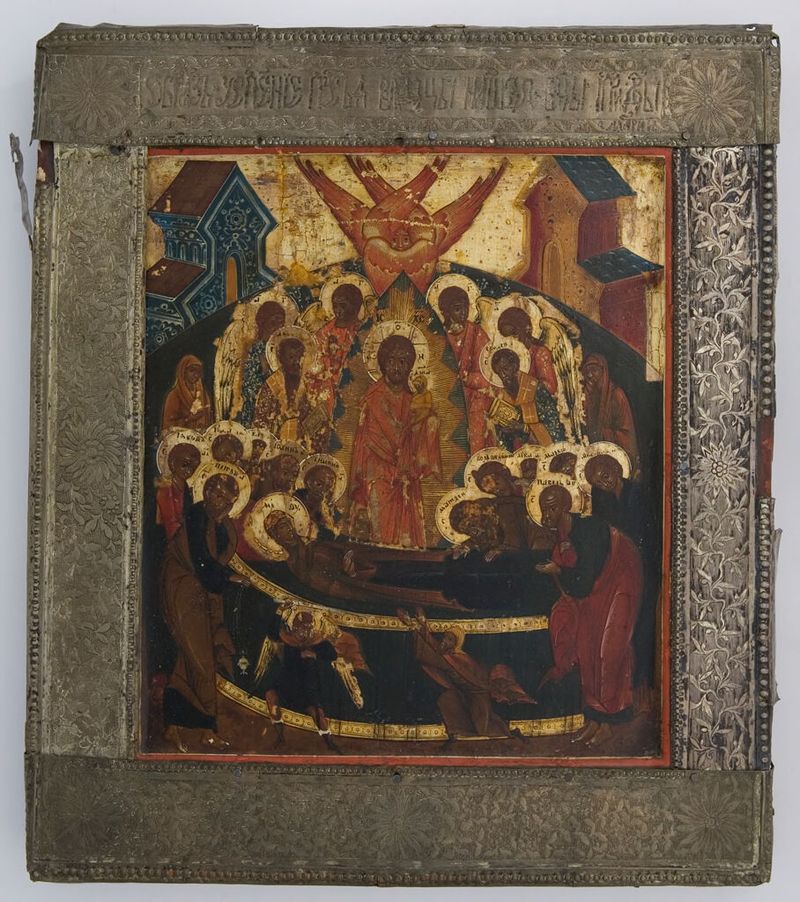
Dormition of the Virgin
Unidentified artist

Charles I (after a van Dyck painting in the Staatliche Museen, Gemaldegalerie, Dresden)
Unidentified artist

Madonna and Child
Unidentified artist

John Winthrop, the Younger (1606-1676)
Unidentified artist

Crucifix with the Virgin and Saint John the Evangelist, Christ the Redeemer, and a Praying Woman
Unidentified artist
More Religious Art
Browse all →
The Return of the Prodigal Son
Rembrandt van Rijn

The Garden of Earthly Delights
El Bosco

Count Orgaz’ funeral
El Greco

The Hundred Guilder Print: the central piece with Christ preaching, the plate arched
Rembrandt van Rijn

The Descent from the Cross
Rogier van der Weyden

The return of the prodigal son
Rembrandt van Rijn