
The National Washington Monument — History & Facts
In a time of national grief, an artist captures the essence of resilience and hope. Focus on the towering monument that stands resolute against a soft, ethereal sky. Look closely at the intricate details etched in the stone, where American pride and sorrow intertwine. The stark contrast between the monument's solid gray and the gentle, pastel hues of the background creates a poignant dialogue, inviting viewers to reflect on the enduring spirit of a nation mourning its lost leader.
Subtle brushstrokes evoke clouds that appear both heavy with emotion and light with possibility, suggesting a complex interplay between despair and aspiration. Beneath the surface, the composition speaks to the collective grief felt in the wake of President Lincoln's assassination. The monument, a symbol of national unity, takes on a dual role as both a site of remembrance and a beacon of hope. The surrounding landscape, rendered with serene landscapes and scattered figures, hints at the ongoing journey of a country grappling with its identity, as the juxtaposition of despair and hope reverberates throughout the scene.
Each detail, from the muted foliage to the gathering clouds, encapsulates the emotional weight carried by a nation in transition. In 1885, Currier & Ives was at the forefront of American printmaking, known for their ability to capture the zeitgeist. The creation of this work coincided with a period marked by reflection on the Civil War's impact and the legacy of Lincoln. As the country sought to heal, the artists aimed to provide a visual narrative that resonated with the public, making the monument not just a physical structure but a symbolic reminder of perseverance in the face of adversity.
More Artworks by Currier & Ives.
Browse all →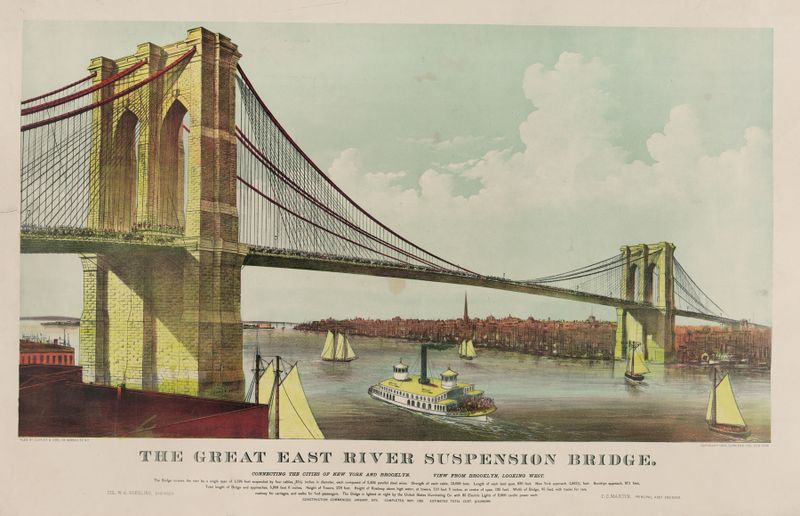
The great East River suspension bridge; connecting the cities of New York and Brooklyn View from Brooklyn, looking west.
Currier & Ives.
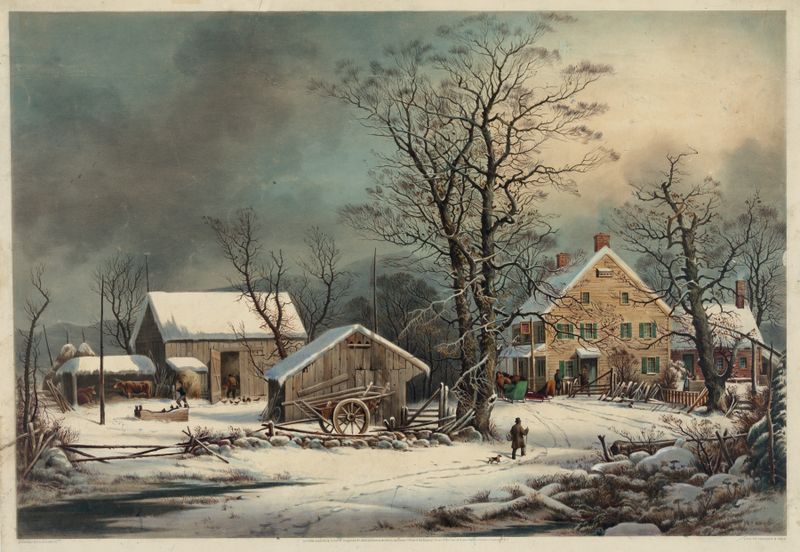
Winter in the country; a cold morning
Currier & Ives.
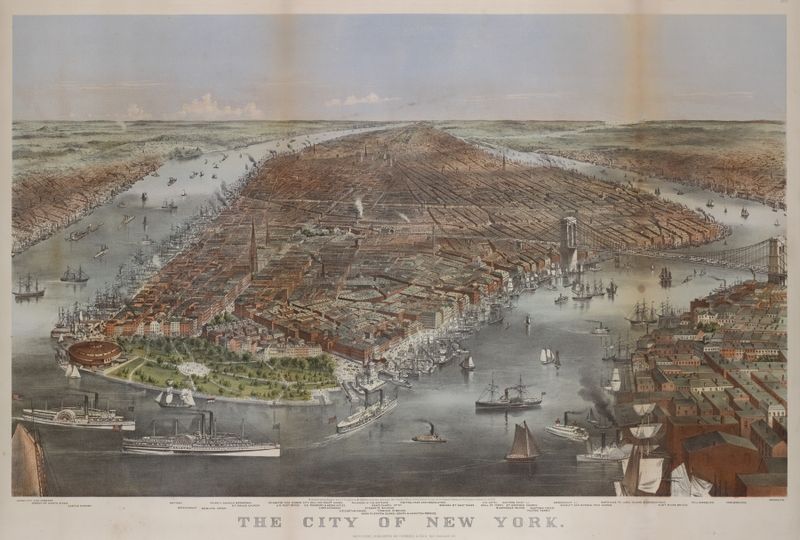
The City of New York
Currier & Ives.
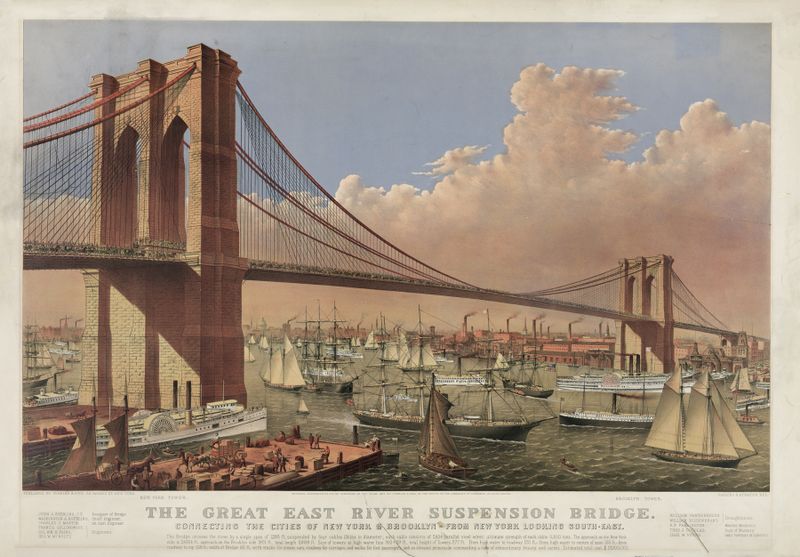
The great East River suspension bridge; connecting the cities of New York & Brooklyn From New York looking south-east.
Currier & Ives.
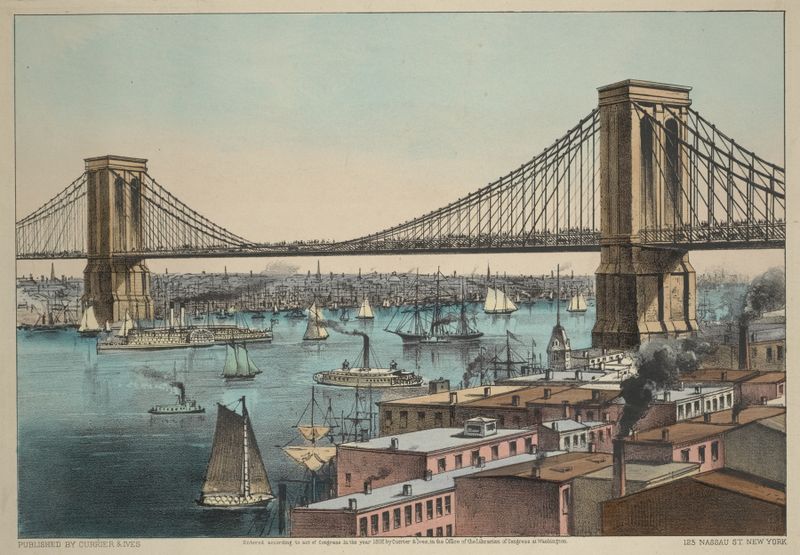
The Great East River Bridge. To connect the cities of New York & Brooklyn
Currier & Ives.
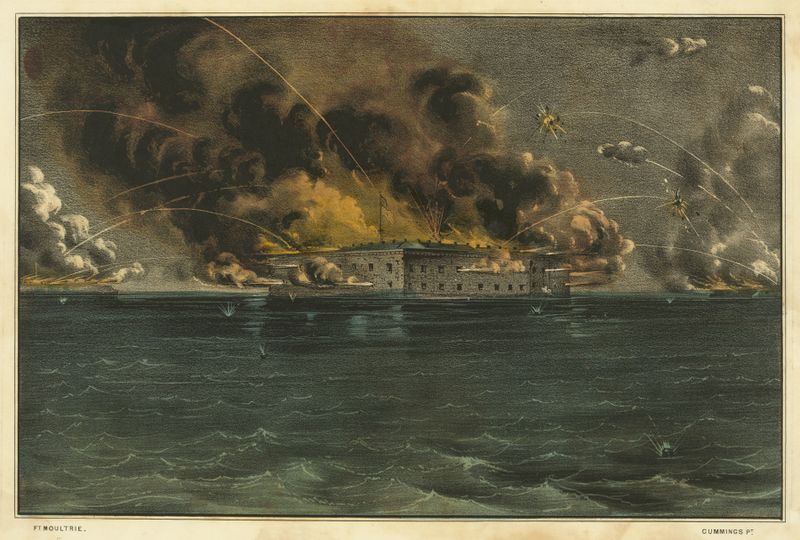
Bombardment of Fort Sumter, Charleston Harbor; 12th & 13th of April, 1861
Currier & Ives.
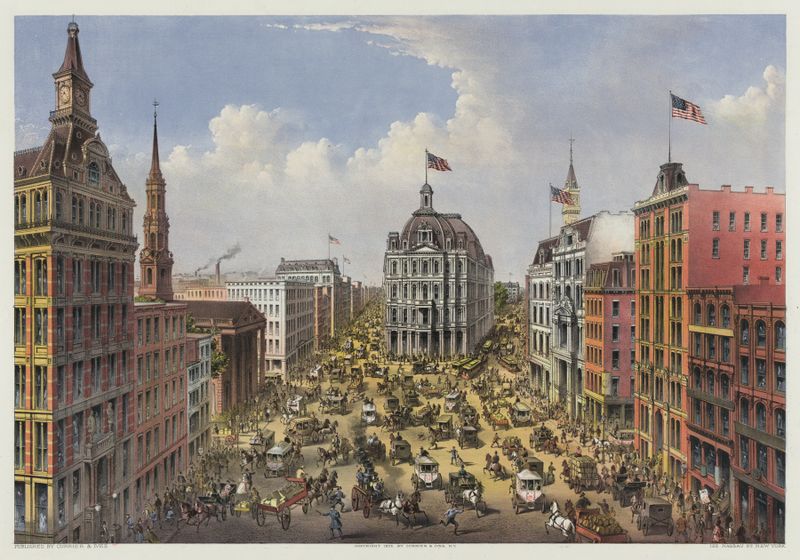
Broadway, New York; From the western union telegraph building looking north
Currier & Ives.
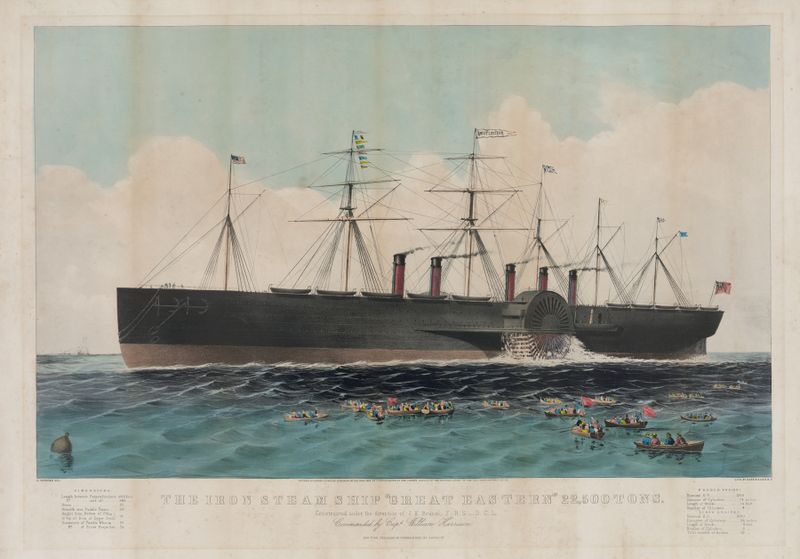
The iron steam ship ‘Great Eastern’ 22,500 tons; constructed under the direction of I.K. Brunel, F.R.S. — D.C.L. commanded by Capt. William Harrison
Currier & Ives.
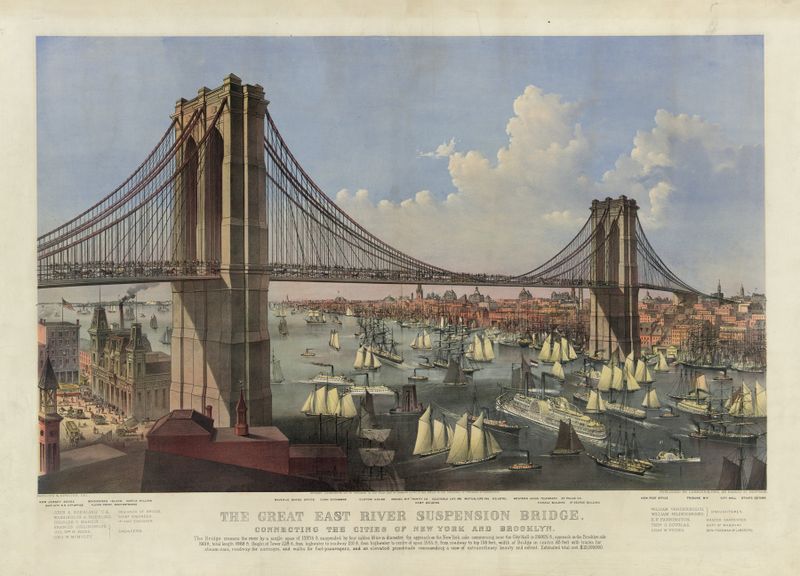
The great East River suspension bridge–Connecting the cities of New York and Brooklyn
Currier & Ives.
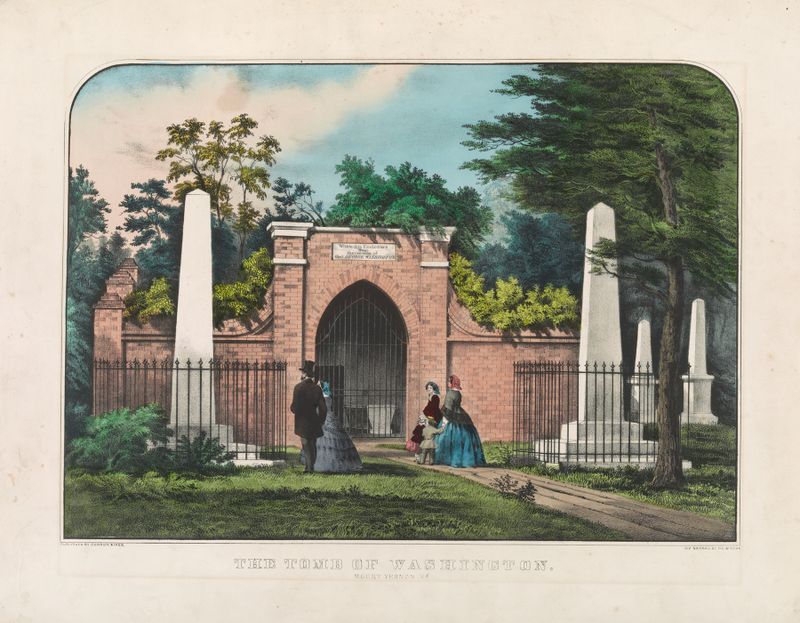
The tomb of Washington; Mount Vernon, Va.
Currier & Ives.
More Architecture Art
Browse all →
The statue of Liberty
Frédéric Auguste Bartholdi

View of Houses in Delft, Known as ‘The Little Street’
Johannes Vermeer

View of Houses in Delft, Known as ‘The Little Street’
Johannes Vermeer

The Cathedral in Rouen. The portal, Grey Weather
Claude Monet

The yellow house
Vincent van Gogh

The Church in Auvers-sur-Oise, View from the Chevet
Vincent van Gogh