
The Newfoundland Dog, Original Breed — History & Facts
In The Newfoundland Dog, Original Breed, Charles Hamilton Smith presents a striking portrayal of a Newfoundland dog. The painting features a rich palette of browns and blacks, capturing the dog's thick fur and expressive eyes. The background is softly blurred, emphasizing the dog as the focal point.
The overall composition conveys a sense of warmth and companionship. The painting is executed in oil on canvas, a medium that allows for detailed texture and depth. Smith's technique showcases the dog's fur with meticulous brushwork, creating a lifelike representation. The dimensions are approximately 60 x 80 cm, making it a medium-sized artwork.
The realistic style highlights the breed's characteristics, making it an important piece in animal portraiture. Charles Hamilton Smith was a British artist known for his detailed animal studies and illustrations. This particular work reflects his interest in the Newfoundland breed, which was gaining popularity in the early 19th century. An interesting fact about this painting is that it not only serves as a portrait of the dog but also documents the breed's early characteristics before it was standardized.
Smith's work contributes to the understanding of animal breeds in art history.
More Artworks by Charles Hamilton Smith

Marengo, Bonaparte’s Arab
Charles Hamilton Smith
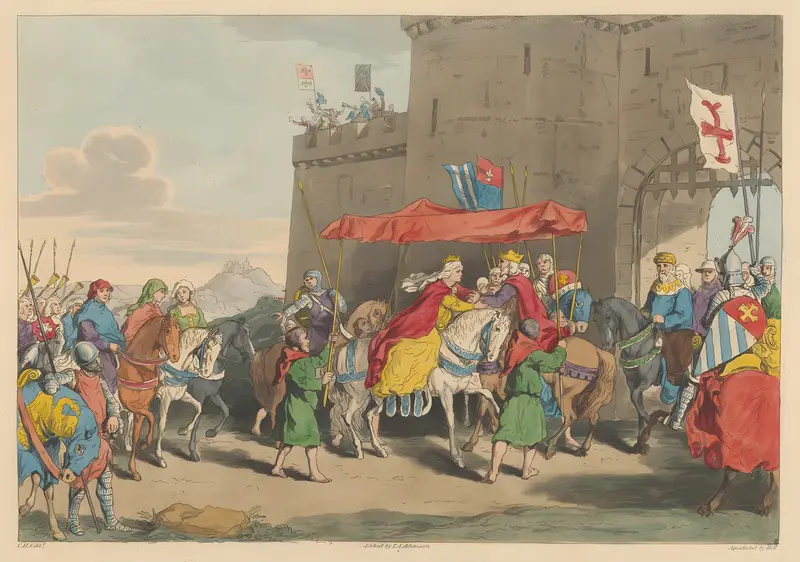
Costume of the Reign of King Henry III
Charles Hamilton Smith
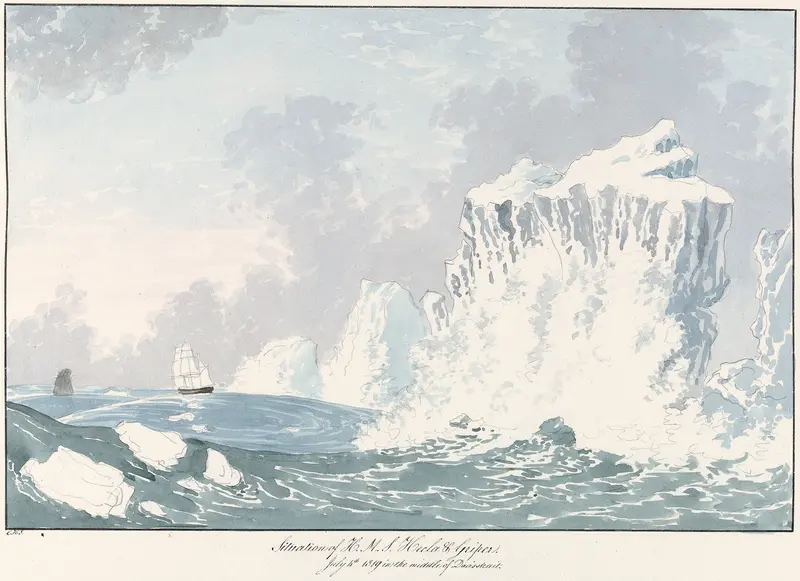
Situation of H.M.S. Hecla & Griper
Charles Hamilton Smith
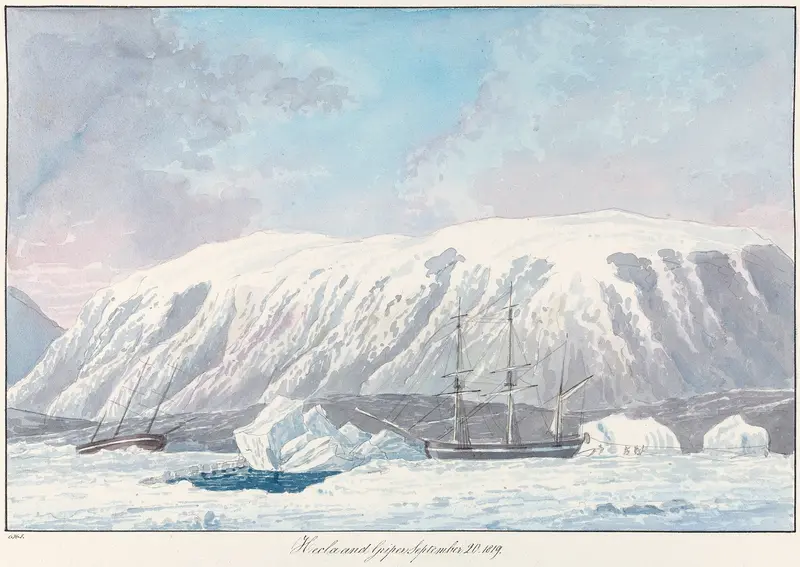
Hecla and Griper
Charles Hamilton Smith
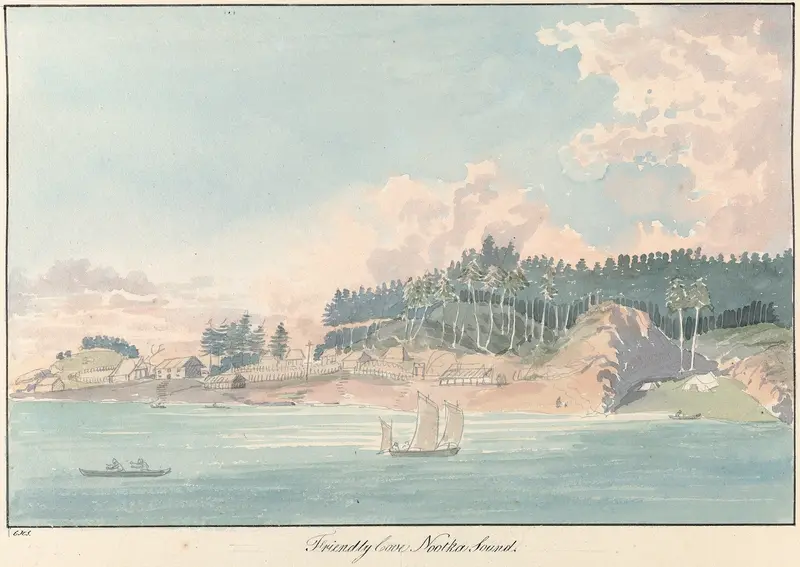
Friendly Cove, Nootka Sound
Charles Hamilton Smith
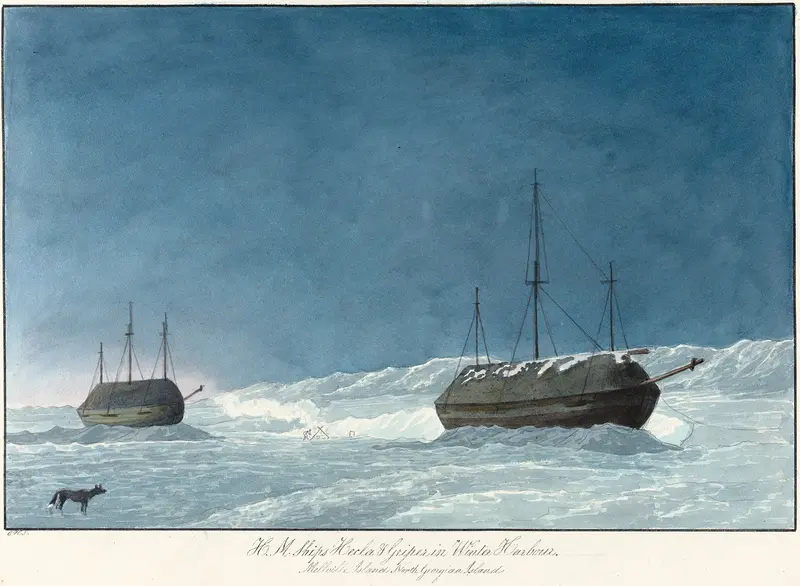
H. M. Ships Hecla and Griper in Winter Harbour
Charles Hamilton Smith
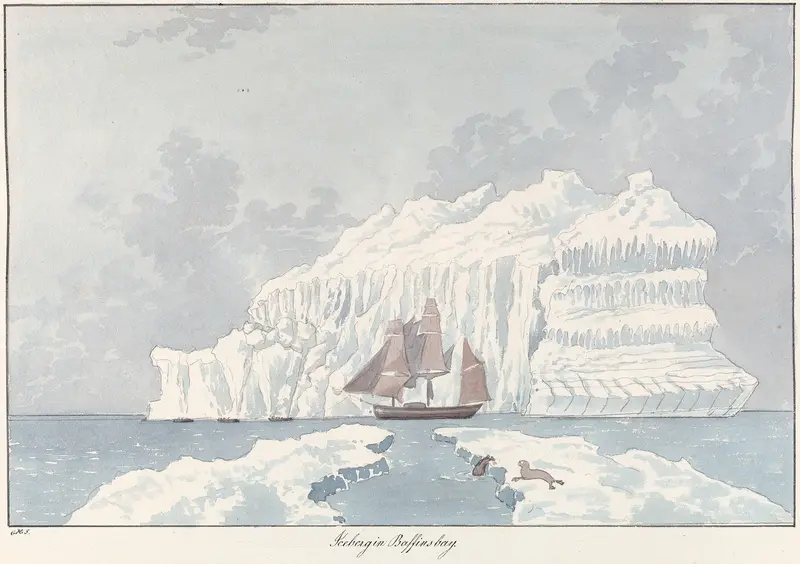
Iceberg in Baffin’s Bay
Charles Hamilton Smith
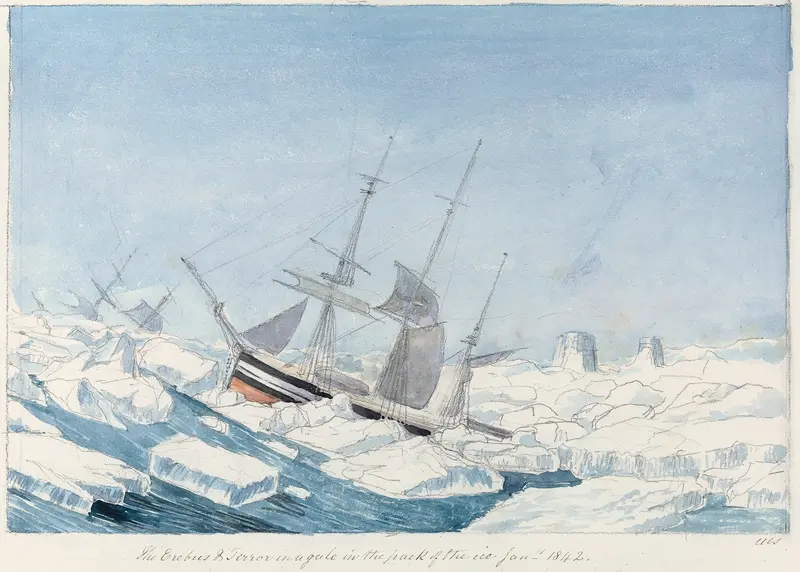
The Erebus & Terror in a Gale in the Pack of the Ice
Charles Hamilton Smith
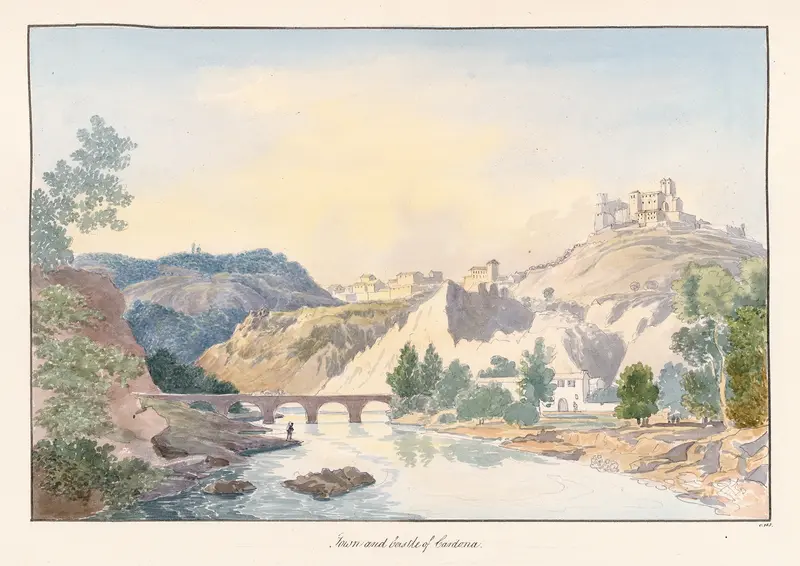
Town and Castle of Cardona
Charles Hamilton Smith
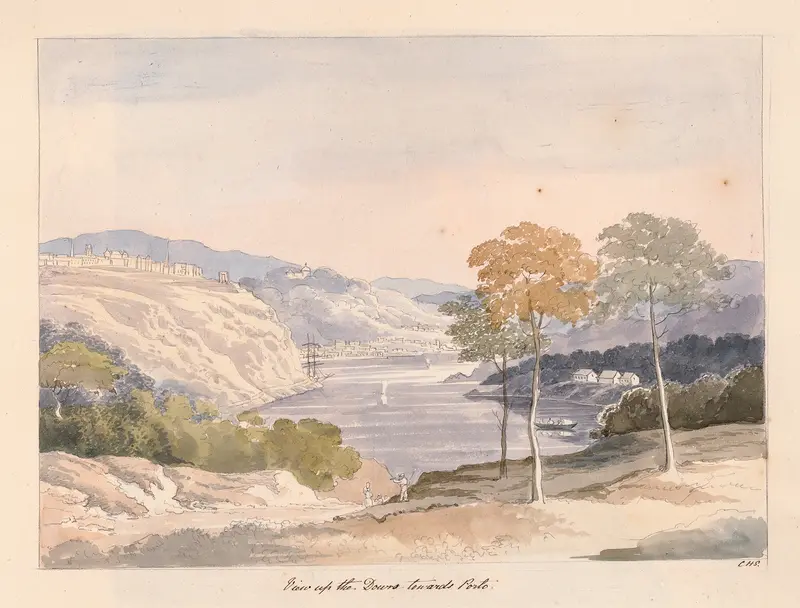
View of the Douro towards Porto
Charles Hamilton Smith





