
The Night Adventures of King Jan Olbracht and Callimachus — History & Facts
In 1881, Jan Matejko turned to a curious episode from Poland’s royal chronicles: the secret night escapade of King Jan Olbracht and his Italian humanist advisor Callimachus. This story, whispered about in Kraków for generations, tells of a king who, under the cover of darkness, slipped away from Wawel Castle in disguise, guided by his learned companion. The event was said to have taken place in the late 1490s—a rare glimpse of a monarch seeking both adventure and counsel outside the rigid formality of court life.
Matejko’s fascination with such moments of vulnerability and intrigue in Polish history led him to immortalize this nocturnal adventure. The painting captures the instant the king and Callimachus pause in a shadowed alley, caught between the thrill of anonymity and the risk of discovery. Jan Olbracht, cloaked and alert, glances over his shoulder while Callimachus, clutching a lantern, gestures urgently toward a narrow passage. The interplay of light and dark not only dramatizes their secrecy but also highlights the contrast between royal authority and human uncertainty.
Matejko scatters period details—embroidered cuffs, the scholar’s Italian cap, the cobblestones slick with moonlight—to anchor the scene in its time. Unlike Rembrandt’s The Night Watch, which marshals a public spectacle, Matejko’s focus is intimate and conspiratorial, drawing the viewer into the king’s private world. The exact medium of The Night Adventures of King Jan Olbracht and Callimachus is not clearly documented, but the painting remains a significant example of Jan Matejko’s late period, when he explored more personal and psychological themes within grand historical narratives. The work was likely intended for a Polish audience eager to reconnect with their national past during a period of political uncertainty.
Today, it is held in a public collection in Poland, though its early provenance is less well known. The painting stands as a testament to Matejko’s enduring ability to bring history to life—not through battles or coronations, but in the fleeting, human moments that shaped a nation’s story.
More Artworks by Jan Matejko
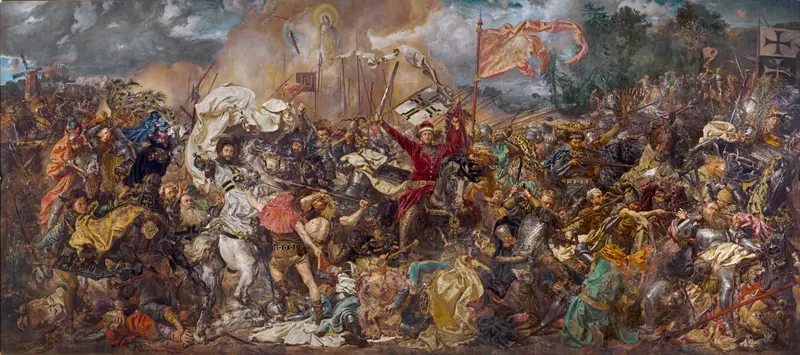
Battle of Grunwald
Jan Matejko

Stańczyk
Jan Matejko

Battle of Raclawice
Jan Matejko
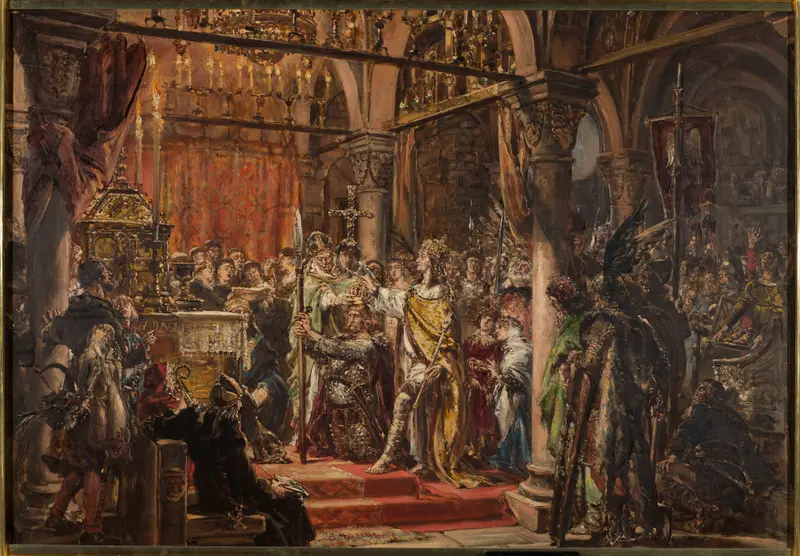
Coronation of the First King, 1001 AD, from the series “History of Civilization in Poland”
Jan Matejko
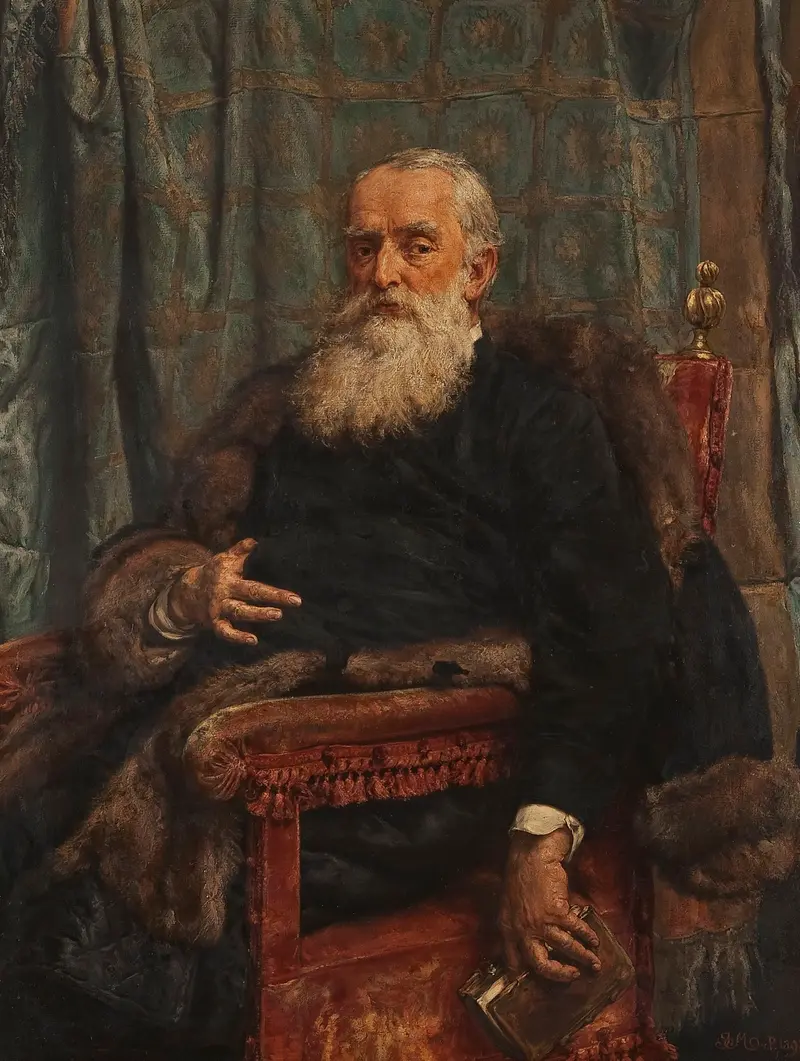
Portrait of Henryk Krajewski
Jan Matejko
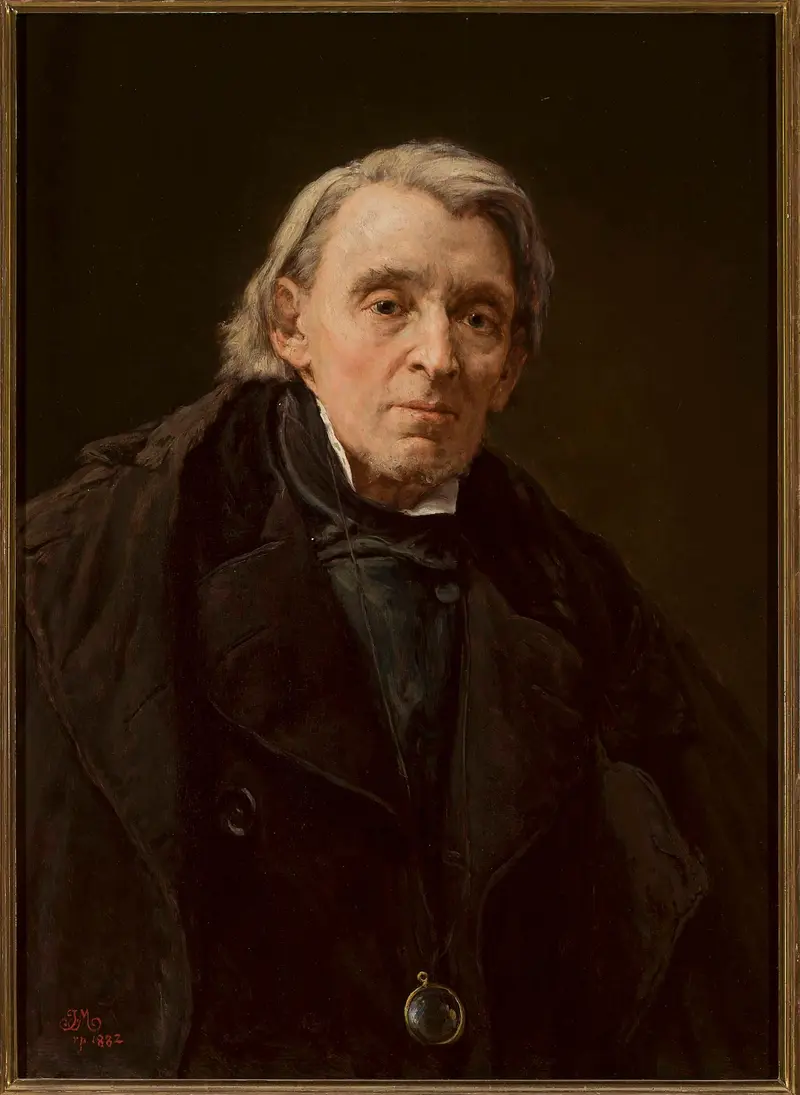
Portrait of Karol Podlewski
Jan Matejko
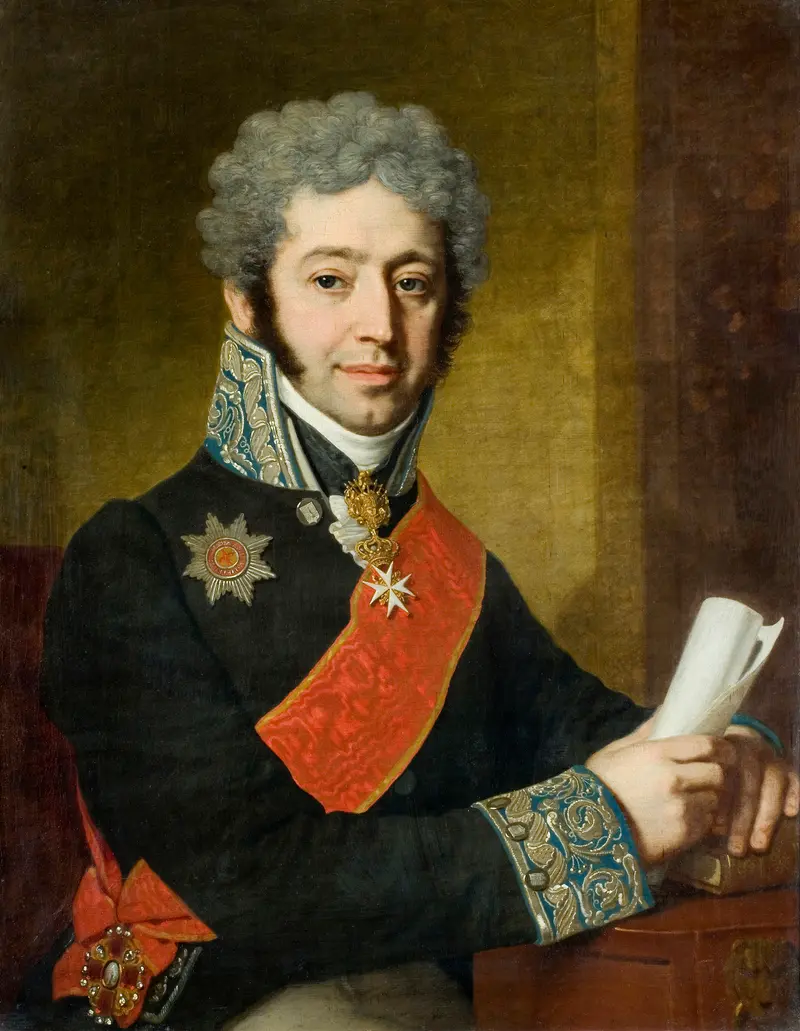
Portrait of Potocki and Poninski
Jan Matejko
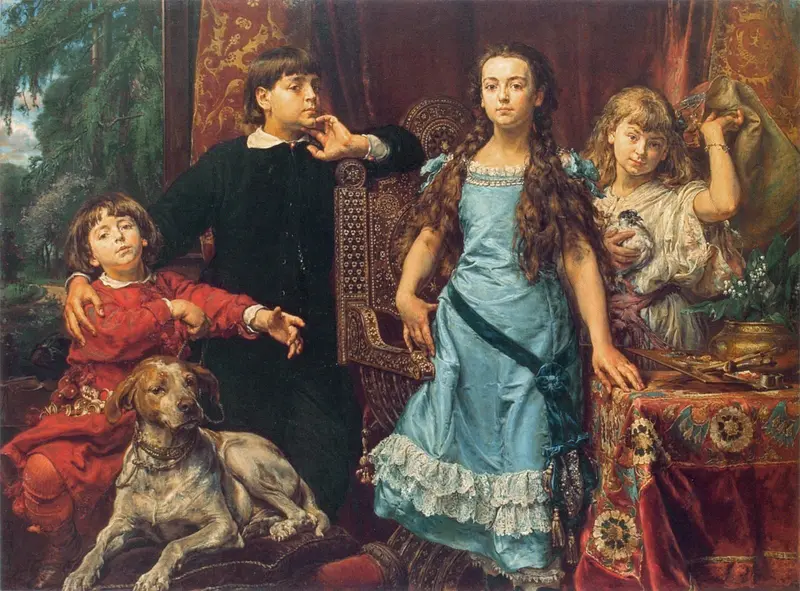
Portrait of the artist's four children
Jan Matejko
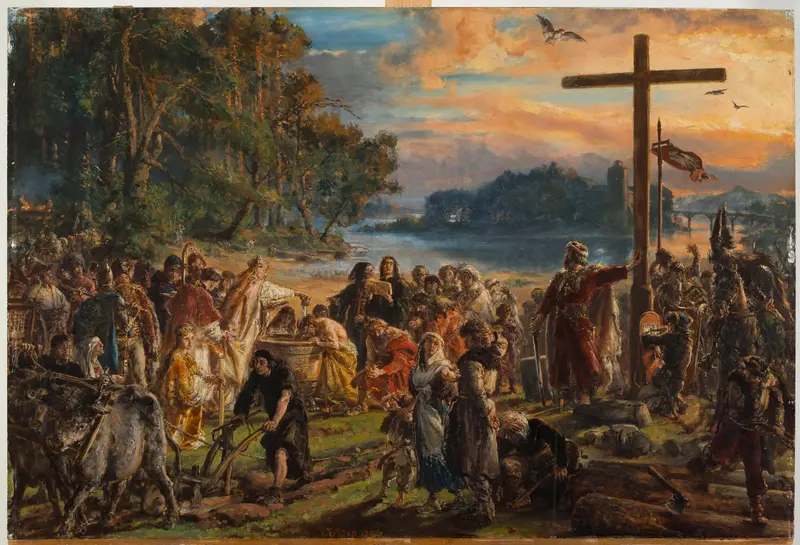
Introduction of Christianity in Poland
Jan Matejko
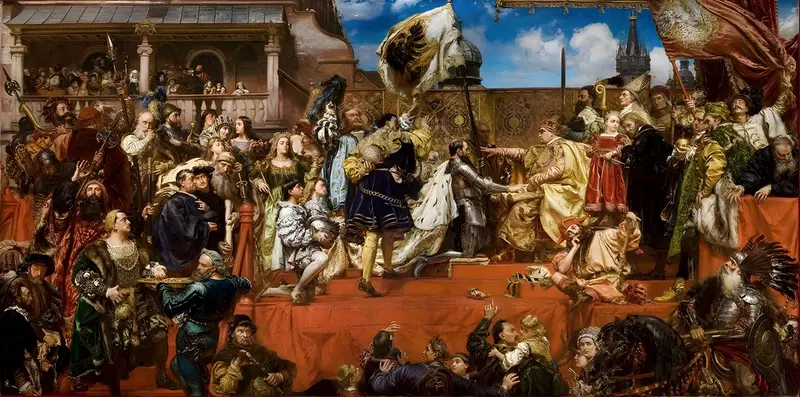
Prussian Homage
Jan Matejko





