
The Olive Grove — History & Facts
When did color learn to lie? The lush greens and muted browns intertwine, beckoning us into a world that seems at once vibrant and fragile, a delicate balance of beauty and transience. Look to the center, where the olive trees twist and sway, their gnarled trunks anchoring the composition. Notice how the dappled sunlight filters through the leaves, casting intricate patterns upon the ground, creating a tapestry of light and shadow. The artist’s loose brushwork captures not just the landscape but the very essence of the Mediterranean air, each stroke pulsating with life and movement, while the soft palette evokes a sense of nostalgia and longing. Within this seemingly serene grove lies a tension between permanence and ephemerality.
The trees, symbols of endurance, coexist with the fleeting play of light, reminding us of nature's impermanence. The gentle interplay of color hints at both vitality and fragility, inviting contemplation of what lies beneath the surface—perhaps the inevitable passage of time or the quiet beauty that often goes unnoticed. In 1910, amid the vibrant artistic circles of Europe, The Olive Grove emerged as Sargent sought to capture the essence of his surroundings during his travels in France. The world was teetering on the brink of modernity, and artists began to explore new styles and perceptions.
Sargent’s focus on the interplay of light and color in this piece reflects his ongoing evolution as an artist, navigating the delicate boundaries between impressionism and the realism that had defined his earlier works.
More Artworks by John Singer Sargent
Browse all →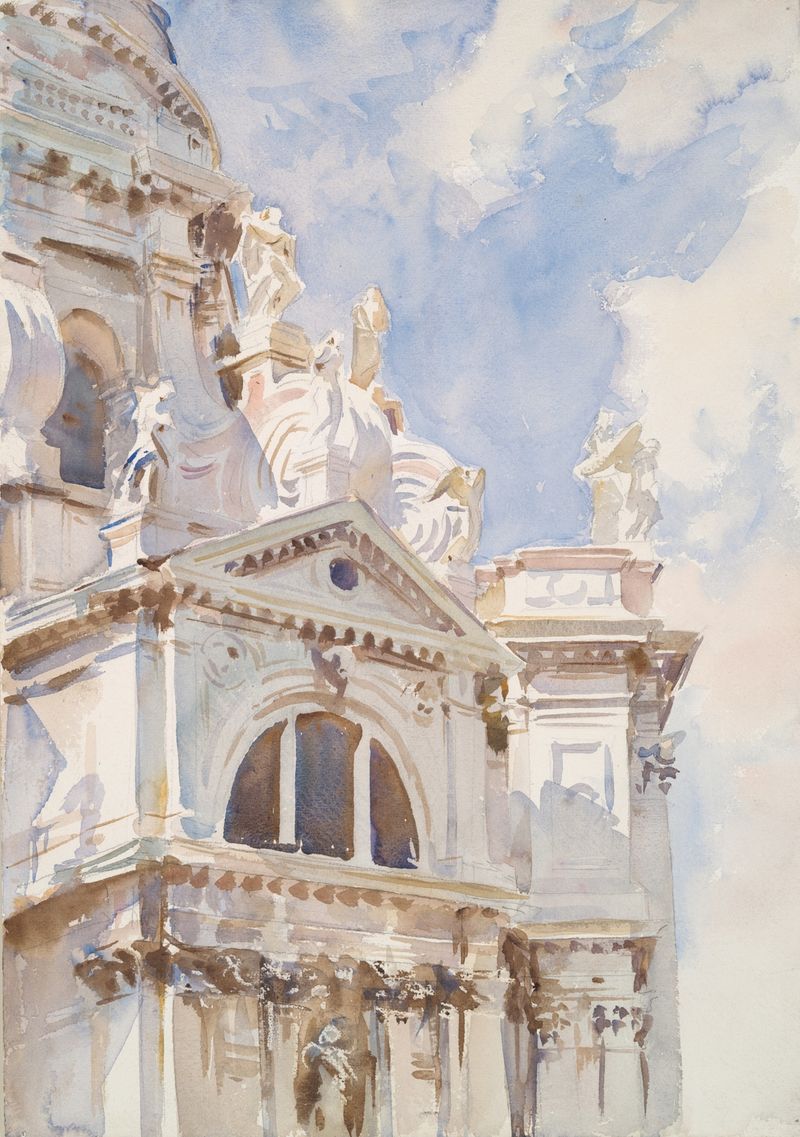
The Salute, Venice
John Singer Sargent

Mrs. Charles Deering (Marion Denison Whipple)
John Singer Sargent
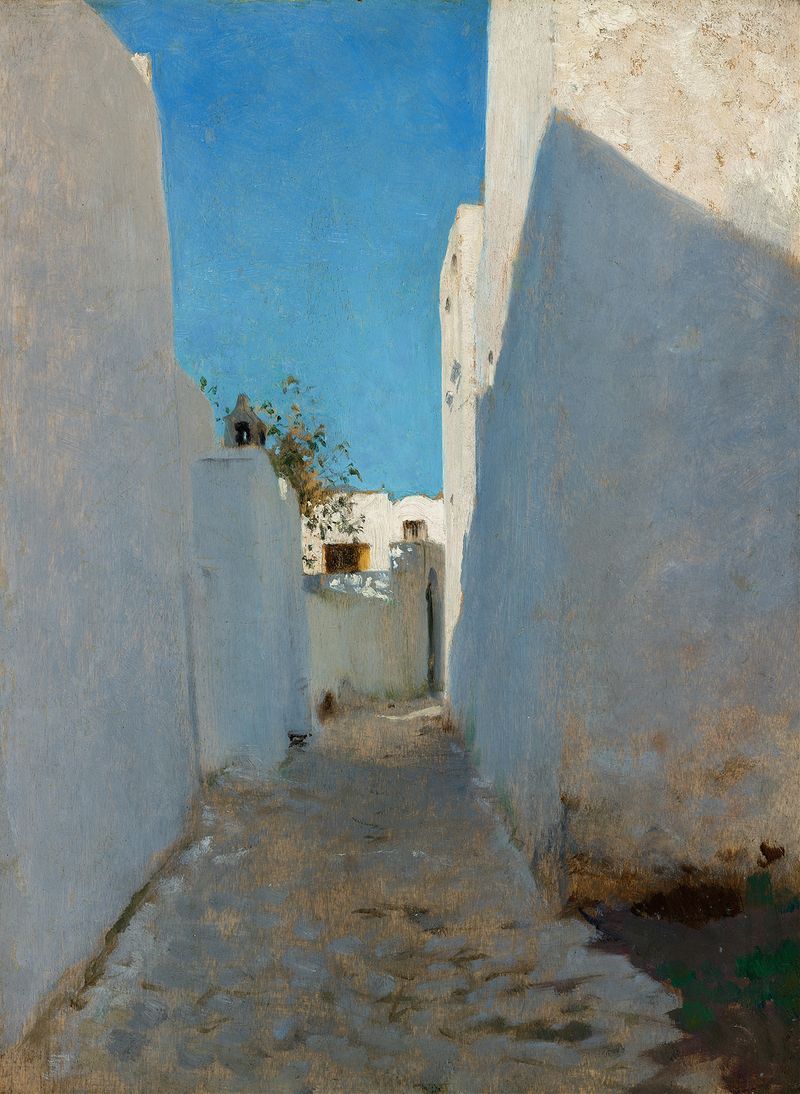
A Moroccan Street Scene
John Singer Sargent

The Salute, Venice
John Singer Sargent
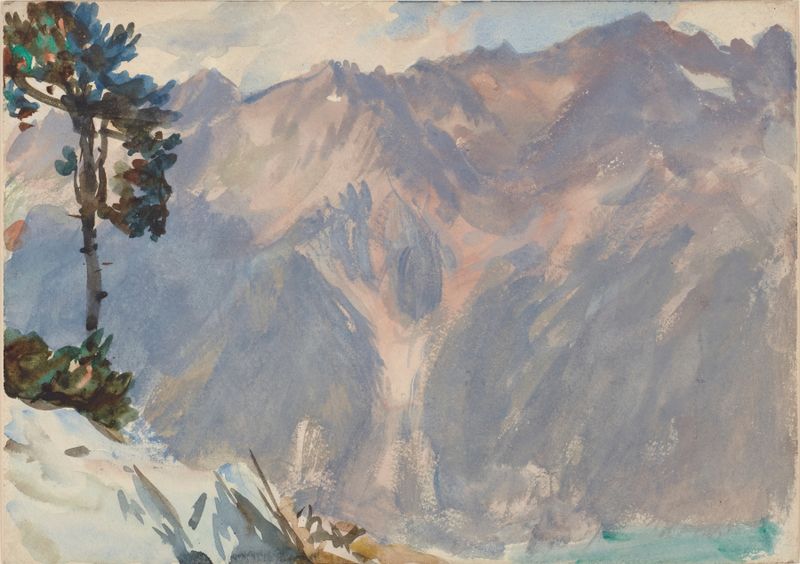
Tyrol
John Singer Sargent

Study for "Gog and Magog," for the Boston Public Library
John Singer Sargent
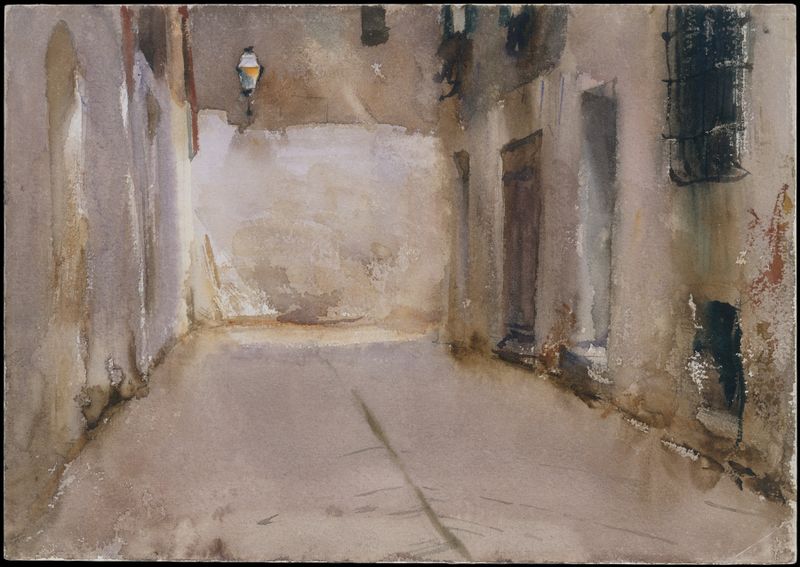
Venice
John Singer Sargent
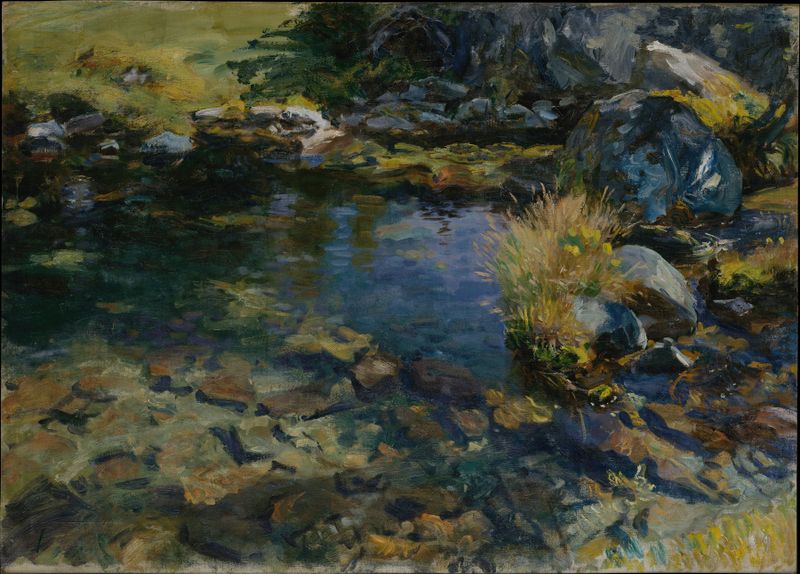
Alpine Pool
John Singer Sargent
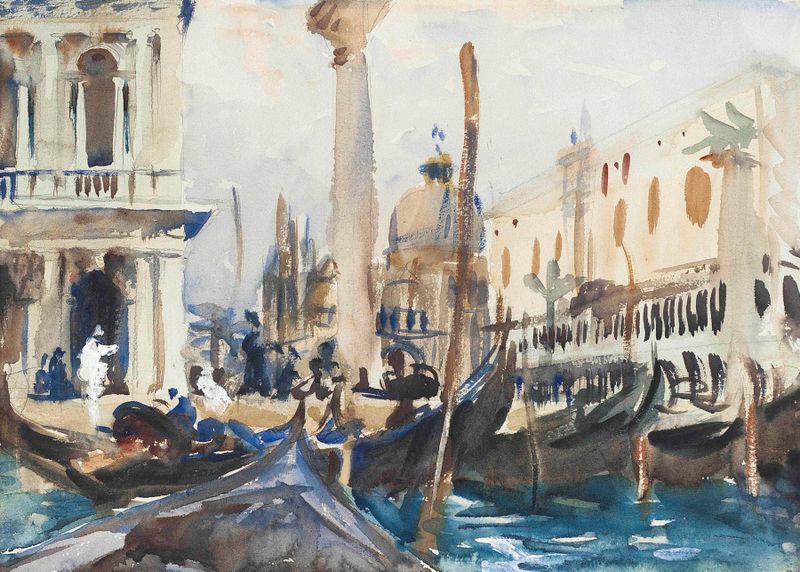
The Piazzetta with Gondolas
John Singer Sargent
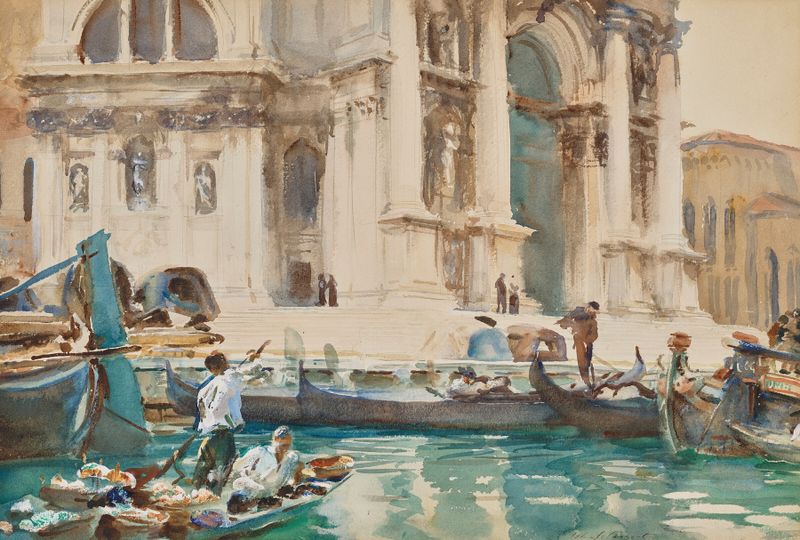
The Façade of La Salute, Venice
John Singer Sargent





