
The Oude Waag in Amsterdam Seen from the North-East — History & Facts
In The Oude Waag in Amsterdam Seen from the North-East, Martinus Rørbye captures the essence of this historic building. The painting features a palette of warm earth tones, with soft blues and greens that reflect the sky and surrounding landscape. The Oude Waag, a former weigh house, stands prominently in the foreground, surrounded by bustling activity.
Figures can be seen engaging in daily life, adding a sense of movement to the scene. Rørbye's technique showcases his skill in capturing light and shadow, enhancing the three-dimensionality of the architecture. The brushwork is detailed yet fluid, allowing for a natural representation of the scene. The painting is executed in oil on canvas, a medium that allows for rich color depth and texture.
Viewers can appreciate the intricate details of the building's facade and the lively atmosphere of the market. Martinus Rørbye was a Danish painter known for his landscapes and architectural scenes. This work, painted in the early 1820s, reflects the artist's fascination with urban life and architecture. An interesting fact about this painting is that it not only serves as a representation of the Oude Waag but also captures the vibrant spirit of Amsterdam during that period.
Rørbye's attention to detail and composition make this piece a valuable contribution to the Dutch Golden Age.
More Artworks by Martinus Rørbye

Fire mænd betragter udsigten fra Holmekollen
Martinus Rørbye
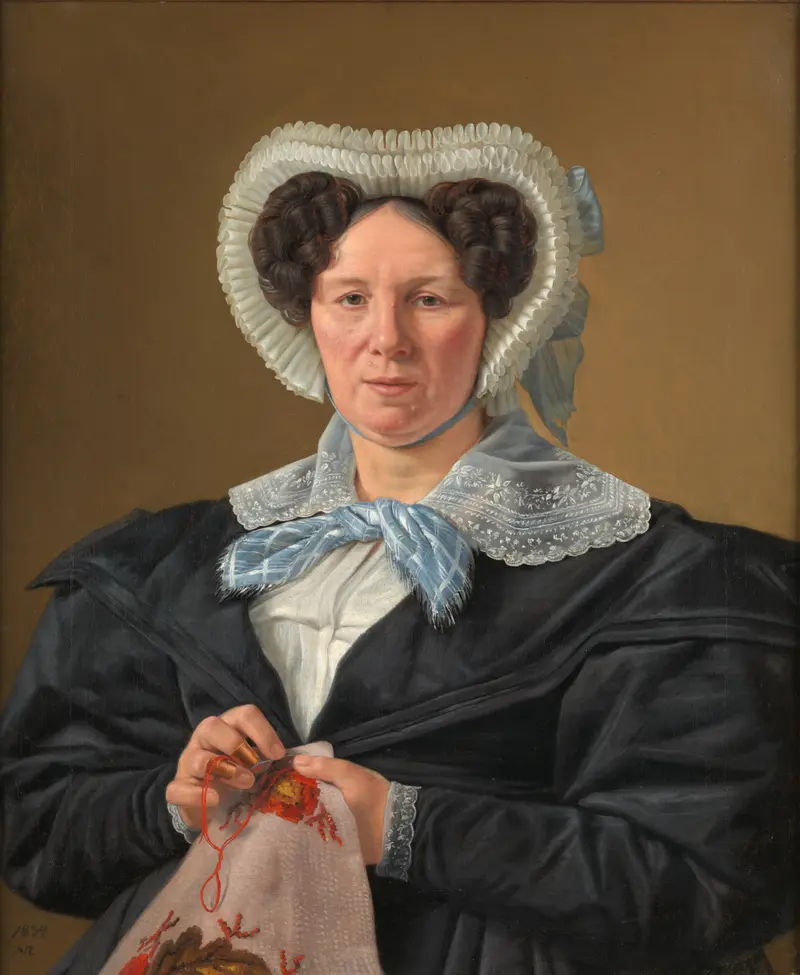
The Artist’s Mother, Frederikke Eleonore Cathrine Rørbye, née Stockfleth
Martinus Rørbye
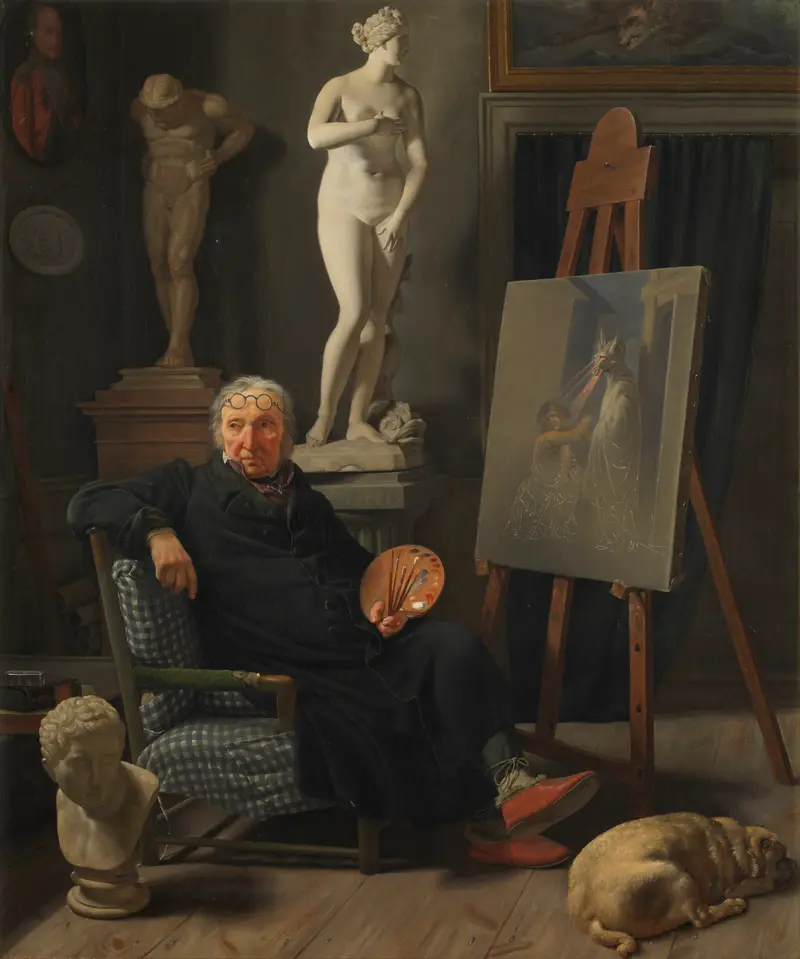
Portrait of the painter C. A. Lorentzen
Martinus Rørbye
To figurstudier
Martinus Rørbye
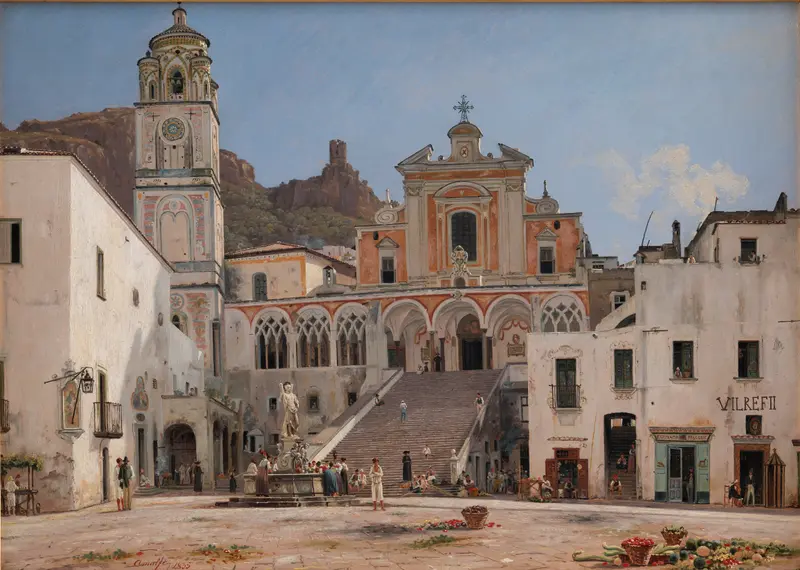
View of the Square in Amalfi
Martinus Rørbye
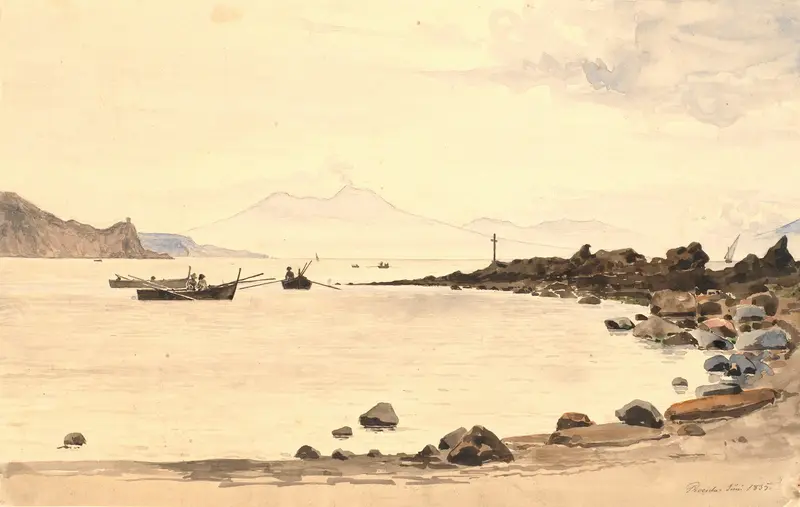
Udsigt mod Vesuv fra Procida
Martinus Rørbye
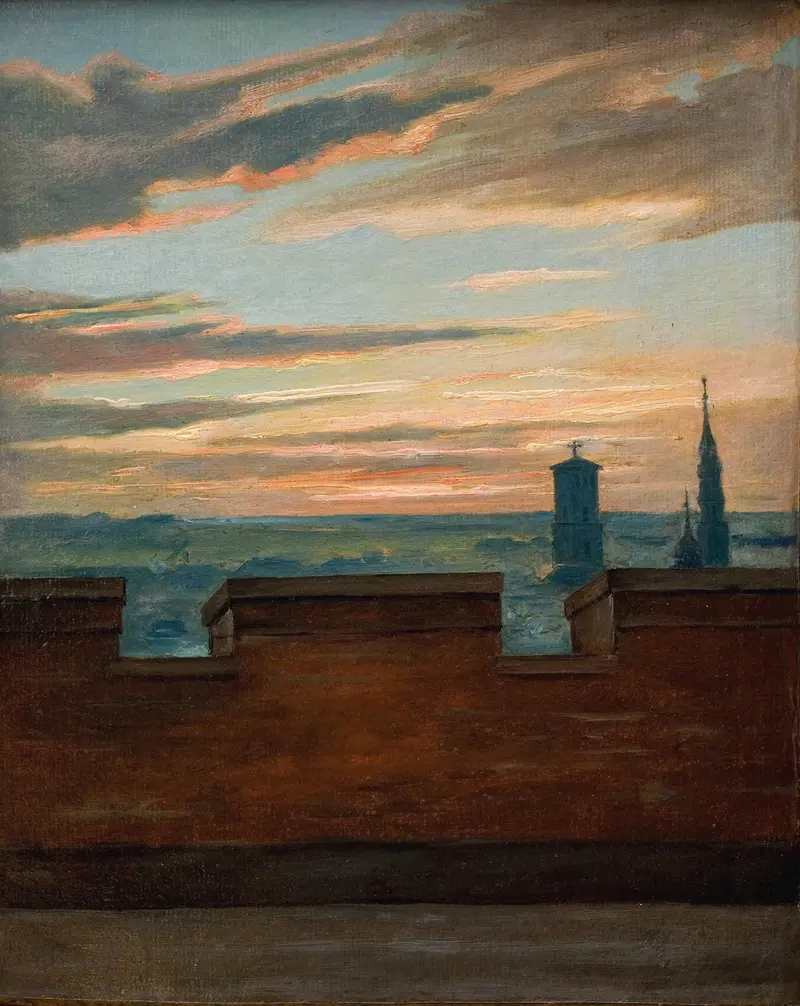
View of Copenhagen at Sunset
Martinus Rørbye
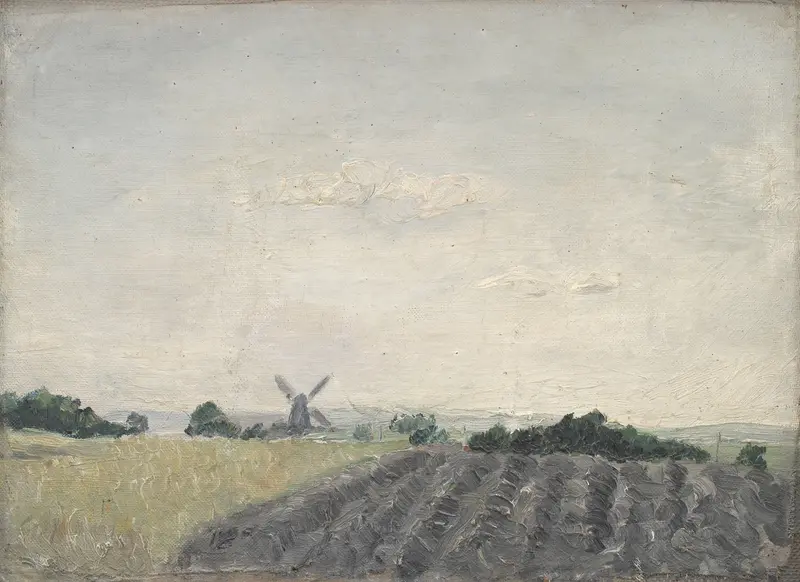
A Courtyard in Rome. Copy after Eckersberg
Martinus Rørbye
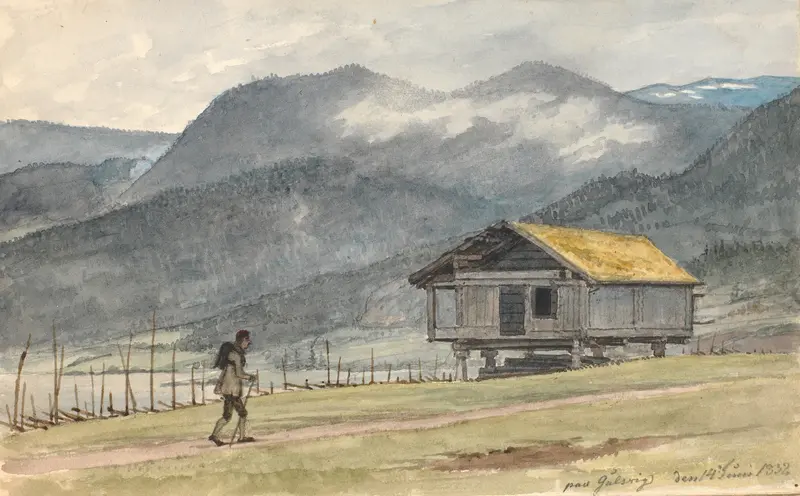
Fjeldlandskab med hytte og vandrer
Martinus Rørbye
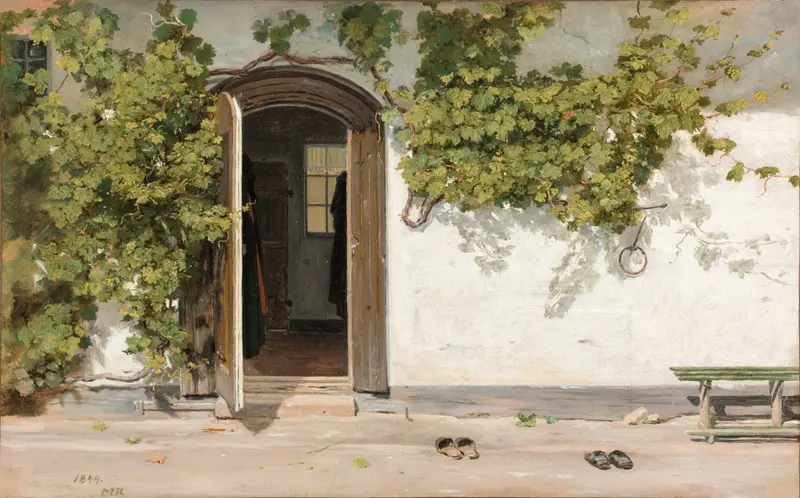
Entrance to an Inn in the Praestegarden at Hillested
Martinus Rørbye





