
The Palace — History & Facts
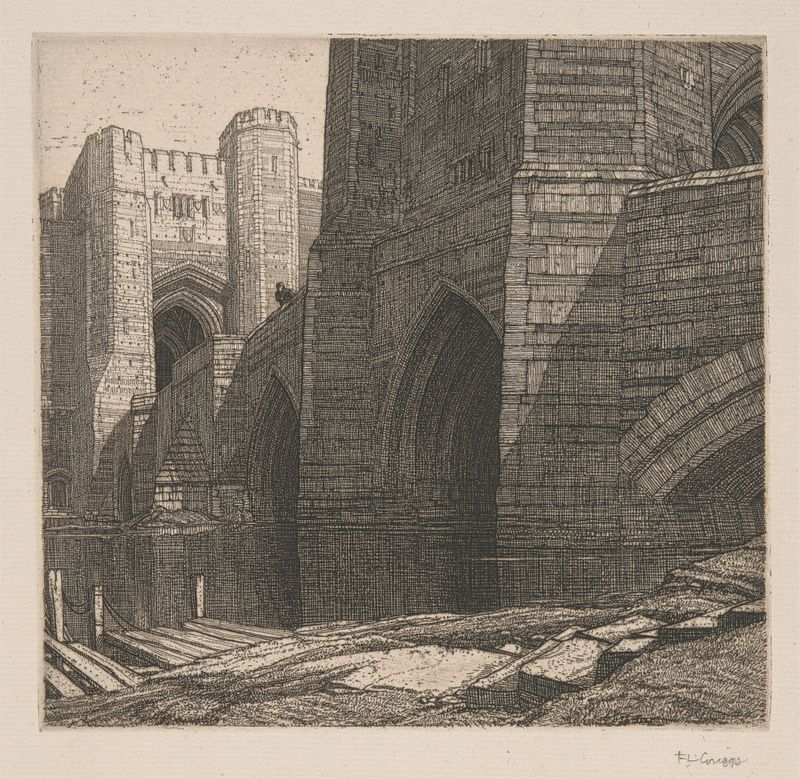
Can beauty exist without sorrow? This profound question lingers in the air as one gazes upon the ethereal landscape crafted by an artist deeply entwined with the complexities of human emotion. Focus first on the gentle curves of the palace in the distance, where the soft, muted tones of the sky blend seamlessly with the earth below. The artist employs delicate brushwork to create an almost dreamlike quality, inviting viewers to step into this serene yet haunting space. Notice how the light filters through the clouds, casting a warm glow on the intricate architectural details, while shadows linger in the foreground, hinting at the unseen narratives of loss that reside within. As you delve deeper into the composition, the contrast between the vibrant beauty of the palace and the somber hues of the surrounding landscape reveals a narrative of longing.
Each element—the towering spires and the still waters—echoes a sense of nostalgia and grief, suggesting that the majestic façade may conceal a profound history. The absence of figures in this scene accentuates the loneliness inherent in beauty, urging the viewer to contemplate what remains unspoken. Frederick Landseer Maur Griggs painted The Palace in 1916 during a time when the world was overshadowed by the devastation of World War I. Living in England, Griggs was influenced by the shifting tides of contemporary art, embracing a style that merged realism with a poetic sensibility.
This period marked a significant evolution in his work, as he sought to capture the interplay of light and memory against a backdrop of societal change.
More Artworks by Frederick Landseer Maur Griggs
Browse all →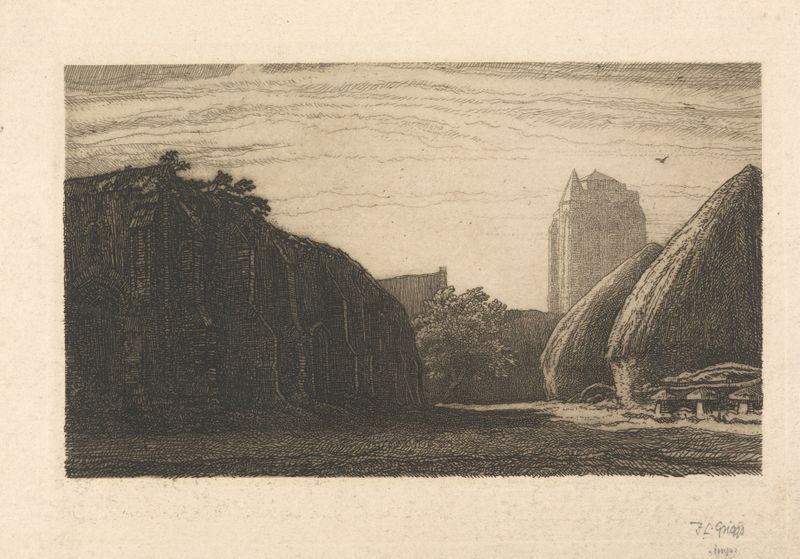
Maur’s Farm
Frederick Landseer Maur Griggs
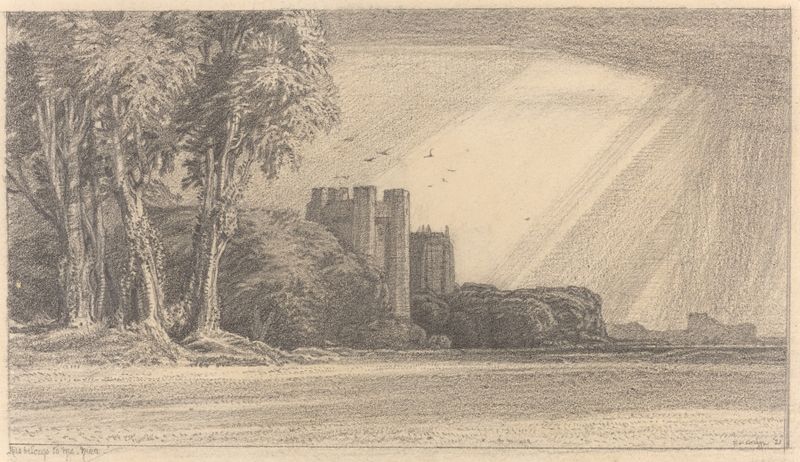
Landscape with Castle
Frederick Landseer Maur Griggs
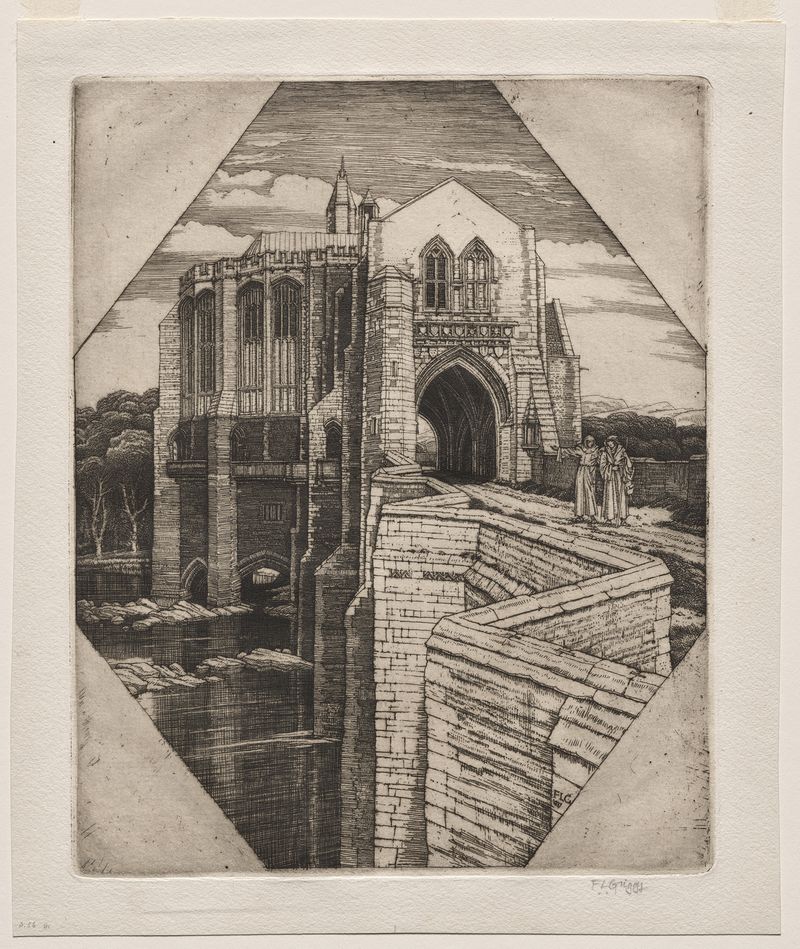
St. Botolph’s Bridge No. 2 1937
Frederick Landseer Maur Griggs
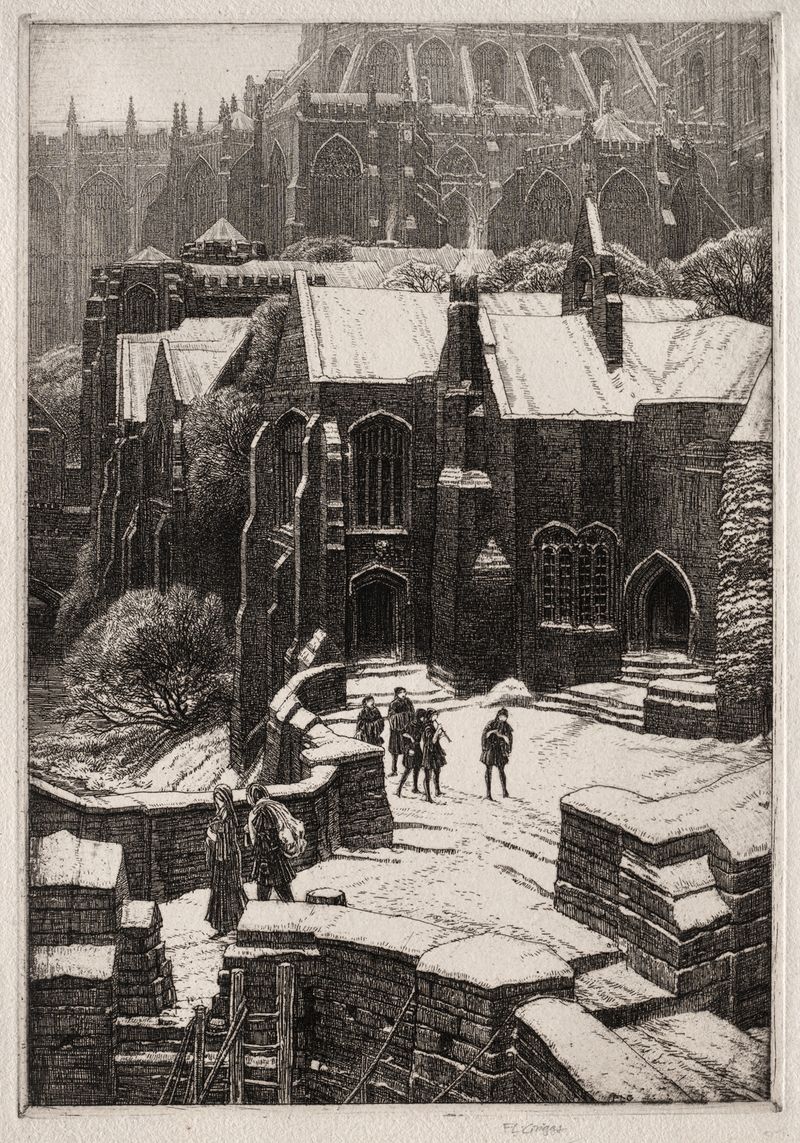
The Almonry
Frederick Landseer Maur Griggs

The Cresset
Frederick Landseer Maur Griggs
The Barbican
Frederick Landseer Maur Griggs

Maur’s Farm
Frederick Landseer Maur Griggs
Priory Farm
Frederick Landseer Maur Griggs

St. Wendred’s March
Frederick Landseer Maur Griggs
St. Wendred’s, March
Frederick Landseer Maur Griggs





