
The Palace of the Stuarts — History & Facts
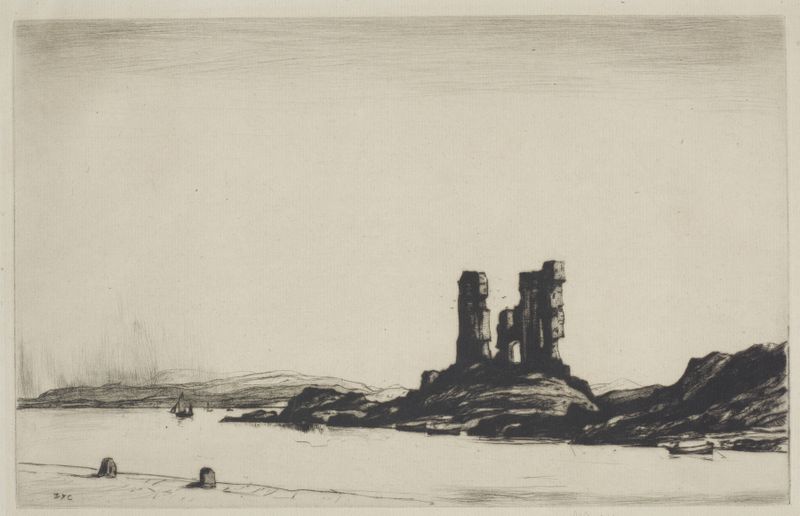
In the quiet moments of reflection, we find ourselves standing before a masterpiece that transcends time, inviting us to explore the depths of history and emotion. Look to the bottom left, where the delicate interplay of light and shadow introduces the viewer to a serene landscape. The soft, muted hues of the sky blend harmoniously into the earth, evoking a sense of tranquility that envelops the viewer. Notice how the rolling hills gracefully lead the eye toward the majestic palace, crowned by a gentle glow that suggests the remnants of a long-lost era.
Each stroke reveals the artist’s meticulous attention to detail, allowing the grandeur of the structure to resonate within the simplicity of the surrounding nature. Beneath the surface of this idyllic scene lies an emotional tension between grandeur and decay. The palace stands as a testament to human ambition, yet its muted tones hint at the passage of time and the inevitable erasure of legacy. The contrast between the vibrancy of the landscape and the somberness of the architecture speaks to a deeper reflection on impermanence, inviting viewers to ponder what remains when the brilliance of history fades.
The artist also encapsulates the melancholy of nostalgia, drawing us to consider not just the beauty of the palace, but the stories and lives that once thrived within its walls. In 1898, while residing in Scotland, David Young Cameron painted this work amidst a flourishing movement that sought to capture the essence of British landscapes through fine detail and atmospheric effects. During this time, the artist was exploring various techniques and motifs that would define his legacy, positioning himself within the broader context of late 19th-century art, which saw a resurgence of interest in historical themes and the natural world.
More Artworks by David Young Cameron
Browse all →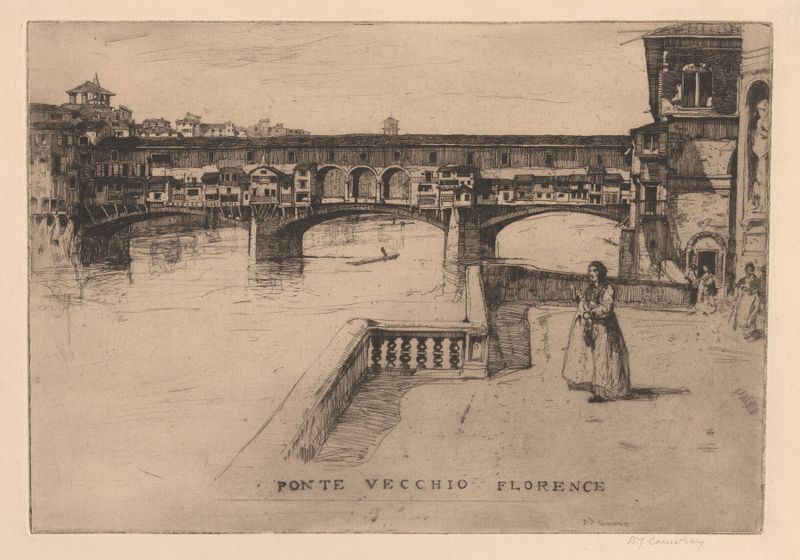
Ponte Vecchio
David Young Cameron

The Deanery, Winchester
David Young Cameron
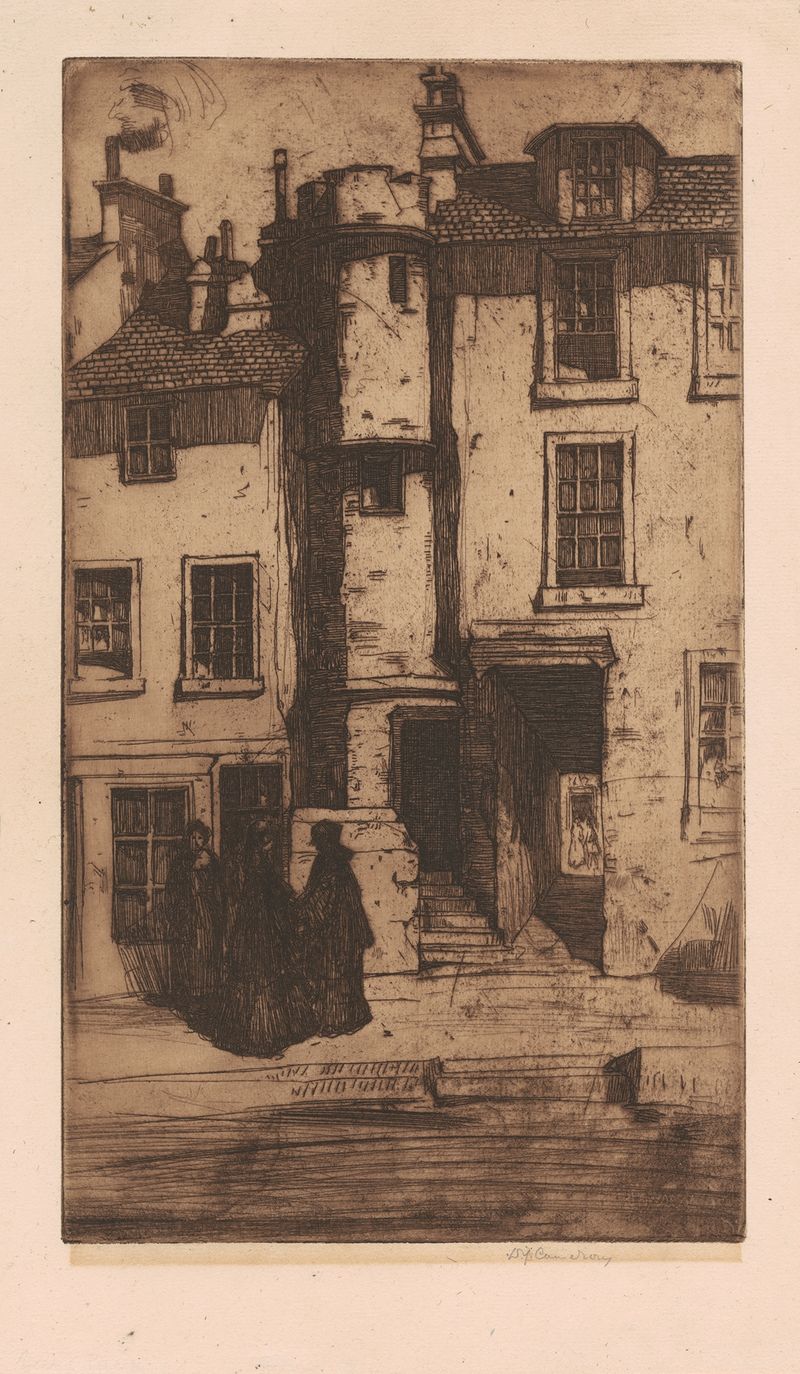
Old Houses, Stirling
David Young Cameron
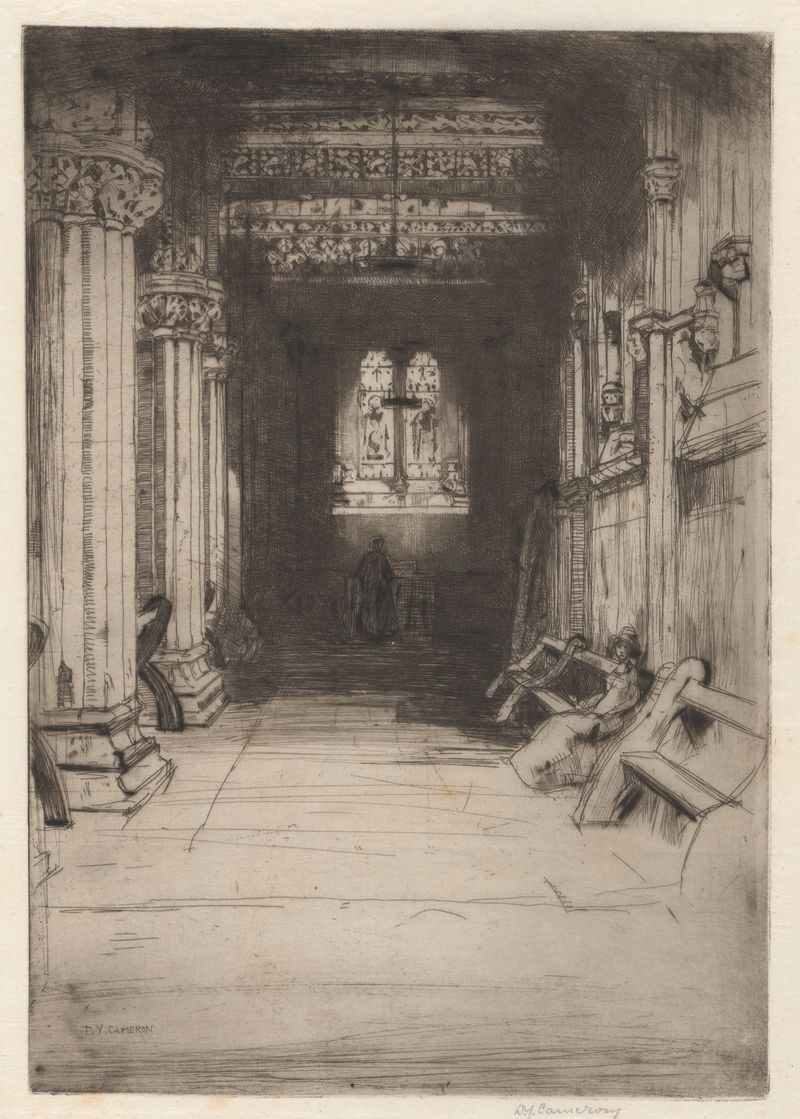
Rosslyn Chapel
David Young Cameron

The Old Museum, Beauvais
David Young Cameron
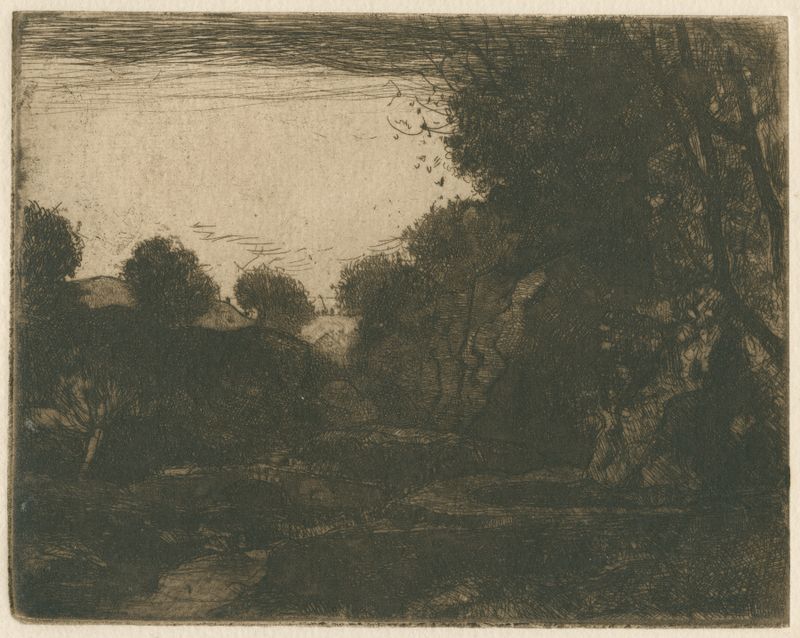
On the Bradford
David Young Cameron

The Smithy
David Young Cameron
Castle Moyle
David Young Cameron
Downing Street
David Young Cameron

Glasgow Cathedral
David Young Cameron





