
The Piazza San Marco, Venice, in the early hours of the last evening of carnival, 1865 — History & Facts
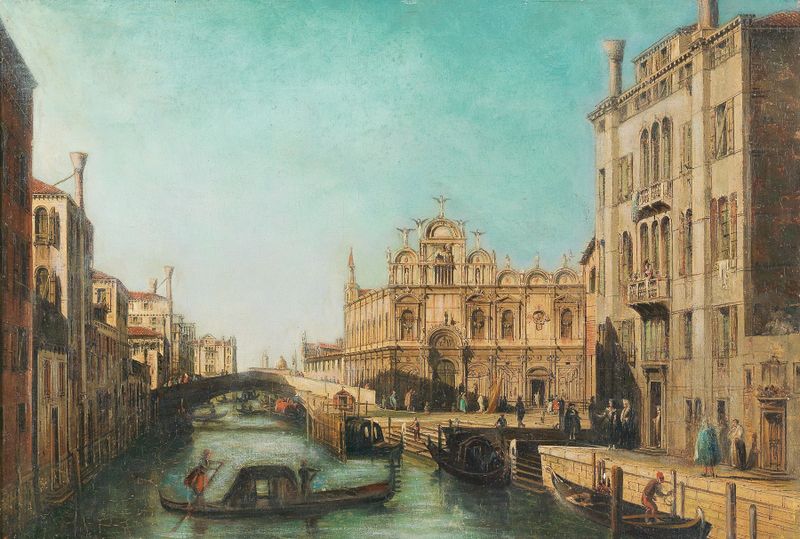
Did the painter know this moment would outlive them? In the quiet, eerie stillness of dawn, a fleeting spectacle lingers in the air, shadowed by the memories of jubilant revelry now fading like mist. Look to the foreground, where the soft silhouettes of revelers, cloaked in elaborate costumes, evoke a palpable sense of nostalgia as they dissolve into the early light. Notice how the gentle pastel hues of the sky dissolve into warm oranges and pinks, casting a delicate glow upon the cobblestones, enriched by the intricate details of the architecture surrounding the square. The artist’s deft brushwork captures the very essence of Venice, merging shadows with light, creating a harmonious balance that draws the viewer deeper into this iconic setting. Yet, beneath this picturesque façade lies a tension between joy and melancholy, as shadows symbolize the end of an era—a final farewell to the carnival.
The solitary figures, caught in moments of contemplation, reveal a deeper vulnerability, suggesting the fleeting nature of happiness and the inevitability of time's passage. Each costume, each mask, becomes a metaphor for the layers of identity we wear, and the shadows they cast hint at the complexity of our own experiences. In 1865, Zanin painted this evocative scene as the world stood on the cusp of modernity, reflecting both the vibrancy of life and the encroaching shadows of change. Amid the rise of Impressionism and shifting artistic paradigms, he sought to encapsulate the essence of Venice, a city steeped in history yet teetering on the brink of transformation.
This work served as a poignant reminder of the beauty found in transience, capturing a moment that would resonate through time.
More Artworks by Francesco Zanin
Browse all →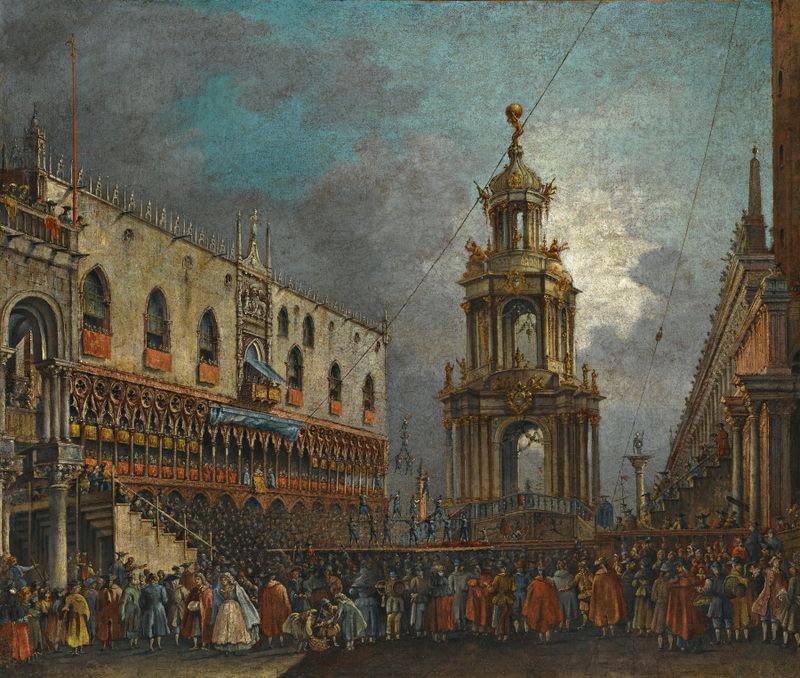
Venice, A View Of The Piazzetta At Carnival
Francesco Zanin
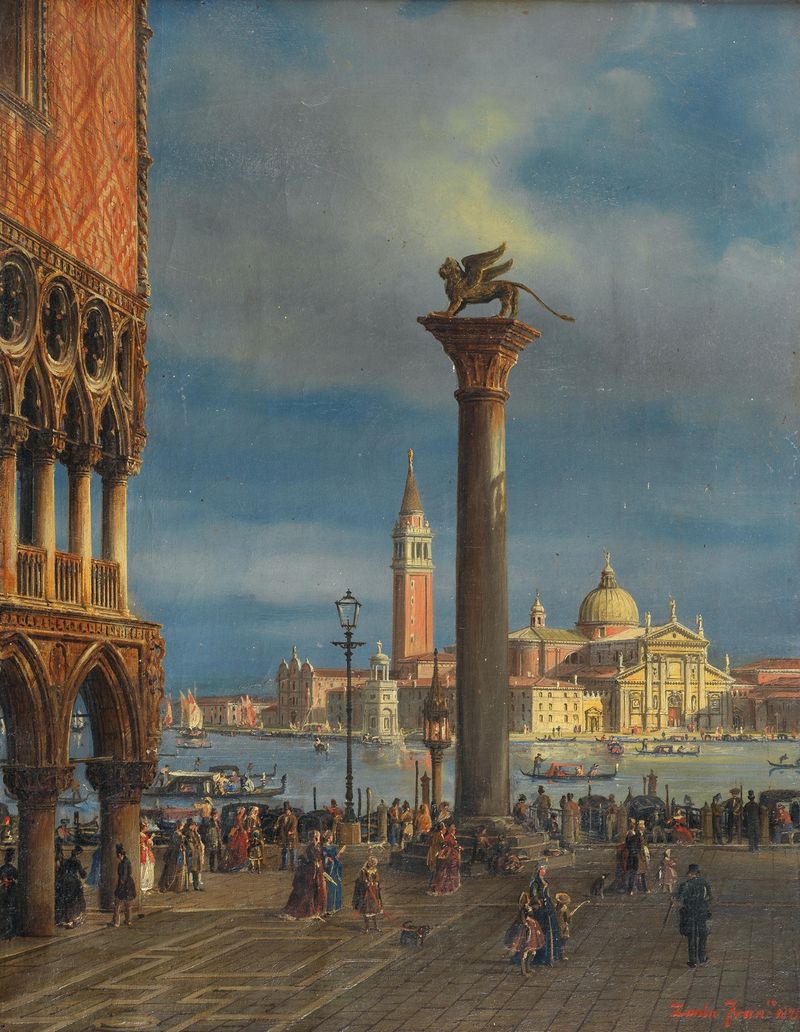
Venice, a View of the Piazzetta with the Doge’s Palace towards San Giorgio Maggiore
Francesco Zanin
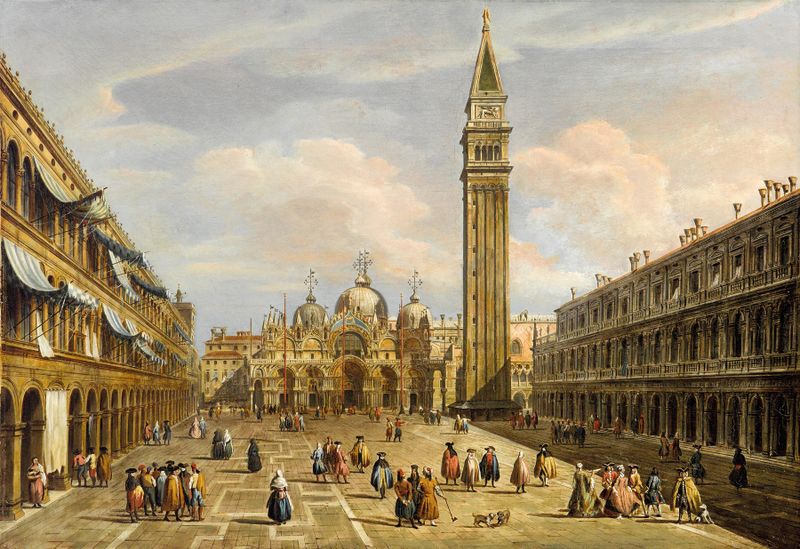
Piazza San Marco looking east towards the Basilica, Venice
Francesco Zanin
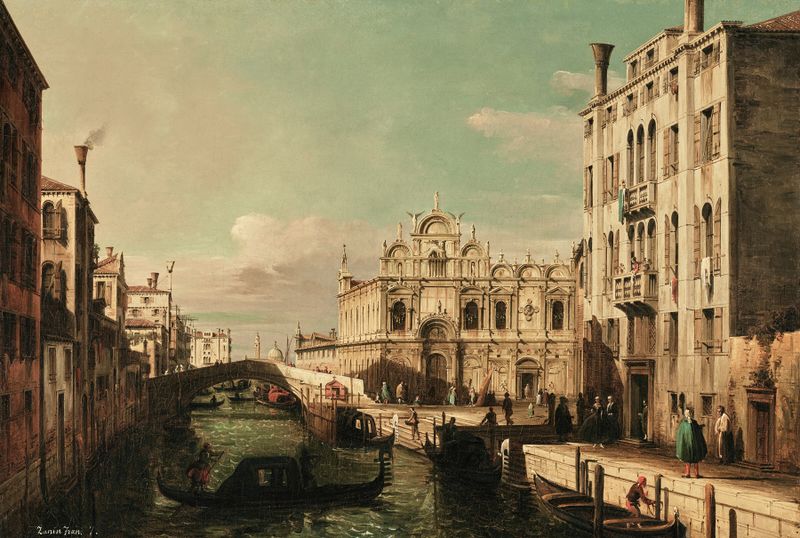
La Scuola di San Marco looking towards the Chiesa dei Santi Giovanni e Paolo
Francesco Zanin
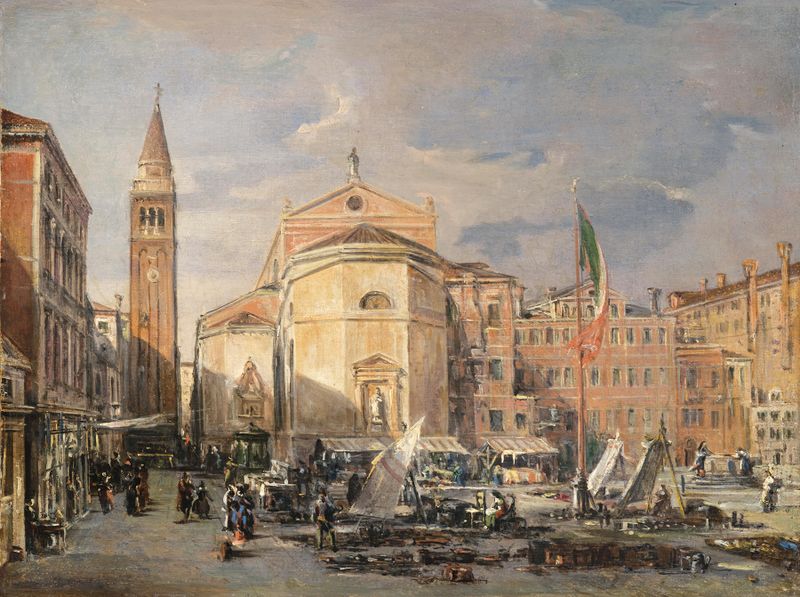
Venice, Campo San Polo with a View of the Apis of San Polo
Francesco Zanin
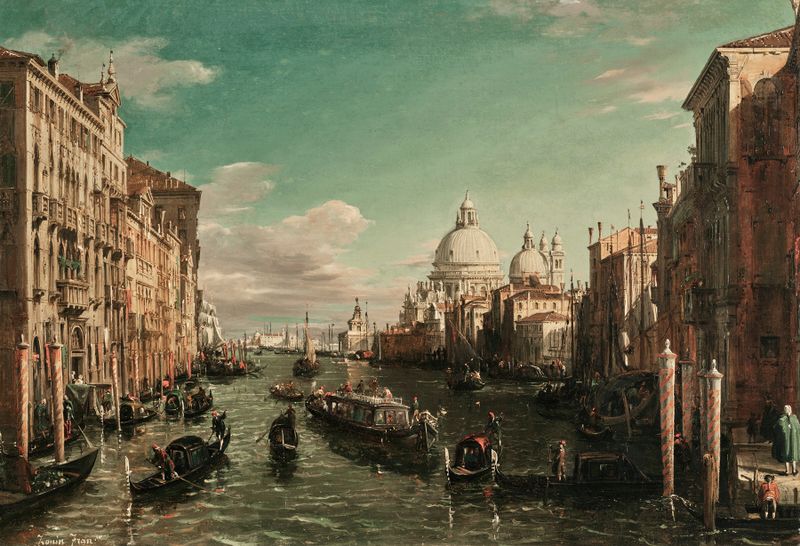
Il Canal Grand looking towards the Chiesa della Salute
Francesco Zanin
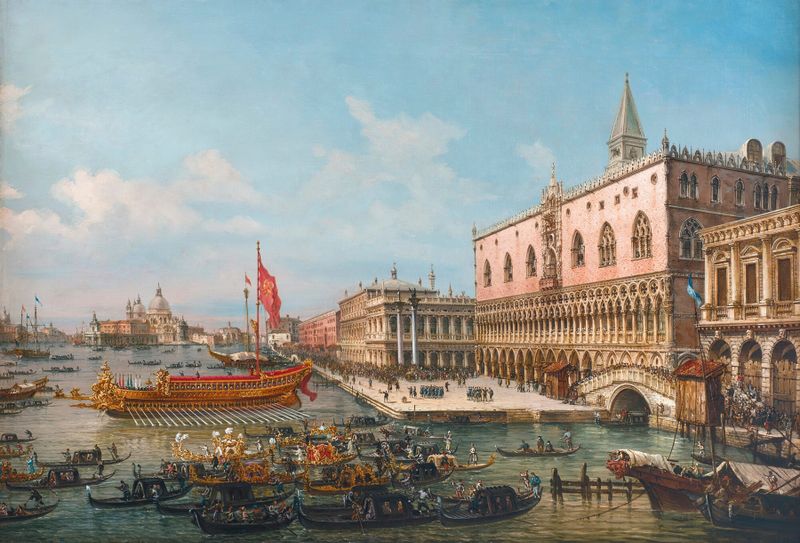
The Departure Of The Bucintoro From San Marco To San Nicoló Del Lido
Francesco Zanin
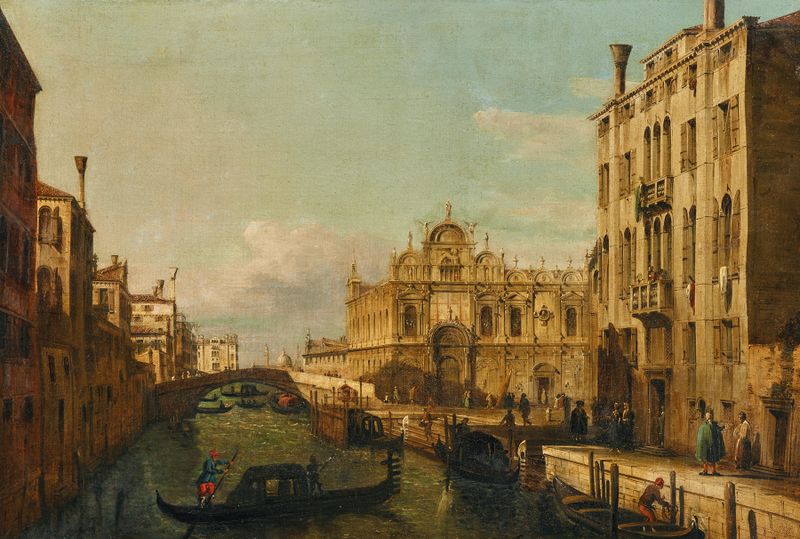
Venice, the Rio dei Mendicanti and the Scuola di San Marco
Francesco Zanin
Venetian Scene
Francesco Zanin





