
The Pipe and Tabour — History & Facts
In a world awash with noise, nostalgia reveals itself in the quiet moments we often overlook. Look closely at the warm earth tones enveloping the figures in The Pipe and Tabour. The soft interplay of light accents the texture of the wood, drawing your gaze to the gentle slope of the instruments cradled in the performers’ hands. Notice how the child’s wistful expression contrasts with the older man’s serene demeanor, revealing a boundary between innocence and experience.
Each detail, from the faded fabric of their clothing to the subtle gestures of their hands, invites you into a realm where time pauses. Beneath the surface, this painting whispers of longing and reminiscence. The instruments symbolize not just music, but the stories of generations, each note echoing memories of joy and sorrow. The surrounding shadows deepen the feeling of intimacy, suggesting that what is unsaid is as powerful as the melody itself.
This interplay of light and shadow evokes a longing for connection, a shared history that resonates in the silence. In 1916, while creating this work, the artist was navigating the tumultuous waters of a world gripped by war. Living in England, Maur Griggs was part of an artistic movement that sought to capture the essence of human experience amidst rapid changes in society. His focus on pastoral scenes and the emotional weight of nostalgia reflects both a personal longing and a collective yearning for peace in a time of strife.
More Artworks by Frederick Landseer Maur Griggs
Browse all →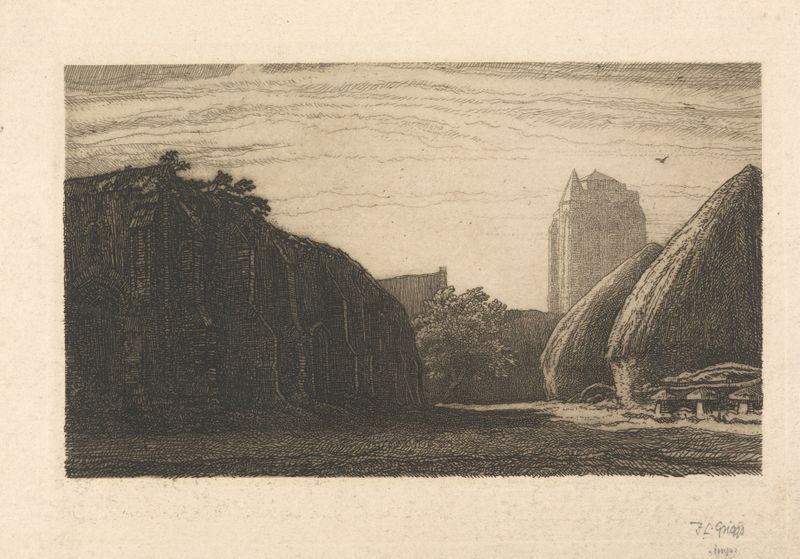
Maur’s Farm
Frederick Landseer Maur Griggs
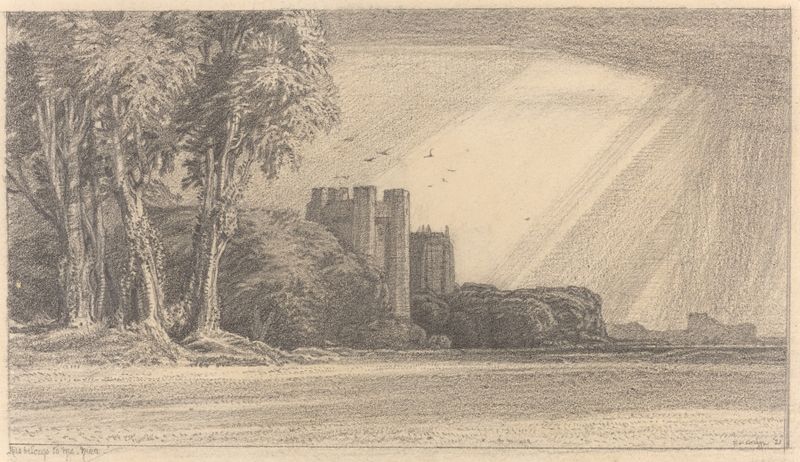
Landscape with Castle
Frederick Landseer Maur Griggs
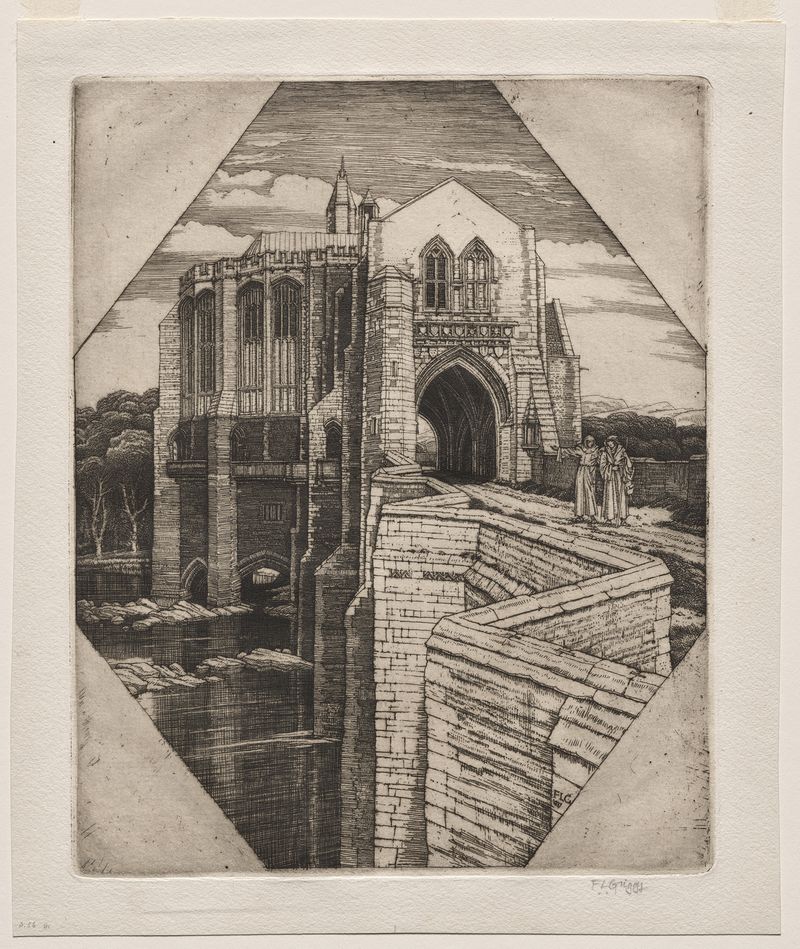
St. Botolph’s Bridge No. 2 1937
Frederick Landseer Maur Griggs
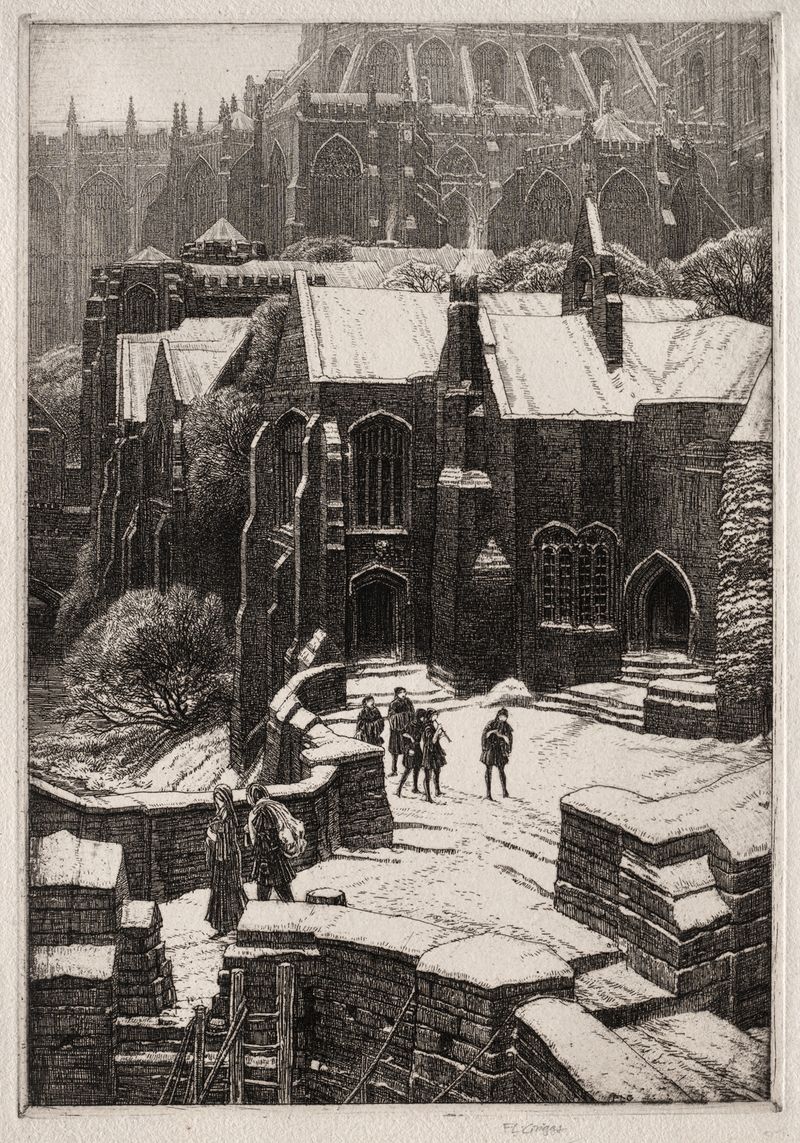
The Almonry
Frederick Landseer Maur Griggs

The Cresset
Frederick Landseer Maur Griggs
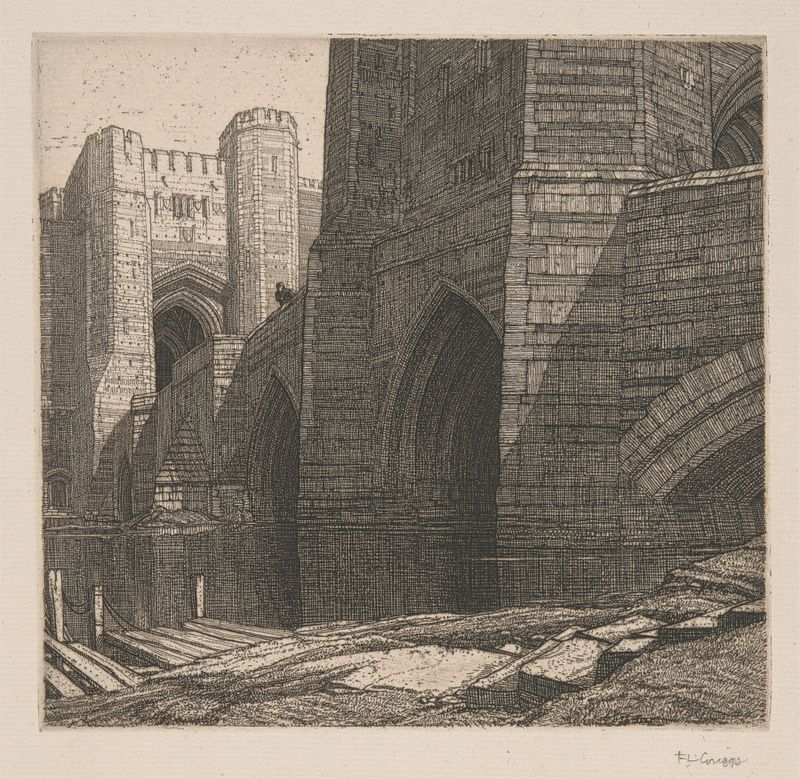
The Barbican
Frederick Landseer Maur Griggs

Maur’s Farm
Frederick Landseer Maur Griggs
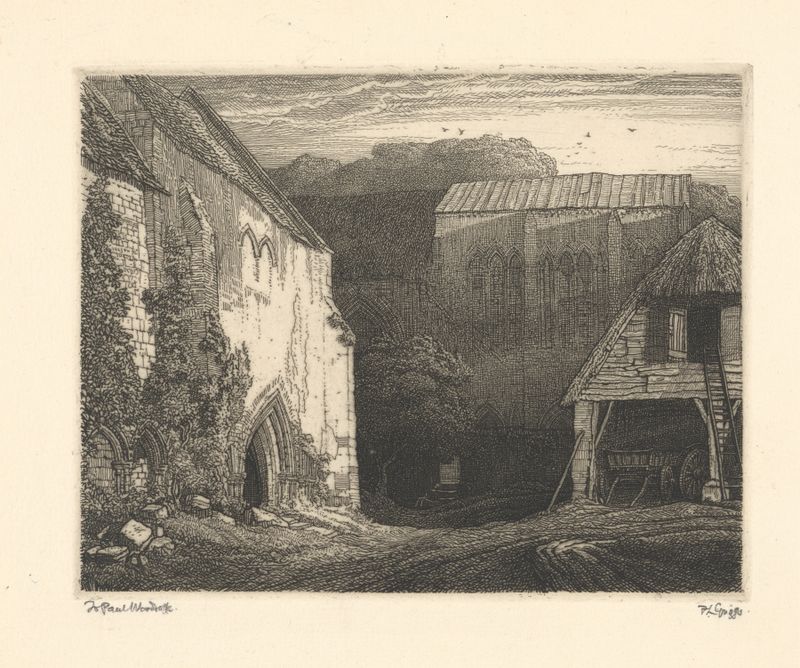
Priory Farm
Frederick Landseer Maur Griggs

St. Wendred’s March
Frederick Landseer Maur Griggs
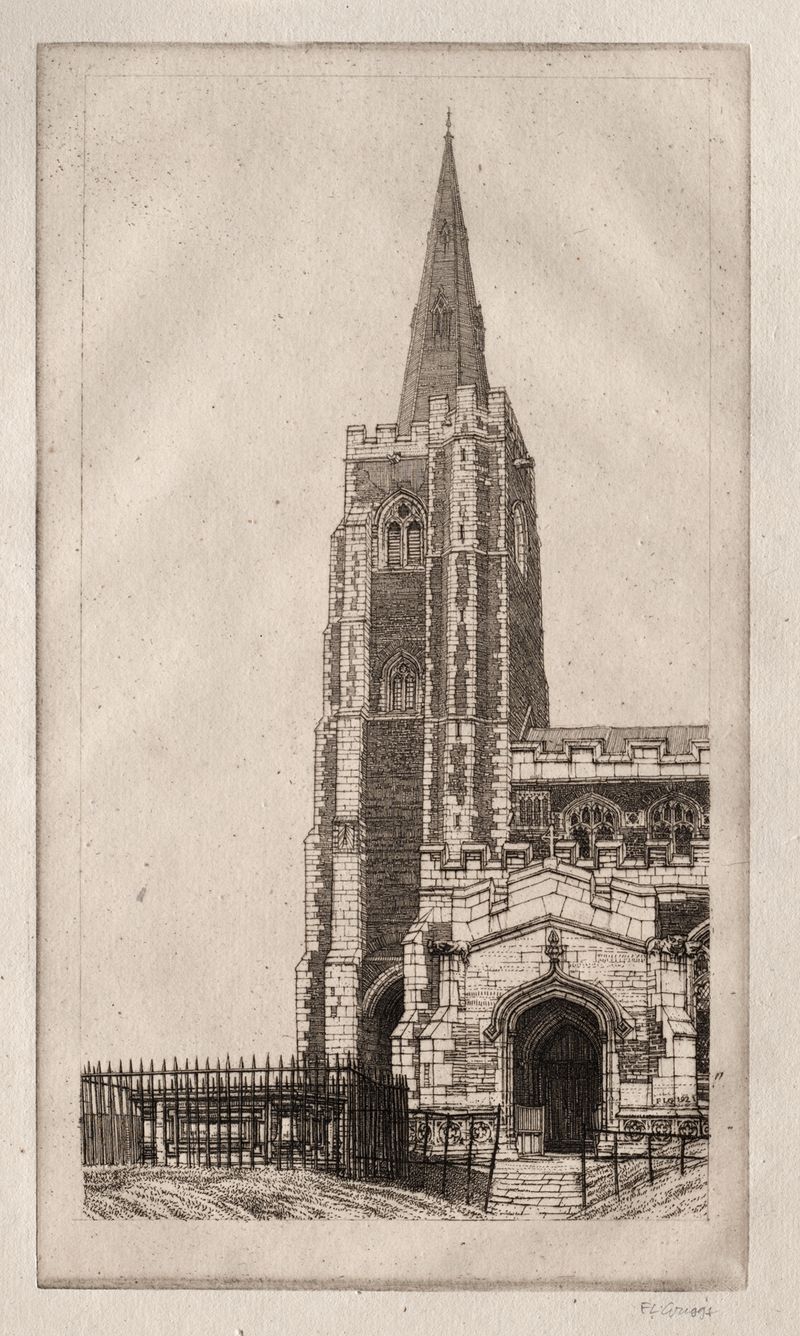
St. Wendred’s, March
Frederick Landseer Maur Griggs





