
The Plains Of Nazareth — History & Facts
Can beauty exist without sorrow? In The Plains of Nazareth, the landscape unfolds like a whisper, an invitation to contemplate the delicate balance between solitude and serenity. Focus on the gentle undulations of the hills, painted in soft, earthy tones that blend seamlessly into the sky. The light spills over the canvas, casting a warm glow that highlights the sparse vegetation, while shadows linger in the folds of the terrain, suggesting the presence of unseen stories. Notice how the horizon stretches endlessly, evoking a sense of both hope and isolation, pulling the viewer into an expansive yet intimate space. Within this landscape, the juxtaposition of rich color and stark simplicity evokes a profound emotional tension.
The gentle brushstrokes depict the beauty of nature, yet the vast emptiness hints at a loneliness that resonates deeply. Here, the absence of any human figures amplifies a sense of solitude, inviting contemplation on the nature of existence. Each element — the rolling hills, the subdued palette, the expansive sky — draws the viewer into a quiet reflection on isolation amidst beauty. Sargent painted this work during a time when he was exploring different styles and subjects, seeking to capture the essence of place and mood.
Although the exact date of creation remains uncertain, this piece reflects his shifting focus toward landscapes, following his successes in portraiture. The world of art was evolving around him, with movements like Impressionism reshaping perceptions of light and color, yet he retained his unique vision, producing works that resonate with a timeless emotional depth.
More Artworks by John Singer Sargent
Browse all →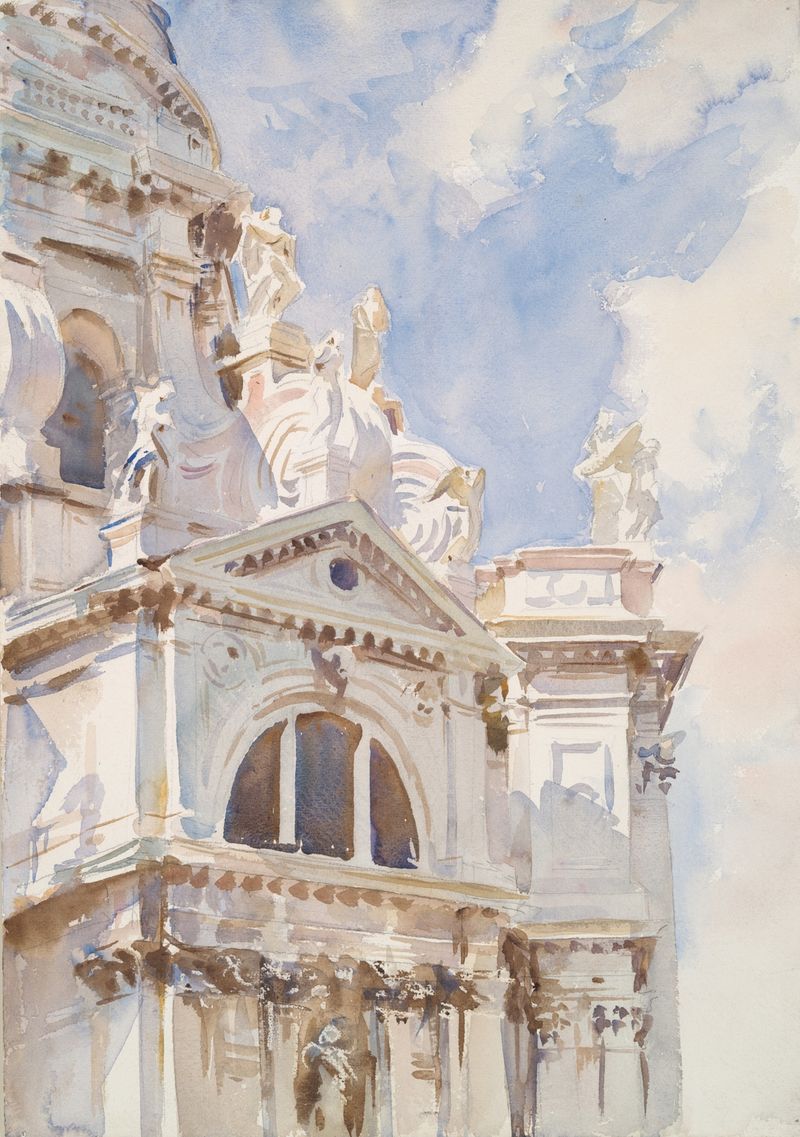
The Salute, Venice
John Singer Sargent

Mrs. Charles Deering (Marion Denison Whipple)
John Singer Sargent
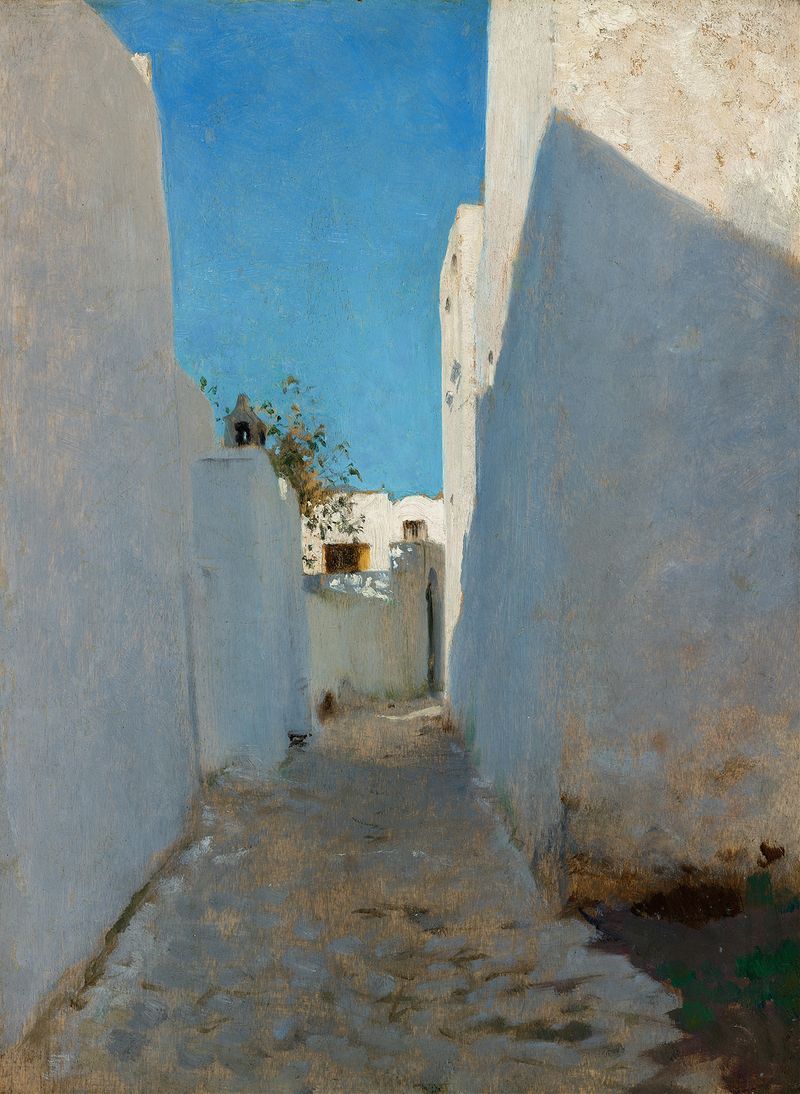
A Moroccan Street Scene
John Singer Sargent
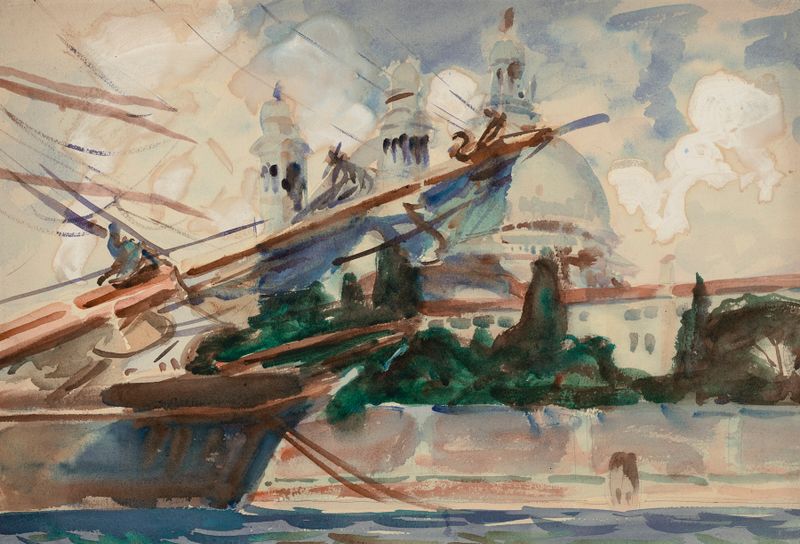
The Salute, Venice
John Singer Sargent
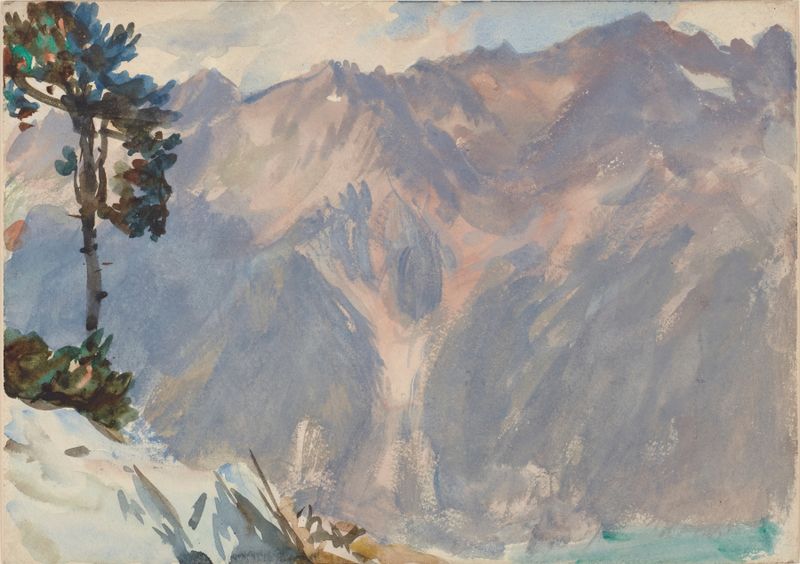
Tyrol
John Singer Sargent
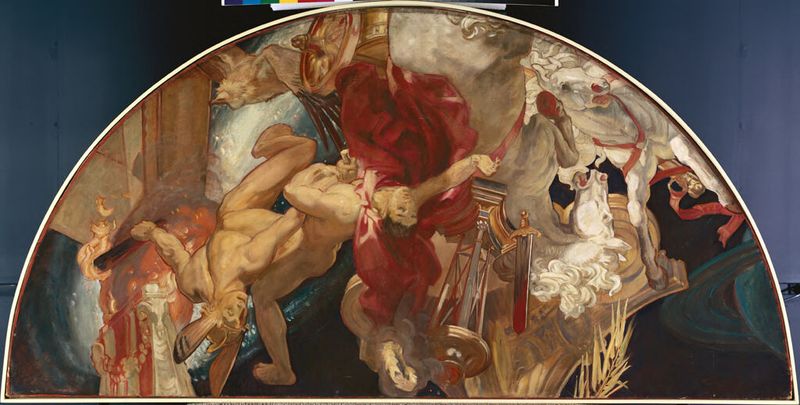
Study for "Gog and Magog," for the Boston Public Library
John Singer Sargent
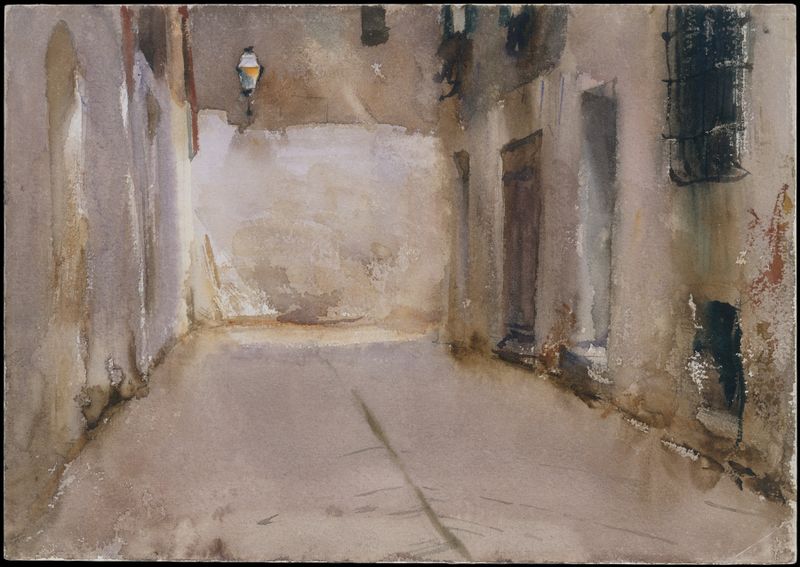
Venice
John Singer Sargent
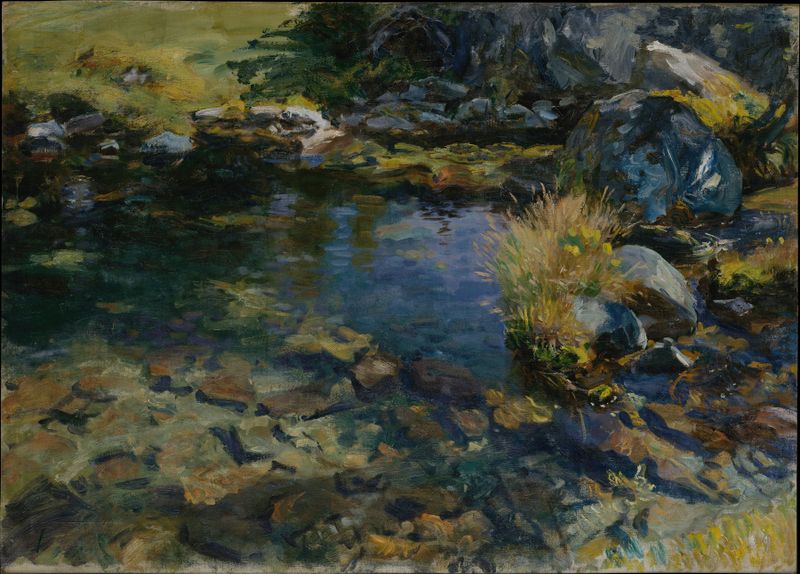
Alpine Pool
John Singer Sargent
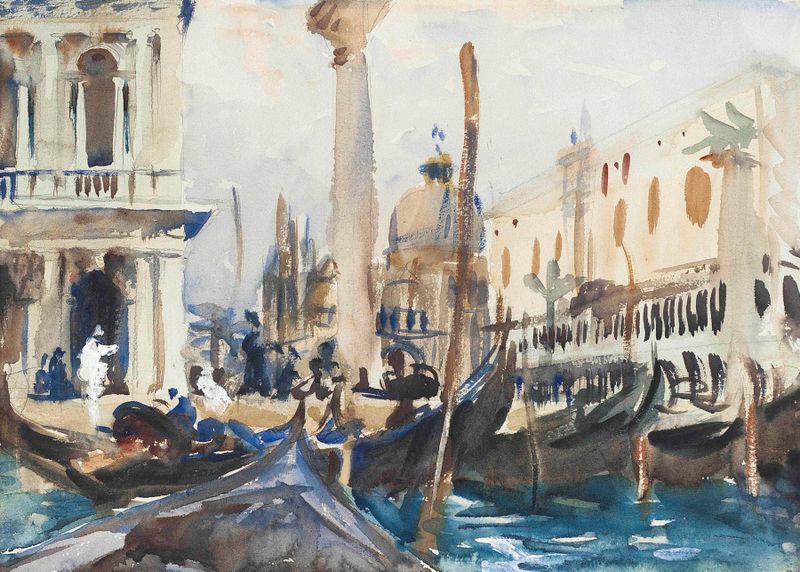
The Piazzetta with Gondolas
John Singer Sargent
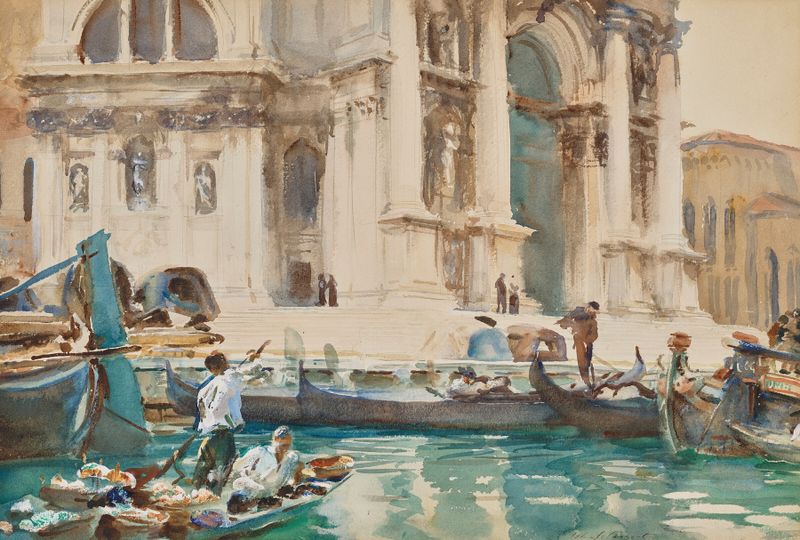
The Façade of La Salute, Venice
John Singer Sargent





