Discover insights about this artwork
The Plate of Apples — History & Facts
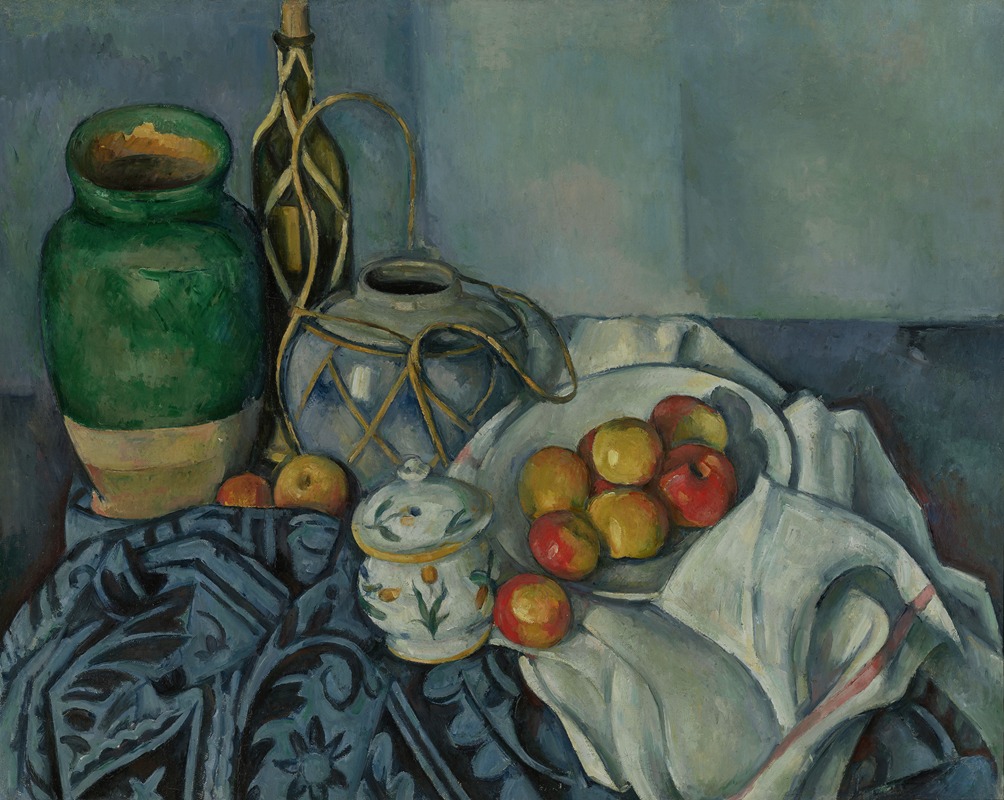
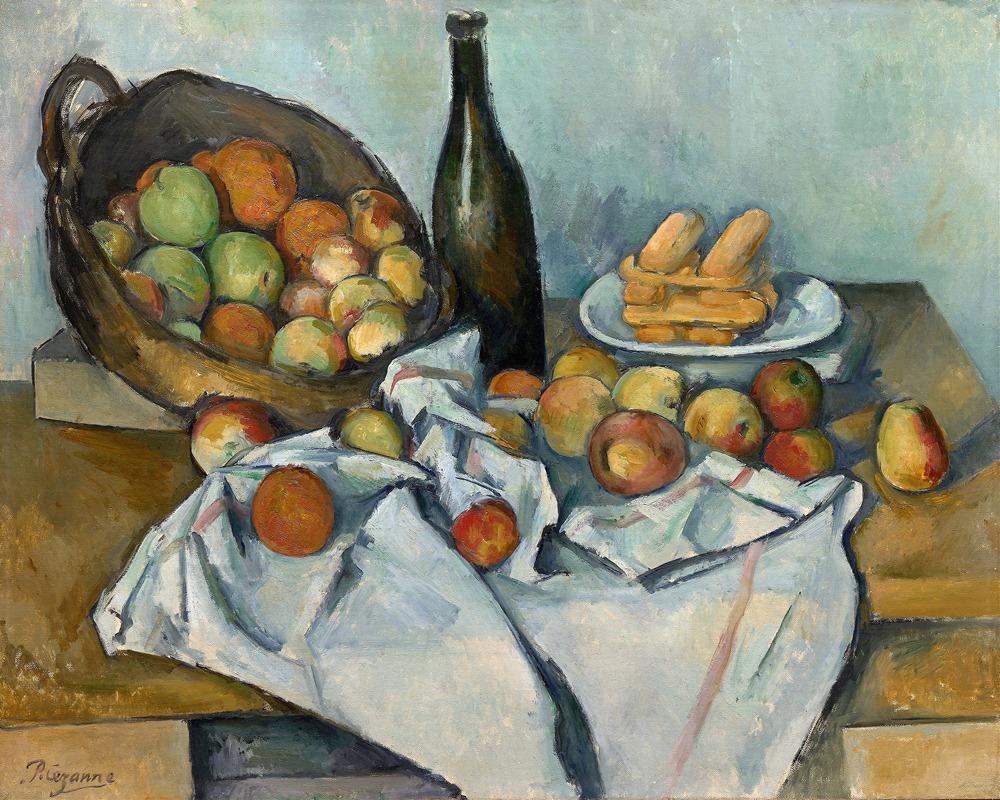
In The Plate of Apples, Paul Cézanne presents a simple yet striking composition of apples arranged on a plate. The colors are vibrant, with rich reds, greens, and yellows that highlight the natural beauty of the fruit. The background is softly blurred, allowing the apples to take center stage.
This focus on the fruit creates a sense of intimacy and warmth in the painting. Cézanne's technique is evident in the way he applies paint, using thick brushstrokes that add texture and depth. The play of light and shadow on the apples creates a three-dimensional effect, making them appear almost lifelike. The use of color is both bold and harmonious, showcasing Cézanne's innovative approach to still life.
The overall composition is balanced, drawing the viewer's eye across the canvas. Paul Cézanne is often regarded as a bridge between Impressionism and Modernism, and this work exemplifies his unique style. Created in the late 19th century, The Plate of Apples reflects his interest in form and color. An interesting fact about this painting is that Cézanne painted multiple versions of still lifes featuring apples, demonstrating his fascination with this subject.
His work has had a lasting influence on many modern artists.
More Artworks by Paul Cézanne
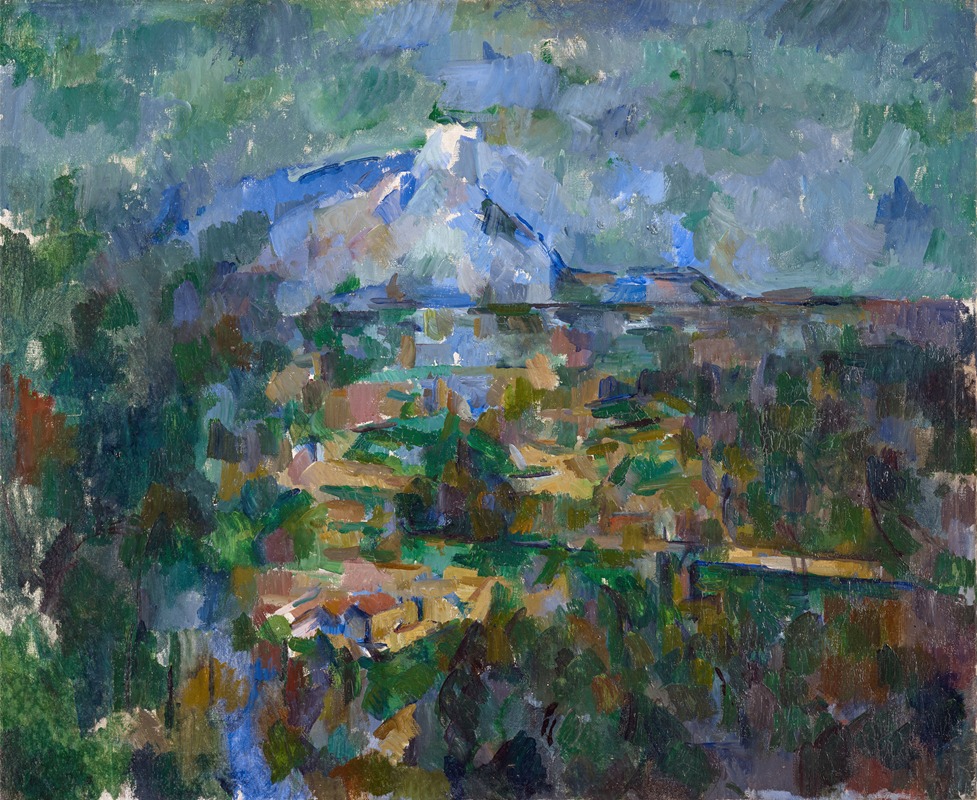
The Mont Sainte-Victoire Seen From Les Lauves
Paul Cézanne
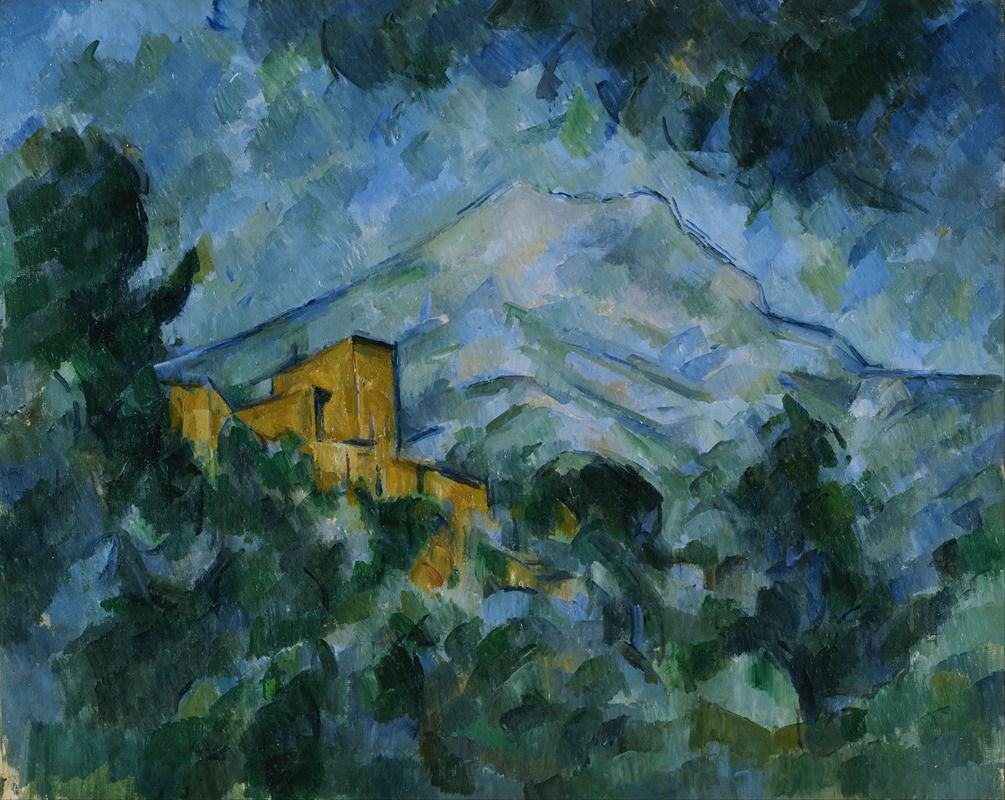
Mont Sainte-Victoire and Château Noir
Paul Cézanne
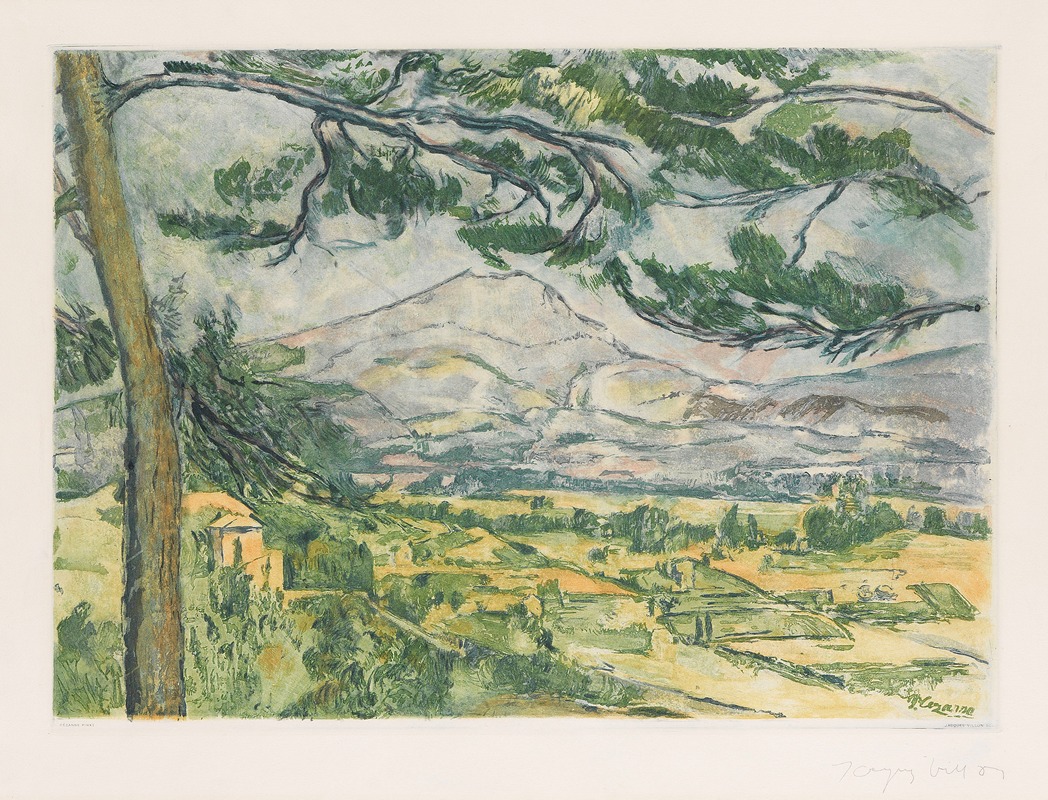
La Montagne Sainte-Victoire
Paul Cézanne
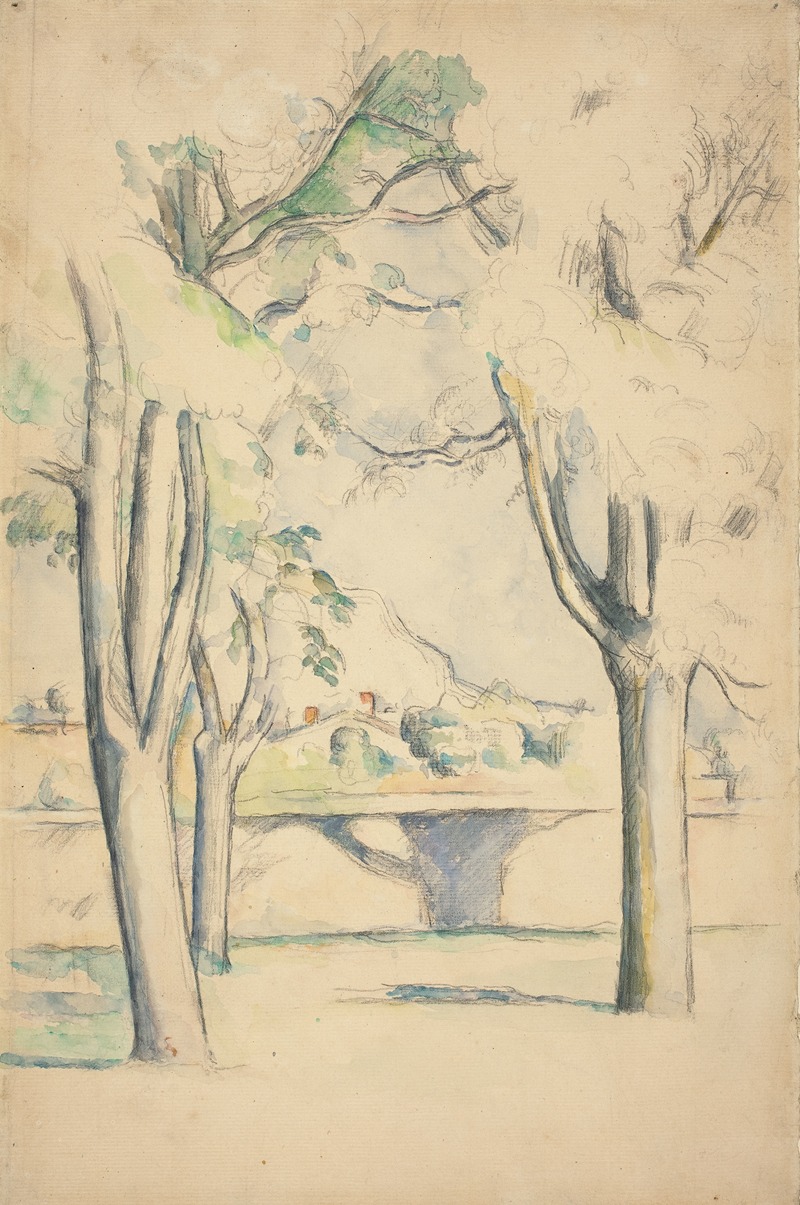
Mont Sainte-Victoire Seen beyond the Wall of the Jas de Bouffan
Paul Cézanne
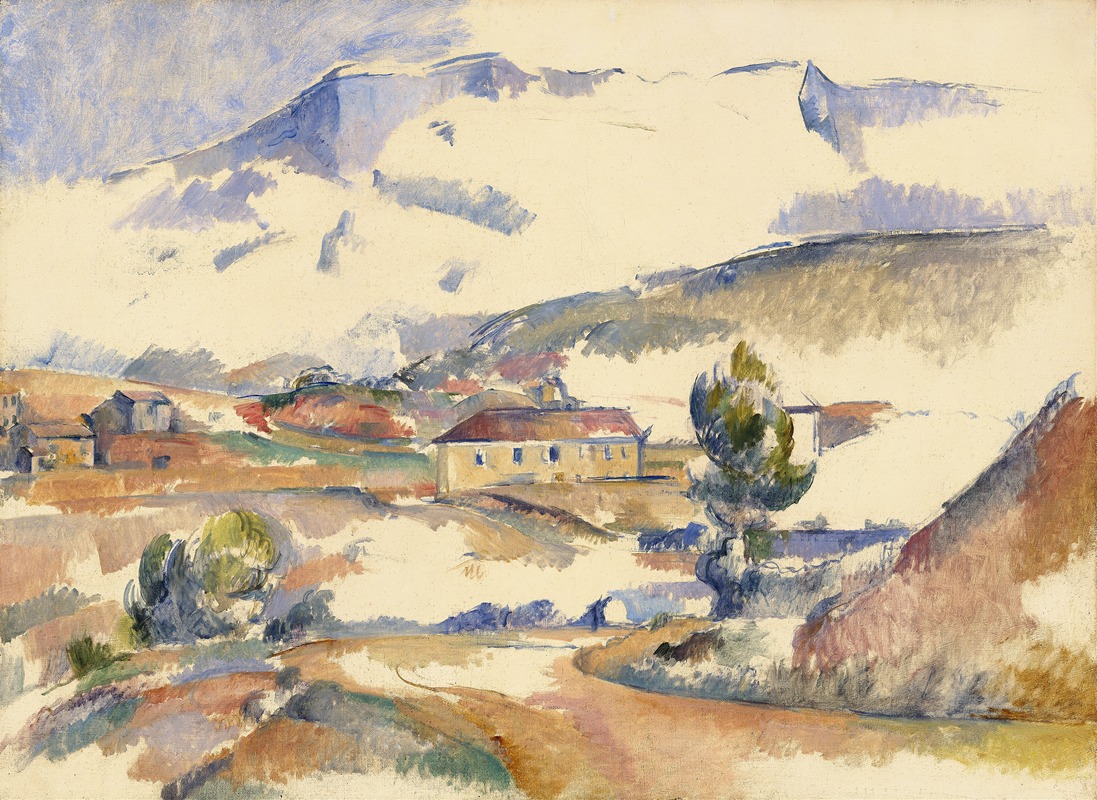
Montagne Sainte-Victoire,from near Gardanne
Paul Cézanne
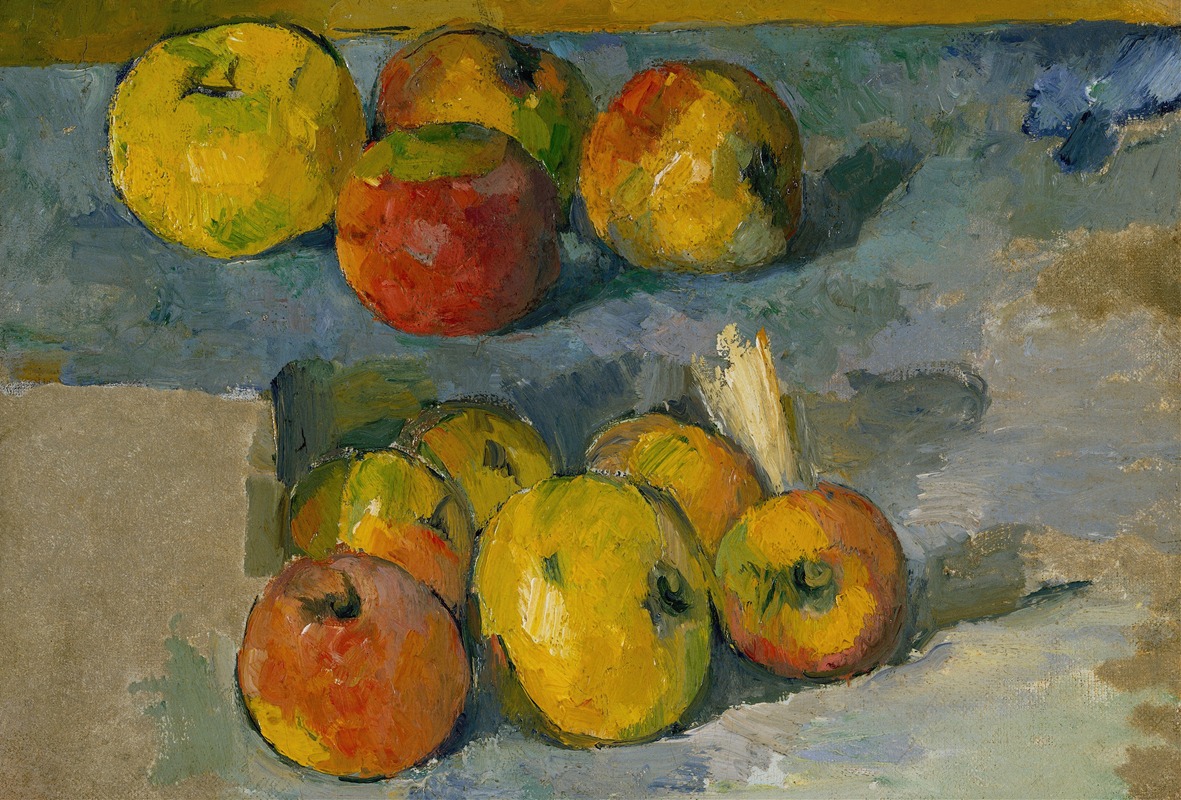
Apples
Paul Cézanne
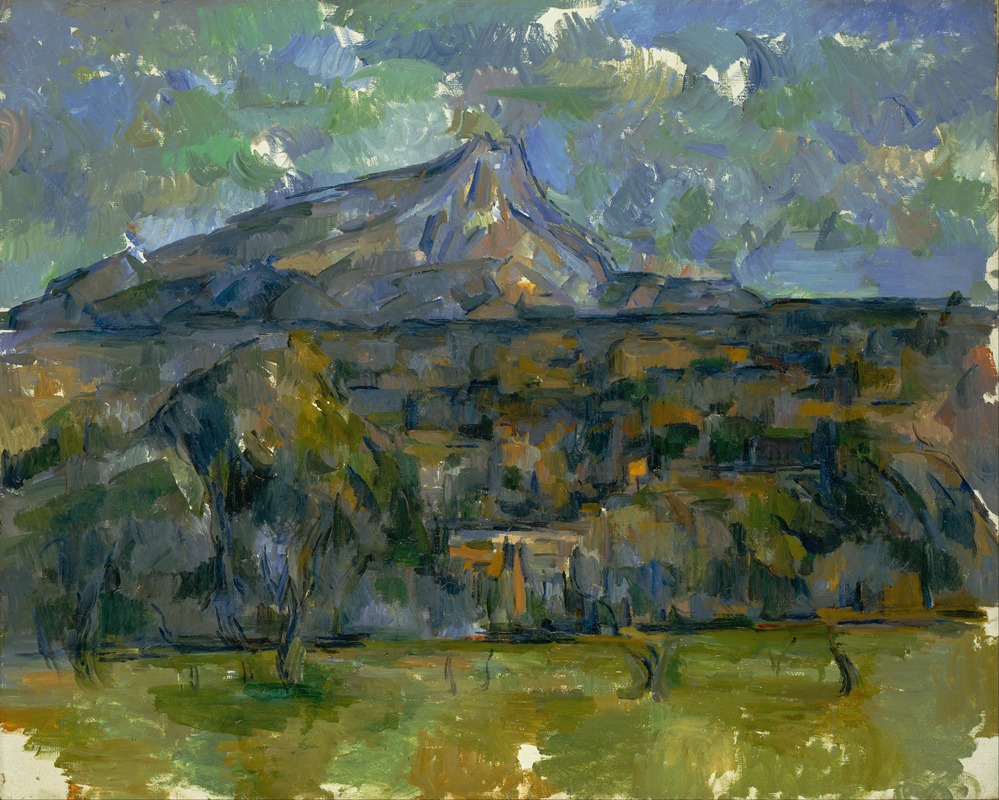
Mont Sainte-Victoire
Paul Cézanne
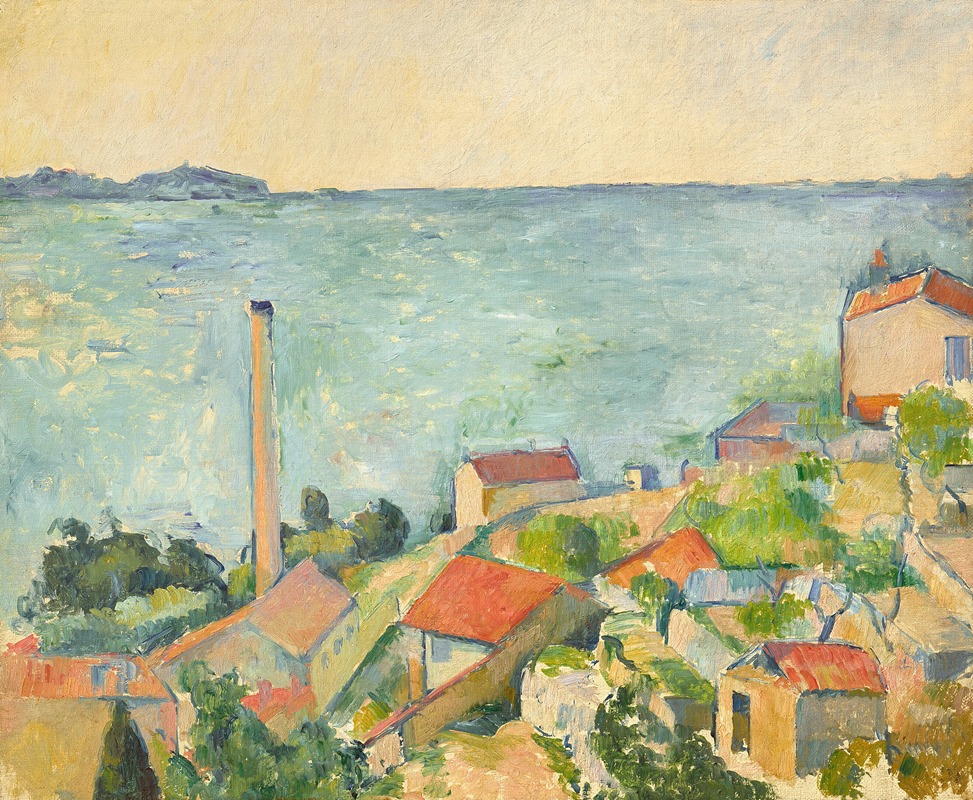
La mer à l’Estaque
Paul Cézanne
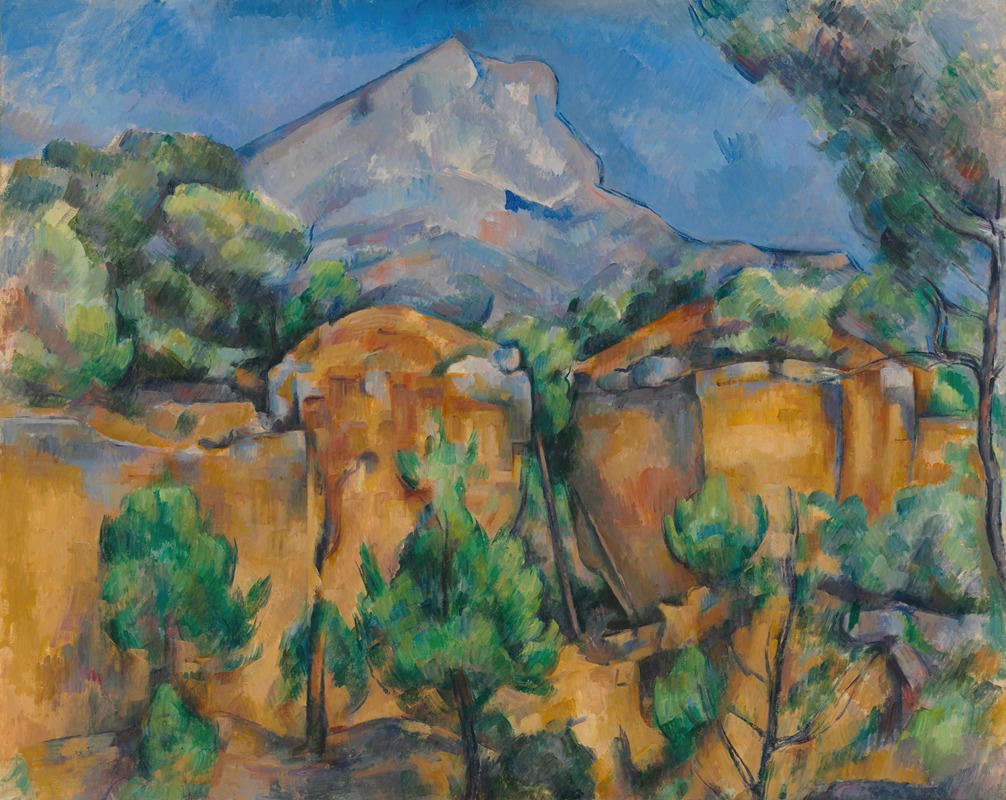
La Montagne Sainte-Victoire vue de la carrière Bibémus
Paul Cézanne
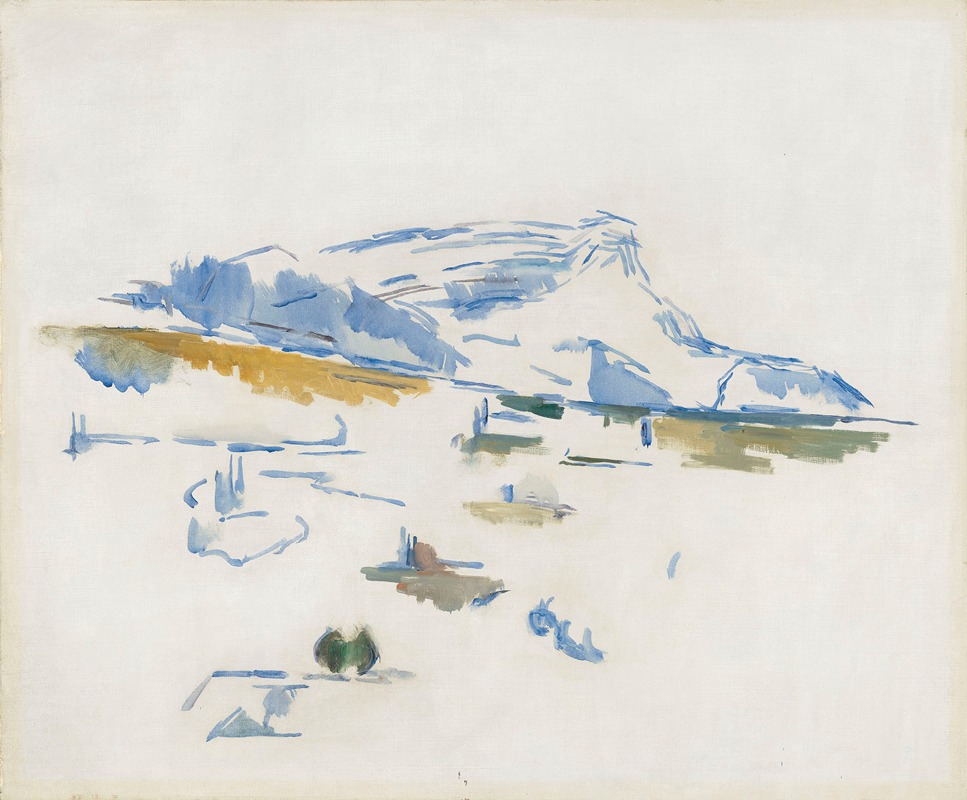
La Montagne Sainte-Victoire vue des Lauves
Paul Cézanne