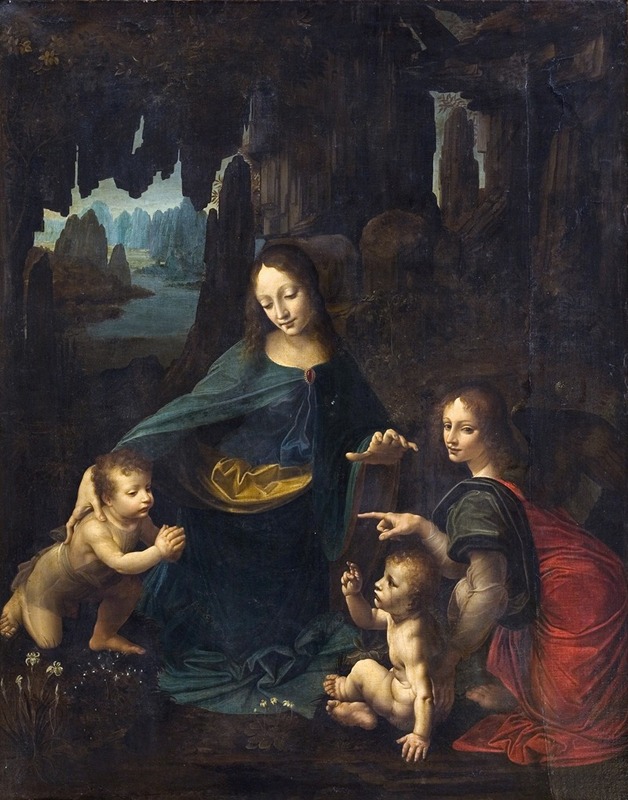
Discover insights about this artwork
The Raising of Lazarus — History & Facts
In The Raising of Lazarus, Rembrandt captures a dramatic moment from the Bible. The painting is filled with rich colors, primarily deep reds and browns, which enhance the emotional intensity. Figures are arranged in a dynamic composition, with Lazarus at the center, emerging from his tomb.
The expressions on the faces of the surrounding figures convey a mix of awe and disbelief. This artwork is an oil on canvas, showcasing Rembrandt's skillful use of light and shadow, known as chiaroscuro. The painting measures approximately 120 x 160 cm, making it a substantial piece that draws the viewer in. The detailed textures of the clothing and the lifelike expressions of the figures demonstrate Rembrandt's mastery of realism.
The dramatic lighting highlights Lazarus, emphasizing the miracle of his resurrection. Rembrandt van Rijn, a prominent figure of the Dutch Golden Age, created The Raising of Lazarus in the 1630s. This painting reflects his deep interest in biblical themes and human emotion. An interesting fact about this work is that it showcases Rembrandt's innovative approach to storytelling through visual art, capturing a moment of profound significance.
The painting is housed in the Museo del Prado, where it continues to inspire viewers with its dramatic narrative.
More Artworks by Rembrandt van Rijn
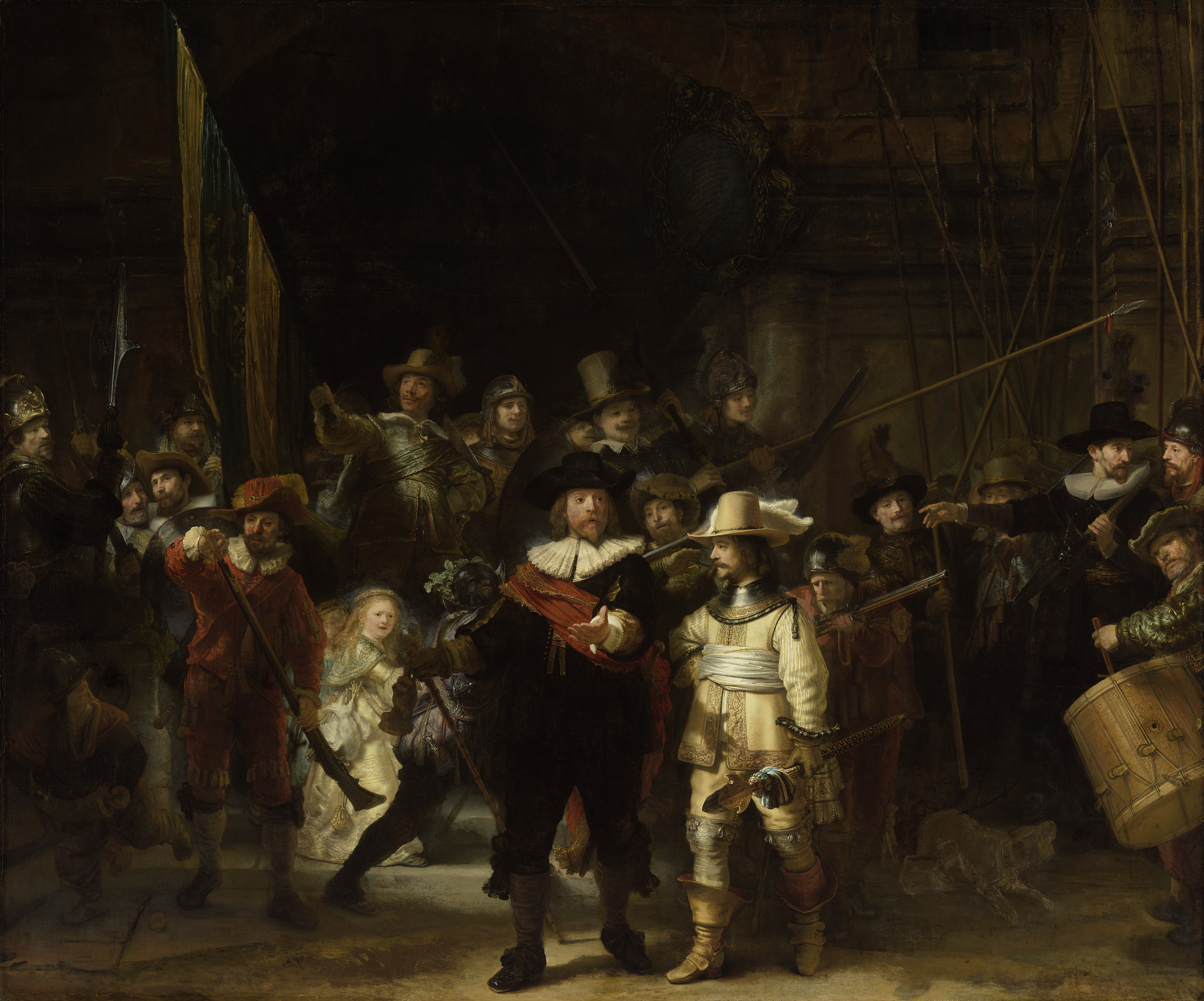
The Night Watch Militia Company of District II under the Command of Captain Frans Banninck Cocq
Rembrandt van Rijn
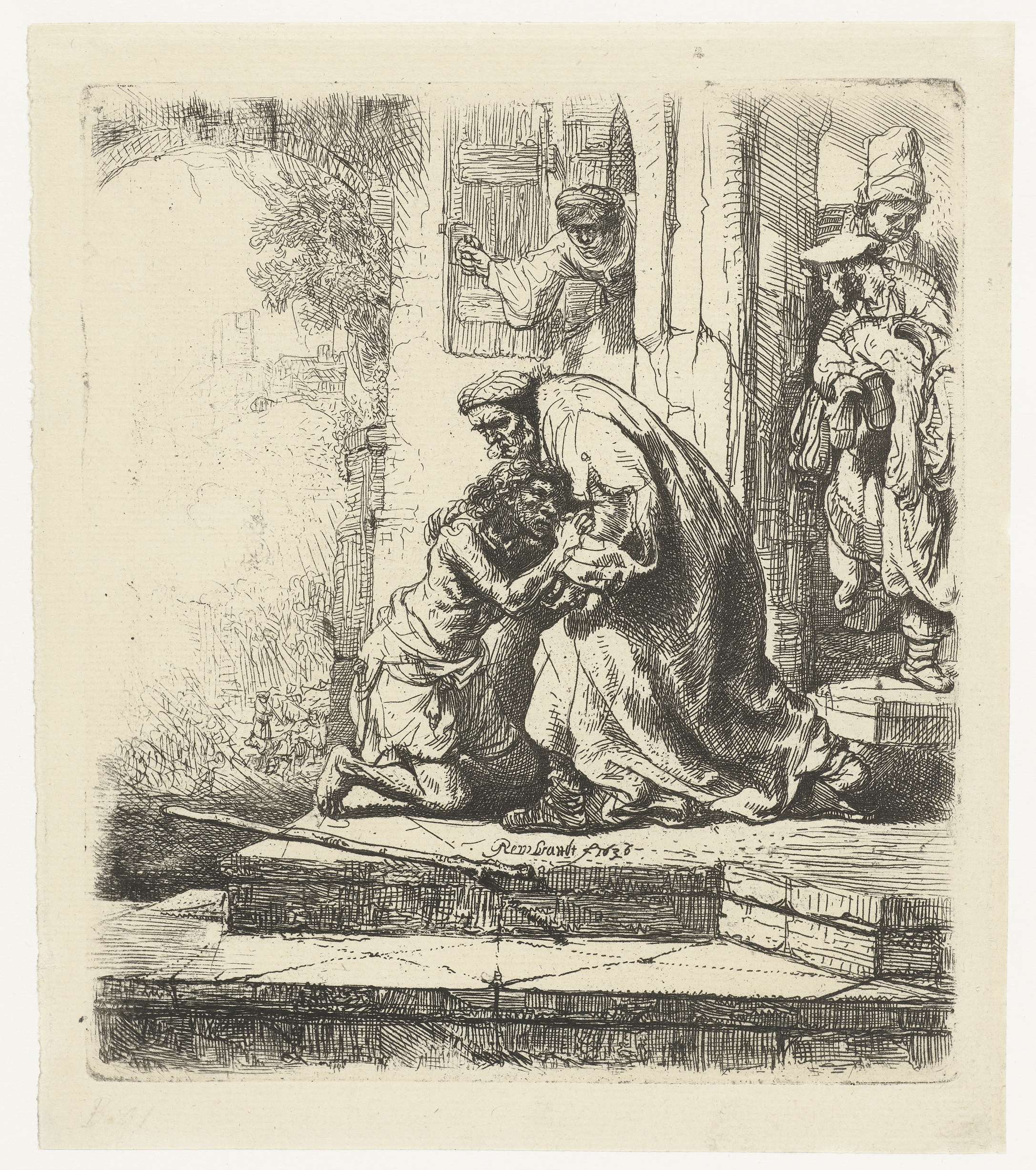
The Return of the Prodigal Son
Rembrandt van Rijn
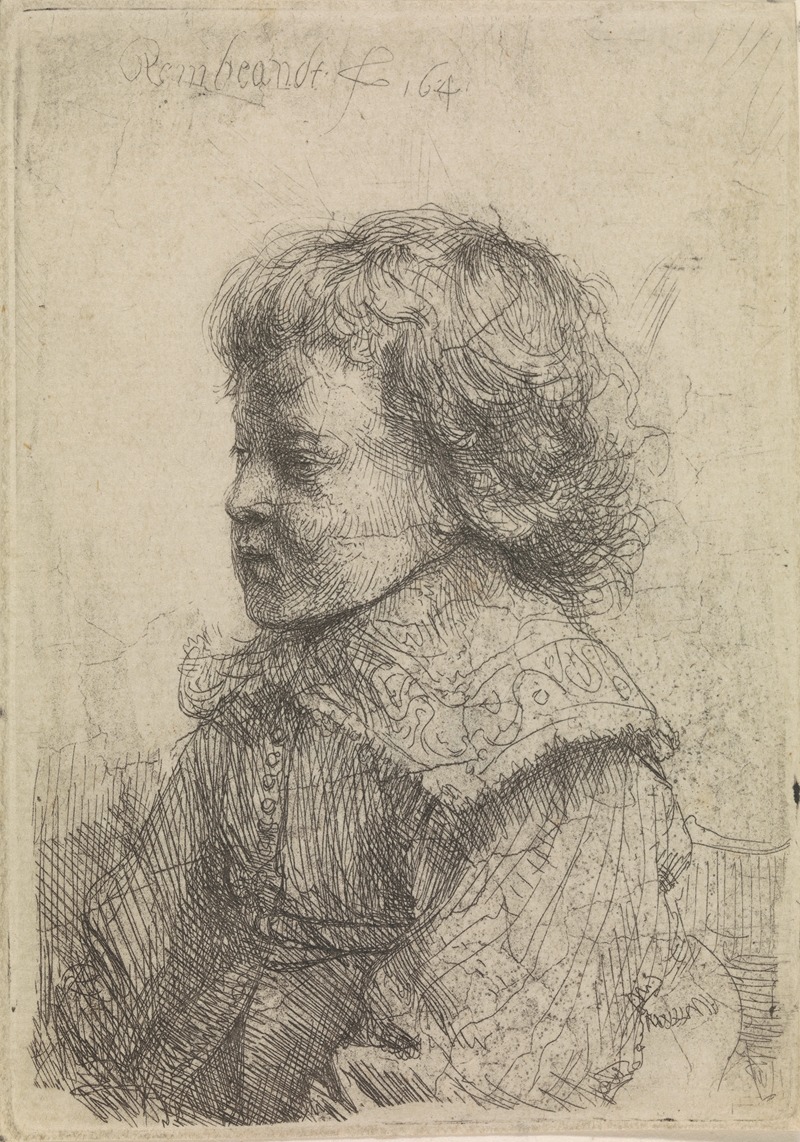
Portrait of a boy in profile
Rembrandt van Rijn
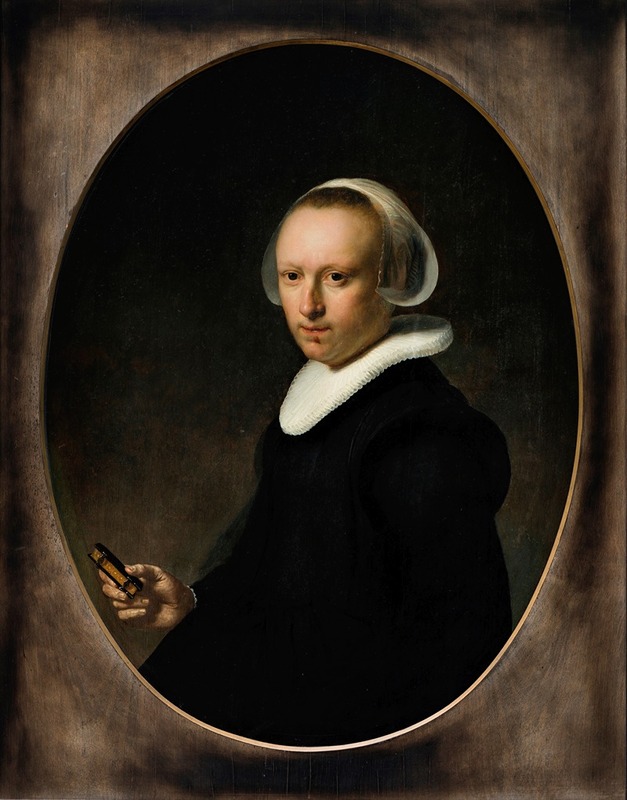
Portrait of a 39-year-old Woman
Rembrandt van Rijn
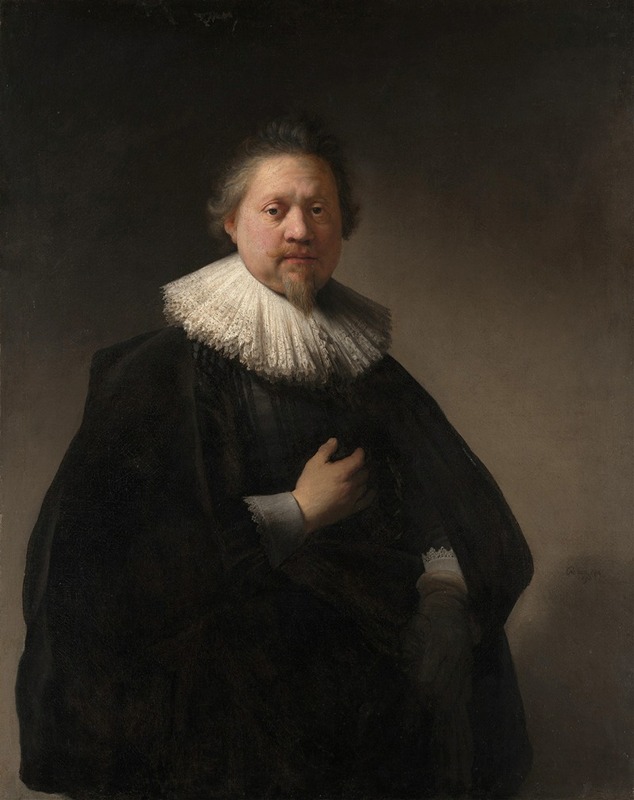
Portrait of a Man
Rembrandt van Rijn
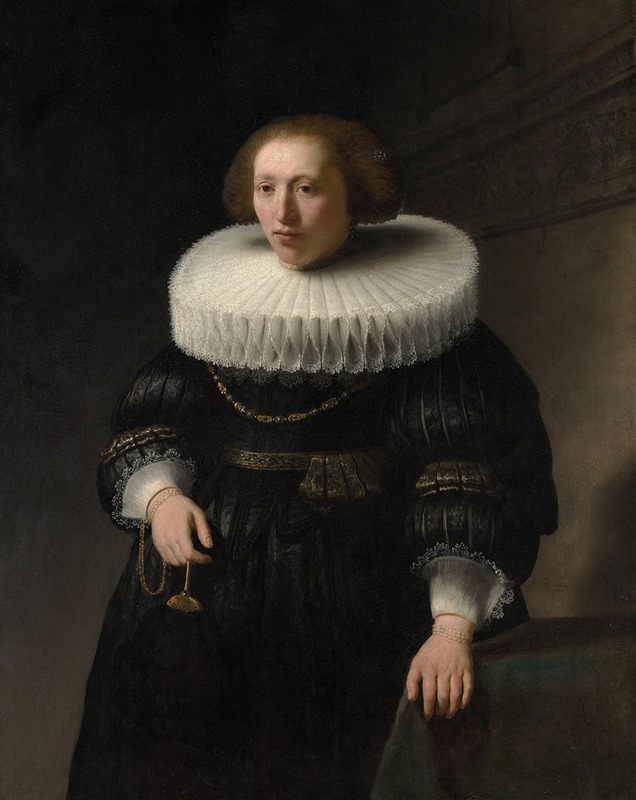
Portrait of a Woman
Rembrandt van Rijn
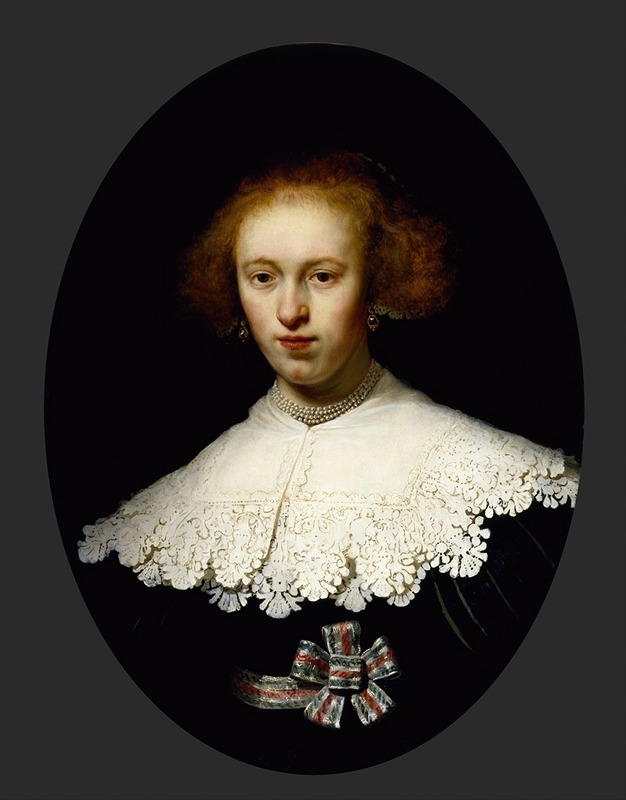
Portrait of a Young Woman
Rembrandt van Rijn
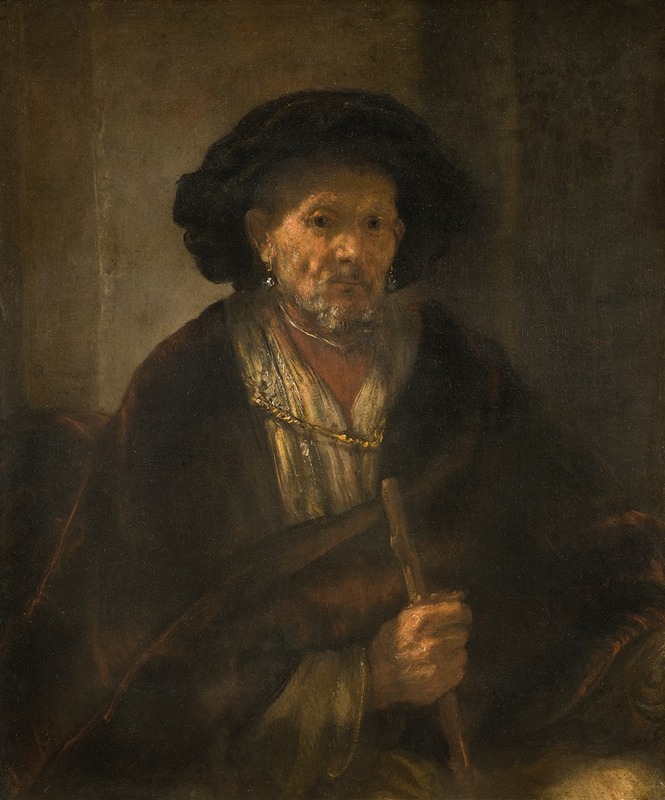
Portrait of an Old Man
Rembrandt van Rijn
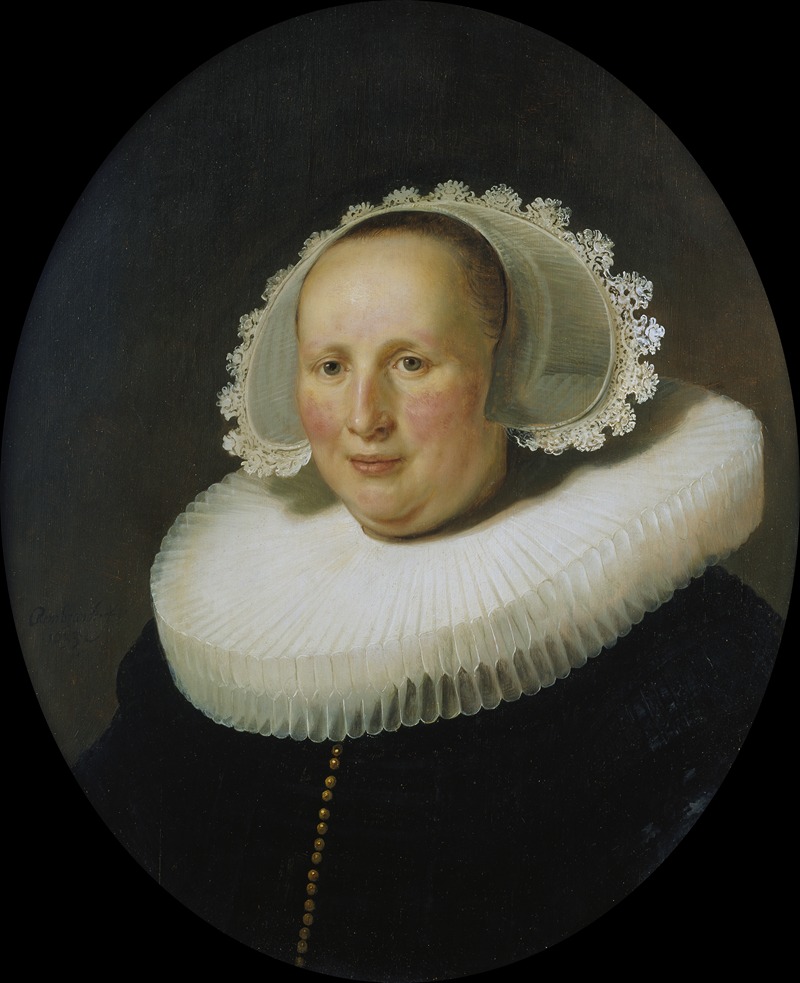
Portrait of Maertgen van Bilderbeecq
Rembrandt van Rijn
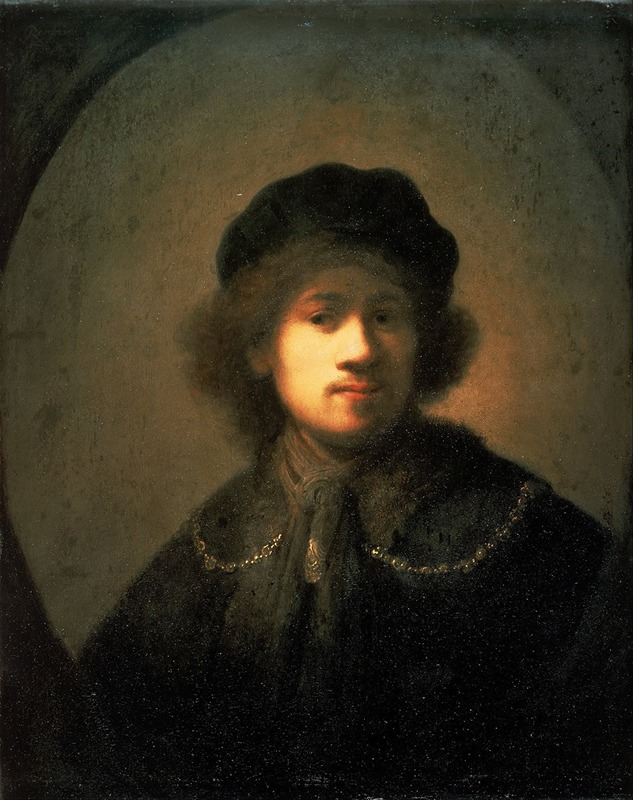
Portrait of the Artist as a Young Man
Rembrandt van Rijn