The Ram Head — History & Facts
Could a single brushstroke hold eternity? In the delicate rendering of a ram's head, betrayal whispers through the soft textures and muted palette, reminding us of the fragility of trust. Look to the left at the intricate details of the ram's fur, where layers of paint create a sense of depth and life. The artist employs a harmonious mix of earthy browns and soft whites, contrasting with the deeper shadows that encase the creature’s imposing horns. Notice how the light caresses the glossy surface of the eyes, suggesting both wisdom and vulnerability.
Each stroke seems to breathe, inviting you to explore the interplay between strength and fragility inherent in this powerful animal. Delve deeper, and you'll uncover the emotional tension woven into the composition. The ram, a symbol of sacrifice and strength, exudes a haunting beauty that brings forth a sense of foreboding. The way its gaze seems to pierce through the viewer reveals an unsettling awareness of its fate—a betrayal of trust between life and death.
Perhaps the horns, at once protective and threatening, reflect the duality of existence and the thin line between loyalty and deceit. In the early nineteenth century, the artist created this work during a time when Romanticism was shaping the art scene, emphasizing emotion and natural beauty. Serres, working in London, was navigating the complexities of a rapidly changing world, where the allure of nature clashed with industrial advancement. This piece captures not just the essence of the ram but also the subtle echoes of an era grappling with the consequences of progress and the betrayal of the natural world.
More Artworks by John Thomas Serres
Browse all →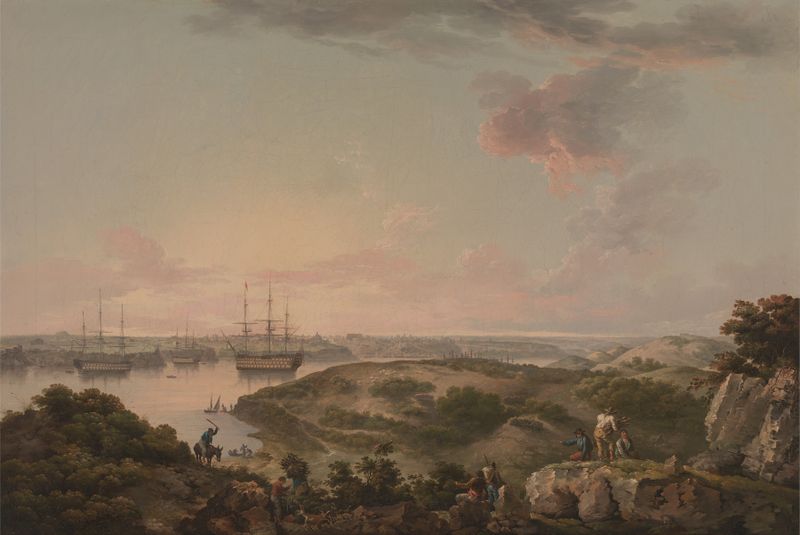
Port Mahon, Minorca with British Men-of-War at Anchor
John Thomas Serres
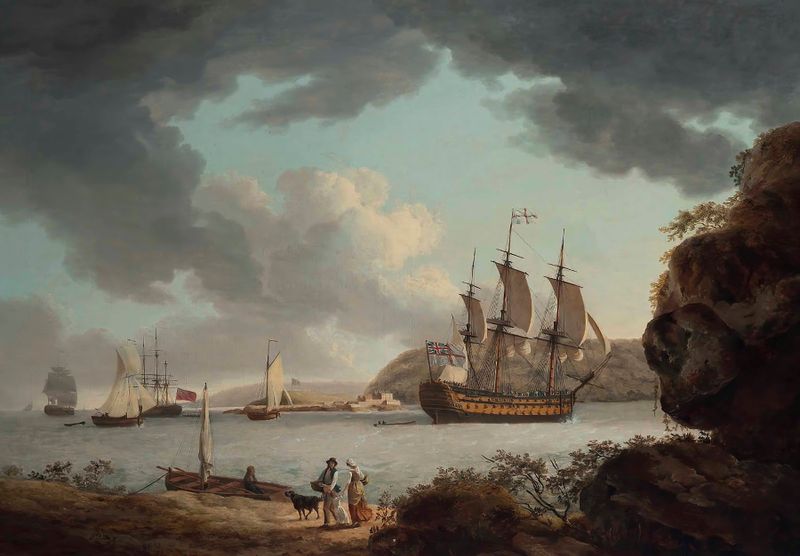
A Flagship Of The White Entering The Hamoaze And Approaching Plymouth Dock With Drake’S Island Off Her Port Quarter
John Thomas Serres
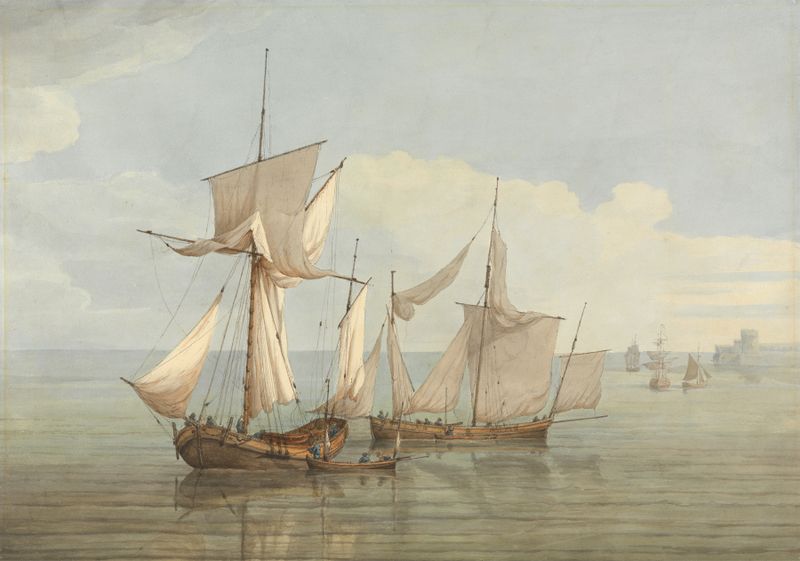
A Hoy and a Lugger with other Shipping on a Calm Sea
John Thomas Serres
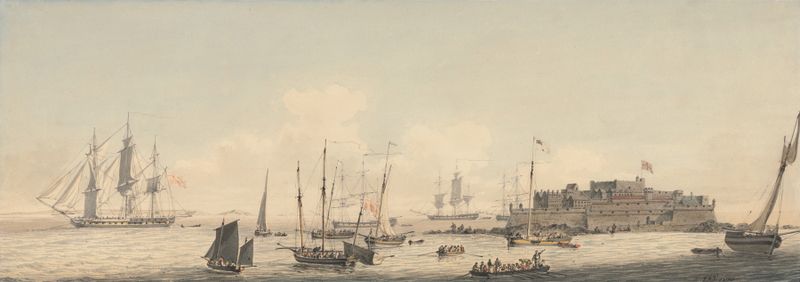
View of Castle Cornet, Guernsey, Channel Islands, with Shipping
John Thomas Serres
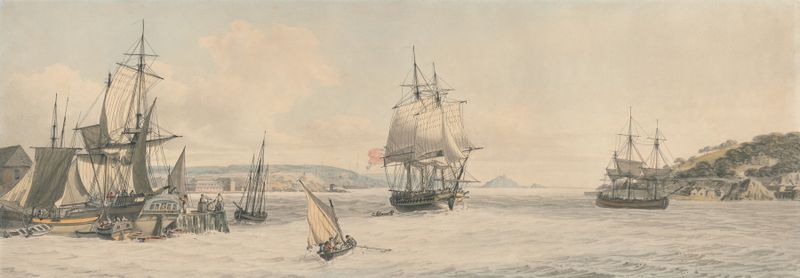
Plymouth Roads
John Thomas Serres

Gibraltar, South West by West
John Thomas Serres
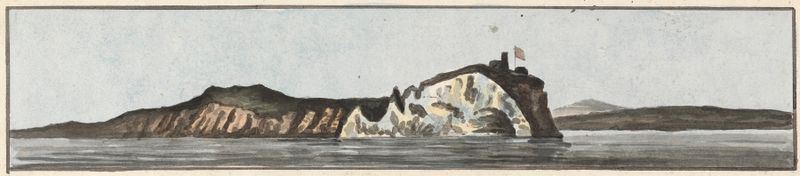
The Needles Bearing East
John Thomas Serres

The South Foreland and Shakespeare’s Cliff
John Thomas Serres

The North Foreland
John Thomas Serres

Gibraltar, The Signal House
John Thomas Serres