
The rat catcher — History & Facts
Did the painter know this moment would outlive them? In an era where silence often spoke louder than words, an unseen hand captured the delicate tension of a fleeting encounter. Look to the center of the canvas, where a rat catcher stands poised, his gaze locked in an unspoken dialogue with his audience. The muted earth tones and soft shadows create an atmosphere of intimacy, inviting the viewer to step closer. Notice how the light falls upon the rat catcher’s weathered face, illuminating the deep lines etched by years of labor, while the dark, silent rat at his feet seems to embody the weight of his work.
Each carefully applied brushstroke evokes a sense of stillness, belying an urgency that hangs palpably in the air. In this moment, contrasts abound—between man and beast, duty and disdain. The rat catcher’s posture is one of resigned determination, yet the furtive glance towards the spectator hints at an awareness of his place within society. The small, lifeless creature at his feet, often seen as a nuisance, transforms into a symbol of the burden of his profession.
This duality reflects not only the artist’s skill but also a pointed commentary on societal roles and the unseen struggles that accompany them. Painted between 1632 and 1652, this work emerges from a time marked by social upheaval and shifting perceptions of labor. The artist—whose identity remains shrouded in mystery—crafted this scene likely amid a burgeoning interest in realism and genre painting. During this period, artists began to explore everyday life with a keen eye, blending the ordinary with profound narratives that resonate through the ages.
More Artworks by Unknown Artist
Browse all →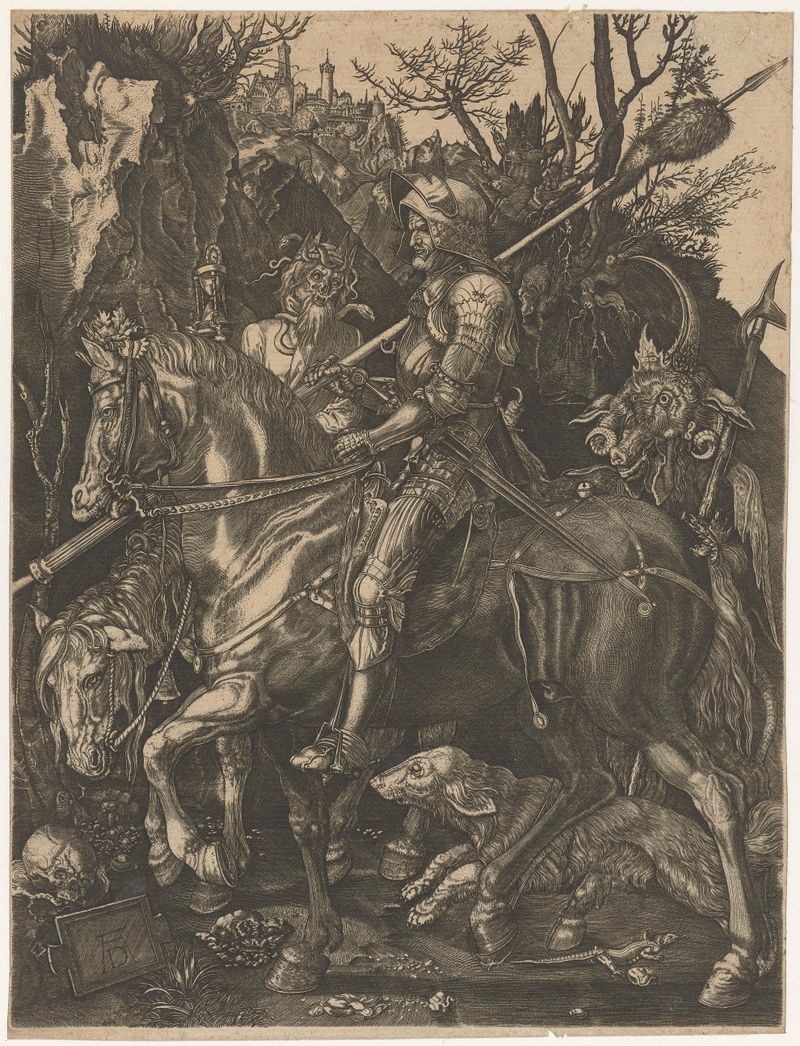
Ridder, Dood en Duivel
Unknown Artist
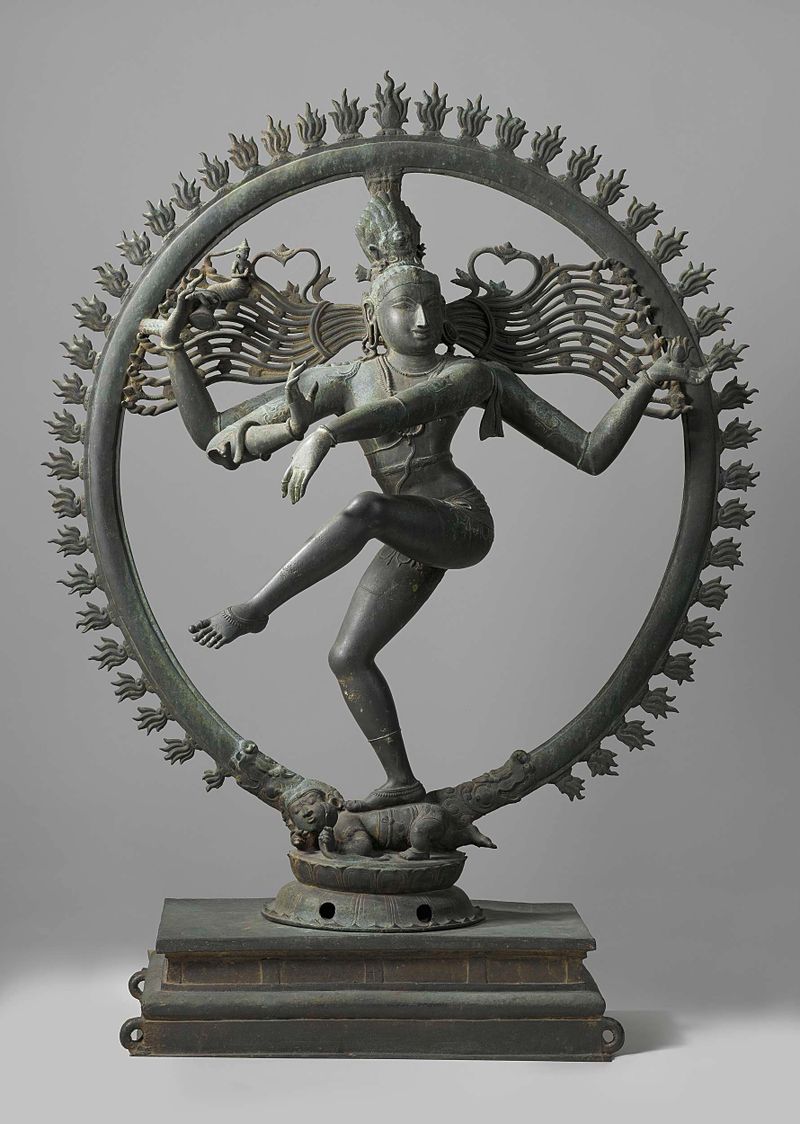
Shiva Nataraja
Unknown Artist
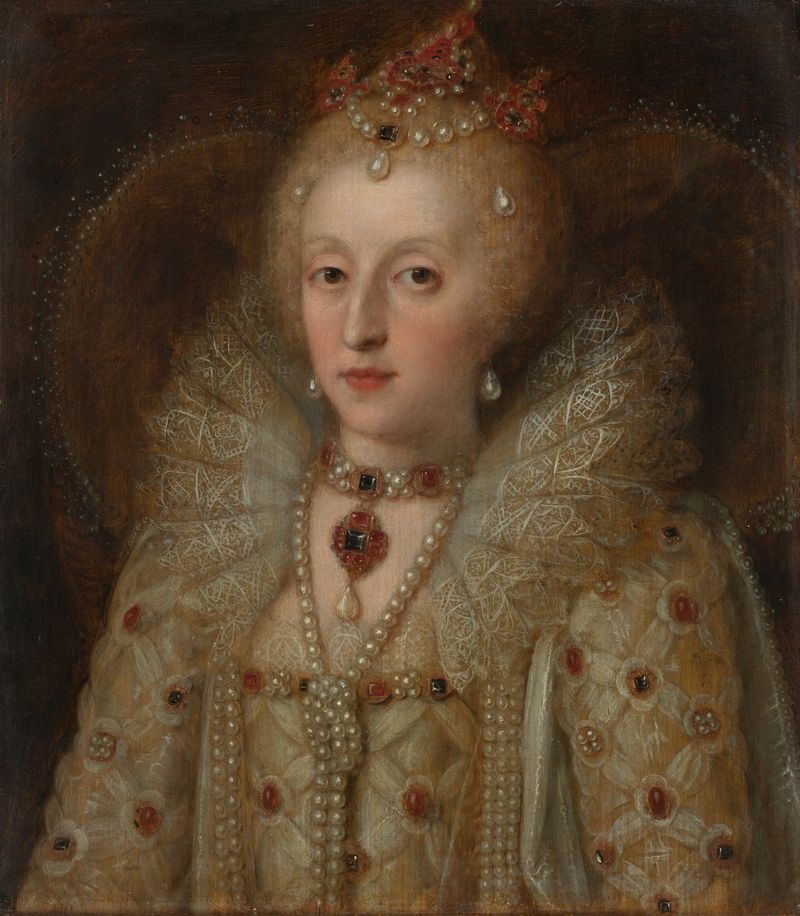
Portrait of Elizabeth I, Queen of England
Unknown Artist
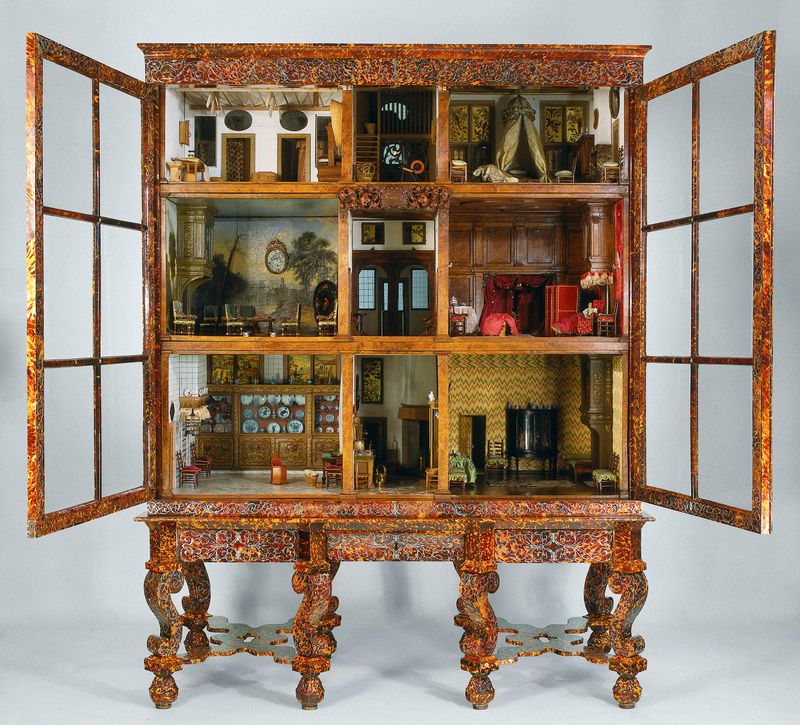
Dolls’ house of Petronella Oortman
Unknown Artist
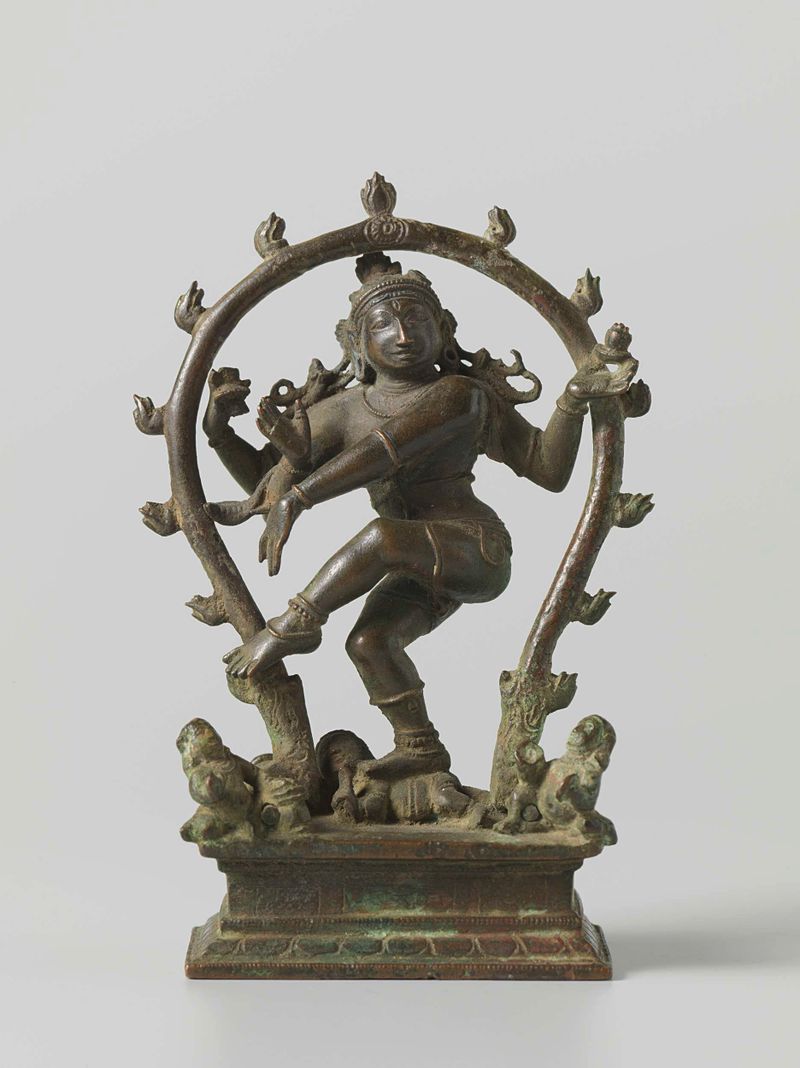
Shiva Nataraja
Unknown Artist

The Tale of Genji
Unknown Artist

The Tale of Genji
Unknown Artist
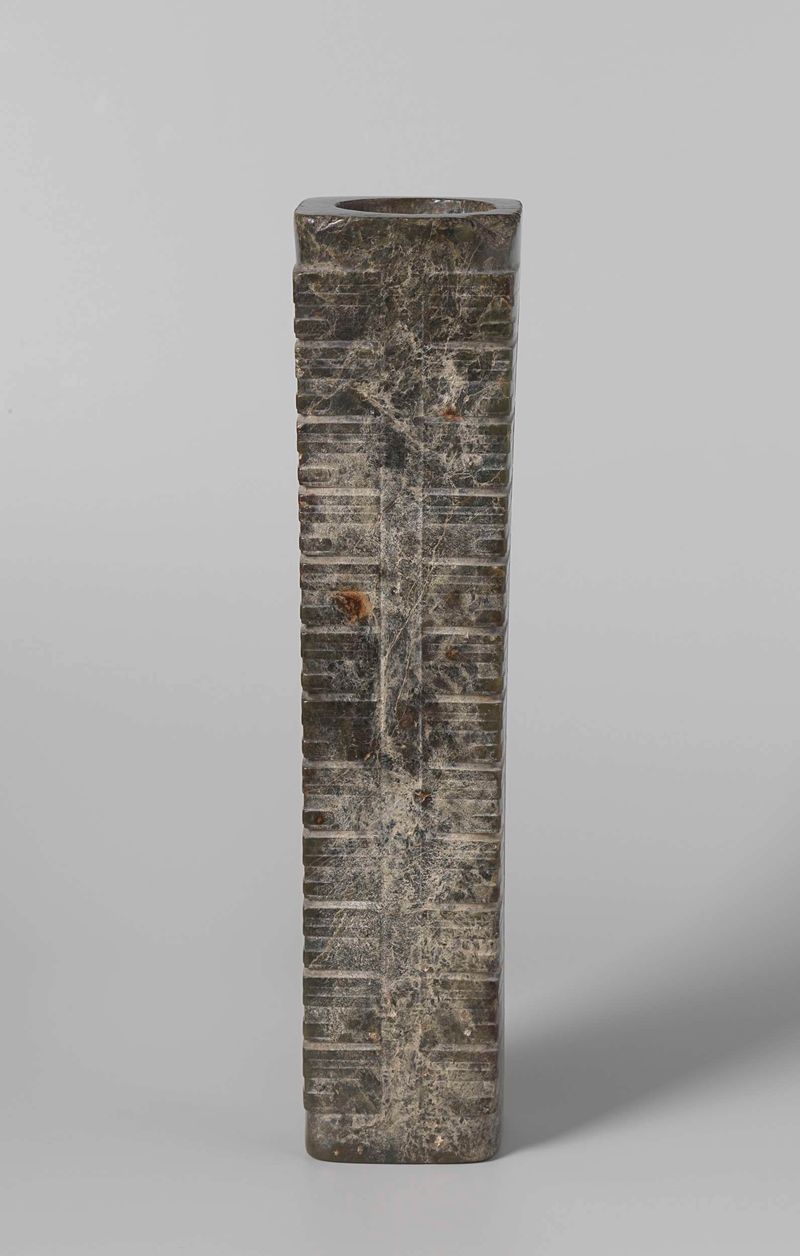
Cong
Unknown Artist
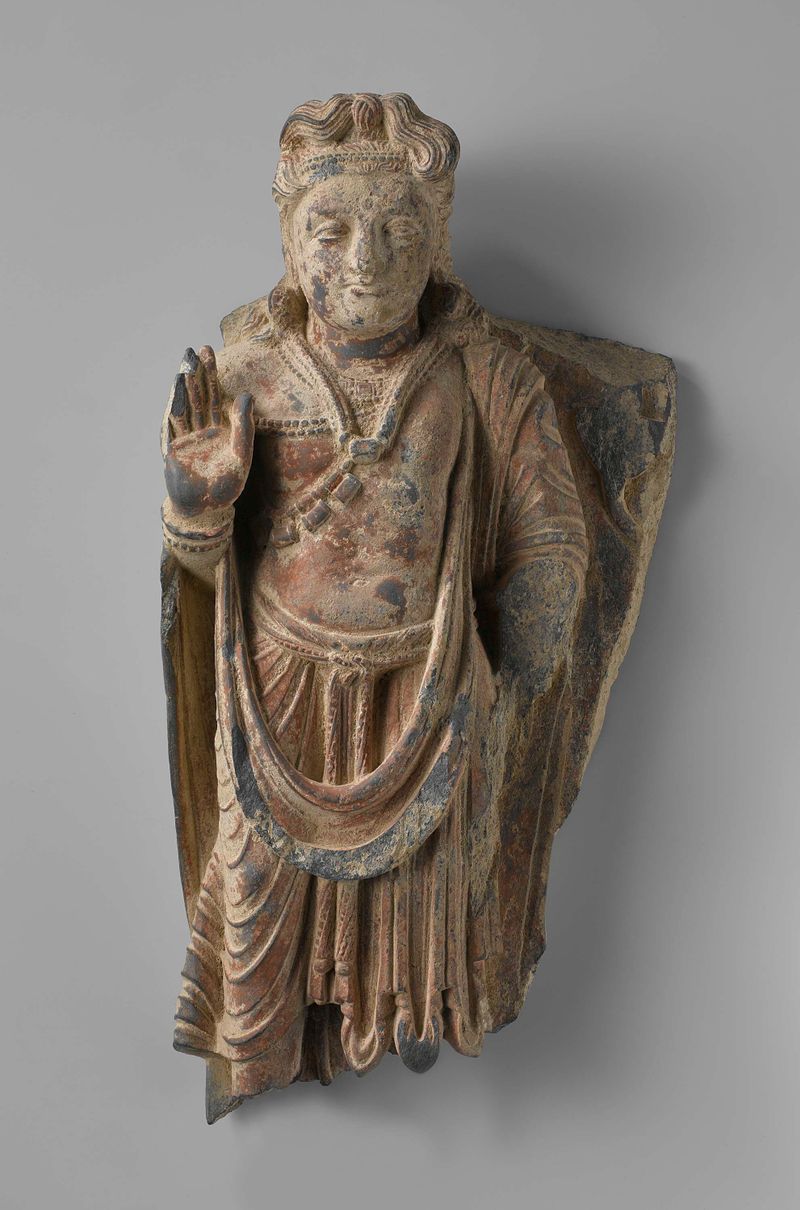
The bodhisattva Maitreya
Unknown Artist
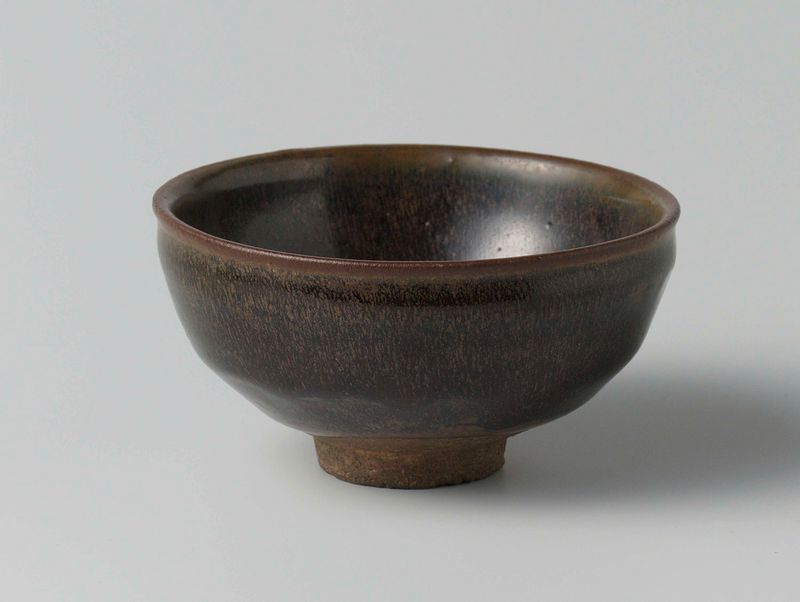
Teabowl with a 'hare's fur' glaze
Unknown Artist





