
The rat catcher — History & Facts
What if beauty was never meant to be finished? In the stillness of a moment captured, a world unfolds where ecstasy and chaos intertwine, beckoning us to explore the depths of its meaning. To your left, the rat catcher stands with an air of triumphant calm, a subtle smile gracing his lips. Look closely at the swirling patterns of his cloak, each fold meticulously rendered in deep, earthy tones that evoke both the wildness of nature and the vibrancy of life. Notice how the light dances across the rat's fur, illuminating its dark eyes glinting with apprehension, while the catcher’s outstretched hand hovers gently, poised to draw in the viewer’s attention.
This interplay of shadow and light not only highlights the figures but also speaks to the dualities of control and surrender. Upon deeper inspection, the tension between predator and prey emerges — a narrative of survival and mastery. The rat, often seen as a symbol of filth and pestilence, contrasts sharply with the poised figure, hinting at a deeper commentary on societal perceptions of worth. The subtle expression of the rat catcher suggests an ecstasy that transcends the mere act of catching; it whispers of the thrill in dominion over one’s fears and the beauty found in the chaos of existence. This artwork, created after 1632, reflects a period of transformation in the art world, where the boundaries of realism and symbolism began to blur.
The unknown artist, likely influenced by the heightened focus on human emotion and the natural world, captures an intimate moment of connection between man and beast, showcasing the enduring struggle and beauty of life in a vivid tableau.
More Artworks by Unknown Artist
Browse all →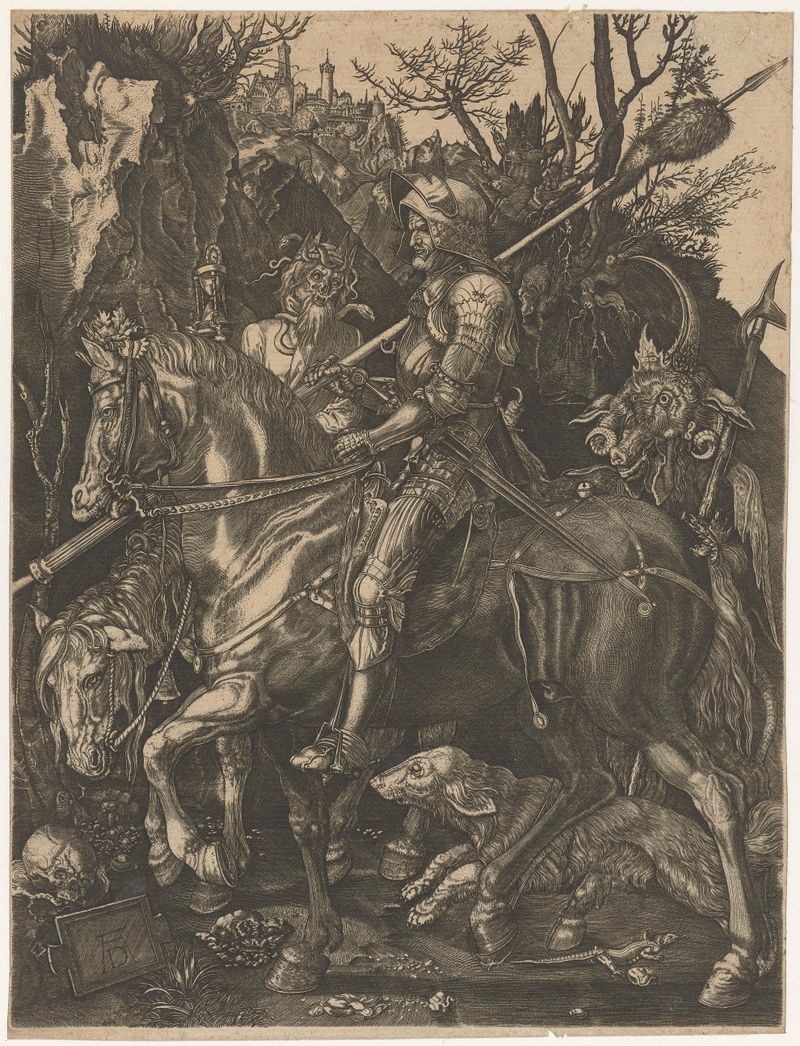
Ridder, Dood en Duivel
Unknown Artist
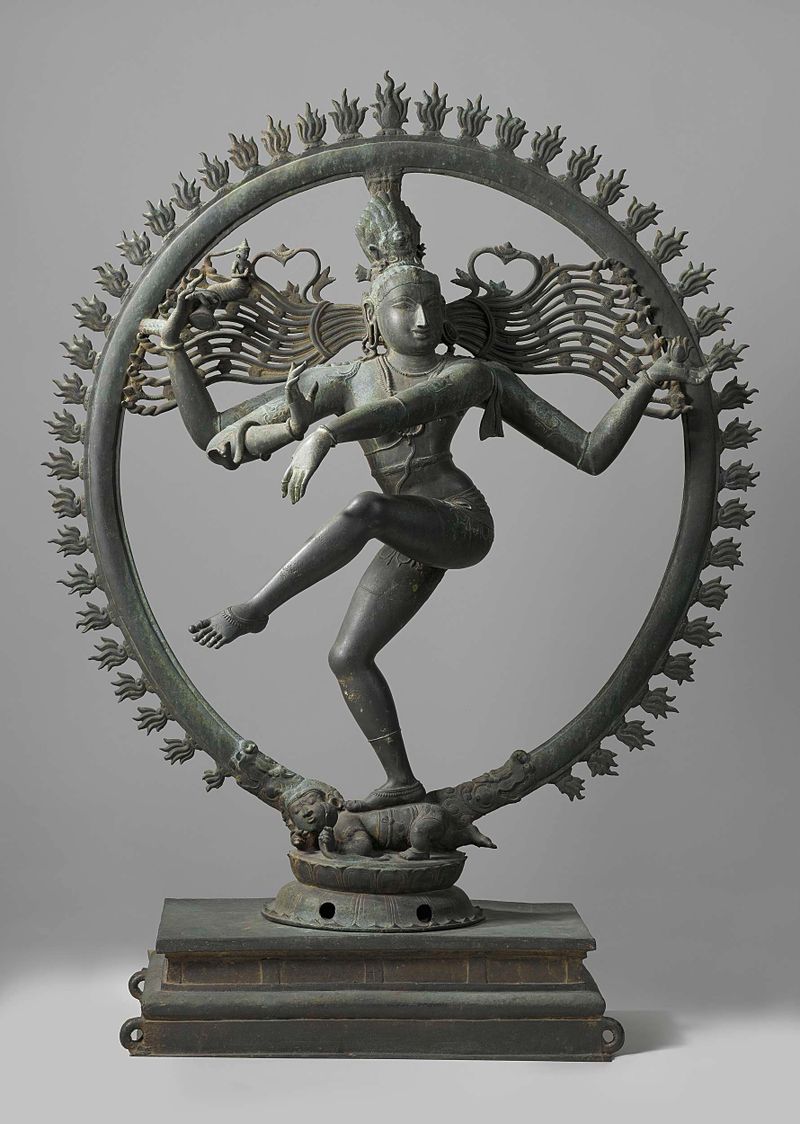
Shiva Nataraja
Unknown Artist
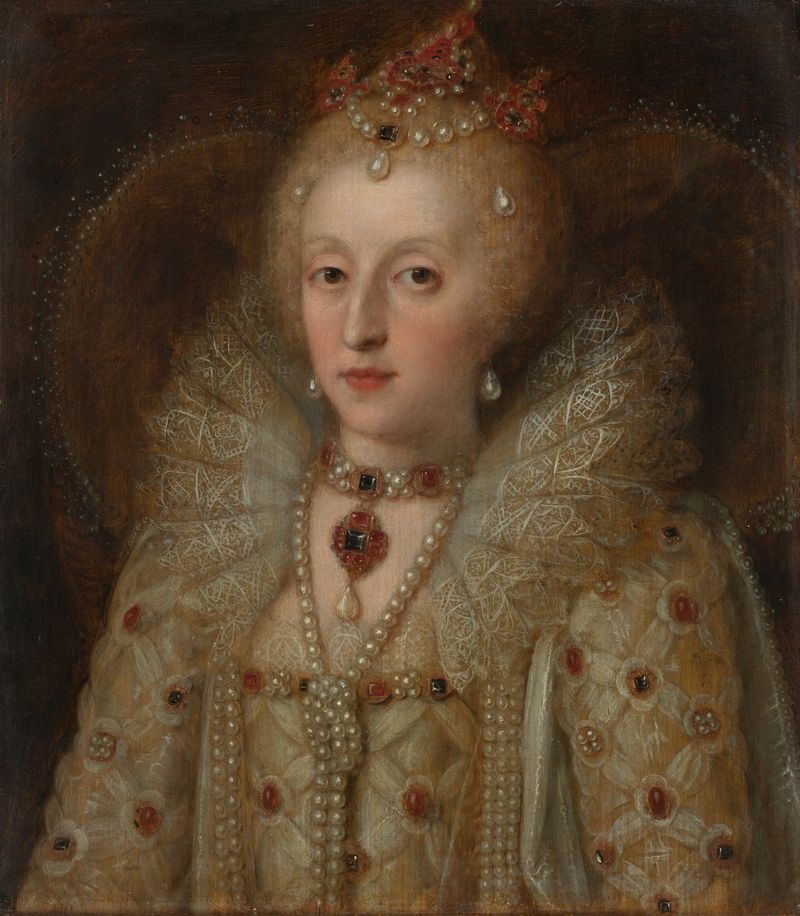
Portrait of Elizabeth I, Queen of England
Unknown Artist
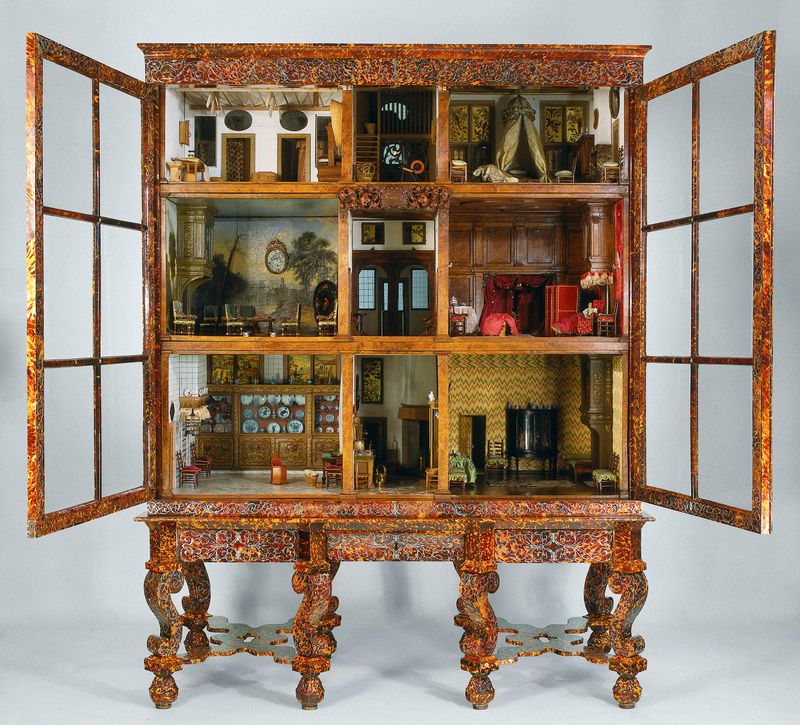
Dolls’ house of Petronella Oortman
Unknown Artist
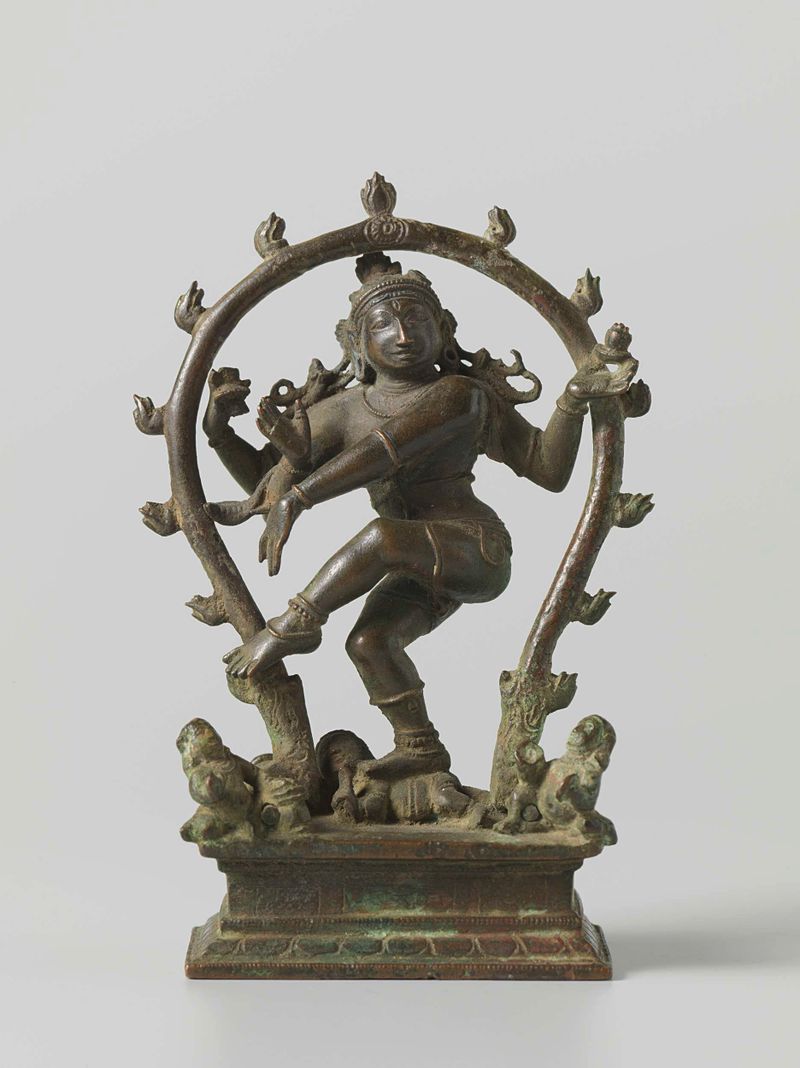
Shiva Nataraja
Unknown Artist

The Tale of Genji
Unknown Artist

The Tale of Genji
Unknown Artist
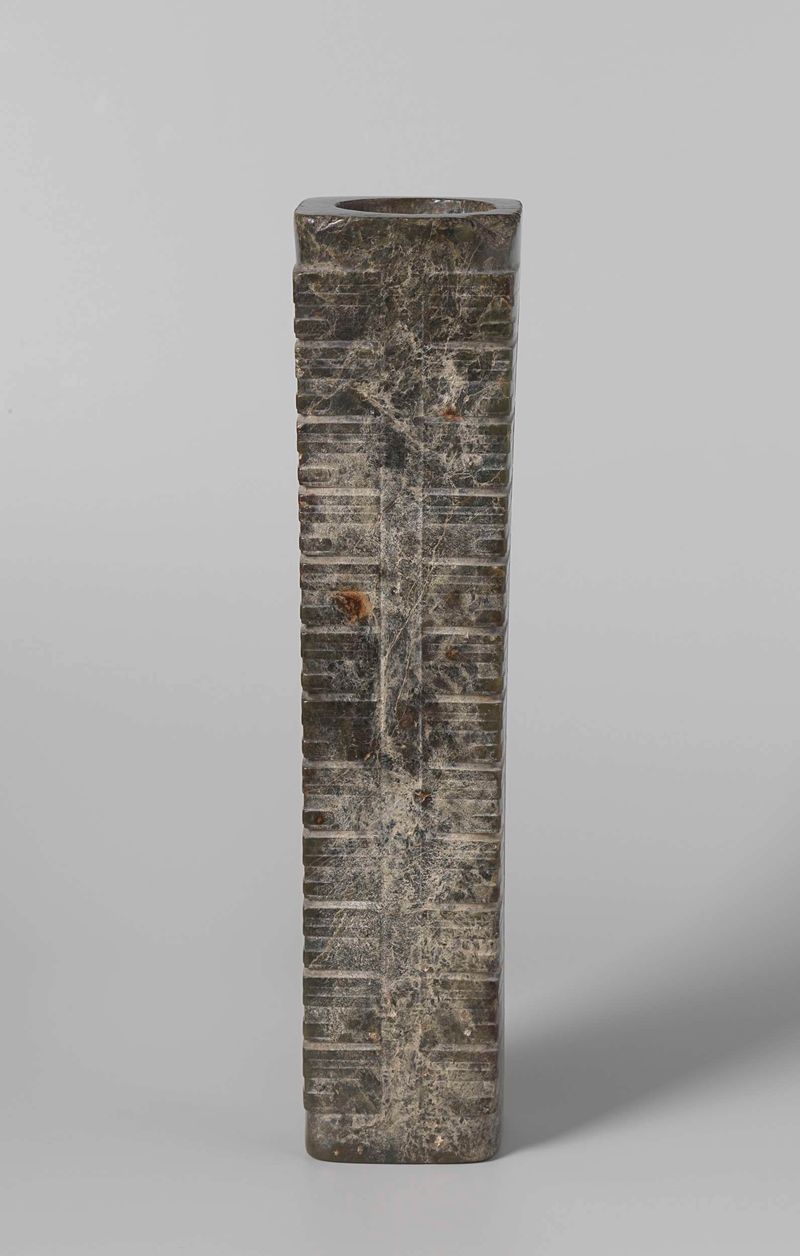
Cong
Unknown Artist
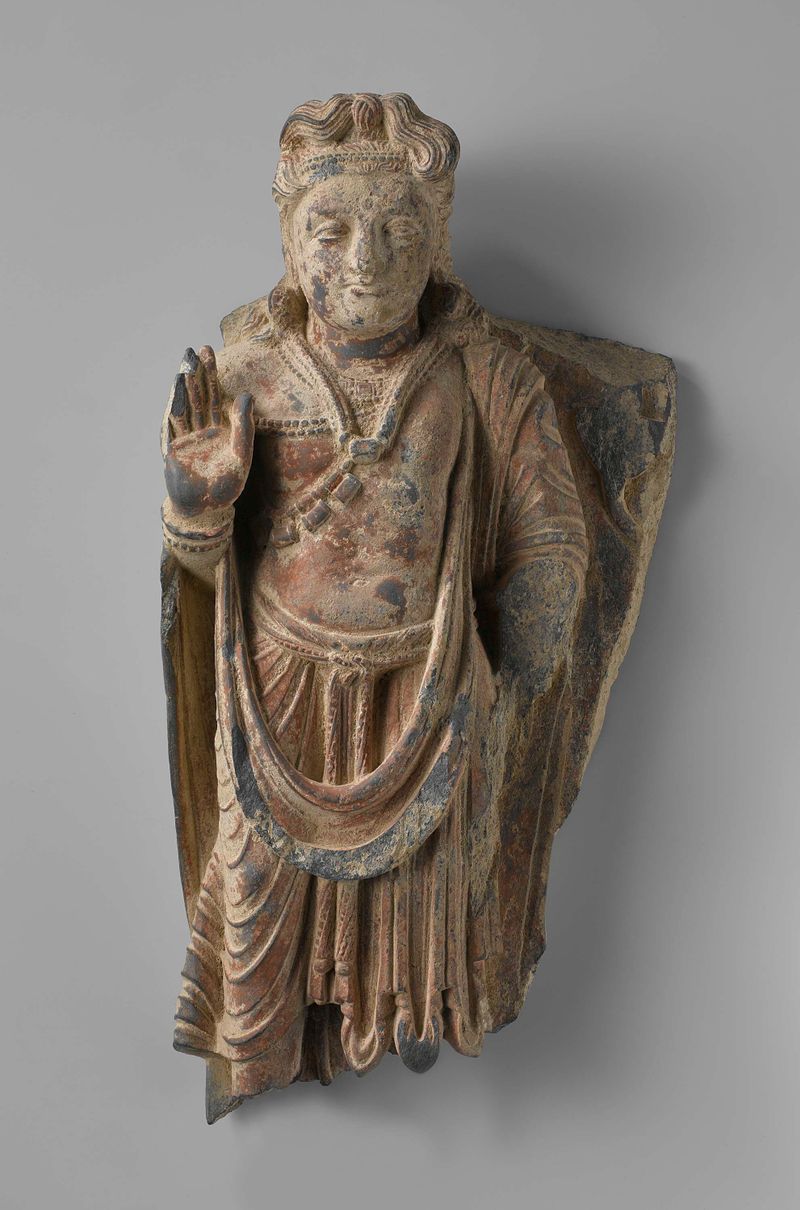
The bodhisattva Maitreya
Unknown Artist
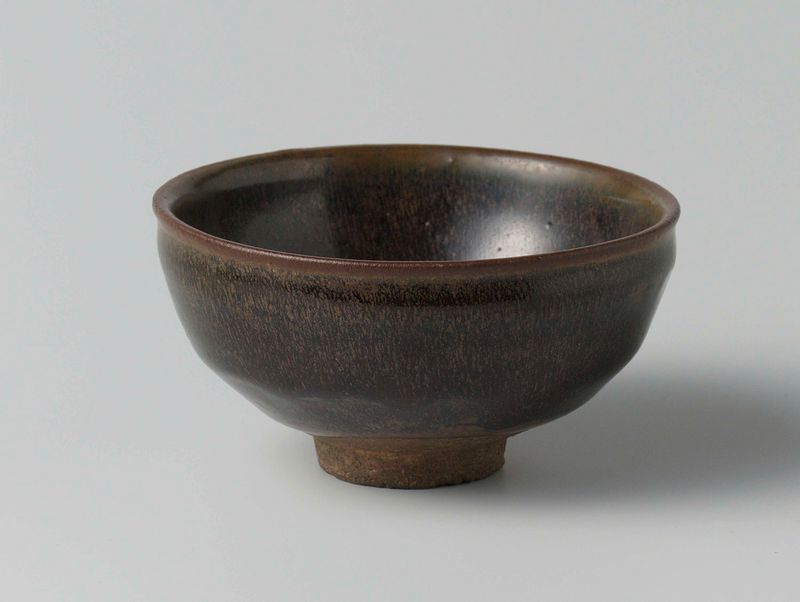
Teabowl with a 'hare's fur' glaze
Unknown Artist





