
The rat catcher — History & Facts
Can beauty exist without sorrow? In the delicate interplay of light and shadow, the answer lies entwined within the enigma of a forgotten masterpiece. Look closely at the right side of the canvas, where the rat catcher stands, his posture a blend of defiance and humility. The muted browns and greens of his tattered clothing contrast sharply with the ethereal glow that surrounds him, illuminating the expressions of the children at his feet. Notice how the soft light falls upon the rats, their bodies coiling in a mix of fear and curiosity, capturing the duality of life and death in this poignant moment. In the background, the somber palette evokes a sense of melancholy, each brushstroke whispering tales of forgotten joys and hidden decay.
The children, with their wide eyes fixed on the catcher, embody innocence caught in the web of reality—a reminder that even in the allure of beauty, shadows lurk. This tension between reverence and dread illuminates the fragility of existence, suggesting that divinity often emerges from the depths of despair. Painted between 1677 and 1690, this work reflects a transitional period in art, where the baroque style began to wane, making way for the emerging neoclassical ideals. The artist remains unknown, but they captured a moment of societal intrigue, addressing the complex relationships between man, nature, and the divine amid an era marked by both prosperity and struggle.
It is a silent echo of time, whispering stories that linger in the air like the scent of fading beauty.
More Artworks by Unknown Artist
Browse all →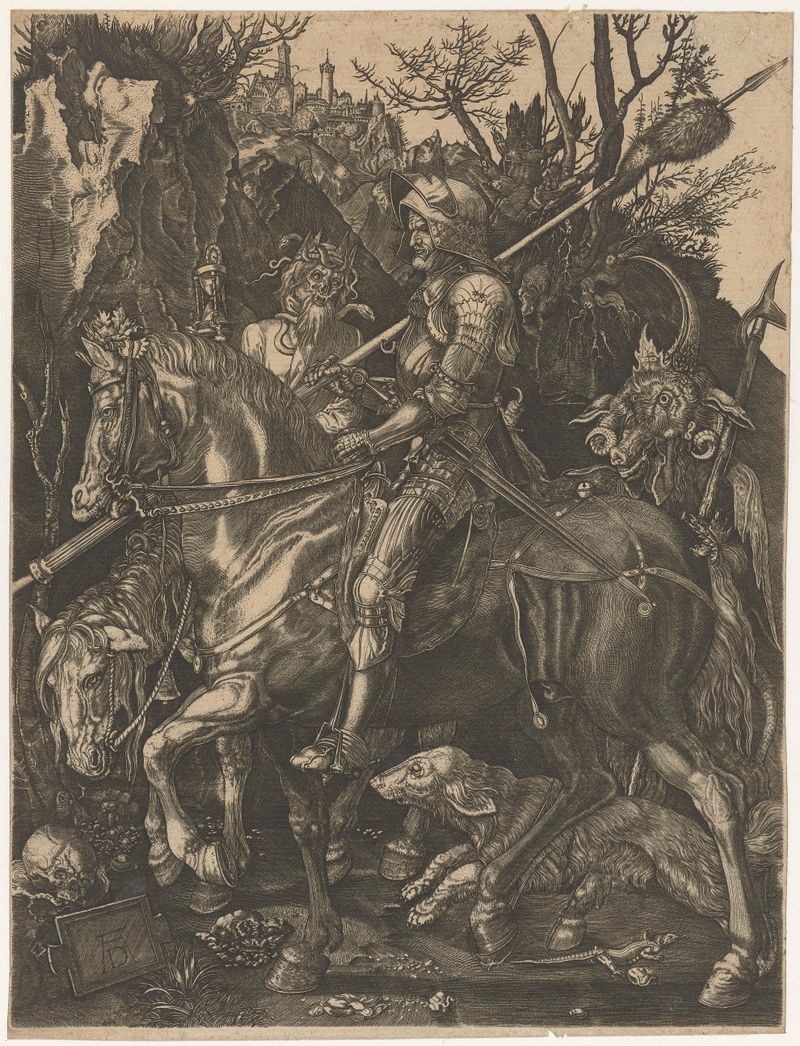
Ridder, Dood en Duivel
Unknown Artist
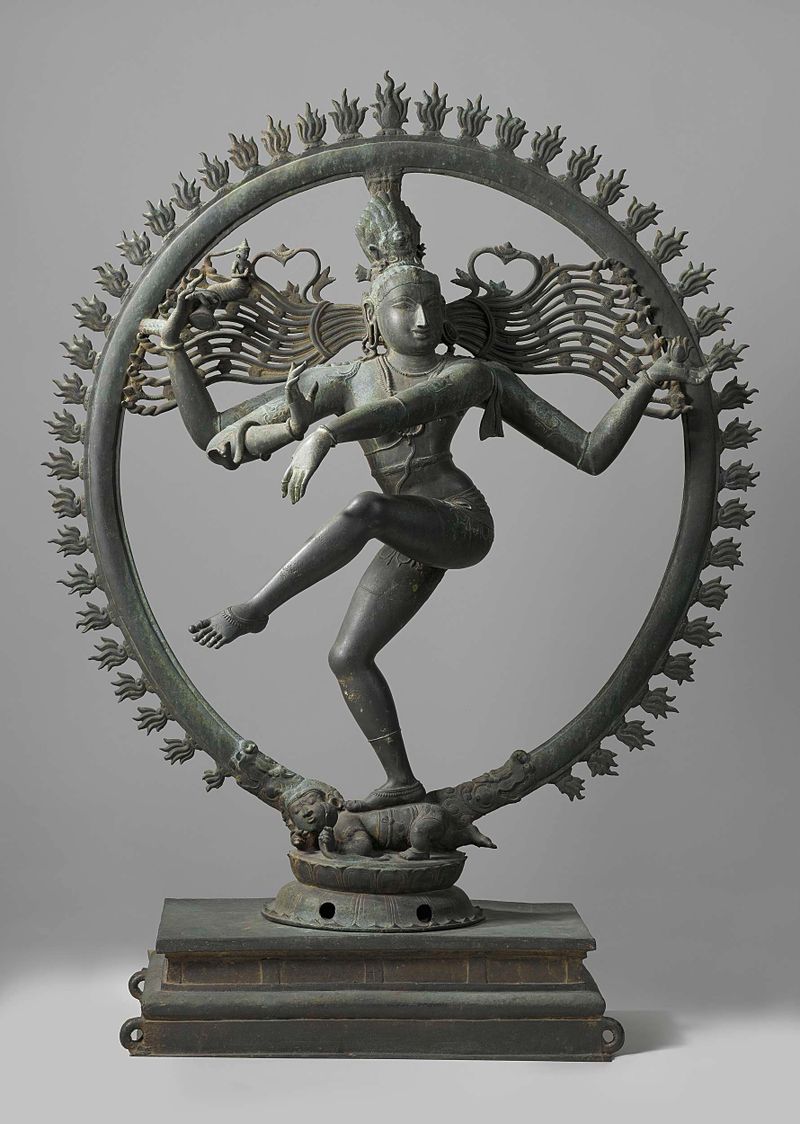
Shiva Nataraja
Unknown Artist
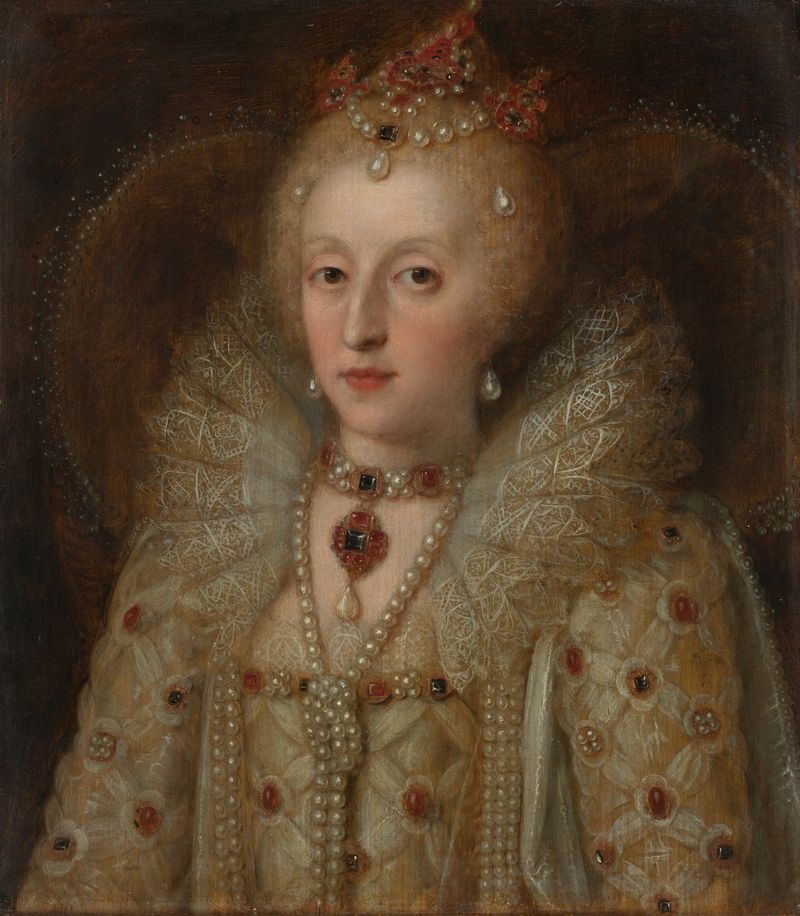
Portrait of Elizabeth I, Queen of England
Unknown Artist
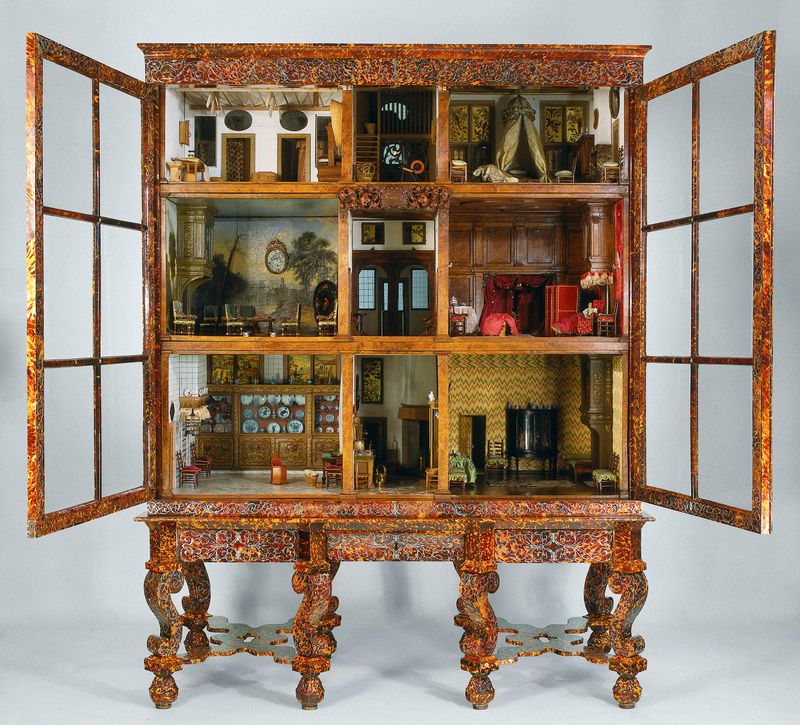
Dolls’ house of Petronella Oortman
Unknown Artist
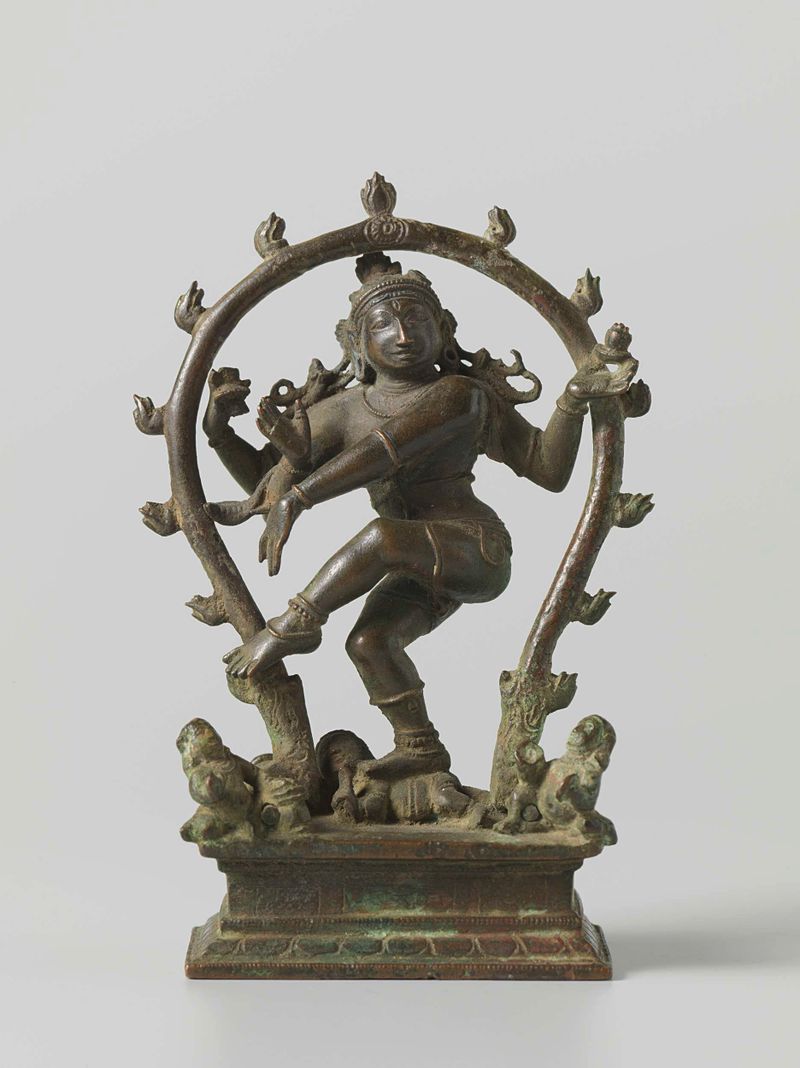
Shiva Nataraja
Unknown Artist

The Tale of Genji
Unknown Artist

The Tale of Genji
Unknown Artist
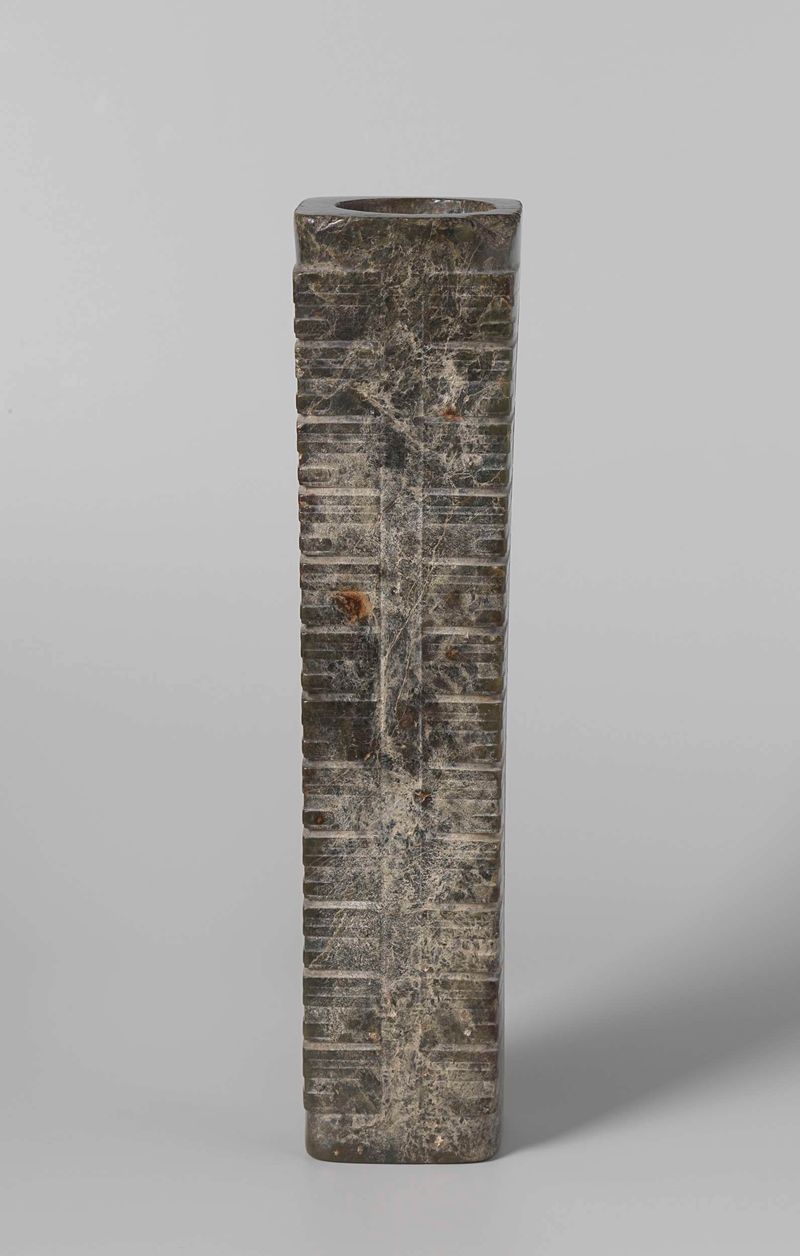
Cong
Unknown Artist
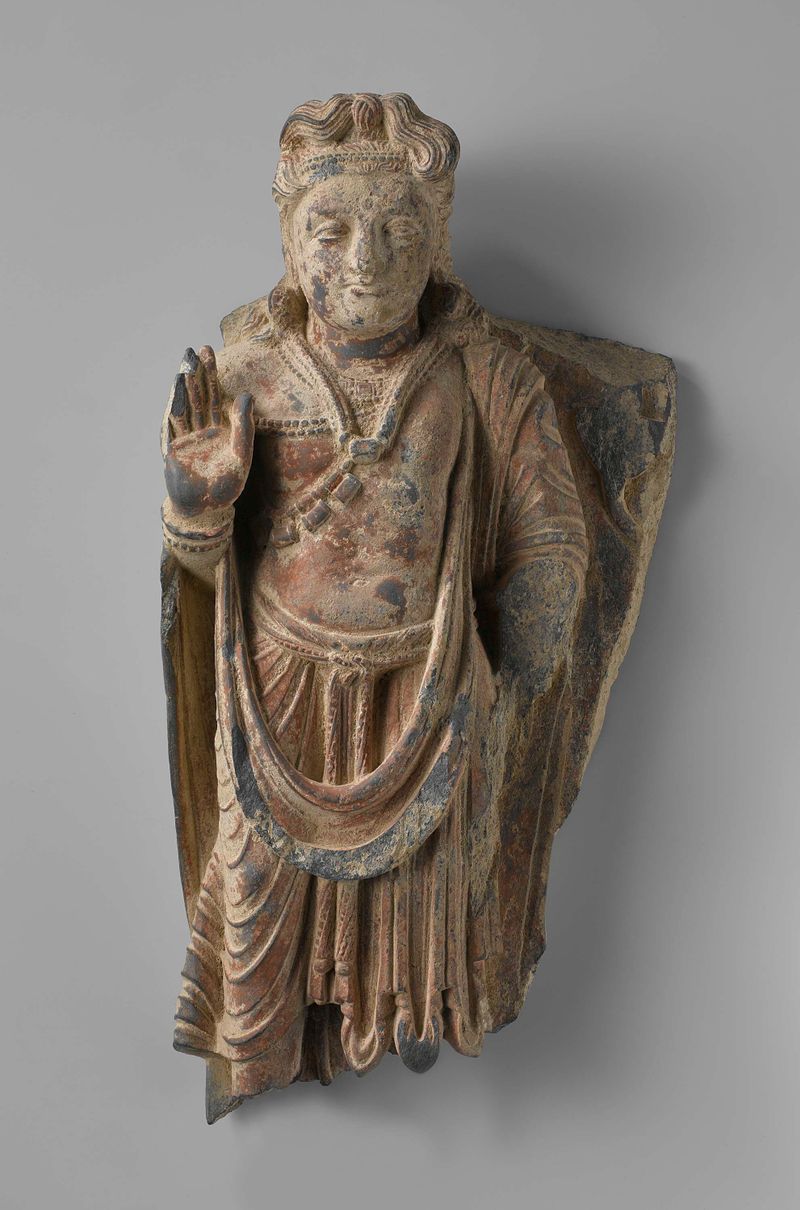
The bodhisattva Maitreya
Unknown Artist
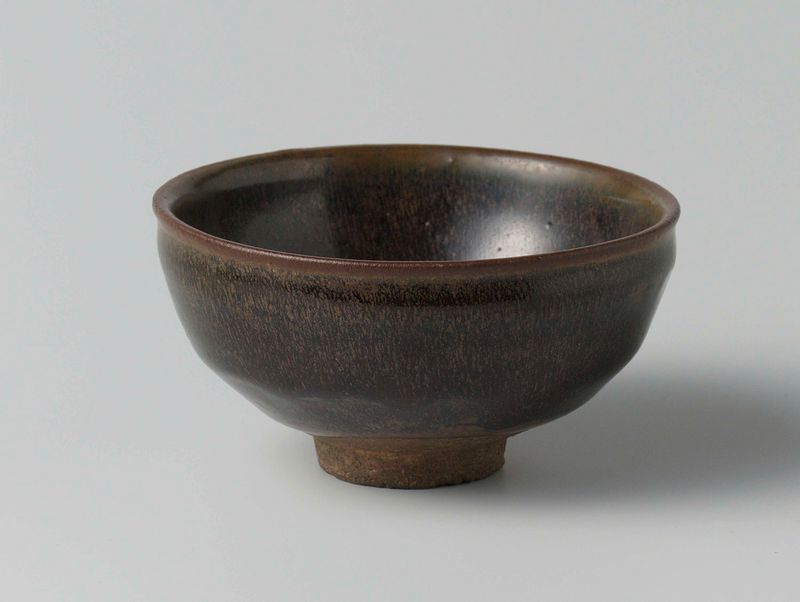
Teabowl with a 'hare's fur' glaze
Unknown Artist





