
The Raven Totem Pole — History & Facts
In the realm of color, it speaks a truth that transcends words, inviting us to explore the depths of emotion and identity. Look to the vibrant greens and blues that dominate the canvas, inviting the eye to dance across the surface. The intricate details of the raven totem pole draw attention, with each carved figure telling its own story — a testament to the artistry of Indigenous culture. Notice how the light plays softly on the polished wood, highlighting its natural beauty, while the subtle earth tones ground the piece, creating a dialogue between spirit and nature. Beneath the surface, there is a profound connection to heritage and resilience.
The raven, a symbol of transformation and insight, stands as a guardian of stories long past, bridging the gap between the seen and the unseen. The contrast of the vibrant colors against muted backgrounds hints at the complexities of survival amidst the encroachment of modernity, evoking a sense of longing intertwined with hope. Each element within the composition carries weight, drawing viewers into an introspective journey through cultural narratives. The artist crafted this significant work during a period of immense change, between 1880 and 1914, as Indigenous cultures faced challenges from colonization.
Richardson, immersed in the vibrant community of the Pacific Northwest, sought to capture the essence of these traditions through his art, often blending his own perspective with the rich symbolism of the totemic figures. His dedication to honoring these narratives continues to resonate, reminding us of the power art holds in preserving identity.
More Artworks by Theodore J. Richardson
Browse all →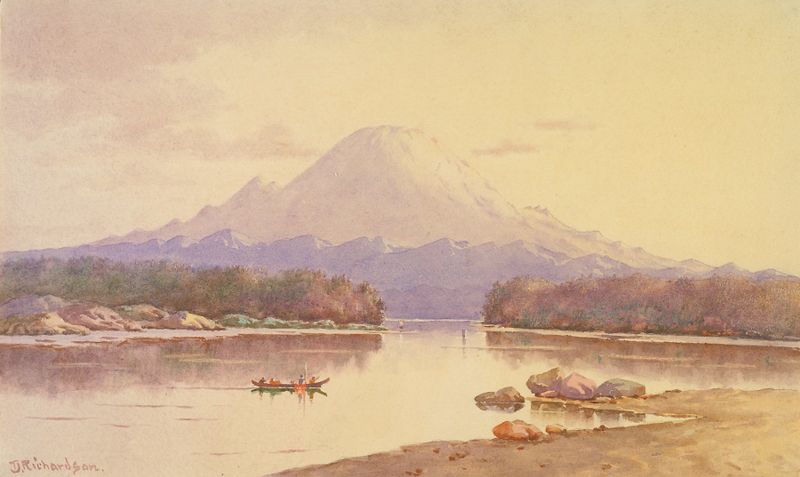
Mount Rainier
Theodore J. Richardson
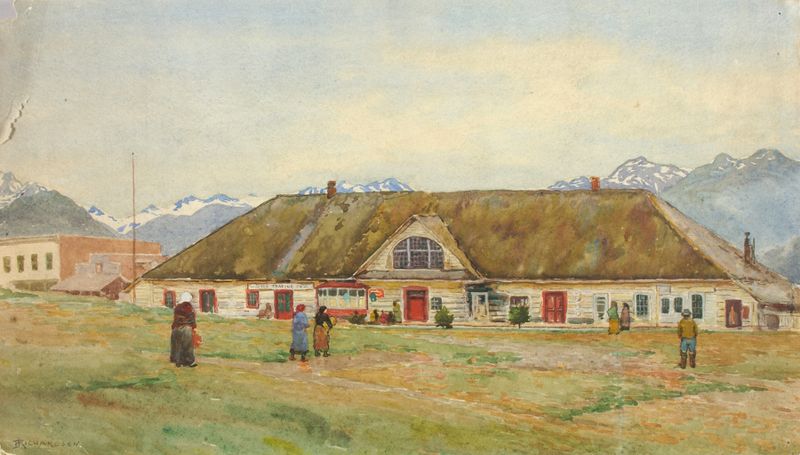
Old Russian Trading Post, Sitka
Theodore J. Richardson

The Ranch Native Village, Sitka, 1884
Theodore J. Richardson

Rear View Of Greek Church, Sitka, 1888
Theodore J. Richardson
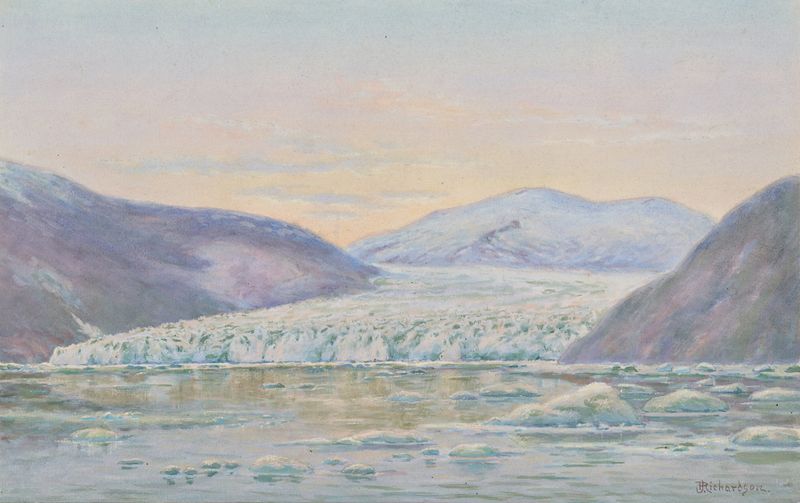
Taku Glacier, Evening
Theodore J. Richardson

St. Elias Alps
Theodore J. Richardson

Drying Blankets Over Canoes
Theodore J. Richardson

In The Old Quarter, Sitka, 1900
Theodore J. Richardson
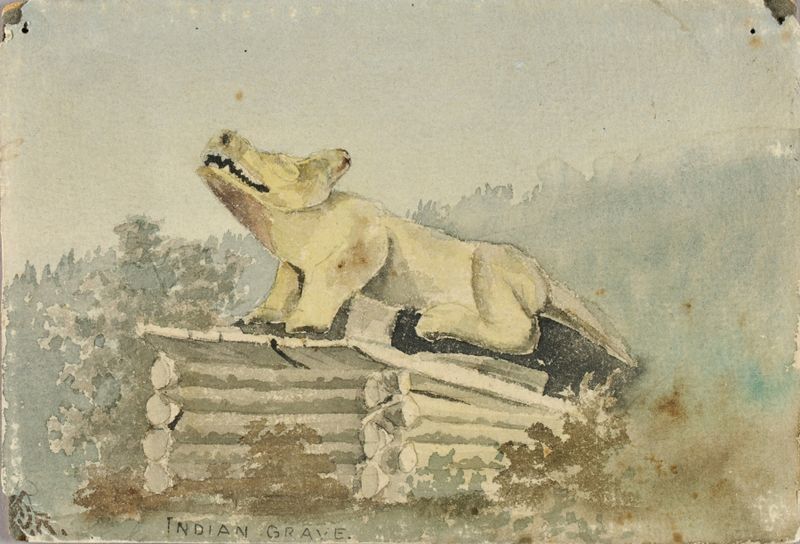
Indian Grave. Wolf Totem Over Medicine Man Grave, Wrangell
Theodore J. Richardson
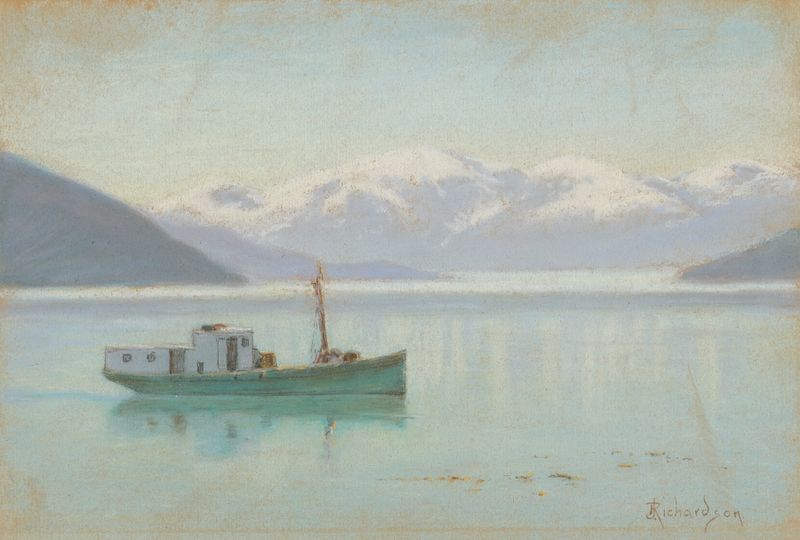
Jack Mantle’s Boat
Theodore J. Richardson





