
The Return of Orestes — History & Facts
A swirl of color and gesture draws the viewer immediately to the charged encounter at the heart of The Return of Orestes. The drama unfolds in a tight cluster of figures, their bodies angled in a choreography of tension and appeal. The golden light falls on the woman in yellow and pink, her arm outstretched in a gesture that is both supplication and recognition, while the young man in red and gold leans forward, his body alive with urgency.
Every fold of their drapery seems to ripple with the emotions that pass between them, and the orb-like vessel at the center becomes both a literal and symbolic offering—its purpose clear only in the silent language of their eyes and hands. Painted in 1786, this work by Anton von Maron stands firmly in the late eighteenth-century tradition of history painting, where artists mined the ancient world for stories of fate, justice, and reconciliation. Such paintings were often commissioned by patrons eager to display both their erudition and their moral seriousness, and the genre demanded a clarity of narrative and a grandeur of form. The presence of the monumental statue looming in the background—half in shadow, half illuminated—reminds us that these dramas were staged under the gaze of the gods, or at least their marble avatars.
While history has kept few traces of this particular canvas’s journey, its place in the Google Cultural Institute’s digital collection allows us to linger over every detail, and to imagine the conversations it once sparked in candlelit salons and academies.
More Artworks by Anton von Maron

Prince Leopold III Friedrich Franz of Anhalt-Dessau
Anton von Maron
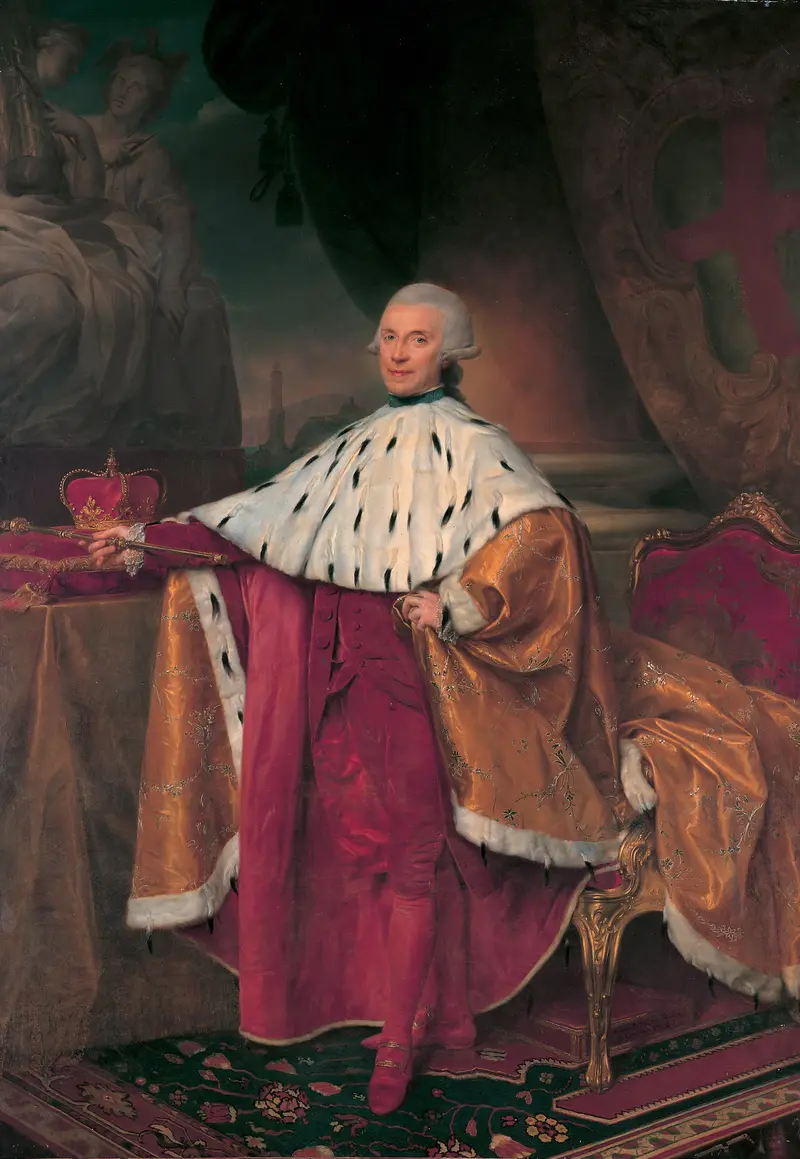
Michelangelo Cambiaso, Doge of Genoa (1738-1813)
Anton von Maron
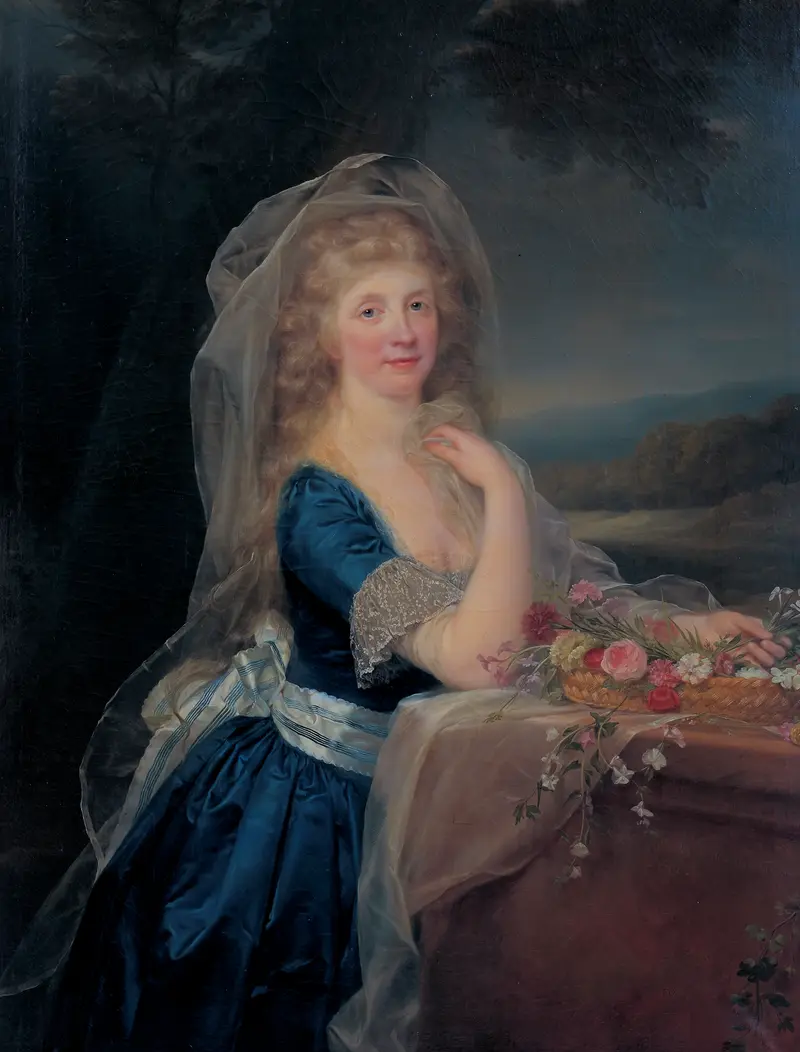
Anna Pieri Brignole-Sale
Anton von Maron
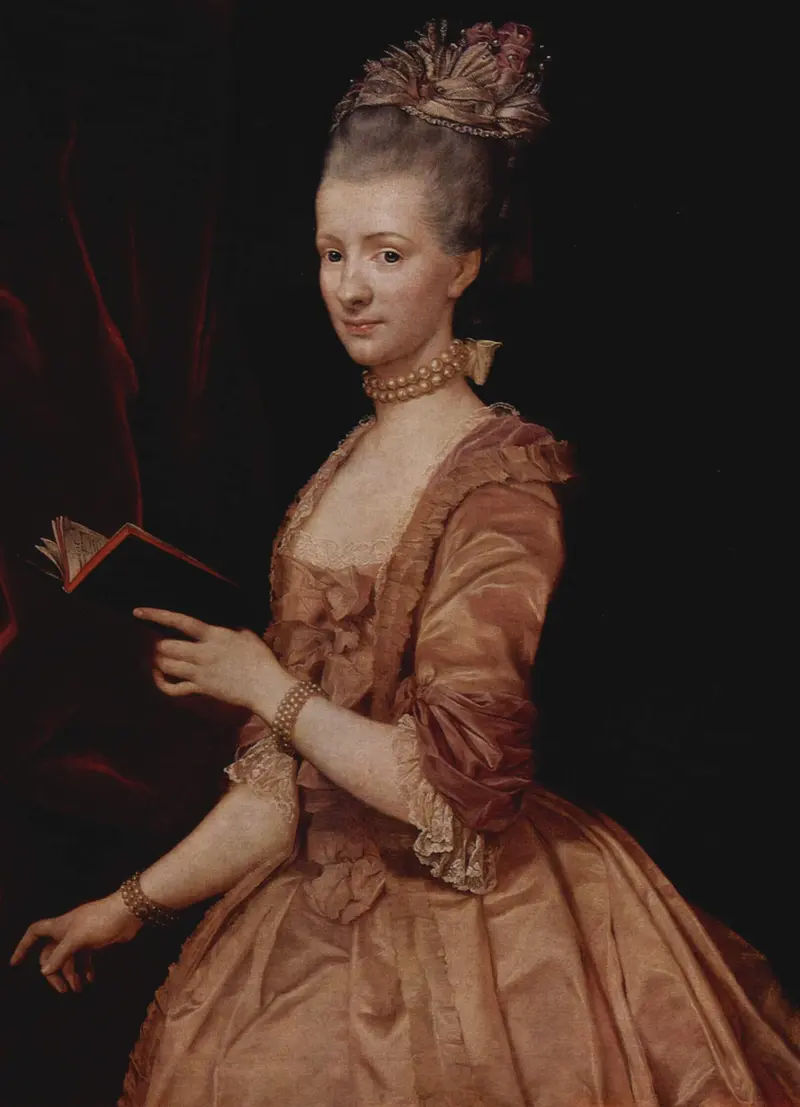
Portrait of a Woman
Anton von Maron
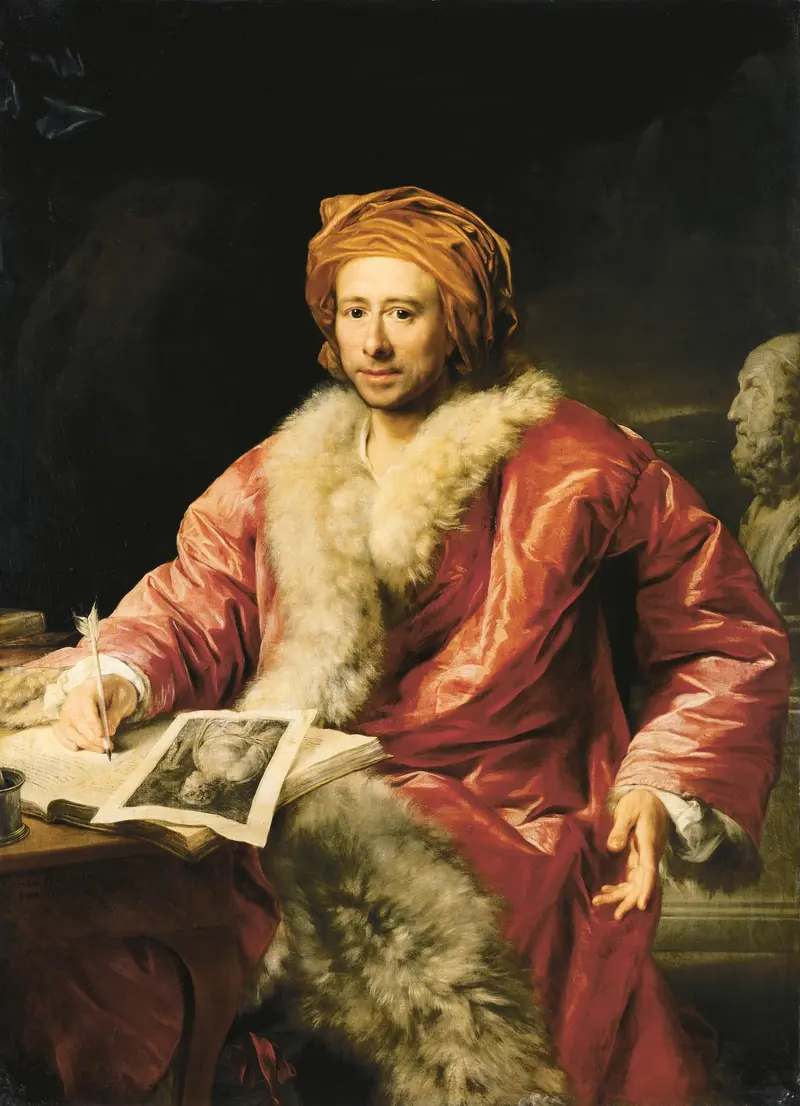
Porträt des Johann Joachim Winckelmann (1717-1768)
Anton von Maron

Studie voor een portret van een man
Anton von Maron
Archibald Menzies
Anton von Maron





