
Michelangelo Cambiaso, Doge of Genoa (1738-1813) — History & Facts
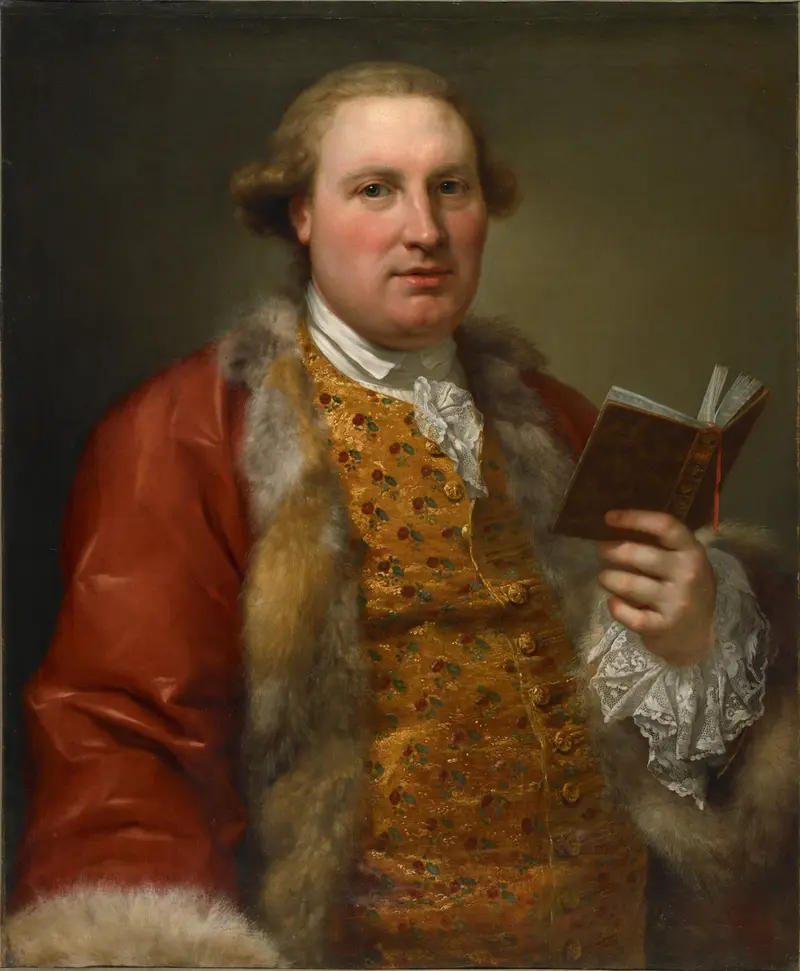
What first catches the eye in Michelangelo Cambiaso, Doge of Genoa (1738-1813) is the theatrical confidence of its subject, standing with one hand resting lightly on a velvet-draped table and the other at his hip, as if pausing mid-command. The ermine-trimmed robe, luminous with gold and crimson, is a deliberate display of power, but it is the Doge’s calm, direct gaze that anchors the composition. The crown, set to one side rather than worn, signals authority held with assurance rather than bluster.
Behind him, allegorical figures and the faint outline of Genoese landmarks emerge from the shadows, lending the portrait an air of staged grandeur, where every detail is calculated to reinforce a legacy. This painting, completed in 1792 by Anton von Maron, belongs to a tradition of state portraiture that flourished in late eighteenth-century Europe, when rulers and magistrates commissioned likenesses to assert legitimacy and project stability in an era of political flux. Such works were not simply records of appearance; they were instruments of image-making, intended for public halls and council chambers, where the presence of the Doge—draped in the visual language of sovereignty—could be felt even in his absence. Housed today in the Musei di Strada Nuova - Palazzo Bianco, the portrait stands among the city’s own lineage of power, a reminder of how art and authority once moved in lockstep.
The viewer is left to wonder how much of the sitter’s poise is the man himself, and how much is the careful choreography of his time.
More Artworks by Anton von Maron

Prince Leopold III Friedrich Franz of Anhalt-Dessau
Anton von Maron
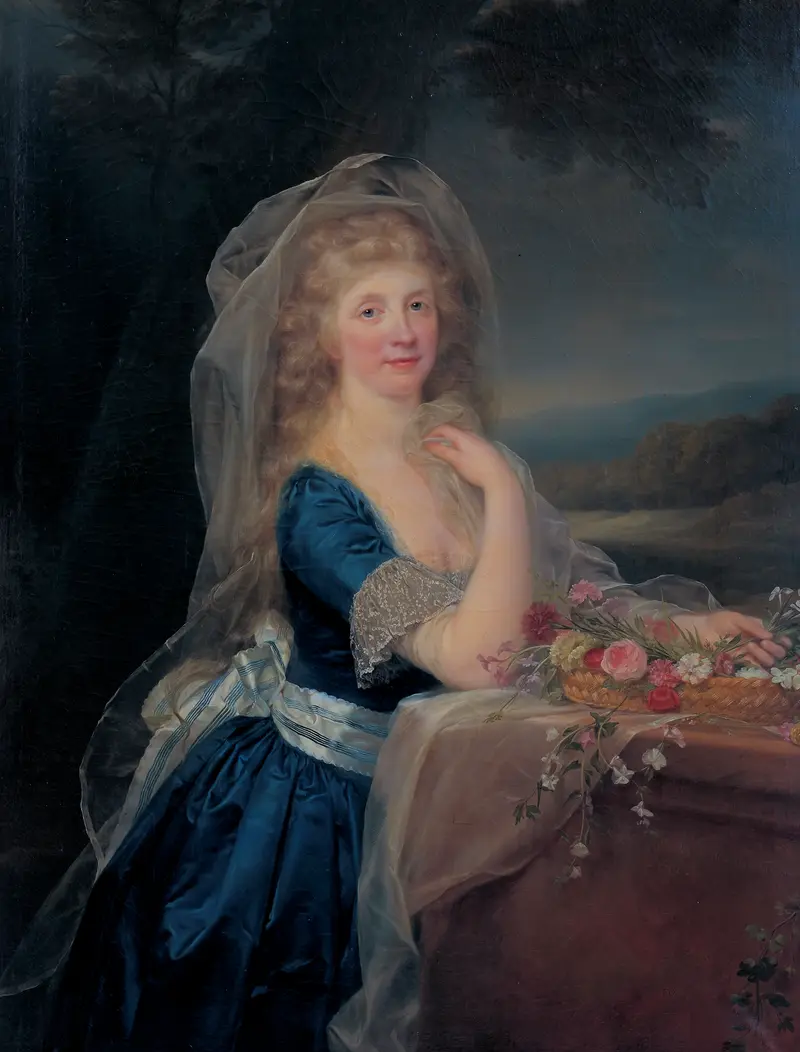
Anna Pieri Brignole-Sale
Anton von Maron
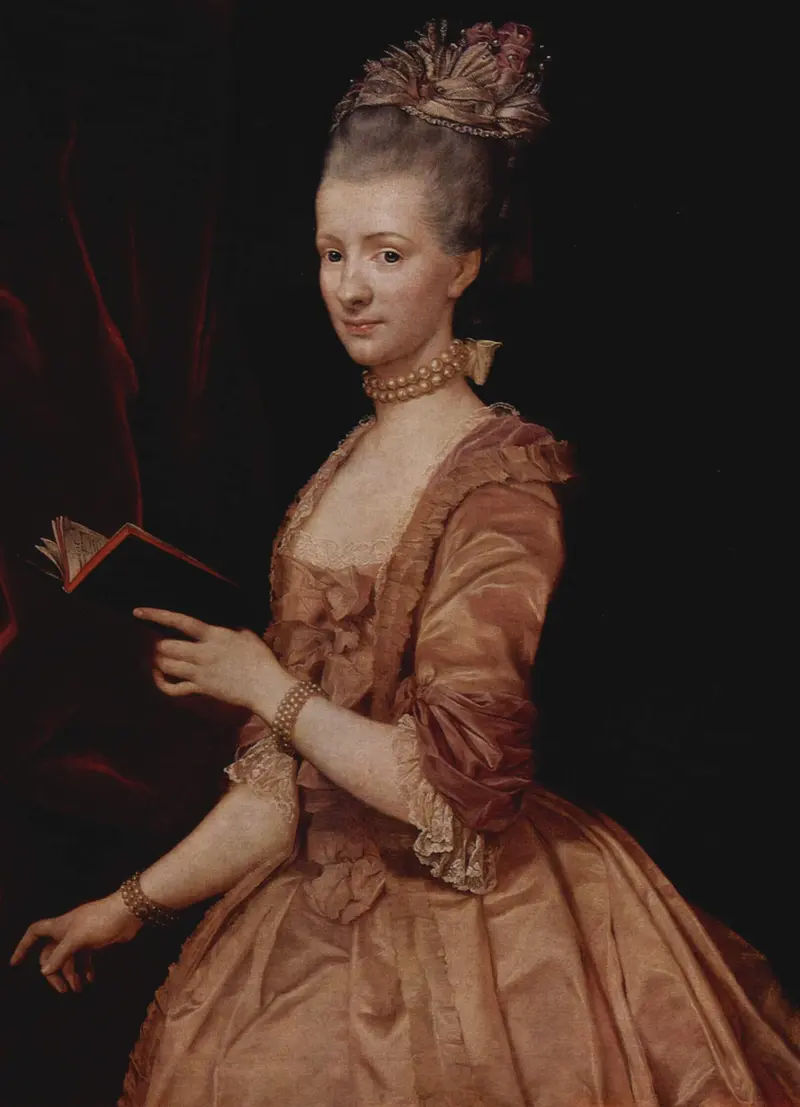
Portrait of a Woman
Anton von Maron
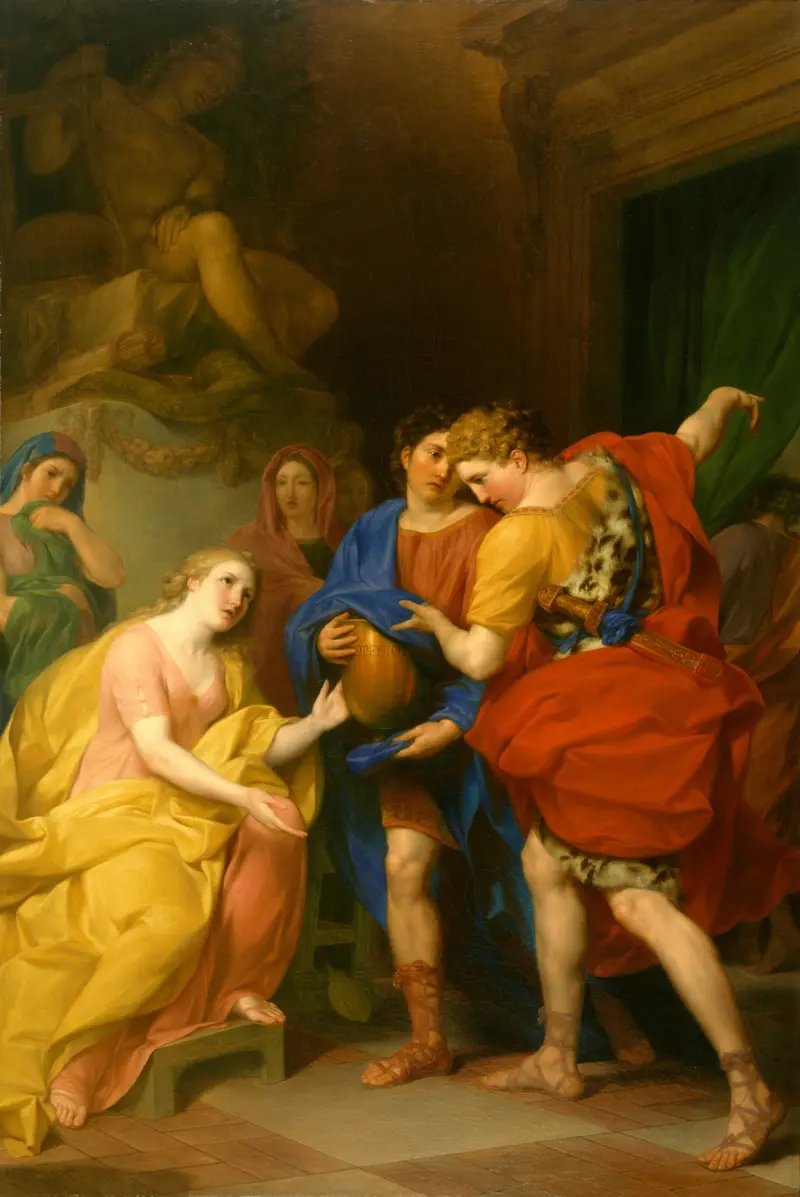
The Return of Orestes
Anton von Maron
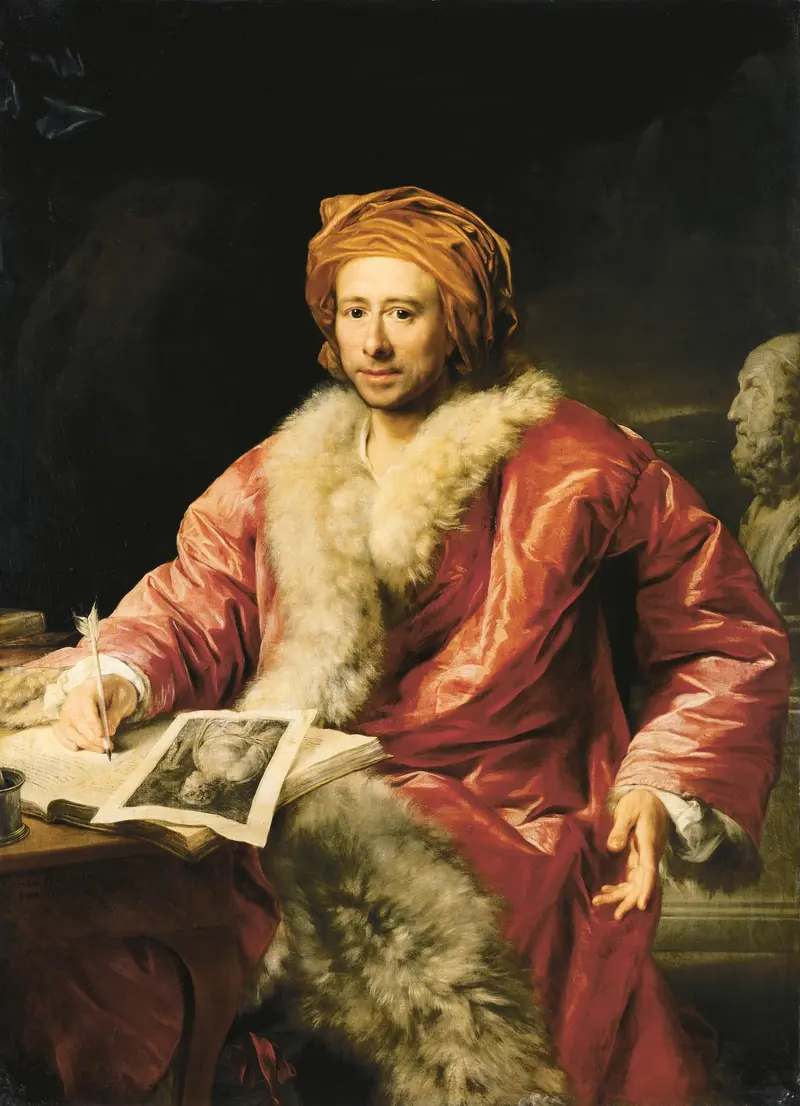
Porträt des Johann Joachim Winckelmann (1717-1768)
Anton von Maron

Studie voor een portret van een man
Anton von Maron
Archibald Menzies
Anton von Maron





