
Anna Pieri Brignole-Sale — History & Facts
A woman meets the viewer’s gaze with a composure that is both regal and quietly human, her presence commanding the space as if she were accustomed to being both observed and obeyed. The portrait’s light falls softly on her face, drawing attention to the intelligence in her eyes and the delicate set of her mouth. Rich but not ostentatious, her attire speaks of high status—lace, silk, and the shimmer of pearls—while her upright posture and the subtle gesture of her hand suggest a life shaped by duty as much as by privilege.
The painter has chosen a palette of restrained elegance, using warm tones to lend the sitter a sense of immediacy, as if she might speak at any moment. Every detail, from the careful arrangement of her hair to the faint blush in her cheeks, is designed to reveal both her dignity and her individuality. Painted before 1808, this portrait belongs to the world of late eighteenth-century and early nineteenth-century European aristocracy, when the elite commissioned likenesses not only to assert their social position but also to shape how they would be remembered. Portraits like this—now housed in the Musei di Strada Nuova’s Palazzo Bianco—were as much about legacy as about likeness, often created to hang in grand salons or family galleries.
In this era, artists such as Anton von Maron were sought after for their ability to balance flattery with psychological insight, capturing both the trappings of rank and the subtleties of character. History has kept few traces of the personal stories behind many such works, but their images still invite us to imagine the lives and ambitions that once animated these silent faces. Look again at the sitter’s eyes, and consider what hopes or secrets the painter might have glimpsed.
More Artworks by Anton von Maron

Prince Leopold III Friedrich Franz of Anhalt-Dessau
Anton von Maron
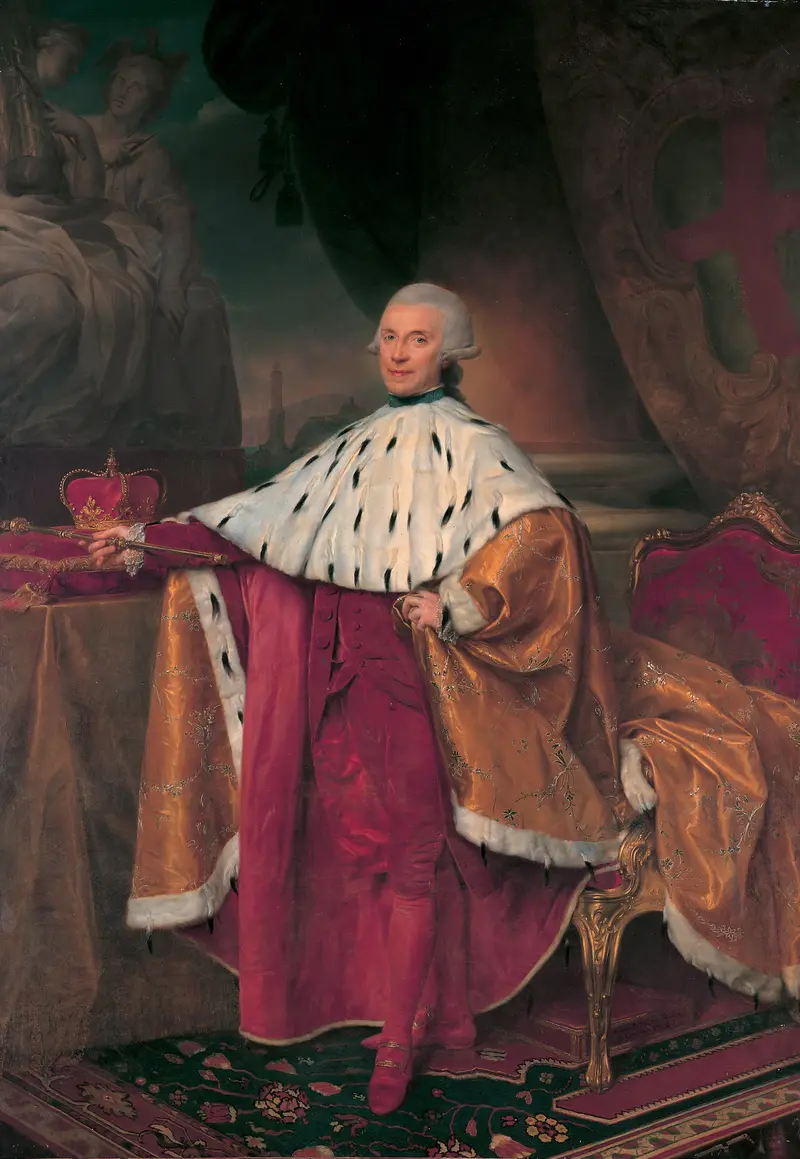
Michelangelo Cambiaso, Doge of Genoa (1738-1813)
Anton von Maron
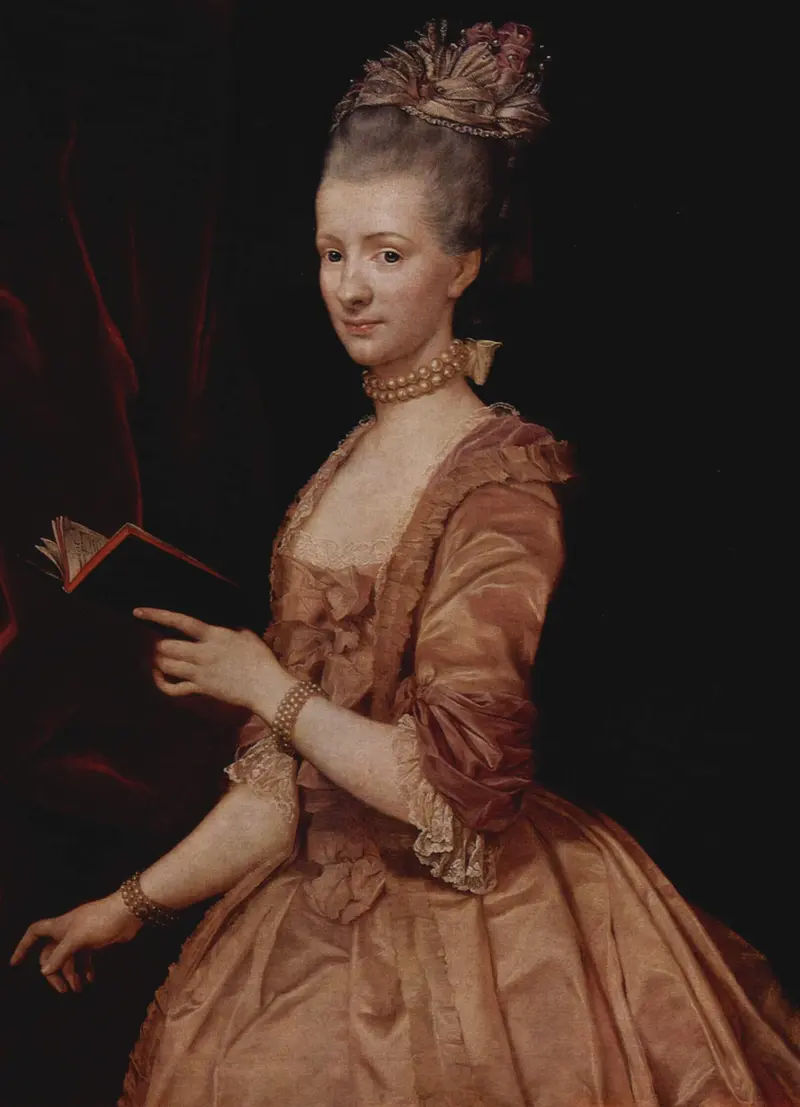
Portrait of a Woman
Anton von Maron
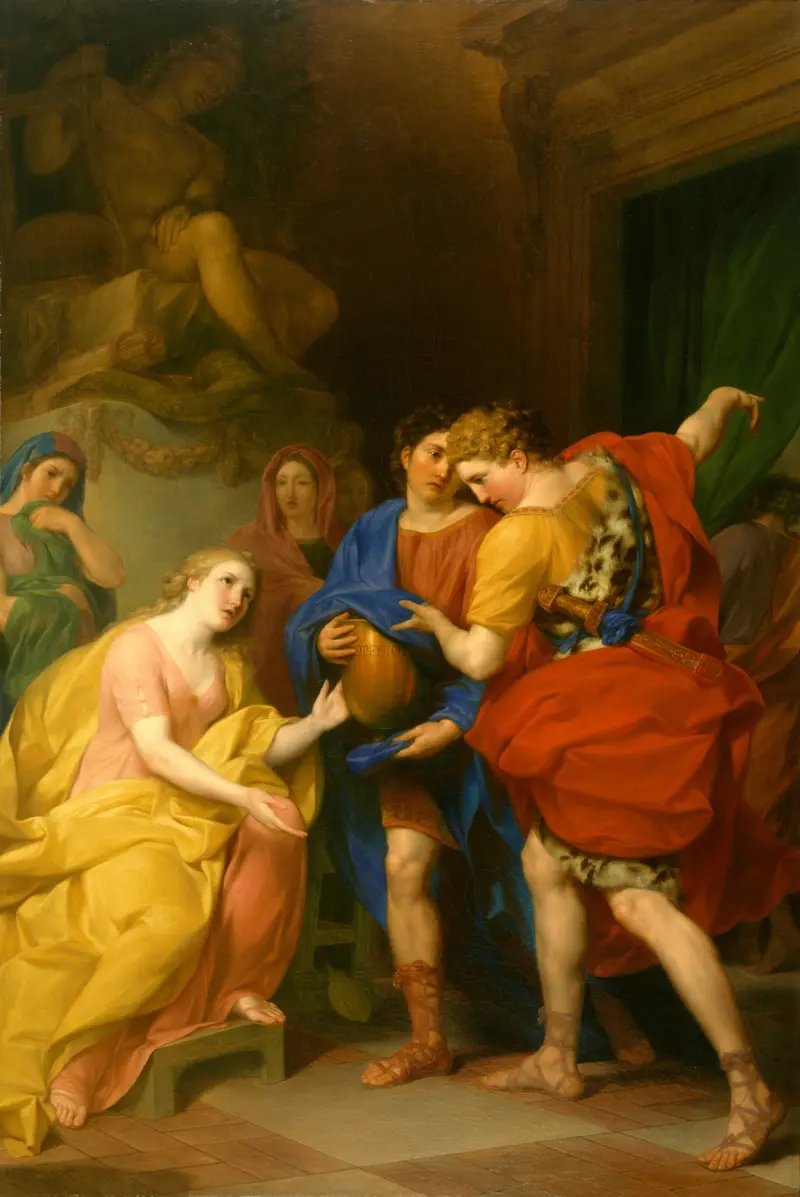
The Return of Orestes
Anton von Maron
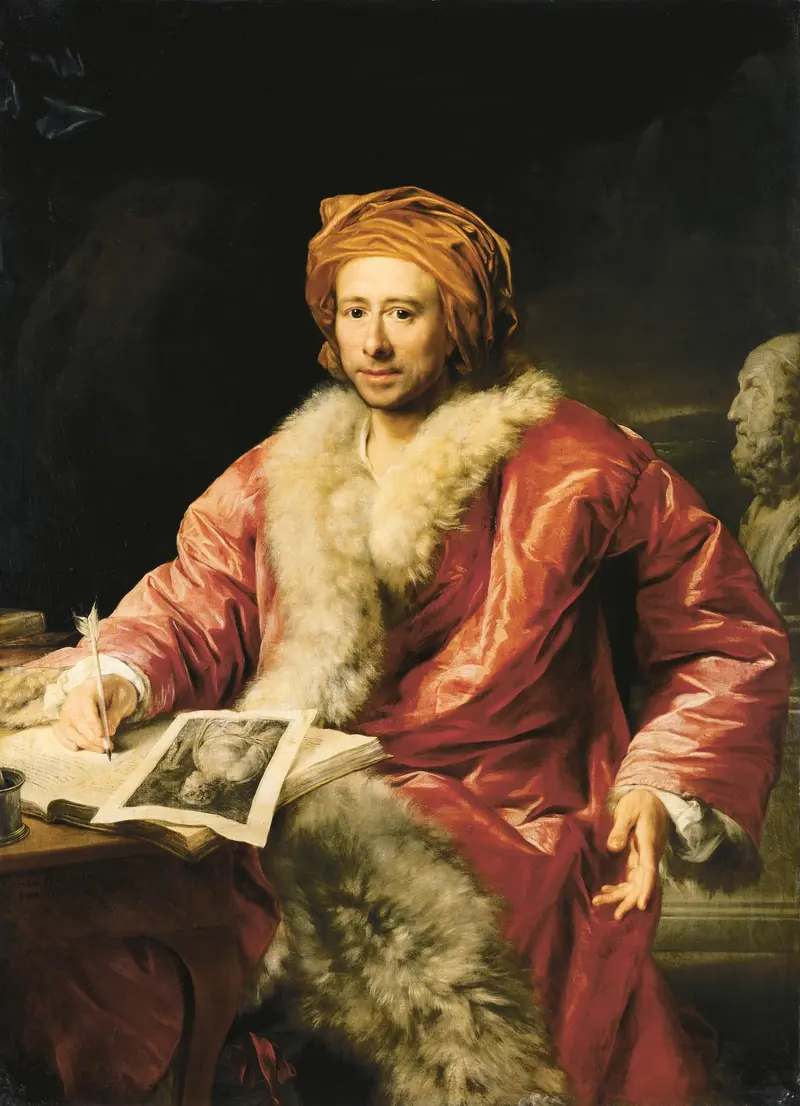
Porträt des Johann Joachim Winckelmann (1717-1768)
Anton von Maron

Studie voor een portret van een man
Anton von Maron
Archibald Menzies
Anton von Maron





