The Rhine at Laufenburg — History & Facts
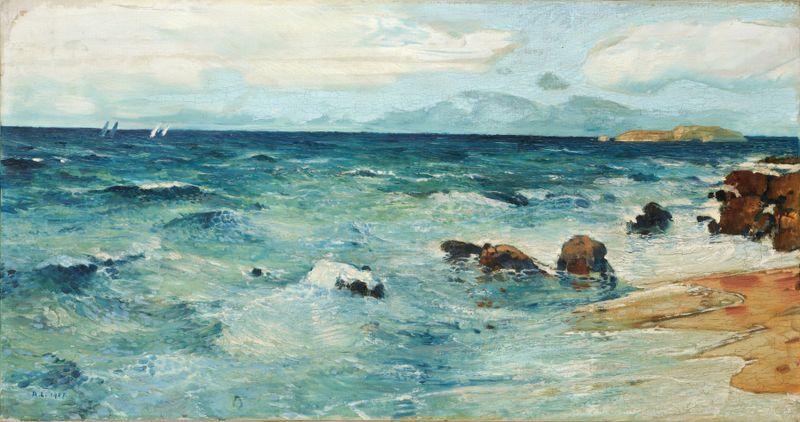
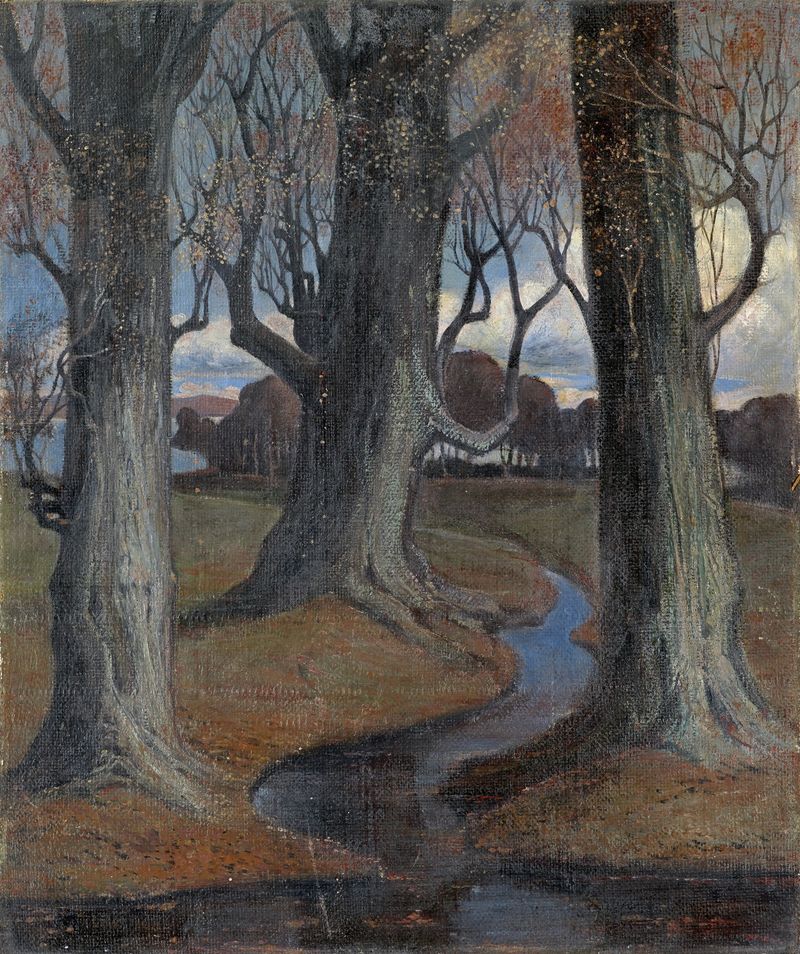
This sentiment encapsulates the fluidity of life as it ebbs and flows along the riverbanks, forever in motion yet grounded in beauty. Focus on the center of the canvas, where the waters of the Rhine surge with a vibrant energy, swirling in shades of cerulean and emerald. Notice how the light dances upon the surface, creating a shimmering effect that draws the eye and invites contemplation. The composition is alive with movement, from the rushing currents to the tree line that stands resolute against the dynamic flow, their reflections a reminder of nature’s harmony and resilience. Delve deeper, and you’ll uncover the emotional tension between the tranquility of the landscape and the relentless vigor of the river.
Each brushstroke conveys a sense of urgency, as if the water is not just flowing but also carrying stories of the past and whispers of the future. The juxtaposition of the serene trees against the turbulent waters evokes a sense of balance between stability and change, encapsulating the perpetual dance of existence itself. Rudolf Löw painted this work in 1907 while living in Germany, a time marked by significant artistic movements that embraced modernity and abstraction. The early 20th century was a period of great experimentation, with artists seeking to capture the essence of movement and emotion in their works.
Löw, influenced by the impressionist techniques and the beauty of his surroundings, sought to convey the energy of the Rhine in a manner that transcended simple representation, revealing the interplay of chaos and grace within nature.